All the world of cacao in one click.
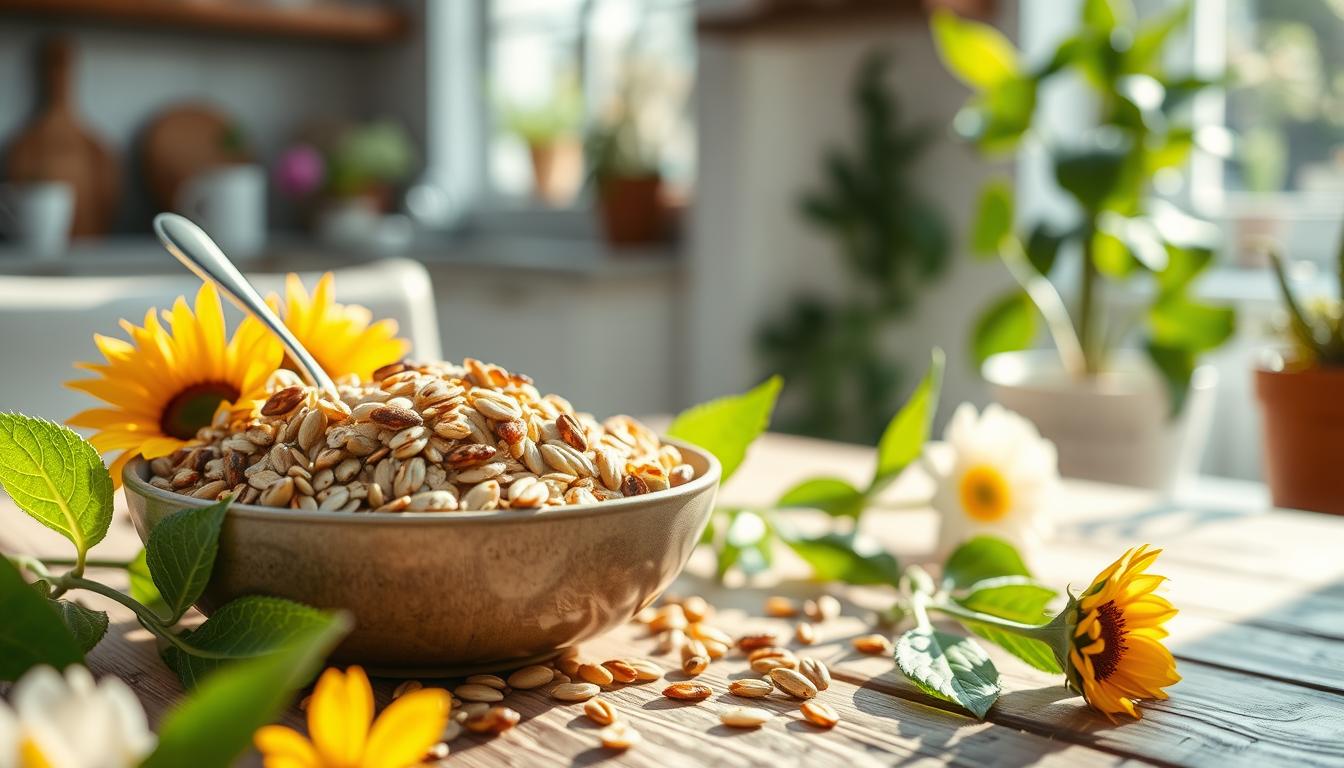
Learn how to incorporate sunflower and oat into your plant-based 2.0 diet.
You’re about to explore the innovative world of Plant-Based 2.0, where sunflower and oat take center stage. This exciting culinary frontier is all about harnessing the nutritional benefits and versatility of these ingredients to create delicious, sustainable food products.
As you delve into this technical guide, you’ll discover the advantages of incorporating sunflower and oat into your plant-based recipes. From enhancing nutritional profiles to expanding culinary possibilities, these ingredients are set to revolutionize the world of plant-based cuisine.
As you explore the world of Plant-Based 2.0, understanding the fundamentals of plant-based nutrition is crucial. This involves not just knowing what plant-based means, but also how to harness its benefits for a healthier lifestyle.
A plant-based diet focuses on foods derived from plants, including fruits, vegetables, grains, and legumes, minimizing or eliminating animal products. This dietary approach is not just about replacing milk with a plant-based alternative, but about embracing a wide variety of foods that provide essential nutrients.
A plant-based diet is centered around foods that come from plants. This includes a broad spectrum of food groups such as fruits, vegetables, whole grains, and legumes. The emphasis is on consuming these foods in their most natural form, minimizing processed and packaged foods.
When adopting a plant-based diet, you’re likely to incorporate more sunflower and oat products, which are rich in nutrients and versatile in cooking and baking. For instance, sunflower seeds are a great source of healthy fats and protein, while oats are renowned for their fiber content.
The benefits of a plant-based diet are numerous, ranging from improved health outcomes to environmental sustainability. By focusing on plant-derived foods, you can reduce your risk of chronic diseases such as heart disease and diabetes.
A plant-based diet is also beneficial for the environment, as it tends to have a lower carbon footprint compared to diets heavy in animal products. Incorporating ingredients like sunflower and oats into your diet not only supports your health but also contributes to a more sustainable food system.
| Ingredient | Baker’s Percentage |
|---|---|
| Oats | 60% |
| Sunflower Seeds | 20% |
| Other Grains | 20% |
With its rich nutritional profile and diverse culinary applications, sunflower is becoming a staple in modern plant-based cuisine. You can easily incorporate sunflower ingredients into your daily meals, benefiting from their impressive nutritional credentials.
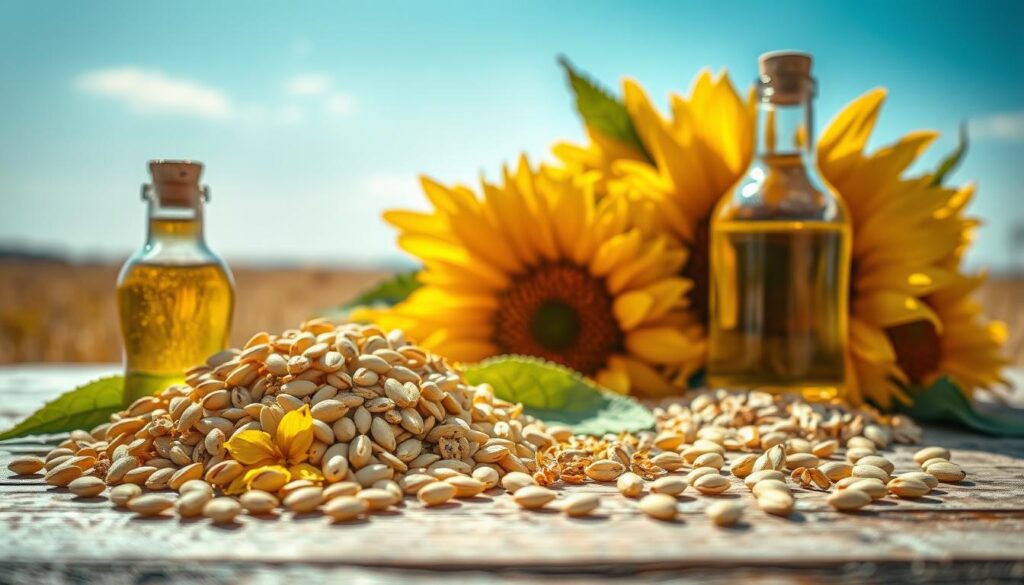
Sunflower ingredients are not only versatile but also packed with nutrients. They are an excellent source of plant-based protein, healthy fats, and essential vitamins and minerals. Here’s a breakdown of their nutritional profile:
| Nutrient | Value per 100g | % Daily Value |
|---|---|---|
| Protein | 20g | 40% |
| Fat | 50g | 77% |
| Fiber | 10g | 40% |
| Vitamin E | 20mg | 133% |
Sunflower ingredients can be used in a variety of dishes, from savory meals to sweet baked goods. Here are some ways you can use sunflower in your cooking:
To incorporate sunflower ingredients into your diet, follow these simple steps:
By incorporating sunflower ingredients into your meals, you can enhance the nutritional value and flavor of your dishes. Experiment with different sunflower products to find your favorite ways to use them.
As you explore the world of plant-based eating, oat-based products stand out for their health benefits and culinary flexibility. Oats are a versatile ingredient that can be incorporated into a variety of dishes, from breakfast cereals to baked goods.
Oats are renowned for their nutritional value, providing a rich source of fiber, vitamins, and minerals. The fiber in oats, known as beta-glucan, has been shown to help lower cholesterol levels and improve heart health. Incorporating oats into your diet can contribute to a healthier digestive system and may reduce the risk of chronic diseases.
“Oats are a good source of several important nutrients, including fiber, which can help you feel fuller longer and support healthy blood sugar levels.”
Oat-based products offer a wide range of possibilities in both cooking and baking. You can use oats to make oatmeal for breakfast, oat bread, or even oat-based desserts like cookies and cakes. The versatility of oats makes them an excellent ingredient for experimenting with new recipes.
Here’s a simple table showcasing different oat varieties and their uses:
| Oat Variety | Characteristics | Best Used For |
|---|---|---|
| Rolled Oats | Steamed and rolled flat | Oatmeal, baking |
| Steel-Cut Oats | Cut into small pieces, not rolled | Hearty oatmeal, savory dishes |
| Instant Oats | Pre-cooked and dried | Quick oatmeal, smoothies |
Understanding the different types of oats can help you choose the best variety for your needs. Rolled oats are great for oatmeal and baking, while steel-cut oats provide a nuttier flavor and chewier texture, ideal for savory dishes. Instant oats are perfect for quick meals and can be easily added to smoothies.
Experimenting with different oat varieties can add diversity to your meals and help you discover new favorite recipes.
You can unlock a new dimension of health benefits by combining sunflower and oats in your diet. This synergy is not just about mixing two ingredients; it’s about creating a nutritional powerhouse that can elevate your overall well-being.
Combining sunflower and oats can provide a complete amino acid profile, essential for muscle repair and growth. Sunflower seeds are a good source of protein, while oats contribute complex carbohydrates for sustained energy. Together, they make a perfect pair for athletes and individuals looking for a balanced diet.
The nutritional benefits of sunflower and oats are complementary. Sunflower seeds are rich in healthy fats, including monounsaturated and polyunsaturated fats, which support heart health. Oats, on the other hand, are high in fiber, which can help lower cholesterol levels and improve digestive health.
The combination of sunflower and oats offers a broad spectrum of essential nutrients. Here’s a breakdown of their complementary nutrients:
| Nutrient | Sunflower | Oats |
|---|---|---|
| Protein | High | Moderate |
| Fiber | Moderate | High |
| Healthy Fats | High | Low |
By combining these ingredients, you can create meals that are not only delicious but also packed with nutrients. For example, you can make a nutritious breakfast bowl with oatmeal, sunflower seeds, and a drizzle of honey.

Incorporating sunflower and oats into your diet can be simple and versatile. You can add sunflower seeds to your oatmeal or use oat flour in baking recipes that include sunflower seeds. The key is to experiment with different combinations to find what works best for you.
The combination of sunflower and oat is revolutionizing the plant-based industry with innovative products. You can now find these ingredients in a variety of food items, enhancing their nutritional profile and taste.
Starting your day with a nutritious breakfast is easier than ever with sunflower and oat-based products. You can enjoy oat-based cereals with sunflower seeds, providing a boost of protein and fiber.
To make a simple sunflower and oat breakfast, follow these steps:
Sunflower and oat are also being used in snacks and desserts, offering healthier alternatives to traditional treats. You can indulge in oat-based cookies with sunflower seed butter or enjoy sunflower seed-based snack bars.
For a delicious sunflower and oat dessert, try making oat and sunflower seed cookies:
The synergy between sunflower and oat is also creating new plant-based alternatives to traditional dairy or gluten-containing products. You can now find oat milk with sunflower oil or sunflower seed-based cheese alternatives.
When shopping for plant-based alternatives, look for products that combine sunflower and oat for enhanced nutrition. You can also experiment with making your own plant-based milk using oats and sunflower seeds.
Sunflower and oat are not just nutritious ingredients, but also versatile components that can be used in a variety of dishes. From breakfast bowls to decadent desserts, these ingredients can elevate your cooking and baking to the next level.
Here are a few simple recipes to get you started with cooking sunflower and oat:
These recipes showcase the ease of incorporating sunflower and oat into your daily meals and snacks.
To make the most of sunflower and oat in your recipes, consider the following tips:
By incorporating these tips into your cooking routine, you’ll be able to enjoy the nutritional benefits of sunflower and oat in a variety of delicious dishes.
Proper storage is key to maintaining the freshness and nutritional value of sunflower and oat products. Here are some guidelines:
| Ingredient | Storage Tips | Shelf Life |
|---|---|---|
| Sunflower Seeds | Store in an airtight container in a cool, dry place. | Up to 6 months |
| Rolled Oats | Keep in a sealed container in a cool, dry place or refrigerate. | Up to 1 year |
| Sunflower Seed Butter | Refrigerate after opening to prevent oil separation. | Up to 3 months |
By following these storage tips, you can enjoy your sunflower and oat products at their best quality.
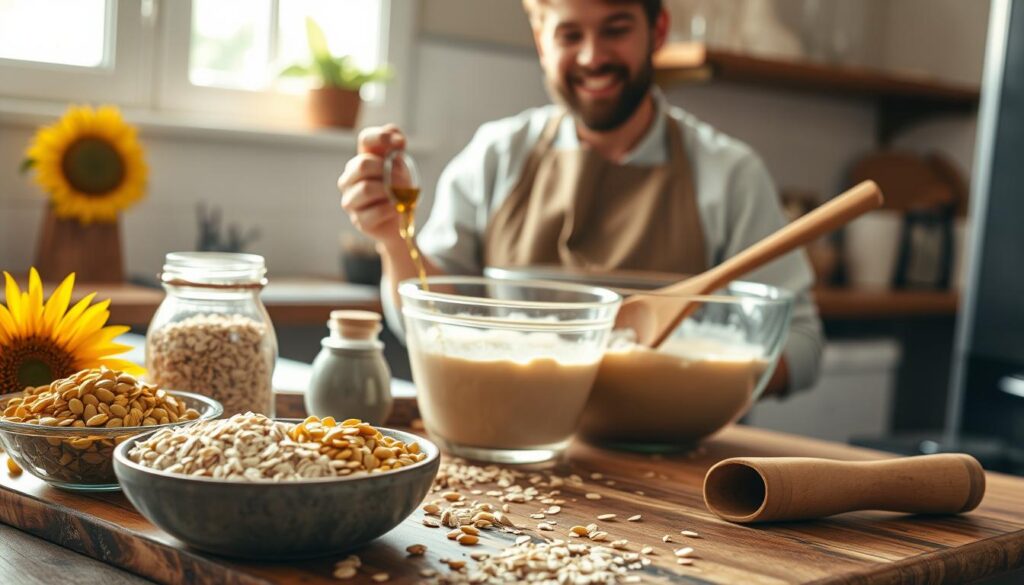
As you explore the world of plant-based diets, you’ll find that your choices have a significant impact on the environment. The good news is that opting for plant-based ingredients like sunflowers and oats can be a step towards a more sustainable lifestyle.
Sunflower farming is recognized for its relatively low environmental impact compared to other crops. Sunflowers are drought-tolerant, which means they require less water, and they also improve soil health by increasing soil biota and structure.
Oat cultivation is also associated with several eco-friendly practices. Oats are a hardy crop that can thrive in a variety of conditions, making them a reliable choice for farmers.
Eco-friendly aspects of oat cultivation include:
By choosing products made from sunflowers and oats, you’re supporting farming practices that are more sustainable and environmentally friendly. As the demand for plant-based products continues to grow, it’s likely that we’ll see even more innovative and eco-friendly practices in the cultivation of these crops.
To further reduce your environmental footprint, consider the following tips when shopping for sunflower and oat products: look for certifications that indicate sustainable farming practices, choose products with minimal packaging, and support local farmers when possible.
As you incorporate more plant-based foods into your diet, understanding potential allergies and intolerances is vital. While sunflower and oat are considered hypoallergenic, some individuals may still experience adverse reactions.
Allergies to oats, though rare, can occur. Symptoms may include skin rashes, digestive issues, or respiratory problems. Similarly, sunflower seeds, while nutritious, can cause allergic reactions in some people. It’s essential to monitor your body’s response when introducing these foods into your diet.
A well-planned plant-based diet can provide all necessary nutrients, but certain deficiencies are more common. For instance, vitamin B12, iron, and omega-3 fatty acids are nutrients that require attention.
| Nutrient | Plant-Based Sources | Deficiency Risks |
|---|---|---|
| Vitamin B12 | Fortified plant milk, nutritional yeast | Fatigue, neurological issues |
| Iron | Legumes, dark leafy greens, fortified cereals | Anemia, weakness |
| Omega-3 Fatty Acids | Algal oil, flaxseeds, chia seeds | Heart health issues, dry skin |
By being aware of these potential health considerations and taking steps to mitigate them, you can enjoy the benefits of a plant-based diet rich in sunflower and oat. Remember, a balanced diet is key to overall health.
You’re on the cusp of a revolution in plant-based cuisine, driven by cutting-edge innovations and emerging trends. As consumers become more environmentally conscious and health-oriented, the demand for sustainable and nutritious ingredients is on the rise.
The plant-based industry is witnessing significant advancements in food technology, making it easier to produce high-quality products that are both delicious and nutritious. Sunflower and oat ingredients are at the forefront of this innovation, with new processing techniques that enhance their nutritional profile and culinary versatility.
For instance, innovations in milling technology have made it possible to create oat flours with improved texture and nutritional content. Similarly, sunflower seeds are being processed into a variety of products, from sunflower oil to protein-rich flours.
As the plant-based movement continues to grow, emerging trends in ingredients are shaping the future of food. Sunflower and oat are among the ingredients gaining popularity due to their nutritional benefits and versatility in cooking and baking.
One of the emerging trends is the use of ancient oat varieties, which are being rediscovered for their unique nutritional profiles and flavors. Similarly, sunflower seeds are being recognized for their potential in creating sustainable, plant-based protein sources.
The future of plant-based diets looks promising, with innovations in food technology and emerging trends in ingredients driving the industry forward. As you explore these developments, you’ll find that sunflower and oat ingredients are playing a crucial role in shaping the culinary landscape.
As you continue on your plant-based journey, having the right resources can make a significant difference. Whether you’re looking for recipe inspiration, nutritional guidance, or community support, there are numerous tools available to help you thrive.
You can explore various books and guides that offer insights into plant-based cooking, nutrition, and lifestyle. These resources provide valuable information on incorporating sunflower and oat into your diet, along with other plant-based ingredients.
Joining online communities is an excellent way to connect with like-minded individuals who share your interests in plant-based living. You can participate in discussions, ask questions, and learn from others who have experience with sunflower and oat-based products.
By leveraging these resources, you can further enhance your knowledge and stay updated on the latest trends in plant-based living, including the use of sunflower and oat ingredients.