All the world of cacao in one click.

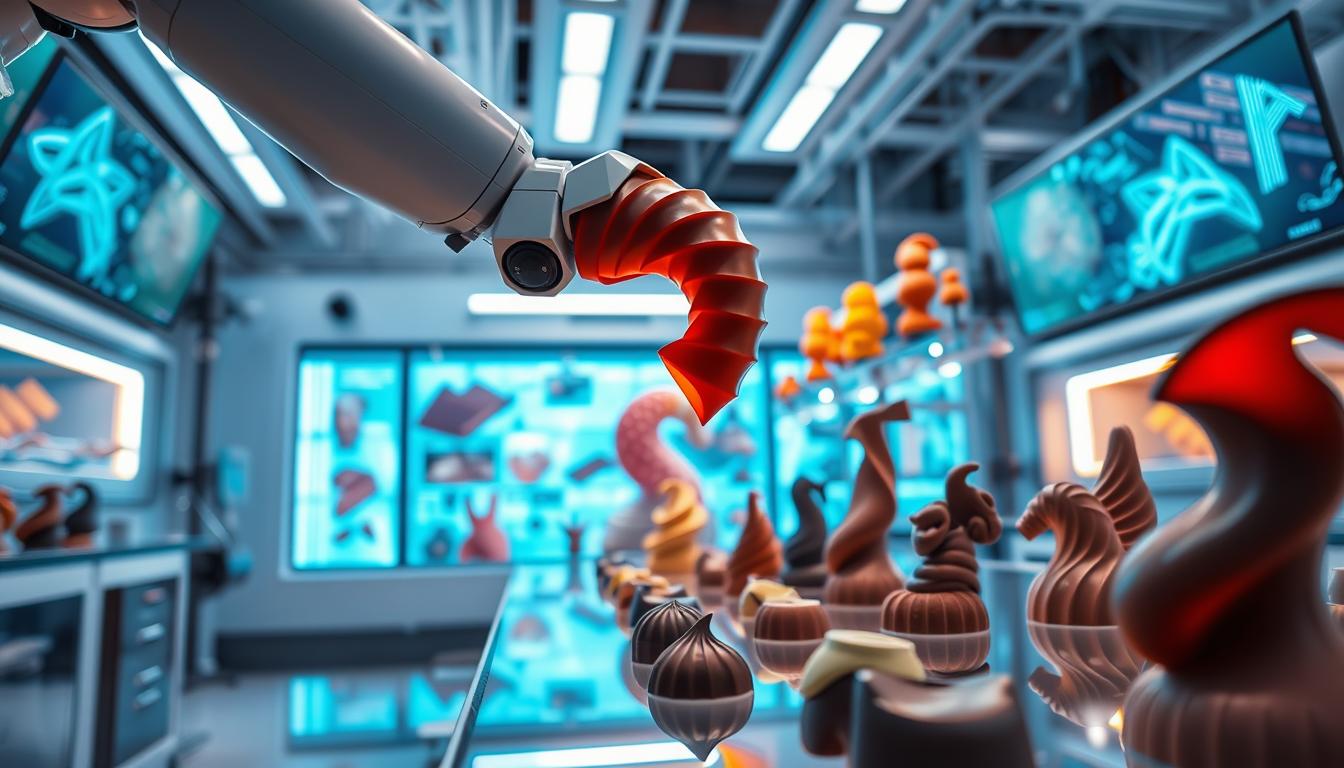
Explore the cutting-edge world of 3D chocolate printing and shape-shifting desserts in this tutorial.
You are about to embark on a journey into the cutting-edge world of culinary innovation, where desserts are not just static creations but can dynamically change, providing an interactive experience. This is made possible by the emerging technology of 4D printing, which allows for the creation of complex desserts that change shape or form over time.
The concept of kinetic food is revolutionizing the way we experience sweets, turning them into dynamic and engaging treats. As you explore this innovative frontier, you will learn how to create shape-shifting desserts using advanced techniques and technologies.
As you explore the frontier of culinary innovation, you’ll discover the fascinating world of 4D food tech. This emerging field combines 3D printing with the ability to change shape or form over time, thanks to advanced structural design.
The concept of 4D food tech revolves around creating edible products that can alter their shape or properties in response to environmental stimuli, such as temperature or moisture changes. This is achieved by carefully designing the structural integrity of the food item, making it a marvel of culinary engineering.
To program chocolate to change shape, you need to understand the intricacies of its structural design. This involves not just the composition of the chocolate but also how it’s printed using 3D printing technology.
The process can be broken down into simple steps:
A typical chocolate recipe for 4D printing might include:
| Ingredient | Baker’s Percentage |
|---|---|
| Cocoa Butter | 20% |
| Sugar | 30% |
| Milk Powder | 10% |
| Cocoa Solids | 40% |
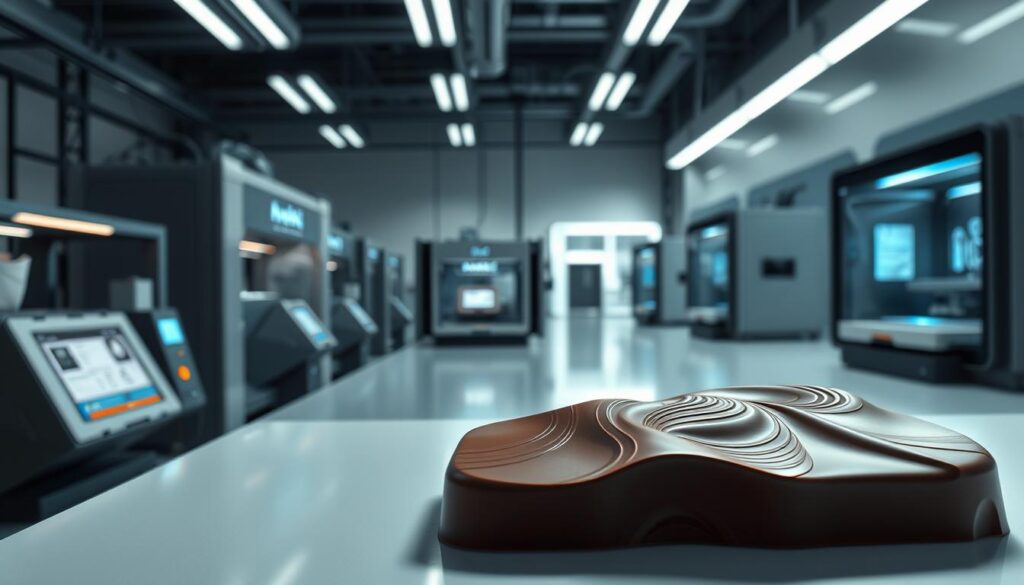
By carefully controlling the ingredients and the 3D printing process, you can create chocolates that not only taste exquisite but also change shape in response to their environment, making each dessert a unique experience.
In the realm of 4D food tech, precision nozzle engineering for viscous cocoa is a game-changer. You are about to explore how this technology is revolutionizing chocolate printing.
The process involves several critical steps. You need to understand how to handle the viscous cocoa mixture and engineer the nozzle to achieve the desired print quality. Here are the steps to optimize the nozzle design and temperature control mechanisms:
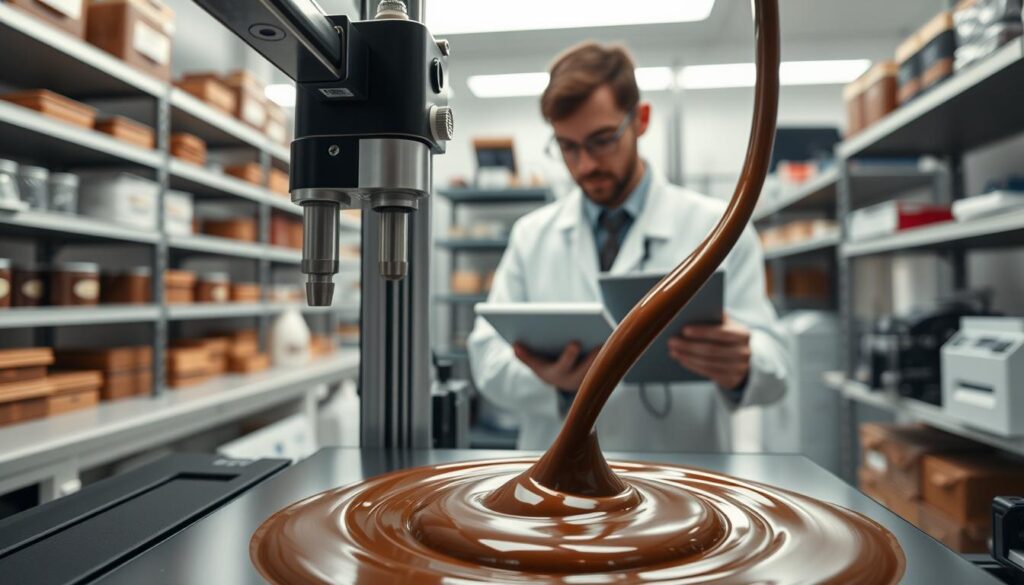
The temperature control mechanism is critical because the viscosity of the chocolate changes with temperature. By adjusting the temperature, you can achieve the perfect viscosity for printing. This is where temperature triggers come into play, allowing you to control the flow of the chocolate.
To achieve high-quality prints, you need to understand the interplay between nozzle design, temperature control, and material preparation. By mastering these elements, you can produce intricate designs with precision.
The applications of this technology are vast, ranging from luxury patisserie to customized chocolate products. As you continue to explore the possibilities of 4D chocolate printing, you will discover new ways to innovate and create.
The integration of 4D food technology in luxury patisserie is creating a new frontier for culinary innovation. You can now design desserts that not only dazzle the palate but also offer a dynamic experience through hydro-responsiveness. This means you can craft chocolates that change texture or form in response to moisture, adding an interactive element to your creations.
To incorporate this technology into your patisserie, start by understanding the basics of hydro-responsiveness. This involves programming your chocolate creations to react to environmental changes, such as humidity. For instance, you can design a chocolate flower that blooms when it comes into contact with a customer’s warm breath or a dessert that changes color when exposed to a certain level of moisture.

Here’s a simple recipe to get you started: Create a hydro-responsive chocolate shell using a combination of cocoa butter and a proprietary hydro-responsive material. Once you have your mixture, use a 4D printing nozzle to create intricate designs that will change shape or form when exposed to moisture. For example, you can create a chocolate cup that unfolds into a flower shape when it comes into contact with a liquid.
To take your creations to the next level, consider the following tips:
By embracing 4D food tech and hydro-responsiveness, you can elevate your luxury patisserie to new heights, offering customers a truly unique and dynamic culinary experience.
As you transition your 3D chocolate printing operation from the lab to commercial production, scaling becomes a critical factor. You must ensure that the quality and consistency of your chocolate creations are maintained across larger batches.
To achieve this, you need to scale up not just the 3D printing technology but also refine your recipe and processes. A key aspect of this is understanding the composition of your chocolate. The table below outlines a sample recipe using Baker’s percentage, a common method in baking and chocolate making.
Here’s a sample recipe for 3D printing chocolate:
| Ingredient | Baker’s Percentage (%) |
|---|---|
| Cocoa Solids | 60 |
| Sugar | 30 |
| Cocoa Butter | 10 |
By adjusting the Baker’s percentage, you can fine-tune your chocolate recipe for optimal 3D printing performance. Successful scaling of your 3D printing operation will enable your luxury patisserie to meet the demands of a wider market, leveraging the unique capabilities of 3D printing technology.