All the world of cacao in one click.

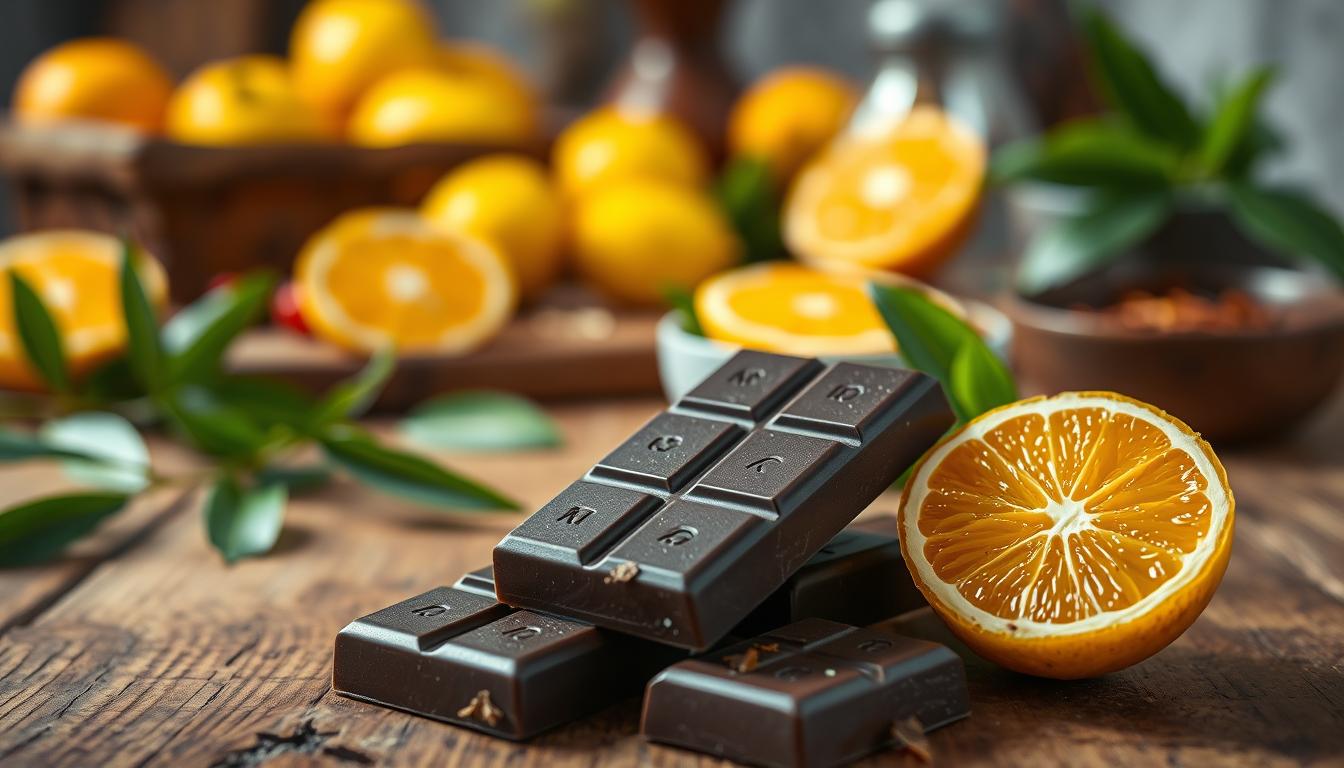
Explore the "East-West" Flavor Bridge with our expert tutorial on 5 essential cooking techniques.
Imagine a dessert that seamlessly blends the vibrant flavors of Eastern cuisine with the sophistication of Western baking techniques. This innovative culinary concept is particularly appealing to Gen Z, who crave unique and exciting taste experiences.
One such creation is a chocolate dessert paired with Calamansi, a citrus fruit commonly used in Filipino cuisine, offering a fascinating contrast of flavors. By combining the richness of chocolate with the tanginess of Calamansi, along with the savory depth of Miso and the earthy sweetness of Ube, we create a truly distinctive dessert.
This unique fusion not only tantalizes the taste buds but also represents a culinary bridge between cultures. As you explore this “East-West” flavor bridge, you’ll discover how traditional ingredients can be reimagined in modern desserts, creating a fresh and exciting culinary experience.
To craft the perfect ‘East-West’ dessert, understanding the ingredients and their proportions is crucial. The baker’s percentage, a fundamental concept in baking, allows you to scale recipes up or down while maintaining the delicate balance of ingredients.
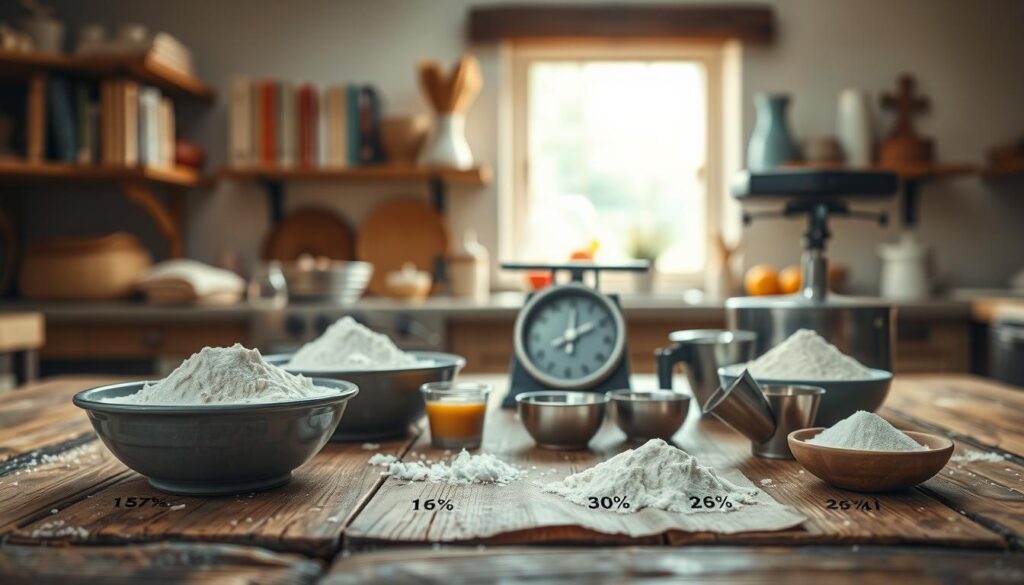
The foundation of your ‘East-West’ dessert includes high-quality chocolate and flour. These ingredients provide the structure and texture that your dessert needs. High-quality chocolate contributes to the richness and depth of flavor, while flour gives your dessert its necessary structure.
To give your dessert its unique ‘East-West’ flavor, you’ll rely on Miso and Ube. Miso adds a savory depth, while Ube contributes a vibrant purple color and a nutty, slightly sweet flavor. These ingredients work together to create a complex and intriguing taste profile.
| Ingredient | Baker’s Percentage |
|---|---|
| Flour | 100% |
| Chocolate | 60% |
| Miso | 10% |
| Ube | 15% |
| Sugar | 80% |
Depending on your preferences, you can customize your ‘East-West’ dessert with optional add-ins. Nuts, dried fruits, or even a hint of citrus zest can enhance the flavor and texture. These add-ins allow you to personalize the dessert to suit your taste or to accommodate different dietary needs.
By understanding the role of each ingredient and using the baker’s percentage, you can confidently create a unique ‘East-West’ dessert that is both delicious and visually appealing.
For a dessert that resonates with Gen Z’s love for innovative flavors, such as pairing chocolate with Calamansi, careful preparation is key. Before you begin, it’s essential to understand the steps involved in creating this unique dessert.
To start, you’ll need a few essential pieces of equipment. These include:
Prepping the ingredients involves measuring them out according to your Baker’s percentage table. This step is crucial for achieving the right balance of flavors and textures. Here’s a simple guide:
| Ingredient | Baker’s Percentage | Actual Weight |
|---|---|---|
| Flour | 100% | 500g |
| Sugar | 60% | 300g |
| Cocoa Powder | 20% | 100g |
When mixing, techniques such as creaming or folding are crucial for achieving the right texture. Creaming involves blending butter and sugar until light and fluffy, while folding involves gently combining wet and dry ingredients to preserve texture.
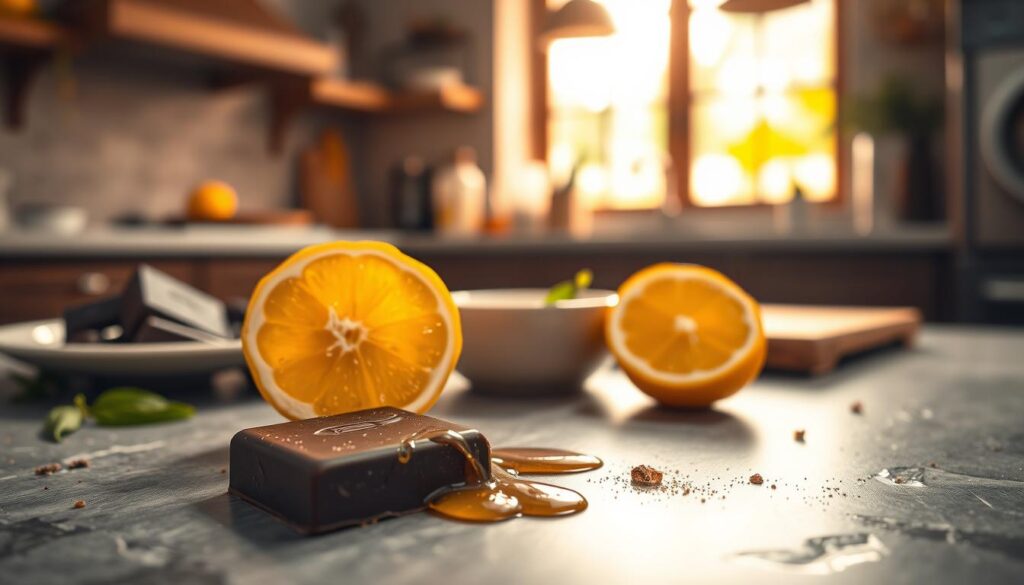
By following these preparation steps and techniques, you’ll be well on your way to creating a unique dessert that combines the richness of chocolate with the zest of Calamansi, a flavor combination that is particularly appealing to Gen Z.
Creating the base is a crucial step that involves mixing the right proportions of dry and wet ingredients. This foundational layer is where you can incorporate unique flavors like Ube to give your dessert a distinct twist.
To start, you’ll need to combine your dry ingredients, which typically include flour, sugar, and any other dry flavor enhancers you’re using. For a dessert that incorporates Ube, you might also add a hint of purple yam powder to intensify the flavor and color.
Once your dry ingredients are well mixed, it’s time to incorporate the wet ingredients. This includes eggs, milk, and any other liquid flavor enhancers. For an Ube dessert, you might use coconut milk to add richness and a subtle coconut flavor.
| Wet Ingredient | Quantity |
|---|---|
| Eggs | 3 large eggs |
| Coconut Milk | 1 cup |
| Ube Extract | 1 teaspoon |
Achieving the perfect consistency is crucial, whether you’re making a batter or dough. For an Ube dessert, you want the mixture to be smooth and vibrant, with a deep purple color. Adjust the consistency by adding more liquid or dry ingredients as needed.
As a renowned pastry chef once said,
“The key to a great dessert is in the balance of flavors and the texture.”
Ensuring your base has the right consistency is the first step towards achieving that balance.
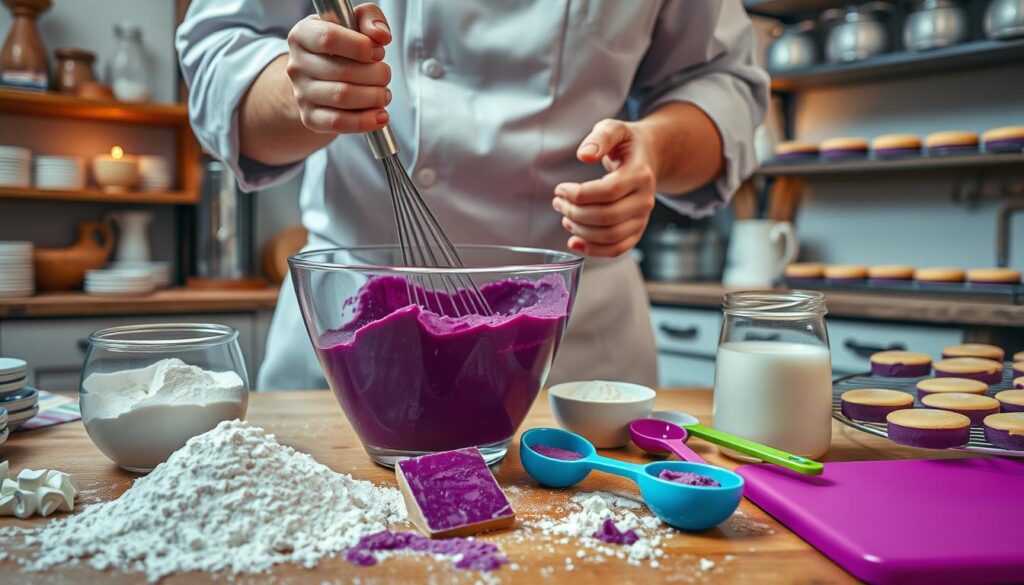
By carefully combining your dry and wet ingredients and adjusting the consistency, you’ll create a robust base for your dessert that’s both flavorful and visually appealing. Don’t be afraid to experiment with different proportions of ingredients to find your perfect blend.
To elevate your dessert, focus on developing a rich and balanced flavor profile. This involves employing various techniques to create a complex and engaging taste experience.
Seasoning is a critical step in flavor development. It involves adding ingredients that enhance the overall taste of your dessert. For instance, a pinch of salt can significantly enhance the sweetness and other flavors. Here are some steps to follow:
Marinating ingredients like nuts or fruit can add a profound depth to your dessert. This technique involves soaking the ingredients in a flavored liquid to infuse them with taste. To marinate effectively:
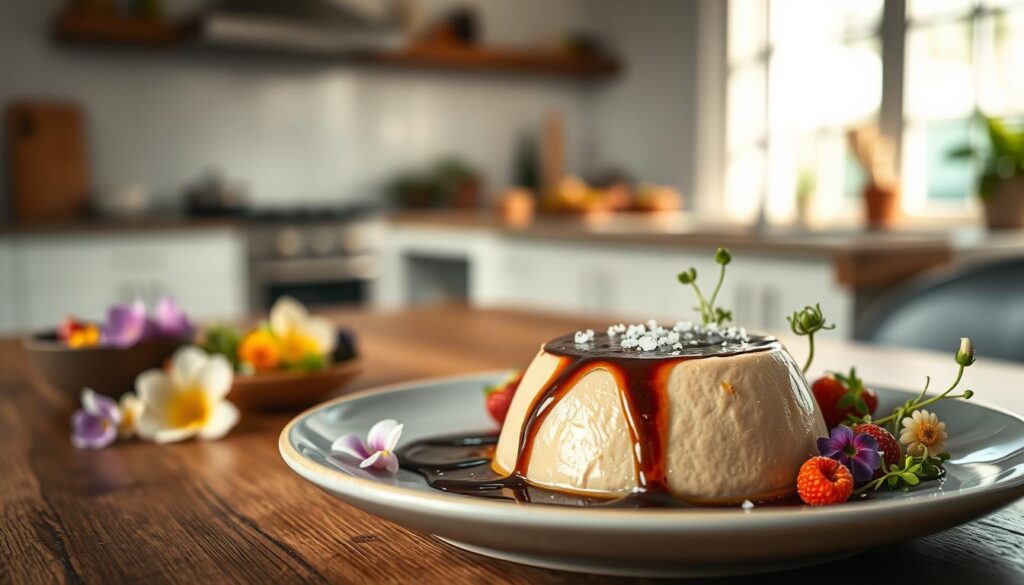
Achieving a balance between sweet and savory flavors is crucial for a harmonious dessert experience. Using ingredients like Miso paste can add a savory element that complements the sweetness. To balance these flavors:
By following these techniques, you can create a dessert that is both complex and balanced, offering a memorable taste experience.
To bring out the best flavors in your chocolate and Calamansi dessert, consider the cooking technique. The cooking method can significantly impact the final texture and flavor of your dessert, making it crucial to choose the right approach.
When pairing chocolate with Calamansi, you can use various cooking techniques to achieve the desired outcome. Baking is a popular method that allows for even heating and can help to balance the flavors. Alternatively, tempering chocolate can add a smooth and glossy finish to your dessert.
Temperature control is vital when working with chocolate and Calamansi. Whether you’re using a conventional oven or a specialized chocolate tempering machine, setting the right temperature is crucial. For baking, preheat your oven to the recommended temperature, usually between 325°F to 375°F. For tempering chocolate, aim for a temperature range of 105°F to 115°F for melting, then cool it down to around 82°F before reheating it to the working temperature.
Timing is also critical when cooking with chocolate and Calamansi. Overcooking can lead to a bitter flavor and an unpleasant texture. Keep a close eye on your dessert as it cooks, and use a timer to ensure you achieve the perfect doneness. For baked goods, this might mean checking on them a few minutes before the recommended baking time is complete.
Making your dessert visually appealing is crucial, as Gen Z places a high value on the aesthetic of their food. A well-presented dessert not only looks appetizing but also becomes Instagram-worthy, encouraging shares and likes.
The way you plate your dessert can significantly impact its appeal. Here are some popular plating styles to consider:
Choose a style that complements the flavor and texture of your dessert.
Garnishes can elevate the visual appeal of your dessert. Consider using:
Remember, the garnish should enhance the dessert’s appearance without overpowering its flavor.
How you serve your dessert can also impact its appeal. Here are some suggestions:
| Serving Style | Description | Beverage Pairing |
|---|---|---|
| Unique Dishes | Use distinctive serving dishes to add character. | Coffee or Tea |
| Garnished Beverages | Pair your dessert with a complementary drink. | Fresh Juice or Soda |
Experiment with different serving styles to find what works best for your dessert.
Elevate your dessert experience by pairing your Ube or Miso creations with complementary dishes and beverages. The right pairing can enhance the flavors and textures of your desserts, creating a memorable dining experience.
When it comes to pairing Ube desserts, consider complementary dishes that share similar flavor profiles or textures. For instance, Ube ice cream pairs well with mochi or coconut-based desserts, as the creamy texture and sweetness complement each other.
Beverages can also be paired with Ube and Miso desserts to create a harmonious flavor experience. For Ube desserts, a strong coffee or a tea with floral notes can provide a delightful contrast.
Side dishes can add another layer of complexity to your dessert course. For Miso-based desserts, savory side dishes can provide a fascinating contrast. Consider serving Miso cheesecake with a side of caramelized nuts or a fruit chutney.
By thoughtfully pairing your Ube and Miso desserts with complementary dishes, beverages, and side dishes, you can create a sophisticated and memorable dessert experience that will leave a lasting impression on your guests.
The way you store your chocolate and Calamansi dessert can significantly impact its overall quality and shelf life. Proper storage is essential to maintaining the flavor and texture of your dessert.
For short-term storage, you can keep your dessert in an airtight container at room temperature or in the refrigerator. If you plan to consume it within a day or two, room temperature is acceptable. However, if it will take longer, refrigeration is recommended to prevent spoilage.
Tips for Short-term Storage:
For longer preservation, freezing is a viable option. Freezing will help maintain the dessert’s quality over a more extended period. When you’re ready to serve, you can thaw the dessert in the refrigerator or at room temperature.
Freezing Tips:
If your dessert is best served warm, reheating it properly is crucial. The reheating method may vary depending on the type of dessert you’ve made.
| Reheating Method | Dessert Type | Temperature | Time |
|---|---|---|---|
| Oven | Cakes, Custards | 300°F (150°C) | 5-10 minutes |
| Microwave | Mousse, Creams | Low Power | 10-15 seconds |
| Water Bath | Cheesecakes, Panna Cotta | Warm Water | Until warmed through |
As you finalize your “East-West” Flavor Bridge dessert, remember that the key to its success lies in balancing unique flavors like Ube and Miso. This dessert is sure to intrigue Gen Z’s taste buds, who are always on the lookout for innovative culinary experiences.
Recapping the essential elements, you’ve learned how to combine ingredients, prepare the dessert, and present it appealingly. The use of Ube and Miso adds a fascinating twist that can elevate your dessert to the next level.
To ensure your dessert is a hit, focus on achieving the perfect consistency and balance of flavors. Don’t be afraid to experiment with different pairings and ingredients to make the dessert your own.
As you gain confidence in your dessert-making skills, consider introducing new flavors or ingredients to keep your creations fresh and exciting. The “East-West” Flavor Bridge is just the beginning of your culinary journey, and with Ube and Miso as your guides, you’re well on your way to creating desserts that will captivate Gen Z’s adventurous spirit.