All the world of cacao in one click.


Master 7 critical steps to weathering the Cocoa Crisis and ensuring your business thrives.
Navigating the complexities of the cocoa crisis requires a robust strategy that balances quality and cost. As a professional in the cocoa industry, you’re likely aware of the challenges posed by fluctuating pricing models.
To help you thrive, we’ll guide you through a comprehensive approach, presented in a clear and actionable format, much like a professional recipe.
Just as a recipe requires precise ingredients and steps, your cocoa crisis strategy demands a thorough understanding of the market landscape and cost-effective solutions.
Understanding the cocoa market landscape is pivotal for businesses aiming to thrive in the chocolate industry. The cocoa market is a complex system influenced by various factors, including supply and demand dynamics, weather conditions, and global economic trends.
Cocoa prices are volatile and can be affected by several key factors. Supply and demand imbalances are a primary driver, with fluctuations in cocoa bean production impacting global prices. Weather conditions, such as droughts or excessive rains, can significantly affect crop yields.
Economic trends, including currency fluctuations and trade policies, also play a crucial role. For instance, changes in tariffs or trade agreements can alter the cost of importing cocoa beans.
| Factor | Impact on Cocoa Prices |
|---|---|
| Supply and Demand | High demand and low supply increase prices |
| Weather Conditions | Adverse weather can reduce crop yields, increasing prices |
| Global Economic Trends | Currency fluctuations and trade policies can affect import costs |
Sustainability is becoming increasingly important in cocoa production. Eco-friendly practices not only help protect the environment but also improve the quality of cocoa beans. Sustainable farming methods can lead to better crop yields and higher quality beans.
Consumers are driving demand for sustainably sourced cocoa, making it essential for businesses to adopt and promote sustainable practices throughout their supply chains.
A well-formulated cocoa strategy starts with the basics: understanding the ingredients that contribute to your product’s overall profile. Your recipe’s composition is crucial in determining the final product’s quality, cost, and consumer appeal.
To develop a competitive cocoa strategy, you need to identify and understand the key ingredients in your recipe. The primary components in cocoa processing include cocoa beans, sugar, and milk (if applicable).
The quality and proportion of these ingredients significantly impact your final product. Understanding the Baker’s percentage method is vital for creating a consistent and high-quality product.
The Baker’s percentage is a method of expressing the proportion of ingredients in a recipe relative to the total flour weight (or in the case of cocoa products, the total cocoa beans weight). This method allows for easy scaling of recipes and ensures consistency across different batch sizes.

Here’s an example of how to formulate a cocoa recipe using the Baker’s percentage method:
| Ingredient | Weight (g) | Baker’s Percentage (%) |
|---|---|---|
| Cocoa Beans | 1000 | 100 |
| Sugar | 600 | 60 |
| Milk Powder | 200 | 20 |
| Cocoa Butter | 300 | 30 |
By using the Baker’s percentage method, you can easily adjust your recipe to meet specific requirements or to experiment with new formulations. This flexibility is crucial in developing a cocoa strategy that balances quality and cost.
Understanding the role of each ingredient and how they interact is key to crafting a successful cocoa strategy. By carefully selecting and proportioning your ingredients, you can create a product that stands out in the market while maintaining profitability.
The key to a successful cocoa strategy lies in developing a cost-effective recipe that doesn’t compromise on quality. This involves a thorough analysis of production costs and implementing strategies to reduce waste in cocoa processing.
To analyze production costs effectively, you need to break down the costs into different components. Here are the steps to follow:
| Cost Component | Description | Estimated Cost |
|---|---|---|
| Raw Materials | Cocoa beans and other ingredients | $X per unit |
| Labor | Processing, packaging, and distribution | $Y per hour |
| Overheads | Energy, water, and equipment maintenance | $Z per month |
Reducing waste is crucial for a cost-effective recipe. Here are some strategies to minimize waste:
By implementing these strategies, you can significantly reduce waste and lower production costs, making your recipe more cost-effective.
To succeed in the competitive cocoa market, businesses must strike a balance between maintaining high-quality products and controlling costs. This delicate balance is crucial for long-term success and involves several key strategies.
Using high-quality ingredients is fundamental to producing superior cocoa products. Quality ingredients not only enhance the flavor and texture of your products but also contribute to their overall appeal and marketability. Sourcing the finest cocoa beans and other ingredients is essential, even when faced with the challenge of handling the 2026 raw material volatility.
The quality of your ingredients directly impacts your brand’s reputation and customer loyalty. Therefore, investing in quality ingredients is not just a cost; it’s a strategic decision that can drive business growth and profitability.

Reducing costs without compromising on quality is a significant challenge. One effective strategy is to optimize production processes, making them more efficient and less wasteful. This can involve adopting new technologies or refining existing manufacturing techniques.
Another approach is to source ingredients from sustainable suppliers. Not only can this reduce costs, but it also enhances your brand’s image by demonstrating a commitment to sustainability and ethical practices. Additionally, investing in quality control measures can help minimize waste and reduce the need for costly rework or product recalls.
By implementing these strategies, businesses can achieve a balance between quality and cost, ensuring they remain competitive while maintaining the high standards that their customers expect.
To produce high-quality cocoa, mastering the fermentation process is essential. The fermentation process is a critical step in developing the unique flavor and quality of cocoa beans. It involves a series of biochemical reactions that break down the complex compounds in the beans, resulting in the development of the flavor and aroma.
There are several fermentation techniques used in cocoa production, including box fermentation, heap fermentation, and tray fermentation. Each method has its advantages and disadvantages, and the choice of technique depends on factors such as the scale of production, equipment availability, and desired flavor profile.
Box fermentation is a popular method that involves fermenting cocoa beans in wooden boxes. This method allows for good aeration and temperature control, resulting in a more consistent flavor. Heap fermentation, on the other hand, involves fermenting the beans in a heap, which can be less controlled but is often used for smaller-scale productions.
Successful fermentation depends on several key factors, including temperature control, aeration, and monitoring fermentation duration. Temperature control is crucial as it affects the rate of biochemical reactions. Aeration is also important to prevent the growth of unwanted microorganisms. Monitoring the fermentation duration ensures that the beans are fermented for the optimal amount of time to develop the desired flavor.
By understanding and controlling these factors, you can achieve successful fermentation and produce high-quality cocoa beans. This, in turn, can impact your pricing models, as high-quality cocoa commands a premium price in the market.
To stay ahead in the cocoa market, companies must leverage data analytics to guide their strategies. This involves understanding market trends, consumer preferences, and competitor activity to make informed decisions.
Market analytics is crucial for understanding the dynamics of the cocoa market. By analyzing data on supply and demand, companies can predict price fluctuations and adjust their strategies accordingly. For instance, a report by the International Cocoa Organization (ICCO) provides valuable insights into global cocoa production and consumption patterns.
“The use of data analytics in the cocoa industry enables businesses to respond to market changes more effectively, thereby gaining a competitive edge.”
Utilizing market analytics tools, businesses can gain a deeper understanding of market trends. This includes analyzing data from various sources such as market reports, consumer surveys, and social media.
| Market Trend | Data Source | Insight |
|---|---|---|
| Supply and Demand | ICCO Reports | Predicting price fluctuations |
| Consumer Preferences | Consumer Surveys | Understanding buying behavior |
| Competitor Activity | Market Research Reports | Analyzing market share |
Consumer trends play a significant role in shaping the cocoa market. The growing demand for sustainable and ethically sourced cocoa products is a key trend that businesses must respond to. By analyzing consumer data, companies can identify emerging trends and adjust their product offerings accordingly.

For example, the rise of veganism and plant-based diets has led to an increase in demand for cocoa products that are free from animal-derived ingredients. Companies that adapt to such trends by offering suitable products can capitalize on new market opportunities.
By combining market analytics with an understanding of consumer trends, businesses in the cocoa industry can make data-driven decisions that drive growth and profitability.
Creating a signature cocoa flavor involves understanding the intricacies of flavor components and experimenting with various ingredients. Your cocoa products’ flavor profile is a critical component of their overall appeal to consumers.
The flavor profile of cocoa is influenced by several factors, including the origin of the cocoa beans, the fermentation process, and the roasting technique. Flavor components can range from fruity and floral notes to nutty and caramel undertones. Understanding these components is essential for crafting a unique and appealing flavor profile.
To analyze the flavor profile of your cocoa products, consider using a flavor profiling technique. This involves identifying the distinct flavor notes and assessing their intensity. By doing so, you can make informed decisions about how to adjust your processing techniques to achieve the desired flavor profile.
Experimenting with different ingredients is a crucial step in developing a distinctive cocoa flavor profile. This can involve adjusting the ratio of cocoa to sugar, adding different spices or flavorings, or incorporating other ingredients such as nuts or fruit. Creativity and experimentation are key to finding the perfect balance of flavors that will appeal to your target market.
When experimenting with ingredients, it’s essential to keep in mind the potential impact on production costs and the overall quality of the final product. By carefully balancing flavor components and production costs, you can create a unique and appealing cocoa flavor profile that will help you stand out in a competitive market and handle the 2026 raw material volatility.
To further refine your cocoa flavor profile, consider the following strategies:
Crafting a marketing strategy for your cocoa products begins with identifying your target audience and creating a compelling brand narrative. Understanding who your customers are, what they value, and how they perceive your brand is crucial for developing effective marketing strategies.
To market your cocoa products successfully, you need to understand your ideal customer. This involves segmenting your market to identify specific groups that are likely to be interested in your products. Consider factors such as demographics, preferences, and purchasing behavior to create detailed customer profiles.
For instance, you might target health-conscious consumers who are looking for sustainable and ethically sourced cocoa products. Alternatively, your target audience might be gourmet chefs or chocolatiers seeking high-quality cocoa for their creations. By understanding your target audience, you can tailor your marketing efforts to resonate with them.
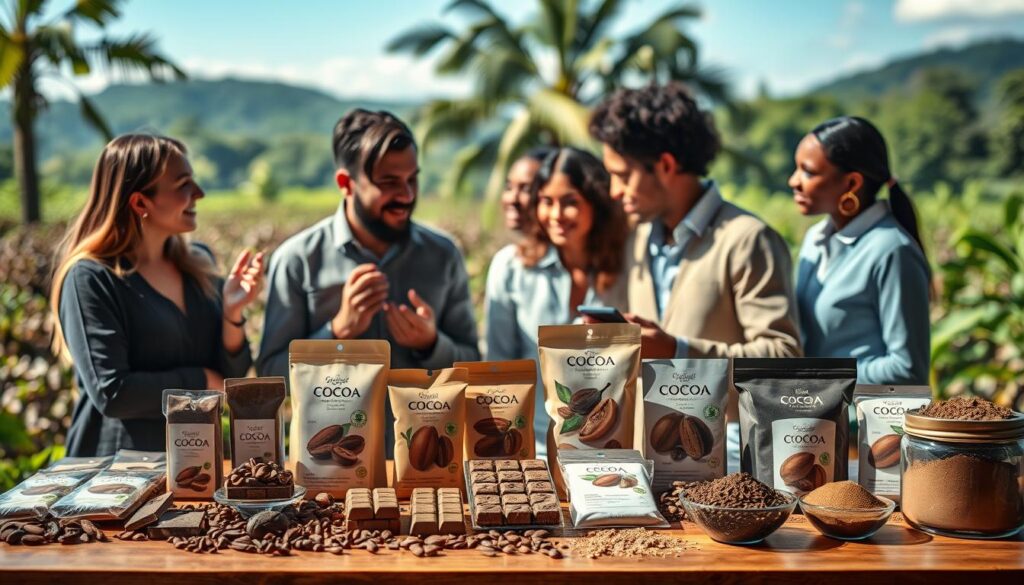
Once you have identified your target audience, the next step is to craft a brand message that speaks to them. Your brand message should communicate the unique value proposition of your cocoa products and differentiate you from competitors. Consider what sets your products apart, whether it’s the quality of the cocoa, the sustainability of your sourcing practices, or the unique flavor profiles you offer.
Developing a strong brand identity involves more than just a logo or tagline; it’s about creating a narrative that connects with your audience on an emotional level. Use storytelling techniques to highlight the journey of your cocoa from farm to table, and emphasize the care and craftsmanship that goes into your products.
Your brand message should be consistent across all marketing channels, from your website and social media to packaging and advertising. By maintaining a cohesive brand voice and visual identity, you can build recognition and trust with your target audience.
Pricing models also play a critical role in your marketing strategy. You need to determine a pricing structure that reflects the value of your cocoa products while remaining competitive in the market. Consider factors such as production costs, market demand, and consumer willingness to pay when setting your prices.
The foundation of a resilient cocoa supply chain lies in the partnerships you create with farmers. As you navigate the complexities of the cocoa market, fostering strong relationships with cocoa farmers is crucial for ensuring a sustainable and high-quality cocoa supply.
By building these partnerships, you can better navigate the challenges of the cocoa industry, including the anticipated raw material volatility in 2026. Strong partnerships enable you to work closely with farmers to improve their livelihoods and the quality of their cocoa beans.
Direct trade practices allow you to establish direct relationships with cocoa farmers, cutting out intermediaries and ensuring that farmers receive a fairer price for their beans. This approach not only improves farmer livelihoods but also gives you greater control over the quality of the cocoa beans you source.
Ethical sourcing is critical for ensuring that your cocoa supply chain is both sustainable and responsible. By adopting ethical sourcing practices, you can help to promote fair labor practices, protect the environment, and support the well-being of cocoa farming communities.
Some key aspects of ethical sourcing include:
By prioritizing ethical sourcing and direct trade practices, you can build a more resilient and sustainable cocoa supply chain that benefits both your business and the farmers you work with.
To succeed in the cocoa industry, you must be adept at navigating the myriad regulatory challenges that affect food safety standards and compliance. The cocoa industry is heavily regulated, and understanding these regulations is crucial for maintaining a competitive edge and ensuring the quality of your products.
Food safety standards are a critical aspect of regulatory compliance in the cocoa industry. You need to be aware of the regulations governing cocoa production, processing, and distribution to ensure that your products meet the required standards. This includes adhering to guidelines on contamination control, proper handling practices, and storage conditions.
Implementing a robust food safety management system can help you identify potential risks and take corrective actions. This not only ensures compliance with regulatory requirements but also enhances your brand’s reputation and builds trust with consumers.
Compliance in cocoa production involves more than just meeting food safety standards; it also encompasses environmental and social responsibility. You should be aware of regulations related to sustainable sourcing, fair labor practices, and environmental protection. By adopting sustainable practices, you can reduce your environmental footprint and contribute to a more equitable cocoa supply chain.
To maintain compliance, it’s essential to stay informed about changing regulations and industry standards. Regular audits and training programs can help ensure that your operations are aligned with the latest requirements, mitigating the risk of non-compliance and associated penalties.
By understanding and navigating these regulatory challenges effectively, you can protect your business, enhance your brand’s reputation, and contribute to a more sustainable and equitable cocoa industry.
As you navigate the complexities of the cocoa market, evaluating the success of your strategy is crucial for long-term sustainability. This involves tracking key performance metrics that provide insights into your business’s performance and identifying areas for improvement.
To effectively evaluate your cocoa strategy, focus on metrics such as production costs, quality control, and customer satisfaction. Monitoring these indicators will enable you to make data-driven decisions and optimize your strategy to handle future challenges, including the anticipated 2026 raw material volatility.
Continuous improvement is essential for staying competitive in the cocoa industry. By regularly assessing your operations and implementing changes as needed, you can enhance efficiency, reduce waste, and improve overall performance. This proactive approach will help you adapt to changing market conditions and consumer trends.
By regularly evaluating your success and implementing continuous improvement processes, you can refine your cocoa strategy and drive business growth.