All the world of cacao in one click.

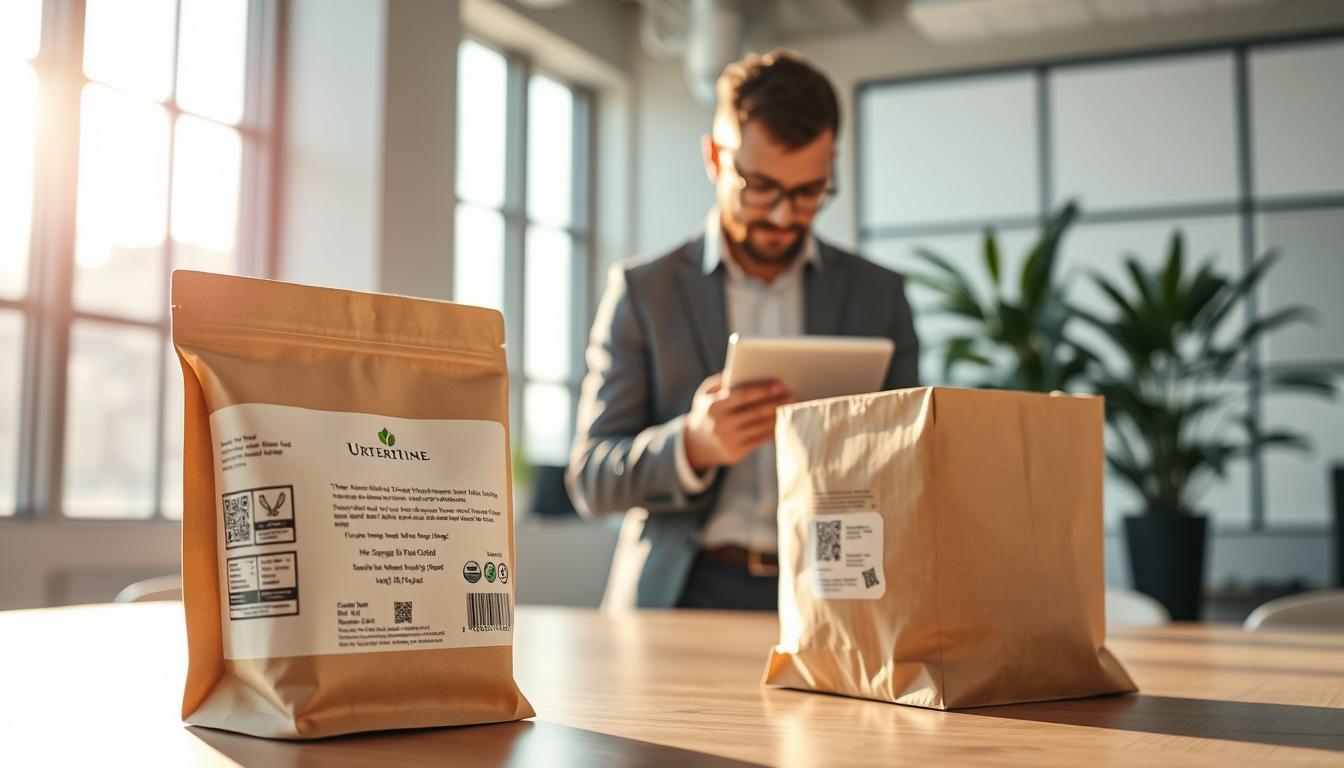
Learn how to create 8 phygital packaging solutions that blend physical and digital experiences for your brand.
Creating successful phygital packaging is akin to baking a cake using a professional recipe. You need the right ingredients, the right process, and the right technology. Just as a baker combines specific ingredients in precise measurements, you need to blend physical and digital elements harmoniously.
To achieve packaging success, you’ll need to integrate technology like AR codes, choose sustainable materials, and design for engagement. By following a structured process, you can create phygital packaging that stands out and provides a unique experience for your customers.
The concept of phygital packaging is transforming the retail industry by providing customers with a more immersive and interactive experience. As we explore this innovative approach, it’s essential to understand its core components and benefits.
Phygital packaging refers to the integration of physical packaging with digital technologies to create a seamless and engaging customer experience. This is achieved through the use of technologies such as QR codes, NFC, and AR codes, which connect the physical product to the digital world.
By doing so, businesses can offer customers real-time information about their products, such as the origin, production process, and environmental impact. For instance, a chocolate company can use phygital packaging to share the journey of their cocoa beans from farm to table, enhancing Bean-to-Bar transparency.
In modern retail, phygital packaging is gaining significance as it addresses the evolving expectations of consumers. Customers are no longer just looking for products; they are seeking experiences and connections with the brands they choose.
Phygital packaging allows businesses to stand out in a crowded market by providing an interactive and memorable experience. It also enables companies to gather valuable data on customer interactions, helping to refine marketing strategies and improve customer satisfaction.
The key to successful phygital packaging lies in its ability to seamlessly merge physical and digital elements. Here are the steps involved in achieving this:
By following these steps, businesses can create phygital packaging that not only enhances customer engagement but also fosters brand loyalty and trust.
The journey to creating effective phygital packaging begins with selecting sustainable materials. This crucial step not only benefits the environment but also enhances your brand’s image and appeal to eco-conscious consumers.
Sustainable materials are those that have a lower environmental impact throughout their lifecycle. Common types include:
These materials can be used individually or in combination to achieve the desired packaging characteristics. For instance, a packaging solution might be composed of 70% recycled paper and 30% bioplastic, providing both durability and sustainability.
| Material | Percentage | Benefits |
|---|---|---|
| Recycled Paper | 70% | Reduces waste, conserves natural resources |
| Bioplastic | 30% | Biodegradable, made from renewable resources |
Sourcing sustainable materials requires careful consideration of several factors, including availability, cost, and the environmental impact of transportation. You should:
By choosing the right sustainable materials and sourcing them responsibly, you lay the groundwork for successful phygital packaging that resonates with your target audience.

As you move forward with your phygital packaging, integrating technology is a crucial step. This involves choosing the right digital tools to enhance your customer’s experience.
When it comes to integrating technology, you have several options, including QR codes and NFC. QR codes are widely supported and easy to implement, making them a popular choice. On the other hand, NFC offers a more seamless experience, as it doesn’t require customers to open an app to scan a code.
The choice between QR codes and NFC depends on your target audience and the type of digital experience you want to provide. For instance, if your audience is more tech-savvy, NFC might be the better choice. However, if you’re looking for a more universally compatible option, QR codes could be the way to go.
Implementing digital features requires careful planning to ensure they enhance the user experience without complicating it. Here are the steps to follow:
By following these steps, you can effectively integrate technology into your phygital packaging and create a more engaging experience for your customers.
The key to successful phygital packaging lies in its ability to engage customers through thoughtful design. As you craft your packaging, consider the elements that will make it both visually appealing and interactive.
Effective phygital packaging design is guided by several key principles:
By balancing these principles, you can create a packaging experience that is both enjoyable and informative.
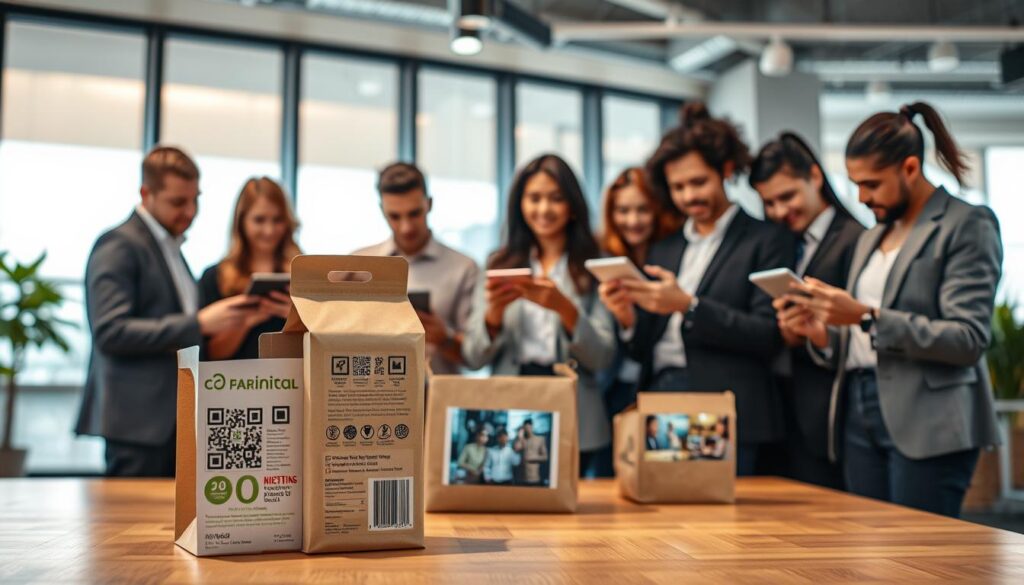
The user experience is paramount in phygital packaging. The digital elements should complement the physical packaging, making it intuitive and enjoyable to interact with. Consider the following:
By prioritizing user experience, you can create phygital packaging that not only attracts customers but also retains them by providing a memorable experience.
To create an impactful phygital packaging experience, ensuring clear branding is essential. Your packaging is often the first physical interaction a customer has with your product, making it a critical touchpoint for brand identity.
Clear branding involves more than just a logo; it’s about creating a cohesive visual and digital language that communicates your brand’s values and message. This step is crucial for differentiating your product in a competitive market.
Aligning your brand message with the design elements of your phygital packaging is vital. Here are the steps to achieve this alignment:
By following these steps, you can create a seamless brand experience that resonates with your audience.
Consistency is key to reinforcing your brand identity. Every interaction a customer has with your packaging should reflect your brand’s values and message. Here’s how to maintain consistency:
| Element | Description | Benefit |
|---|---|---|
| Visual Identity | Consistent use of logos, colors, and typography | Recognizability and trust |
| Digital Features | QR codes, NFC, and other digital elements | Enhanced customer engagement |
| Messaging | Clear and consistent brand messaging | Stronger brand recall |
By maintaining consistency across all touchpoints, you can strengthen your brand’s presence in the market and build a loyal customer base.
Before finalizing your packaging design, it’s vital to create a prototype to assess its physical and digital aspects. This step allows you to evaluate how your packaging will look and function in real-world scenarios.
Prototyping involves creating a mockup or sample of your packaging. This can be done using various prototyping tools, ranging from simple design software like Adobe Illustrator to more advanced technologies such as 3D printing.
Several tools are available for creating packaging prototypes. Design software is useful for creating digital models, while 3D printing and cardboard mockups can provide physical samples. The choice of tool depends on the complexity of your packaging design and the level of detail you need to test.
| Prototyping Tool | Use Case | Cost |
|---|---|---|
| Adobe Illustrator | Digital design and mockups | $20/month |
| 3D Printing | Physical prototypes | $100-$500 per print |
| Cardboard Mockups | Simple physical prototypes | $5-$50 |
Design testing is a critical phase where you assess the usability and functionality of your packaging prototype. This involves gathering feedback from a small group of users to identify any areas for improvement.
To illustrate the importance of ingredient ratios in packaging design, consider the baker’s percentage, a method used to formulate recipes. The table below demonstrates how different ingredients are proportioned.
| Ingredient | Baker’s Percentage (%) |
|---|---|
| Flour | 100 |
| Water | 60 |
| Yeast | 2 |
| Salt | 1.5 |
| Sugar | 1 |
By testing your packaging design with real users, you can refine it to better meet consumer needs and preferences. This step is crucial in ensuring that your final product is both functional and appealing.
To create effective phygital packaging, understanding your customers’ needs through feedback is crucial. Gathering feedback allows you to refine your packaging based on real user experiences, ensuring it meets consumer expectations and enhances user engagement.
Consumer feedback provides valuable insights into how your target audience interacts with your packaging. It highlights what works well and what needs improvement, enabling you to make data-driven decisions.
By understanding your customers’ preferences and pain points, you can tailor your phygital packaging to better meet their needs, ultimately driving customer satisfaction and loyalty.
There are several methods to gather consumer feedback, each with its unique advantages:
Here’s a comparison of different feedback collection methods:
| Method | Advantages | Disadvantages |
|---|---|---|
| Surveys | Cost-effective, scalable | Limited depth of feedback |
| User Testing | Provides detailed user insights | Time-consuming, resource-intensive |
| Social Media Polls | Engaging, easy to implement | Limited scope, biased towards active users |
To maximize the effectiveness of your feedback collection, consider combining multiple methods to get a comprehensive view of your consumers’ needs.
By following these steps and leveraging consumer feedback, you can refine your phygital packaging to better resonate with your target audience, ultimately enhancing your brand’s connection with its customers.
The refinement stage is where you fine-tune your packaging based on the insights gathered from consumer feedback. This critical step ensures that your phygital packaging not only meets but exceeds customer expectations.
Analyzing the feedback received from your customers is crucial. It involves identifying patterns and common themes that can guide your refinement efforts. You should look for both positive reinforcement and constructive criticism to understand what aspects of your packaging are working and what areas need improvement.
Key areas to focus on during feedback analysis include:
Once you have analyzed the feedback, the next step is to make the necessary adjustments. This could involve tweaking the design, enhancing the digital features, or switching to more sustainable materials. The goal is to ensure that your packaging is not only appealing but also functional and aligned with your brand values.
Consider the following table that outlines potential refinement strategies based on common feedback themes:
| Feedback Theme | Refinement Strategy | Expected Outcome |
|---|---|---|
| Digital feature usability | Simplify QR code placement and enhance NFC functionality | Improved user experience |
| Design appeal | Update color schemes and graphics to better align with brand identity | Increased brand recognition |
| Sustainability concerns | Switch to biodegradable or recyclable materials | Enhanced eco-friendliness |
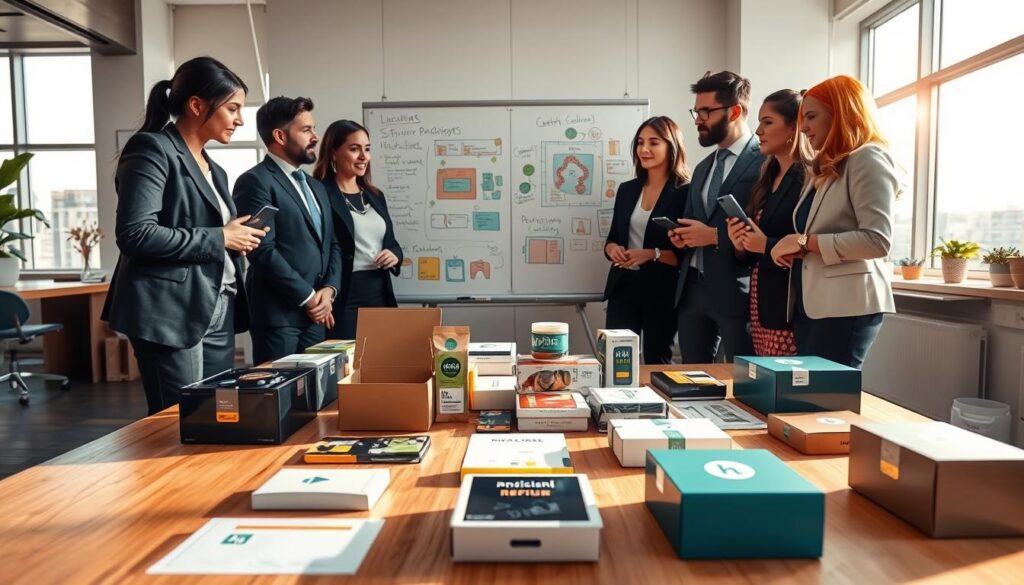
By refining your packaging based on consumer feedback, you can create a more engaging and satisfying experience for your customers, ultimately driving loyalty and growth for your brand.
To maximize impact, your phygital packaging launch needs to be both timely and well-promoted. Launching a product is a complex process that involves more than just making it available to the public; it requires a strategic approach to capture attention and drive engagement.
The timing of your launch can significantly influence its success. Consider the following steps to optimize your launch timing:
Effective marketing strategies are crucial to promoting your phygital packaging. Here are some tactics to consider:
By carefully planning the timing and marketing strategies for your phygital packaging launch, you can create a significant impact in the market. This strategic approach not only boosts visibility but also enhances customer engagement, setting your product up for long-term success.
As you explore the possibilities of phygital packaging, it’s clear that this innovative approach is revolutionizing the way businesses interact with their customers. By combining physical and digital elements, companies can create a more engaging and informative experience.
For businesses, phygital packaging offers a way to differentiate products and enhance customer engagement, ultimately driving business benefits. Consumers, on the other hand, enjoy a more interactive experience, reaping consumer benefits that enhance their overall satisfaction.
The phygital packaging future looks bright, with ongoing innovation in packaging expected to lead to even more exciting developments. As technology continues to evolve, businesses that adopt phygital packaging will be well-positioned to stay ahead of the curve and meet the changing needs of their customers, fostering a culture of innovation in packaging.