All the world of cacao in one click.

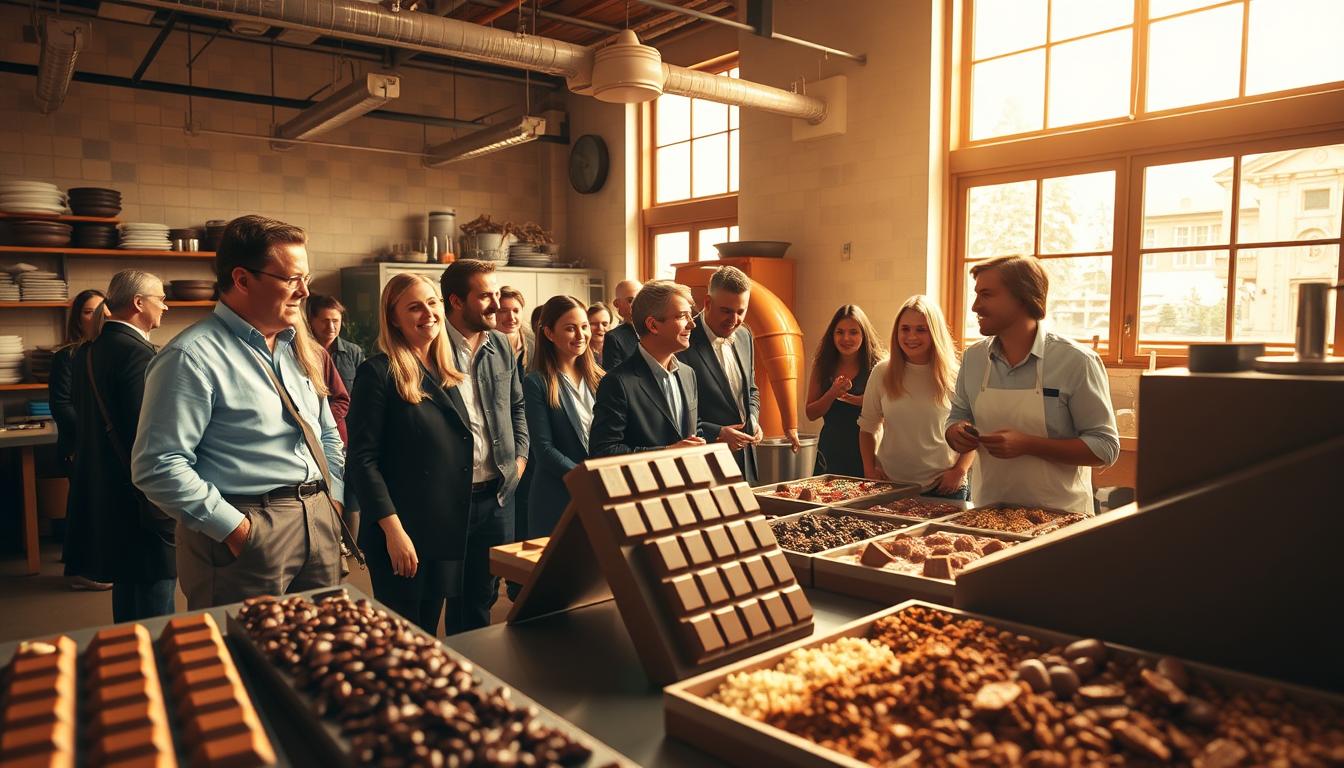
Discover the secrets of chocolate tourism in 2026. Learn 9 must-visit destinations for chocoholics.
Imagine transforming your shop floor into a thriving workshop, generating revenue while delighting customers with the art of chocolate making. Chocolate Tourism is on the rise, and by 2026, it’s expected to become a significant trend in the culinary world.
You are about to embark on a journey to create a recipe for success in this burgeoning market. By converting shop floor space into profitable workshop revenue, you can capitalize on the growing demand for chocolate tourism experiences.
This recipe will guide you through the essential ingredients and steps to create a mouth-watering experience that will leave your customers wanting more.
As you explore the realm of chocolate tourism, you’ll discover a world where flavors, traditions, and travel converge. Chocolate tourism is an emerging trend that combines the love of chocolate with the joy of travel, offering a unique culinary experience.
Chocolate tourism involves visiting destinations known for their chocolate production, learning about the chocolate-making process, and indulging in chocolate tastings. It’s an immersive experience that allows travelers to engage with local cultures and traditions.
Key aspects of chocolate tourism include:
Chocolate tourism plays a significant role in culinary exploration by introducing travelers to new flavors and culinary techniques. It enriches the travel experience by providing a deeper understanding of local gastronomy and its cultural significance.
Here are some of the top destinations for chocolate tourism:
| Destination | Known For |
|---|---|
| Belgium | High-quality chocolate, chocolate shops |
| Switzerland | Chocolate making traditions, chocolate museums |
| Italy | Gourmet chocolate, chocolate festivals |
By engaging in chocolate tourism, you’re not only treating your taste buds to a variety of flavors but also contributing to the local economies and preserving culinary traditions.
To craft exquisite chocolate creations, understanding the ingredients is crucial. The quality and proportion of these ingredients directly impact the final product’s taste, texture, and appearance.
When it comes to making chocolate creations, you need to start with the basics. The essential ingredients include high-quality chocolate, cream, sugar, and butter. Each of these components plays a vital role in the final product.
Using high-quality ingredients ensures that your chocolate creations are not only delicious but also visually appealing.
Baker’s percentage is a method of measuring ingredients based on the weight of flour (or in chocolate making, the weight of chocolate or cocoa). It’s a crucial concept for achieving consistency in your recipes.
For example, if a recipe calls for 1000 grams of chocolate and 200 grams of cream, the baker’s percentage of cream would be 20%. This method allows you to scale recipes up or down while maintaining the same ratios.
| Ingredient | Weight (grams) | Baker’s Percentage |
|---|---|---|
| Chocolate | 1000 | 100% |
| Cream | 200 | 20% |
| Sugar | 150 | 15% |
| Butter | 100 | 10% |
As shown in the table, understanding baker’s percentage helps you to accurately measure ingredients and achieve consistent results in your chocolate creations.
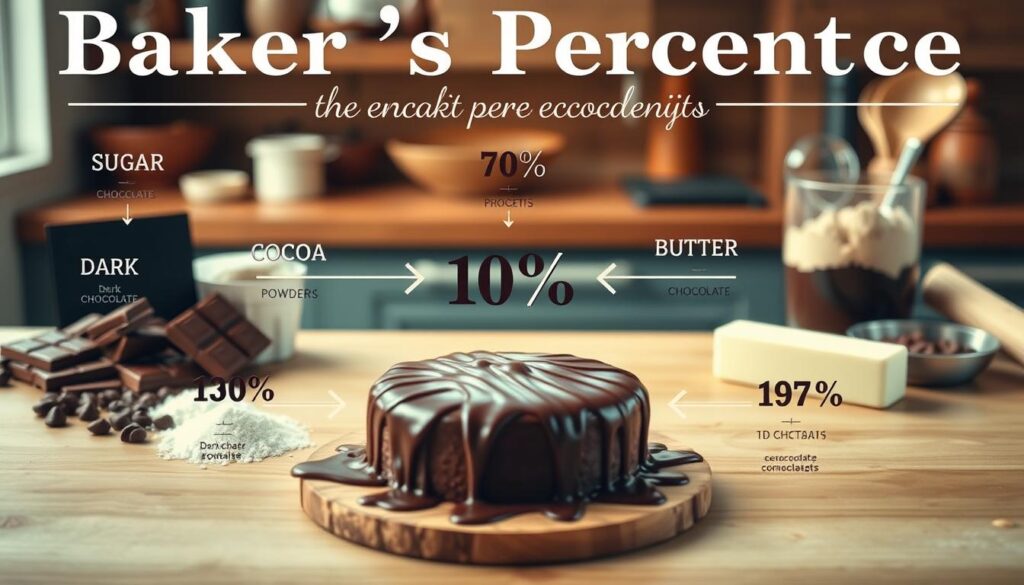
By mastering the art of using baker’s percentage, you’ll be able to experiment with different recipes and ingredient ratios, taking your chocolate creations to the next level.
The art of chocolate making requires specific equipment to achieve perfection. To create exquisite chocolate creations, you’ll need to invest in the right tools and machinery.
To get started with chocolate making, you’ll need some essential kitchen tools. These include:
These tools will help you temper, mold, and shape your chocolate creations with ease.
| Tool | Purpose |
|---|---|
| Double Boiler | Melting chocolate to the right temperature |
| Marble Slab | Cooling and working with chocolate |
| Chocolate Molds | Shaping chocolate into desired forms |
For those looking to take their chocolate-making skills to the next level, there are several optional equipment pieces to consider. These include:
By investing in these optional tools, you can enhance your chocolate-making experience and create more sophisticated treats.
“The key to successful chocolate making lies in the quality of your equipment and your attention to detail.”
Converting your shop floor space into a profitable workshop involves not only having the right equipment but also creating an inviting and efficient workspace. Consider the layout and workflow to maximize productivity and revenue.
A well-prepared workspace is the foundation of successful chocolate creations. To achieve this, you need to focus on two critical aspects: setting up a clean environment and organizing your ingredients efficiently.
Maintaining a clean workspace is crucial in chocolate making. It not only ensures the quality and safety of your chocolate but also enhances your overall working experience. Start by clearing your workspace of any clutter or unnecessary items. This will help prevent contamination and make the chocolate-making process smoother.
Dust and dirt can easily contaminate your chocolate ingredients, so it’s essential to wipe down your surfaces with a damp cloth. Ensure that all your utensils and equipment are clean and dry before use.
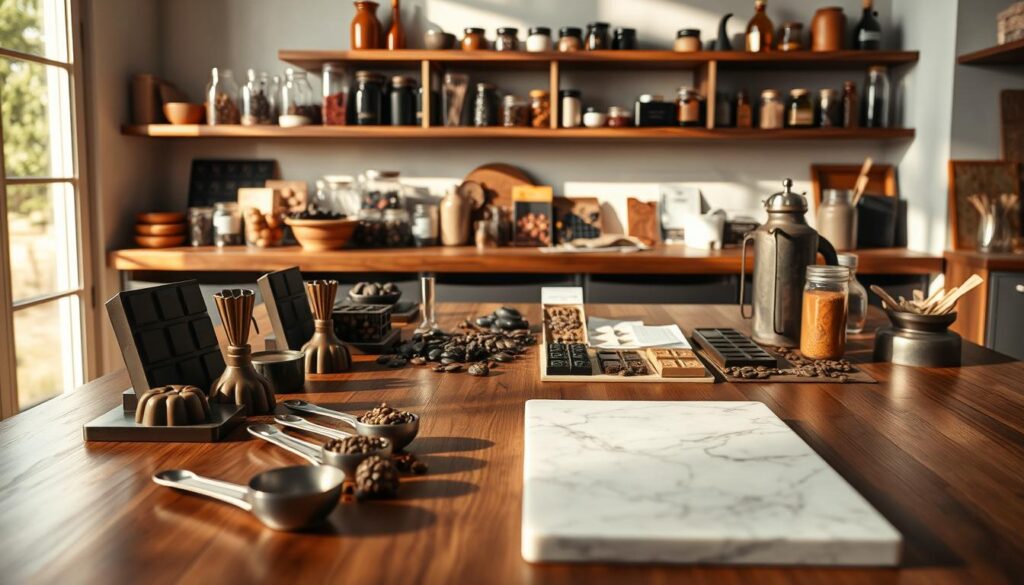
Efficient ingredient organization is key to a streamlined chocolate-making process. Begin by categorizing your ingredients based on the recipe requirements. This will save you time and reduce the risk of using the wrong ingredients.
By organizing your ingredients efficiently, you’ll be able to focus on the creative aspects of chocolate making, ensuring that your final products are of high quality.
In the context of chocolate tourism, a well-prepared workspace not only enhances your experience but also allows you to appreciate the art of chocolate making fully. Whether you’re a professional chocolatier or an enthusiast, the principles of a clean and organized workspace remain the same.
To give your chocolate desserts a glossy finish and a satisfying snap, mastering the tempering process is essential. Tempering chocolate involves heating and cooling it to create a stable crystal structure that sets the chocolate’s appearance and texture.
Chocolate tempering is a process that gives chocolate its glossy appearance and snappy texture. It involves heating and cooling the chocolate to a specific temperature to align the crystals in the chocolate. This process is crucial for creating professional-looking chocolate confections.
Why Temper Chocolate?
Tempering chocolate can seem intimidating, but by following a step-by-step process, you can achieve perfectly tempered chocolate every time.
By following these steps and practicing the tempering process, you’ll be able to achieve professional-quality chocolate confections with a beautiful finish and texture.
Chocolate ganache, a versatile and delicious component, elevates chocolate creations to new heights. You can use it as a filling, a topping, or even as a coating for truffles.
Ganache is essentially a mixture of chocolate and cream, heated together until smooth and glossy. The ratio of chocolate to cream can vary depending on the desired consistency and application.
To make a basic ganache, you will need:
Heat the cream in a saucepan over medium heat until it starts to simmer. Remove from heat and pour over the chopped chocolate in a heatproof bowl. Let it sit for a minute or two, then gently stir until the chocolate is melted and the mixture is smooth.
| Ganache Type | Chocolate to Cream Ratio | Usage |
|---|---|---|
| Glaze Ganache | 2:1 | Pour over cakes or pastries |
| Filling Ganache | 1:1 | Fill truffles or cakes |
| Whipped Ganache | 1:2 | Top desserts or cakes |
You can experiment with different flavors by adding various ingredients to your ganache. Some ideas include:
By mastering the art of making chocolate ganache, you can enhance your chocolate creations and explore new possibilities in chocolate making.
The process of making chocolate truffles involves a blend of technique, quality ingredients, and imagination. You start with a rich, velvety chocolate ganache, which is then rolled into bite-sized balls and coated in a layer of chocolate. The result is a delicious treat that’s both decadent and delightful.
To make classic chocolate truffles, you’ll need:
First, heat the heavy cream in a saucepan over medium heat until it starts to simmer. Remove from heat and pour over the chocolate chips in a heatproof bowl. Let it sit for a minute, then stir until smooth. Add the butter and vanilla extract, stirring until fully incorporated. Let the mixture cool to room temperature, then refrigerate until firm, about 2 hours. Use a melon baller or spoon to scoop out small balls of the ganache, roll them between your hands to shape, and then coat in melted chocolate or roll in confectioners’ sugar.
One of the joys of making chocolate truffles is experimenting with different flavors. Here are a few variations to try:
By experimenting with different flavor combinations, you can create unique truffles that are sure to impress. Whether you’re making them for a special occasion or as a fun activity for a workshop, chocolate truffles are a crowd-pleaser and can be a profitable workshop revenue stream when sold or used as a fundraising item.
Chocolate molds come in a variety of shapes, sizes, and materials, each suited for different chocolate creations. Whether you’re making chocolates for a special occasion or simply for the joy of crafting, the right mold can make all the difference.
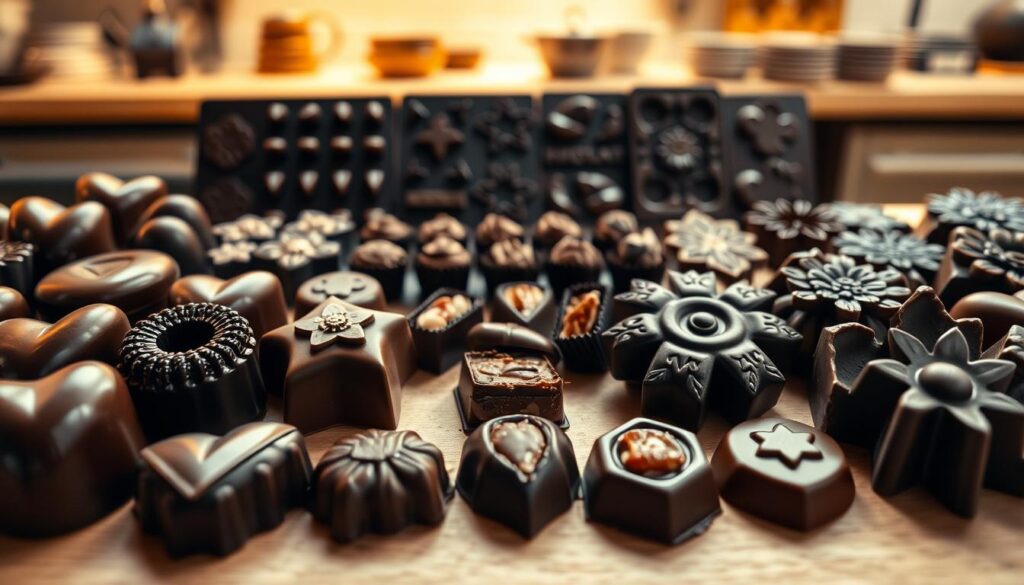
There are several types of molds available for chocolate making, including:
Not all chocolates are created equal when it comes to molding. The ideal chocolate for molding should have a high cocoa butter content, as this gives the chocolate a smooth, glossy finish and a satisfying snap when broken.
Tempering your chocolate is also crucial for achieving the perfect mold. Tempering gives chocolate its glossy appearance and satisfying texture. To temper chocolate, you’ll need to heat and cool it to specific temperatures, depending on the type of chocolate you’re using.
When selecting chocolate for molding, consider the flavor profile you’re aiming for. Whether you prefer dark, milk, or white chocolate, the quality of the chocolate will directly impact the taste of your final product.
Decorating chocolate is an art form that elevates your confections from mere treats to edible masterpieces. As you delve into the world of chocolate tourism, mastering the techniques for decorating your chocolate creations can significantly enhance their appeal.
There are several techniques you can employ to decorate your chocolate creations effectively. These include:
Piping is a versatile technique that allows for a wide range of designs, from simple borders to complex patterns. To pipe effectively, you’ll need a piping bag and a steady hand. Practice makes perfect, so don’t be discouraged if your first attempts don’t turn out as expected.
Presenting your chocolate creations beautifully is just as important as making them taste good. Here are some tips to enhance their visual appeal:
Attention to detail is crucial when presenting your chocolate creations. Consider the overall aesthetic you want to achieve and plan your presentation accordingly. A beautiful presentation can elevate the perceived value of your chocolates and make them more enticing to those who taste them.
By mastering decorating techniques and presentation tips, you can significantly enhance your chocolate creations, making them a highlight of your chocolate tourism experience.
Chocolate, when paired with the right flavors, can create a symphony of tastes that delight the palate. The key to successful pairing lies in understanding how different flavors complement or contrast with the rich, velvety texture of chocolate.
Certain flavors have been traditionally paired with chocolate due to their complementary taste profiles. These include:
To better understand these pairings, let’s examine a comparison table:
| Flavor | Chocolate Type | Description |
|---|---|---|
| Raspberry | Dark Chocolate | The tartness of raspberries cuts through the richness of dark chocolate. |
| Hazelnut | Milk Chocolate | The nutty flavor of hazelnuts complements the creamy texture of milk chocolate. |
| Mint | White Chocolate | The refreshing coolness of mint balances the sweetness of white chocolate. |
While traditional pairings are always a hit, experimenting with unique flavor combinations can lead to innovative and exciting chocolate creations. Consider pairing chocolate with:
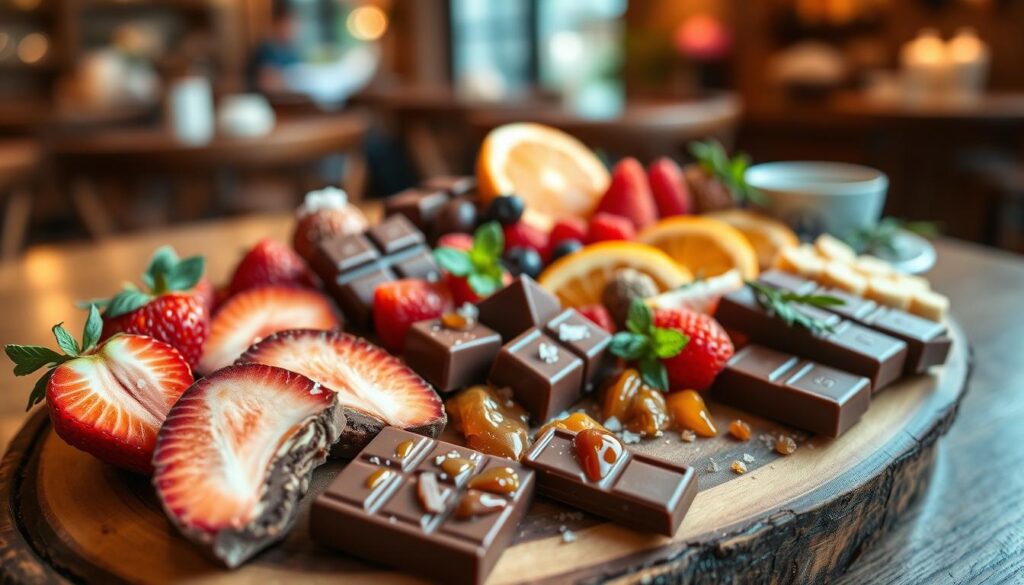
By exploring both common and creative flavor pairings, you can expand your culinary repertoire and create chocolate experiences that are both personal and unique.
If you’re looking to create a memorable experience, consider hosting a chocolate tasting that will leave your guests in awe. A well-planned chocolate tasting event not only delights the senses but also provides an educational experience, allowing your guests to appreciate the nuances of different chocolates.
To host a successful chocolate tasting, start by selecting a variety of high-quality chocolates with different cocoa percentages and flavor profiles. Consider the number of guests and the venue; a cozy, intimate setting often enhances the experience.
Here’s a simple plan to follow:
Guiding your guests through the chocolate tasting is crucial for a memorable experience. Start by explaining the basics of chocolate tasting, such as the importance of tempering and the differences between various cocoa percentages.
To make the event more engaging, consider using a scorecard for guests to note their impressions of each chocolate. This can include criteria such as appearance, aroma, flavor, and texture.
| Criteria | Description | Score (1-5) |
|---|---|---|
| Appearance | Observe the chocolate’s color and gloss. | |
| Aroma | Smell the chocolate to appreciate its aroma. | |
| Flavor | Taste the chocolate to experience its flavor profile. | |
| Texture | Notice the chocolate’s texture as it melts. |
By hosting a chocolate tasting event, you not only share your passion for chocolate but also create a unique and memorable experience for your guests. With careful planning and guidance, your event is sure to be a success and potentially generate profitable workshop revenue.
As you conclude your journey through the world of chocolate tourism and culinary exploration, the next step is to embark on new adventures. With a deeper understanding of chocolate creations, tempering, and pairing, you’re now equipped to explore the rich world of chocolate further.
Consider visiting renowned Chocolate Destinations such as Belgium, known for its exquisite chocolate craftsmanship, or Switzerland, famous for its high-quality chocolate production. These locations offer a unique opportunity to taste a variety of chocolates and learn from local chocolatiers.
Embark on Culinary Adventures by experimenting with new recipes, hosting chocolate tastings, and sharing your passion for chocolate with others. Whether it’s through crafting unique chocolate creations or pairing chocolate with other flavors, your culinary journey is just beginning.
As you continue to explore the world of chocolate, remember that every new experience is a chance to refine your skills and discover new flavors. The world of chocolate is vast and inviting, and your next culinary adventure is just around the corner.