All the world of cacao in one click.

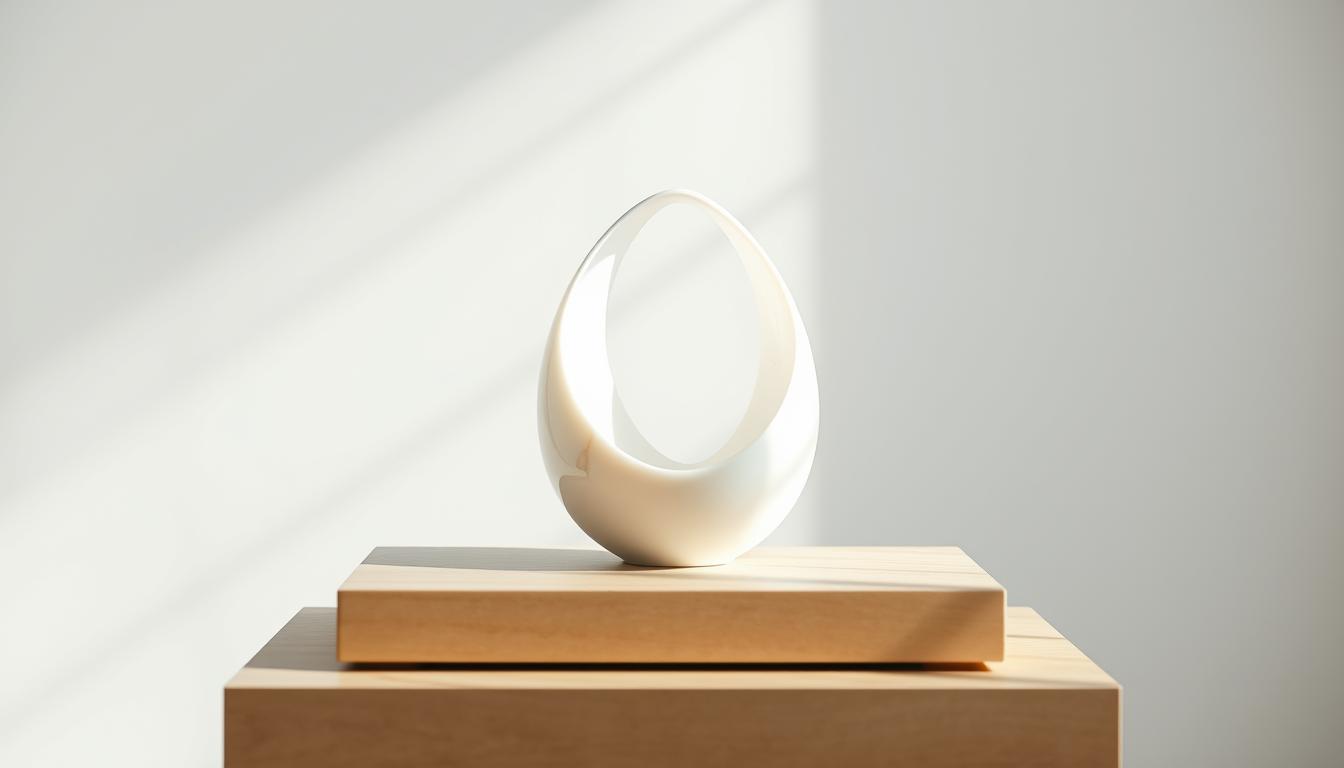
Discover the latest abstract Easter trends in minimalist sculpture. Create stunning, modern Easter decor with this step-by-step tutorial.
As you explore the world of minimalist sculpture for the upcoming Easter season, you’ll discover a fresh and modern approach to celebrating the holiday. Minimalist designs are gaining popularity, and this trend is expected to continue into 2026.
You can create stunning, modern Easter decor with a step-by-step tutorial that incorporates clean lines and simple shapes. This approach allows you to focus on the essence of the season, creating a beautiful and serene atmosphere in your home.
The minimalist approach is gaining popularity in Easter celebrations, focusing on simplicity and clean lines. As you embrace this trend for Easter 2026, it’s essential to understand the core principles that define minimalism in the context of Easter decorations and sculptures.
Minimalism is an art and design movement that emphasizes simplicity and the elimination of unnecessary elements. In the context of Easter celebrations, minimalism translates to using fewer, yet more meaningful, decorations and sculptures. This approach not only reduces clutter but also highlights the beauty of individual pieces, such as those incorporating Geometric Design.
The appeal of simplicity in Easter celebrations lies in its ability to create a calm and serene atmosphere. By paring down decorations to their essence, you can focus on the true meaning of Easter. Simple, elegant designs, such as those featuring geometric shapes, can add a touch of modernity to your celebrations.
To illustrate the balance between traditional ingredients and modern minimalist approaches, consider the following table, which outlines the baker’s percentage for a simple Easter bread recipe:
| Ingredient | Baker’s Percentage (%) |
|---|---|
| Flour | 100 |
| Water | 60 |
| Yeast | 2 |
| Salt | 2 |
| Sugar | 10 |
| Eggs | 20 |
Balancing tradition with modernity is key to successfully incorporating minimalism into your Easter celebrations. You can achieve this balance by blending traditional Easter symbols with modern, minimalist designs. For instance, pairing a traditional Easter egg with a modern geometric sculpture can create a unique and captivating display.
As you prepare for Easter 2026, consider how you can apply minimalist principles to your celebrations, creating a harmonious blend of tradition and modernity.
This Easter, abstract sculpture trends are setting the tone for a fresh and innovative approach to minimalist decor. As you explore these trends, you’ll discover how modern elements, such as inspirations from modern pastry designs, are influencing Easter sculptures.
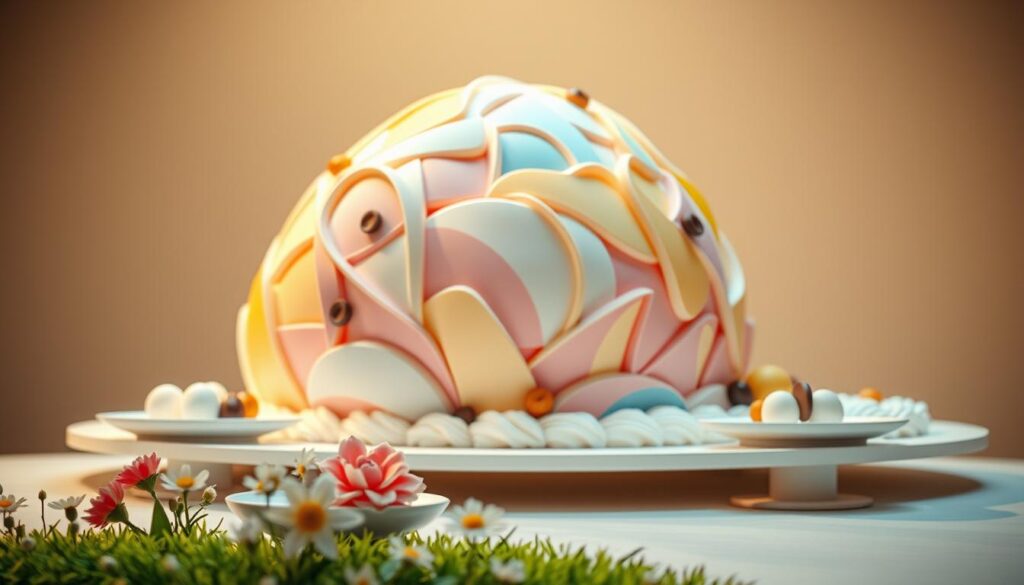
The 2026 Easter season is all about embracing simplicity and creativity. Some of the popular themes include:
These themes allow you to create unique and captivating Easter displays that are both modern and meaningful.
The choice of materials and textures plays a crucial role in abstract Easter sculptures. For 2026, consider incorporating:
| Material | Texture | Effect |
|---|---|---|
| Wood | Rough-hewn | Natural, earthy feel |
| Metal | Smooth, polished | Modern, sleek appearance |
| Glass | Transparent, fragile | Ethereal, delicate look |
Contemporary artists are pushing the boundaries of abstract Easter sculpture. Their work often incorporates modern pastry-inspired elements, such as intricate designs and delicate patterns. You can draw inspiration from these artists by:
By following these trends and influences, you can create a truly unique and captivating Easter display that reflects your personal style.
Before diving into the world of 3D shapes for your Easter sculpture, setting up your workspace is crucial. A well-organized workspace not only enhances your creativity but also streamlines the sculpting process.
Selecting the appropriate tools is the first step in preparing your workspace. For abstract Easter sculptures, you’ll need tools that can help you shape and mold various materials. Consider investing in a variety of sculpting tools, such as wire cutters, modeling tools, and shaping instruments.
| Tool | Purpose |
|---|---|
| Wire Cutters | Ideal for cutting and shaping wire into intricate 3D shapes. |
| Modeling Tools | Perfect for detailing and refining your sculpture. |
| Shaping Instruments | Great for molding and smoothing out materials. |
Once you have your tools, it’s time to set up your materials. For a minimalist Easter sculpture, you might work with materials like clay, wood, or recycled materials. Ensure that your materials are organized and within easy reach to maintain a smooth workflow.
Tip: Use storage containers or shelves to keep your materials organized and your workspace clutter-free.
Natural light plays a significant role in the sculpting process. It not only illuminates your workspace but also helps you accurately perceive the textures and colors of your materials. Position your workspace near a window to maximize natural light.
Remember: Adequate lighting can significantly impact the quality of your work, especially when working with intricate 3D shapes.
The journey to a stunning geometric design Easter sculpture begins with selecting the perfect materials. As you start this creative process, consider the environmental impact and aesthetic appeal of your choices.
When it comes to sourcing materials for your abstract Easter sculpture, there are several factors to consider. You’ll want materials that are not only sustainable but also conducive to creating the geometric designs that are characteristic of modern Easter trends.
Choosing eco-friendly materials is a crucial step in creating a sculpture that is both beautiful and sustainable. Consider using recycled materials or supplies that are sustainably sourced.
For instance, you can use recycled paper or cardboard to create intricate geometric patterns. Here’s a sample recipe for a paper mache mixture using baker’s percentages:
| Ingredient | Baker’s Percentage (%) |
|---|---|
| Flour | 100 |
| Water | 150 |
| White Glue | 20 |
Local art supply stores are a treasure trove for unique materials and expert advice. Visiting these stores can help you discover new textures and supplies that can enhance your geometric design.
When exploring local stores, don’t hesitate to ask for recommendations on eco-friendly materials and supplies that are suitable for creating abstract sculptures.
The internet is a vast resource for finding unique materials and inspiration for your Easter sculpture. Online stores and marketplaces can provide access to a wide range of supplies, from sustainable materials to specialty art tools.
When shopping online, look for suppliers that emphasize eco-friendly practices and sustainable sourcing. You can also find tutorials and blogs that offer tips on incorporating geometric designs into your sculpture.
With your materials at hand, the journey to creating a unique abstract Easter sculpture begins, reflecting the simplicity and elegance of modern pastry art. As you start this creative process, you’ll be blending the essence of Easter 2026 trends with your personal touch.
To craft your abstract sculpture, follow these steps:
For those new to sculpting, mastering a few essential techniques can make a significant difference:
As artist and sculptor, Jane Doe, once said,
“The beauty of abstract sculpture lies in its ability to evoke emotions and thoughts without being tied to a specific representation.”
Making your sculpture personal is key to its uniqueness. Consider the following:
| Personal Element | How to Incorporate |
|---|---|
| Family Traditions | Use symbols or motifs that reflect your family’s Easter traditions. |
| Personal Symbols | Incorporate symbols that hold personal significance, making your sculpture a reflection of your identity. |
| Nature-Inspired Elements | Bring the outdoors in by incorporating natural elements or textures that echo the beauty of nature. |
By following these guidelines and allowing your creativity to flourish, you’ll create an abstract Easter sculpture that not only reflects the Easter 2026 trends but also stands as a testament to your personal artistic expression.
Easter celebrations offer a unique opportunity for families to bond over creative activities, such as crafting 3D shapes. This Easter, you can create a fun and interactive experience for the whole family by exploring abstract art together.
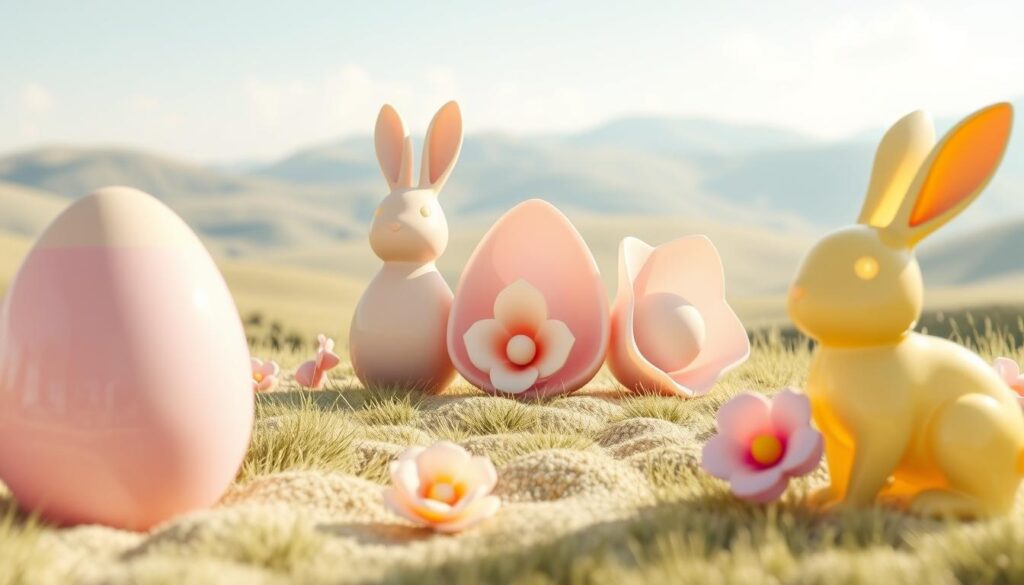
To get your kids excited about abstract Easter art, start with simple activities like making paper mache eggs or creating geometric shapes using colorful paper. You can also introduce them to the world of 3D shapes by crafting sculptures from clay or recycled materials.
These activities not only foster creativity but also help develop fine motor skills and hand-eye coordination in children.
One of the most rewarding aspects of creating abstract Easter art as a family is the collaborative process. Gather various materials like paper, glue, scissors, and paint, and let each family member contribute to a large, collaborative art piece.
As you work together, you can explore different techniques, such as layering shapes or creating textures, to add depth and interest to your artwork.
Incorporating sustainable practices into your family art projects is not only eco-friendly but also a great way to teach children about the importance of reducing waste. Use recycled materials whenever possible, and choose eco-friendly paints and supplies.
By adopting sustainable practices, you can create beautiful, meaningful art while promoting a healthier environment for future generations.
Now that you’ve created your unique Easter sculpture, let’s explore the best ways to showcase it. Displaying your artwork is not just about finding a place to put it; it’s about creating an experience that highlights your geometric design and the essence of Easter 2026.
Choosing the right location for your sculpture can significantly impact how it’s perceived. Consider placing your artwork in a well-lit area, such as a living room or dining room, where it can be admired by family and guests. You can also use a mantel or a console table as a focal point.
Incorporating natural elements into your display can enhance the aesthetic appeal of your sculpture. For example, you can surround your artwork with seasonal flowers, branches, or pebbles to create a harmonious and earthy display. This approach not only adds texture but also connects your sculpture to the natural world.
In today’s digital age, sharing your artwork on social media is a great way to showcase your creativity to a wider audience. When posting your Easter sculpture, consider using relevant hashtags like #Easter2026 and #GeometricDesign to reach enthusiasts and potential buyers. You can also share the story behind your sculpture, including the inspiration and techniques used to create it.
To give you a better idea of how to balance different elements in your display, here’s a simple ratio to consider:
| Element | Percentage |
|---|---|
| Sculpture | 60% |
| Natural Elements | 30% |
| Decorative Items | 10% |
This ratio can serve as a starting point. Feel free to adjust it based on your personal preference and the overall aesthetic you want to achieve.
Embracing minimalism in your Easter decor can significantly elevate the aesthetic of your 3D Shapes and sculptures. A well-maintained minimalist space not only highlights your artwork but also creates a serene atmosphere.
To keep your sculptures in pristine condition, follow these steps:
Tip: Regular cleaning prevents the buildup of dust and debris, maintaining the sculpture’s original appearance.
Proper storage is essential for maintaining a clutter-free space. Consider the following:
As noted by artist Jane Doe, “Proper storage is key to preserving the integrity of your artwork.”
Rotating your displays seasonally can keep your decor fresh and engaging. Here’s how:
| Season | Display Tips |
|---|---|
| Spring/Easter | Feature 3D Shapes and pastel-colored sculptures. |
| Summer | Incorporate brighter colors and nature-inspired themes. |
| Autumn | Use warm tones and harvest-themed sculptures. |
By rotating your displays, you can keep your decor aligned with the current season, creating a dynamic and interesting space.
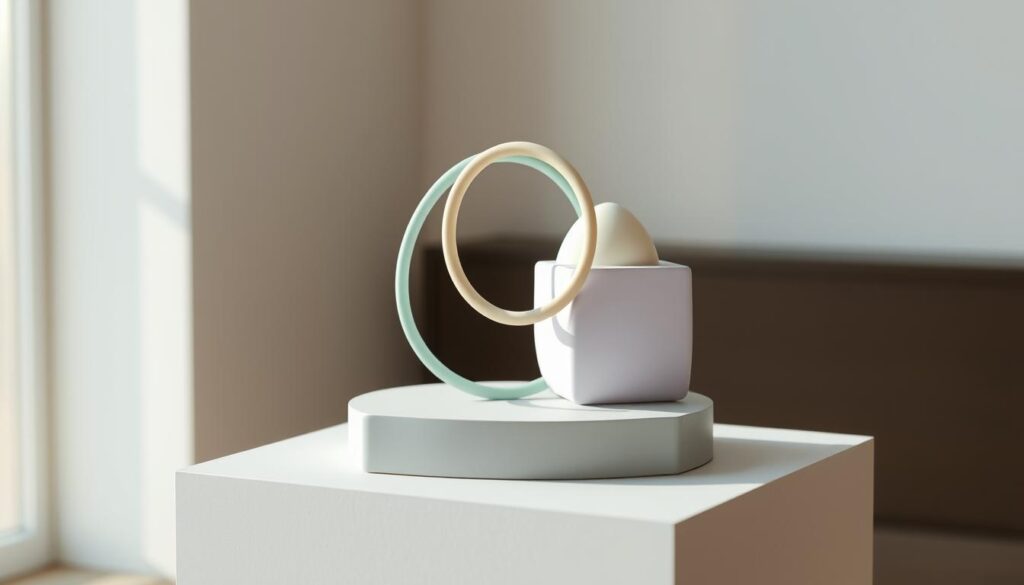
In conclusion, maintaining a minimalist approach to your Easter sculpture involves careful cleaning, storage, and display rotation. By following these guidelines, you can enjoy your modern pastry-inspired 3D Shapes and sculptures for years to come.
As you embark on creating your Easter 2026-inspired minimalist sculpture, the role of color becomes a crucial element to consider. Color can significantly influence the overall aesthetic and emotional impact of your artwork.
Selecting the right color palette is fundamental to your minimalist sculpture. For Easter 2026, consider pastel shades that evoke a sense of renewal and hope. Pastel colors are traditionally associated with Easter and can add a soft, calming element to your sculpture.
When choosing your palette, think about the emotions and themes you want to convey. Easter is a time of rebirth and celebration, so colors that reflect joy and serenity are particularly fitting.
Colors have the power to evoke different emotions and moods. In the context of Easter 2026, warm colors like golden yellows and soft oranges can symbolize warmth and happiness, while cool colors like light blues and pale greens can convey peace and tranquility.
Consider how you want your sculpture to make viewers feel. Do you want to inspire a sense of calm, or perhaps stimulate a feeling of joy? The colors you choose will play a significant role in achieving this.
One of the key decisions you’ll make when creating your minimalist sculpture is whether to use a monochrome or multi-colored design. Monochrome designs offer a cohesive, streamlined look that can be very striking, while multi-colored designs can add complexity and visual interest.
For Easter 2026, a multi-colored approach might be particularly appealing, incorporating various pastel shades to create a vibrant yet harmonious piece. Alternatively, a monochrome palette in a soft, Easter-associated color can provide a clean and elegant aesthetic.
Collaborating with local artists can elevate your Easter sculpture projects, bringing fresh perspectives and skills to the table. By working together, you can create unique pieces that blend geometric design elements with the creativity of modern pastry art.
Engaging with the local art community not only enhances your skills but also fosters a sense of belonging and cooperation. You’ll find that collaborating on Easter sculpture projects can lead to new friendships and opportunities.
Some benefits include:
To find the right collaborators, consider attending local art events, joining art clubs, or using social media platforms to connect with artists who share your interest in minimalist Easter sculpture.
When selecting collaborators, look for individuals who:
Participating in joint showcases and workshops is an excellent way to display your collaborative Easter sculpture projects. These events provide opportunities for feedback, exposure, and further collaboration.
For instance, you could organize a workshop where participants create their own geometric design-inspired Easter sculptures using a variety of materials, including those reminiscent of modern pastry art.
Here’s an example recipe for a collaborative project that incorporates elements of modern pastry into a sculpture:
| Ingredient | Baker’s Percentage (%) |
|---|---|
| Flour | 100 |
| Sugar | 20 |
| Eggs | 50 |
| Butter | 30 |
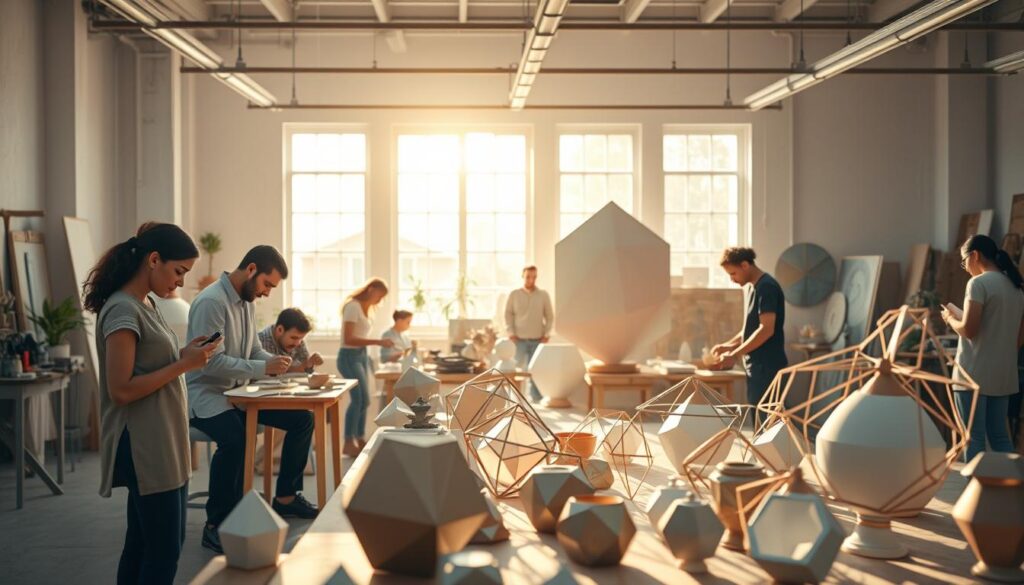
Your artistic journey, much like the sculpture you’re creating, is a work of art in itself. As you work on your abstract Easter sculpture, capturing the process can be incredibly fulfilling. This involves several steps that not only help you track your progress but also enhance your overall creative experience.
Documenting your creative process is essential for reflecting on your artistic growth. Here are the steps to follow:
By following these steps, you’ll have a comprehensive record of your journey, highlighting how your ideas evolved into the final piece.
A visual journal is a powerful tool for artists. It allows you to visually track your progress and reflect on your techniques. Consider including:
Maintaining a visual journal not only aids in documenting your process but also serves as a source of inspiration for future projects.
Regular reflection on your creative journey is vital. It helps you identify areas for improvement and acknowledge your achievements. Use your documentation to:
| Reflection Activity | Benefits |
|---|---|
| Review your journal entries and photographs. | Identify patterns in your creative process and areas for improvement. |
| Compare your initial sketches with the final sculpture. | Understand how your ideas evolved and what worked well. |
| Share your journey with others. | Gain feedback and insights from peers and mentors. |
As you reflect on your journey, you’ll gain valuable insights into your creative process, enhancing your skills for future projects, including your Easter 2026 and other 3D Shapes inspired artworks.
As you explore the world of abstract Easter sculpture, you’re not just creating art – you’re shaping the future of Easter decor. With trends evolving rapidly, it’s essential to stay ahead of the curve.
Predictions for 2027 and beyond indicate a rise in geometric designs, incorporating 3D shapes that add depth and visual interest to your Easter displays. Modern pastry-inspired elements are also expected to gain popularity, bringing a touch of whimsy to your creations.
Sustainability is becoming increasingly important in art, with many artists opting for eco-friendly materials and practices. By embracing sustainable trends, you can create beautiful, environmentally conscious Easter decor that resonates with your audience.
To stay relevant, it’s crucial to continuously learn and adapt your style. Experiment with new techniques, materials, and inspiration to keep your art fresh and exciting. By doing so, you’ll be well-prepared to incorporate emerging trends, such as geometric designs and 3D shapes, into your future projects.