All the world of cacao in one click.

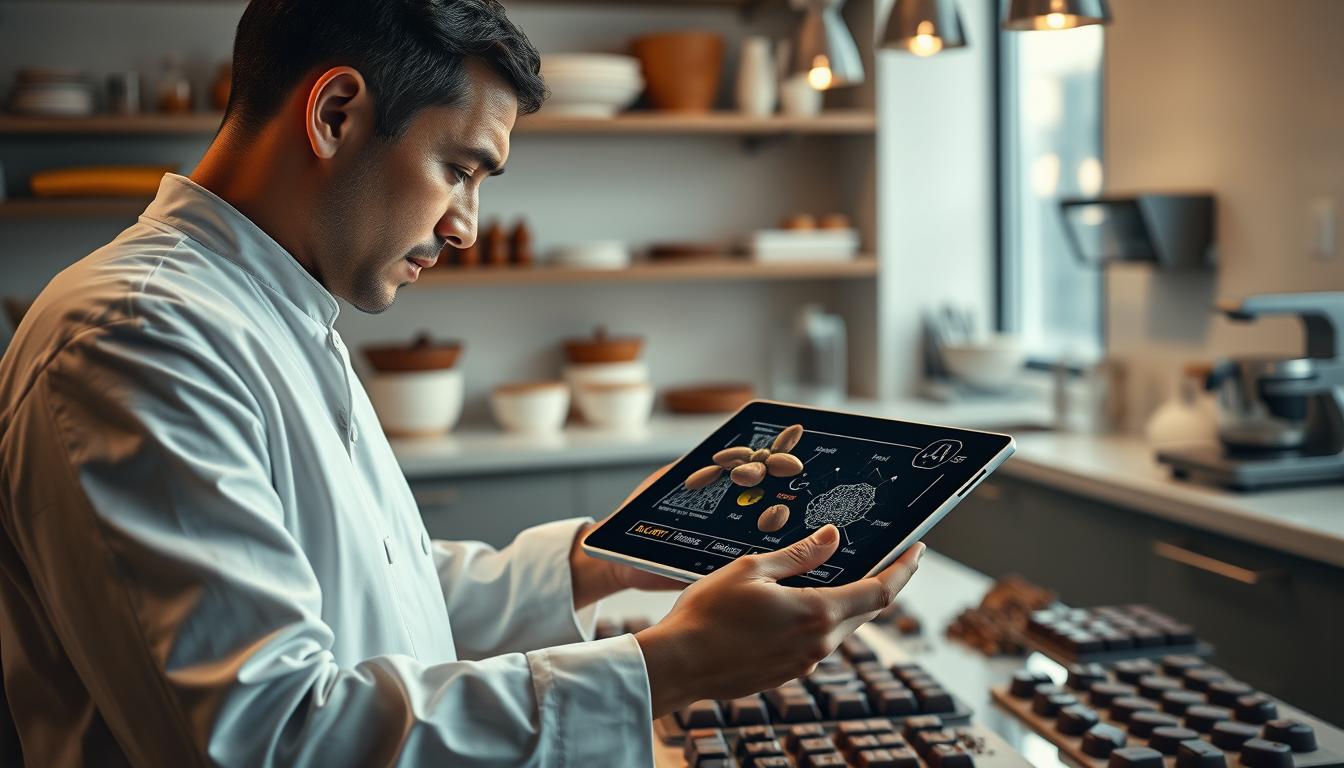
Unlock the secrets of AI-powered flavor profiling to create the perfect "umami" chocolate. Discover the science behind molecular gastronomy and AI in this tutorial.
You are about to embark on a culinary journey that combines the precision of molecular gastronomy with the innovative power of machine learning to create the perfect “umami” chocolate.
Molecular gastronomy applies scientific principles to cooking, allowing for precise control over the culinary experience. By integrating this with AI-driven flavor profiling, you can analyze complex flavor profiles and create novel pairings that elevate the art of chocolate making.
This tutorial will guide you through a professionally formatted recipe, complete with ingredient percentages and step-by-step instructions, to produce a unique umami chocolate experience.
The science of flavor analysis has taken a significant leap forward with the advent of GC-MS technology. This technique has revolutionized the way we understand and analyze the complex flavor compounds found in various ingredients.
Gas chromatography-mass spectrometry (GC-MS) is a powerful analytical technique that allows for the detailed examination of the molecular composition of flavors. By separating, identifying, and quantifying the molecules present in a sample, GC-MS provides a comprehensive understanding of the flavor profile.
When you undergo GC-MS analysis, the data obtained is crucial for understanding the chemical makeup of your ingredients. This data is then used to inform data-driven recipes, ensuring that the final product meets the desired flavor profile. For instance, by analyzing the GC-MS data, you can identify the specific compounds responsible for the “umami” taste and adjust your recipe accordingly.
| Compound | Dark Chocolate | Milk Chocolate | White Chocolate |
|---|---|---|---|
| Vanillin | 2.5% | 1.8% | 3.2% |
| Theobromine | 1.2% | 0.8% | 0.2% |
| Caffeine | 0.5% | 0.3% | 0.1% |
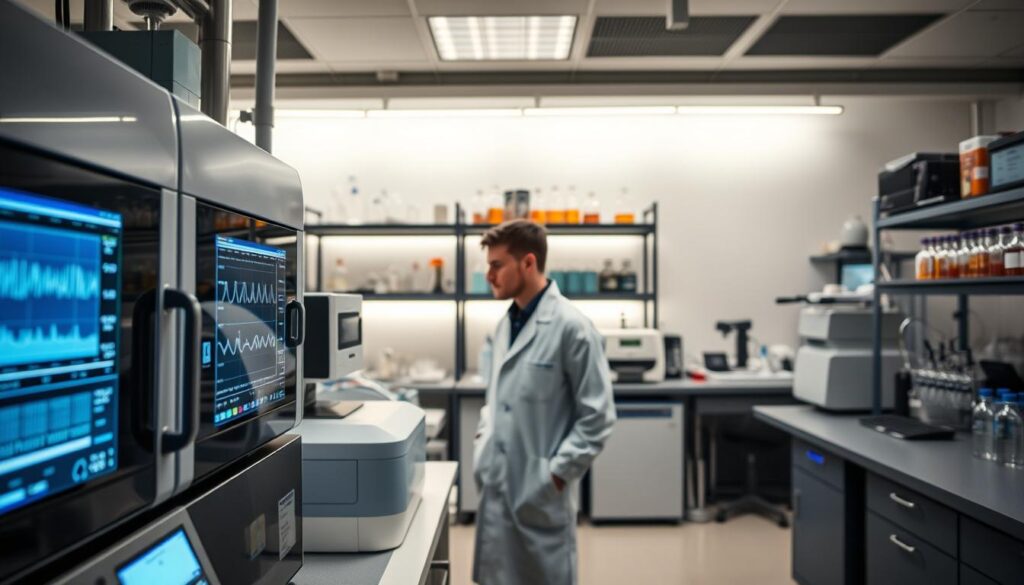
By leveraging GC-MS analysis, you can gain a deeper understanding of the flavor compounds present in your ingredients. This knowledge enables you to make precise adjustments to your recipes, ensuring that you achieve the perfect balance of flavors.
The molecular DNA of rare beans is a treasure trove of flavor compounds waiting to be decoded. Understanding this molecular structure is crucial for unlocking the full potential of these beans in culinary applications.
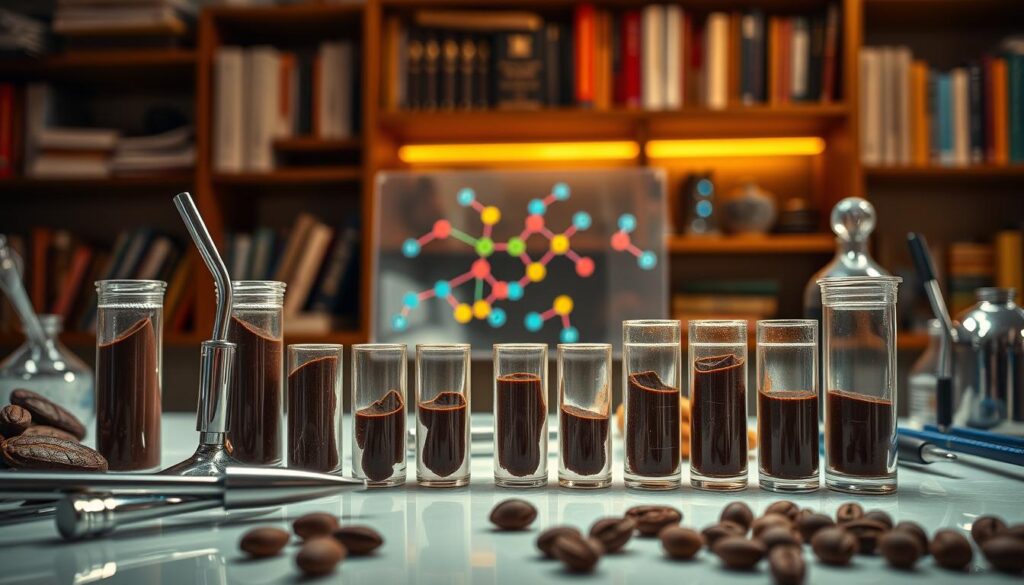
Through molecular analysis, you can identify the specific compounds responsible for the characteristic flavors and aromas of rare beans. This information is vital for flavor pairing, as it allows you to combine ingredients in a way that complements and enhances their natural flavors.
“The art of cooking is not just about following a recipe; it’s about understanding the science behind the ingredients and how they interact with our senses,” says a renowned chef, highlighting the importance of neuro-gastronomy in modern culinary practices.
Neuro-gastronomy plays a significant role in understanding how our brains perceive flavor. By analyzing the molecular DNA of rare beans, chefs and food scientists can optimize flavor pairings that not only taste good but also provide a satisfying culinary experience.
By leveraging the insights gained from molecular analysis and neuro-gastronomy, you can elevate your culinary creations, making them more sophisticated and enjoyable.
By leveraging sensor technology, chefs can adjust recipes on the fly to achieve perfect results. This capability is particularly valuable in molecular gastronomy, where the precise control of temperature, texture, and flavor is crucial.
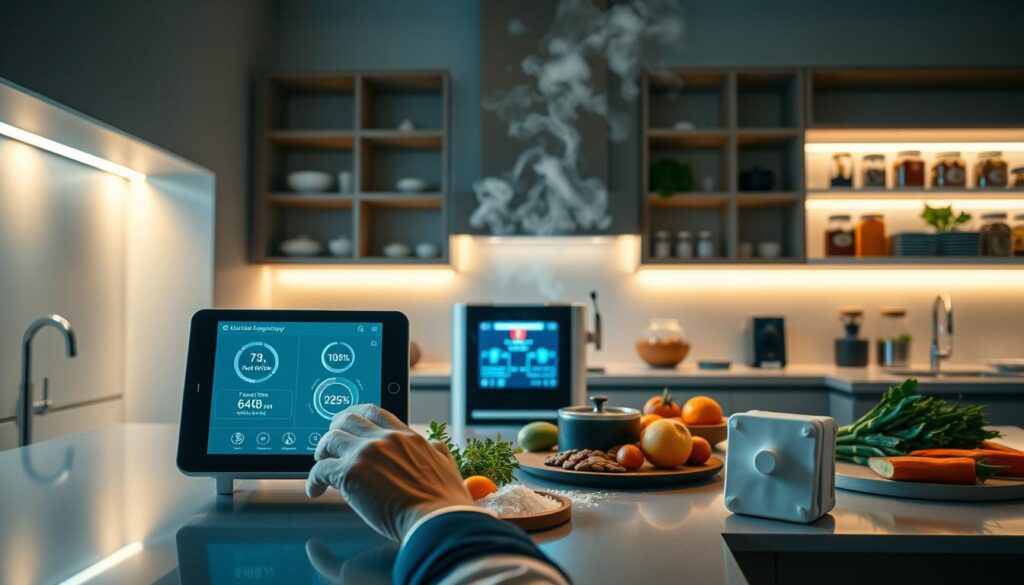
Sensor technology allows for real-time monitoring of cooking processes, enabling you to make data-driven decisions to optimize your dishes. This is especially useful in complex recipes where slight variations can significantly impact the final product.
The integration of sensors in cooking not only enhances precision but also contributes to the development of neuro-gastronomy, where the focus is on how our brains perceive flavors and textures.
By making adjustments in real-time, you can ensure that your culinary creations meet the highest standards of quality and consistency. This approach is revolutionizing the way chefs and food scientists work together to innovate and perfect recipes.
You’ve seen how AI and machine learning are transforming the culinary world, from analyzing flavor compounds to optimizing recipes. Now, let’s explore a pioneering establishment that has successfully integrated AI into its operations.
The world’s first AI-optimized bar leverages machine learning algorithms to create novel flavor pairings, enhancing the dining experience. By analyzing customer preferences and flavor profiles, the bar’s AI system generates personalized recommendations, pushing the boundaries of culinary innovation.
Using machine learning to analyze data from various sources, including gas chromatography and sensor technology, the bar’s menu is constantly evolving. This approach enables the creation of unique flavor pairings that might not have been discovered through traditional methods.
As you explore the possibilities of AI in the culinary world, it’s clear that machine learning and flavor pairing are revolutionizing the way we experience food and drink. By embracing these technologies, culinary establishments can stay ahead of the curve and provide unforgettable experiences for their customers.