All the world of cacao in one click.


Unlock the secrets to 30-day freshness with our expert guide on managing water activity (Aw) for your 70% origin ganache.
Achieving a long shelf life for your 70% origin ganache starts with precise science. You need to focus on how much free water exists in your recipe. This determines the texture and the microbial stability of your final product.
Using Aw Monitoring helps you hit the sweet spot for a 30-day window. By calculating your ratios carefully, you maintain perfect smoothness and flavor. This guide focuses on Aw Freshness to help you produce professional-grade chocolates that last.
| Ingredient | Baker’s Percentage (%) |
|---|---|
| 70% Origin Dark Chocolate | 100% |
| Heavy Cream (35% Fat) | 60% |
| Invert Sugar | 12% |
| Unsalted Butter | 15% |
To ensure consistency, follow these steps during production. Each phase impacts the final stability of your emulsion.
Maintaining the ideal Aw level is essential for preventing spoilage and ensuring the emulsion stability of your ganache. Water activity (Aw) is a critical factor that influences the texture, stability, and overall quality of your 70% origin ganache.
Aw levels affect the growth of microorganisms and the likelihood of texture-related issues such as separation or graininess. To achieve the desired consistency and prevent these issues, it’s crucial to understand how to calculate and control Aw levels in your ganache.
The composition of your ganache, including the type of chocolate and cream used, significantly impacts its Aw level. Different ingredients have varying water contents and properties that influence the overall Aw.
The Aw level directly affects the texture and stability of your ganache. A stable Aw level ensures that your ganache remains smooth and consistent, avoiding issues related to emulsion stability.
To calculate the safe Aw level for your ganache, follow these steps:
By controlling the Aw level, you can significantly enhance the quality and shelf life of your ganache. The ideal Aw level for ganache typically ranges between 0.75 and 0.85, depending on the specific application and storage conditions.
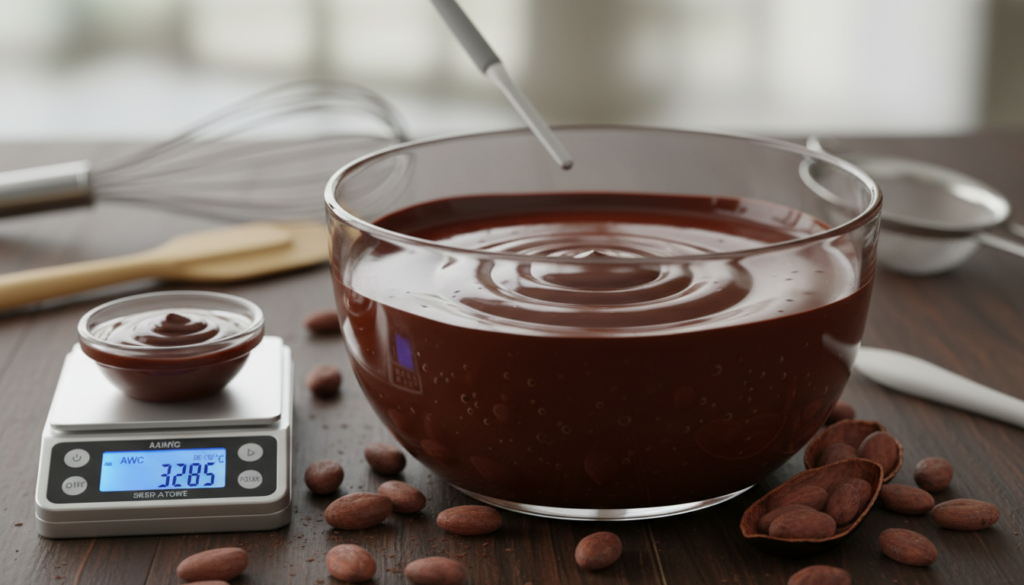
Monitoring and adjusting Aw levels is a proactive approach to preventing spoilage and maintaining the desired texture. This step is crucial for chocolatiers and manufacturers aiming to produce high-quality ganache products.
The journey to creating 70% origin ganache begins with sourcing the finest single-origin beans. This initial step is crucial as it lays the foundation for the flavor profile and overall quality of your ganache.
When you choose to source single-origin beans, you’re not just selecting a product; you’re choosing a story. Each bean carries with it the characteristics of its origin, including the soil, climate, and processing methods. This uniqueness is what makes single-origin beans so valuable for crafting distinctive ganache.
The origin of your cacao beans significantly influences the flavor profile of your ganache. Beans from different regions offer distinct notes, ranging from fruity and floral to rich and earthy. For instance, beans from Ecuador are known for their balanced acidity and flavor, while those from Ghana offer a fruitier profile.
To help you navigate the diverse world of single-origin beans, consider the following factors:
By carefully evaluating these factors, you can select beans that align with your desired flavor profile and quality standards.
| Origin | Flavor Profile | Acidity Level |
|---|---|---|
| Ecuador | Balanced, with notes of caramel and nuts | Medium |
| Ghana | Fruity, with hints of orange and berries | High |
| Venezuela | Rich, with notes of dark chocolate and spices | Low |
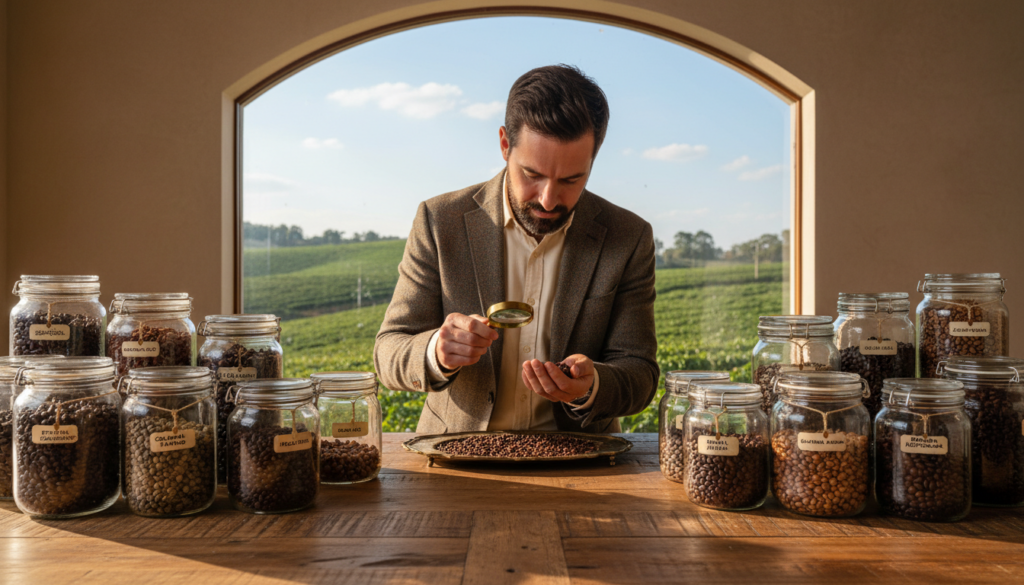
As you explore different origins and flavor profiles, you’ll develop a deeper understanding of how to craft ganache that not only tastes exceptional but also tells a story of its origin.
Cacao’s inherent anti-microbial properties play a significant role in preserving your 70% origin ganache. By understanding how these properties work in conjunction with controlled Aw levels, you can effectively prevent microbial growth and maintain Aw freshness.
To leverage cacao’s anti-microbial properties for preservation, follow these steps:
1. Source high-quality, single-origin cacao beans to maximize the anti-microbial benefits.
2. Maintain optimal Aw levels, as discussed earlier, to prevent microbial growth.
3. Store your ganache in a cool, dry environment to support the preservation process.
By combining these steps, you can ensure your ganache remains fresh and safe for consumption over its intended shelf life, maintaining the desired Aw freshness.