All the world of cacao in one click.

Discover the science behind biodegradable nano-film packaging that preserves your products for 2026 and beyond.
As you explore the world of sustainable packaging, you’re likely to come across the term “nano-cellulose packaging.” But what makes it so revolutionary? In this section, we’ll delve into the basics of nano-cellulose packaging and its significance in the context of food preservation.
You will learn how to create a nano-cellulose based packaging solution, using a step-by-step guide, much like a professional recipe. The process involves combining the right ingredients in the correct proportions, as outlined in a table using Baker’s percentage.
By understanding the composition and preparation of nano-cellulose packaging, you’ll be better equipped to appreciate its benefits and applications in active packaging solutions.
As you explore packaging options, the limitations of traditional foil become apparent. Traditional foil packaging has been the norm for a long time, but it comes with its own set of problems.
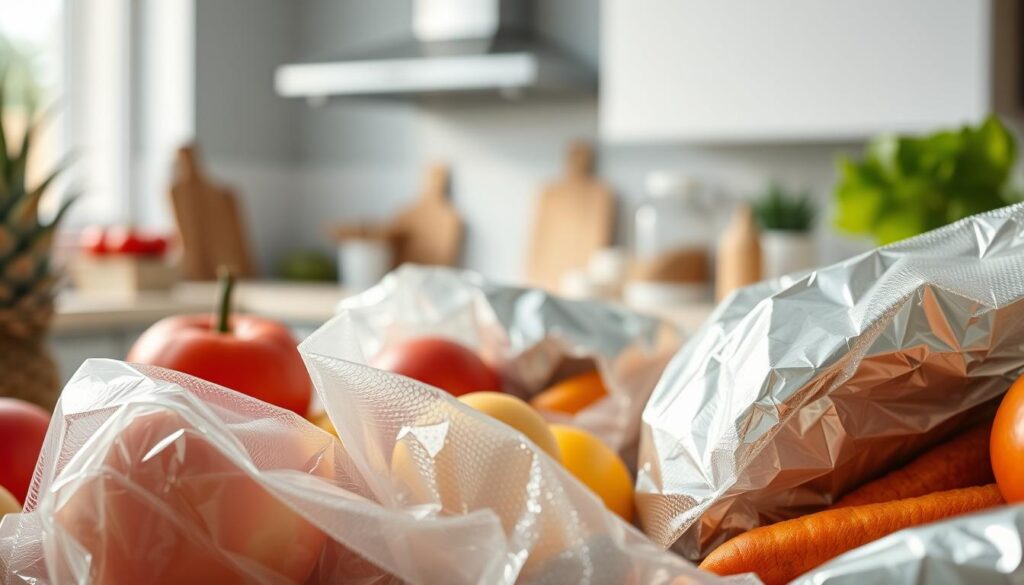
Conventional packaging materials, such as traditional foil, have several drawbacks. They often lack the ability to effectively manage ethylene levels, leading to reduced shelf-life for perishable goods. Ethylene scavengers are sometimes used to mitigate this issue, but they add complexity and cost to the packaging process.
The use of ethylene scavengers involves several steps:
The environmental impact of non-biodegradable materials like traditional foil is significant. These materials contribute to landfill waste and pollution, harming ecosystems and wildlife. In contrast, biodegradable nano-film packaging offers a more sustainable alternative, reducing environmental harm while maintaining packaging effectiveness.
To transition to more sustainable packaging, consider the following:
By understanding the limitations of traditional foil and exploring alternatives like biodegradable nano-film, you can make informed decisions about your packaging needs. This shift not only benefits the environment but also enhances your brand’s commitment to sustainability.
Understanding the barrier properties of nano-cellulose is crucial for harnessing its potential in active packaging. As you explore the science behind its effectiveness, you’ll discover how it can be used to preserve the freshness and quality of your products.
Nano-cellulose’s barrier properties are rooted in its polymer science. The material’s unique structure creates a dense network that prevents the passage of gases and moisture, thereby extending the shelf-life of packaged products.
The barrier properties can be broken down into several key components:
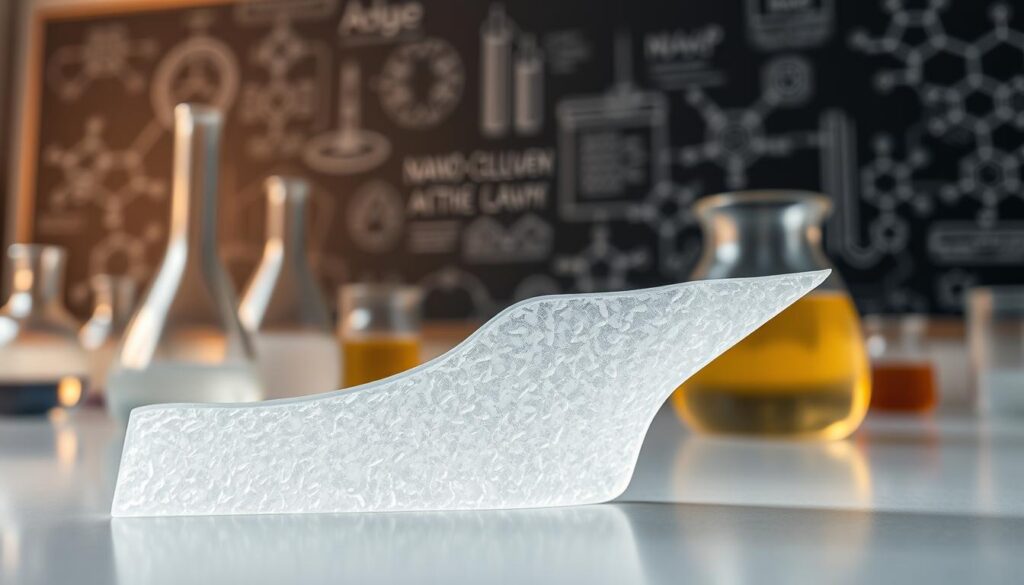
To illustrate the effectiveness of nano-cellulose, consider the following comparison:
| Material | Oxygen Transmission Rate | Moisture Vapor Transmission Rate |
|---|---|---|
| Nano-cellulose | 0.1 cm³/m²/day | 0.5 g/m²/day |
| Traditional Packaging Material | 1.0 cm³/m²/day | 2.0 g/m²/day |
By leveraging the science behind nano-cellulose’s barrier properties, you can create packaging solutions that not only preserve product quality but also meet the demands of eco-friendly consumers.
In the pursuit of zero-waste packaging, nano-cellulose stands out for its ability to preserve product aromas effectively. As you explore the potential of nano-cellulose in packaging, you’ll discover its significant role in maintaining the sensory qualities of your products.
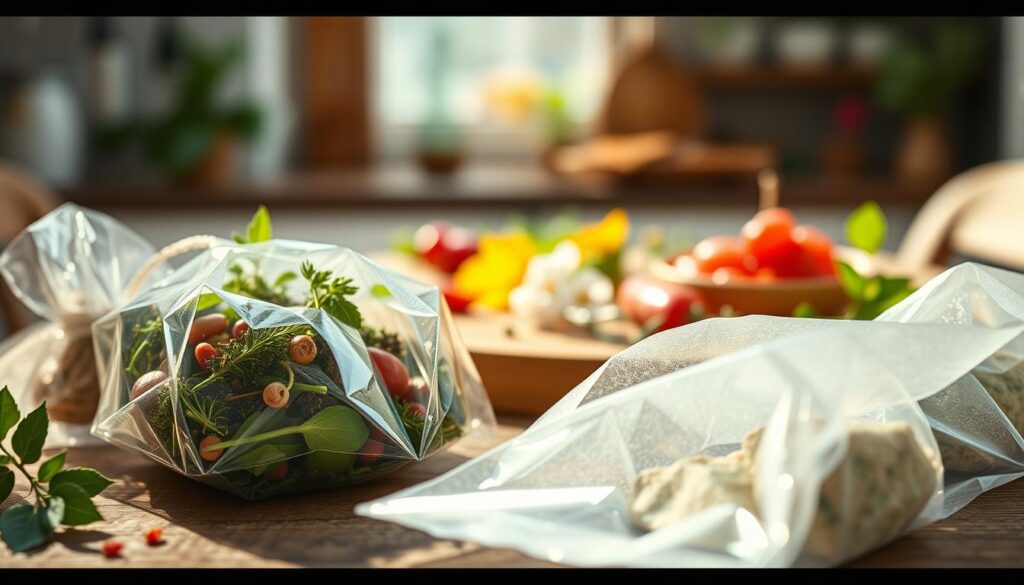
Nano-cellulose plays a crucial role in aroma preservation due to its unique barrier properties. The process of creating a nano-cellulose based packaging solution involves several key steps:
By utilizing nano-cellulose in packaging, you can significantly enhance the aroma preservation of your products. This not only improves the consumer experience but also aligns with the growing demand for zero-waste and sustainable packaging solutions.
The use of biodegradable nano-film made from nano-cellulose offers a promising alternative to traditional plastic packaging. It provides a effective barrier against moisture and oxygen, thereby preserving the aroma and freshness of the products.
As you look to the future of sustainable packaging, meeting the upcoming 2026 biodegradability standards is crucial. Nano-cellulose packaging, rooted in advanced polymer science, offers a viable solution. By adopting biodegradable nano-film, you can ensure your packaging meets the new regulations while maintaining product quality.
To achieve compliance, understanding the formulation of your nano-cellulose packaging is key. Here’s a sample formulation using Baker’s percentage:
| Ingredient | Baker’s Percentage (%) |
|---|---|
| Nano-cellulose | 60 |
| Water | 20 |
| Glycerin | 10 |
| Other additives | 10 |
By adjusting the formulation, you can optimize the biodegradability of your packaging. A cost-benefit analysis will help you determine the feasibility of adopting nano-cellulose packaging for your artisan lab.
Weighing the initial investment against the long-term benefits, including reduced environmental impact and compliance with 2026 standards, will inform your decision. As the demand for sustainable packaging grows, integrating biodegradable nano-film into your products can be a strategic move.