Botanical Art

Botanical Enrobing: Encapsulating Summer Flowers in Cocoa Butter

Discover the art of botanical enrobing - learn how to capture the beauty of summer flowers in cocoa butter.

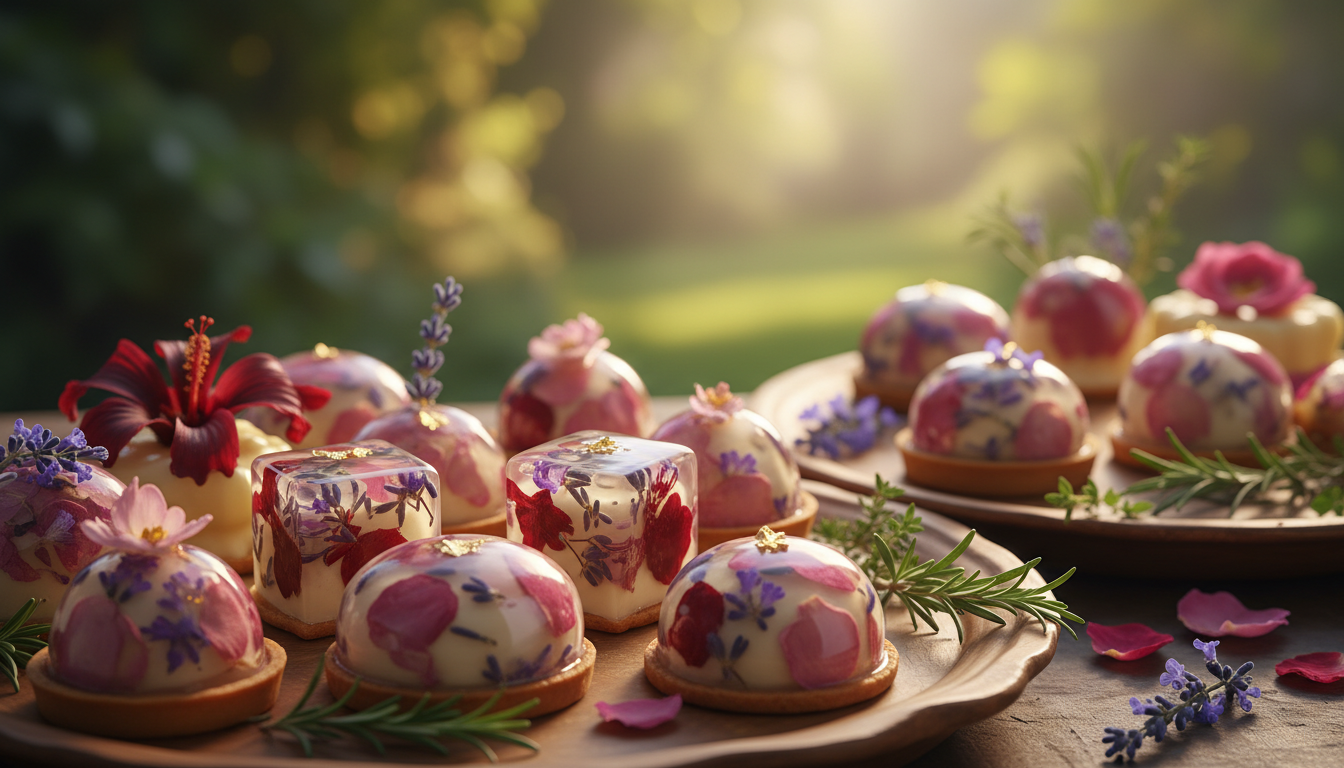
You are about to embark on a journey to create exquisite enrobed flowers. This process captures the beauty of summer inside a delicate cocoa butter shell. It allows you to transform garden blooms into stunning Edible Art.

Selecting the right flowers is the most important step for success. You should use varieties like violas or pansies that are safe for consumption. High-quality cocoa butter ensures a smooth texture and a clean flavor profile for your culinary creations.

Prepare your kitchen by ensuring all equipment is clean and dry. Moisture is the enemy of cocoa butter and can ruin the finish. This method is a staple for any modern Aesthetic Pastry chef looking to impress guests.

Ingredient Baker’s Percentage (%)
Fresh Edible Flowers 100%
Food-Grade Cocoa Butter 400%
Tempering Crystals (Optional) 1%

Follow these steps to complete the process:

  1. Gently wash and thoroughly air-dry your chosen edible flowers.
  2. Melt the cocoa butter in a double boiler until it reaches 35°C (95°F).
  3. Hold each flower by the stem and dip it quickly into the liquid butter.
  4. Place the enrobed flowers on a silicone mat to set at room temperature.
  5. Store the finished blossoms in a cool, dry place until you are ready to serve.

Key Takeaways

  • Use only certified edible flowers like roses, violas, or pansies.
  • Ensure flowers are completely dry to prevent the cocoa butter from seizing.
  • Maintain precise temperature control for a professional, glossy finish.
  • High-quality cocoa butter provides the best flavor and mouthfeel.
  • Baker’s percentages help you scale the recipe for any event size.
  • This technique preserves the visual essence of summer for several days.

Preserving Flower Color

The art of preserving flower color involves understanding the composition of the flowers and using the right techniques to maintain their vibrant hues. When working with delicate flowers like violas and pansies, it’s crucial to handle them gently to prevent damage and color loss.

Techniques for Maintaining Vibrant Colors

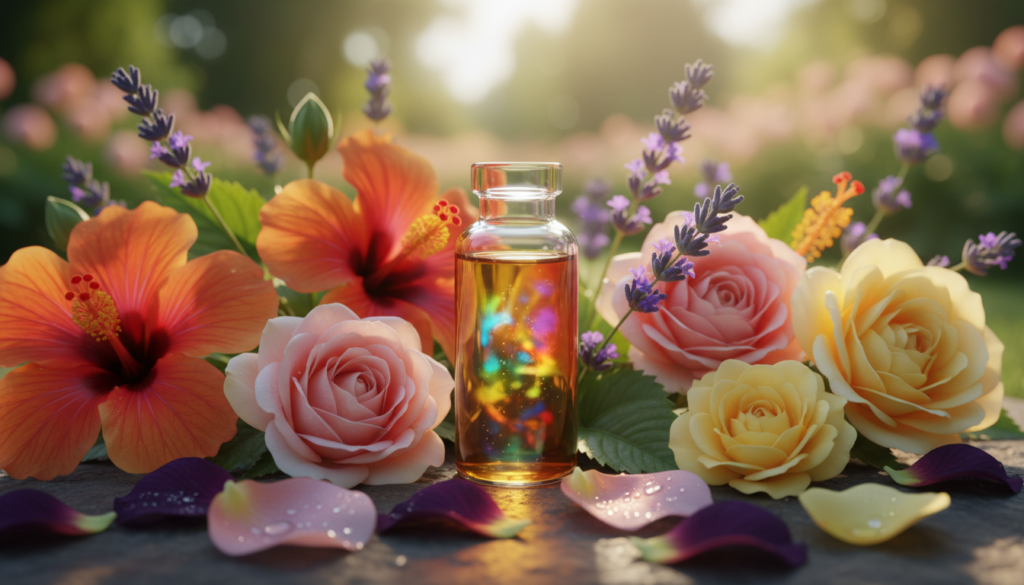
To preserve the color of the flowers, you need to chill them before enrobing to help retain their color. The temperature of the cocoa butter is also crucial; it should be warm enough to coat the flowers evenly but not so hot that it damages the petals. Understanding the terpene profile of the flowers can also help in choosing the right flowers and techniques for preserving their color.

Here are some key factors to consider when preserving flower color:

  • Chill the flowers before enrobing
  • Monitor the temperature of the cocoa butter
  • Handle the flowers gently to prevent damage

Choosing the Right Flowers for Enrobing

Not all flowers are suitable for enrobing. Flowers with high floral terpene content tend to retain their color better. The following table lists some common flowers used for enrobing, along with their typical terpene content:

Flower Terpene Content (%)
Violas 0.5-1.2
Pansies 0.8-1.5
Roses 0.2-0.8

As you can see, violas and pansies have relatively high terpene content, making them ideal for enrobing. By understanding the composition of the flowers and using the right techniques, you can create beautifully preserved flowers that showcase their vibrant colors.
Floral Terpenes

Clear Enrobing Techniques

Clear enrobing techniques are vital for achieving a professional finish in aesthetic pastry. To master this skill, you need to understand the process of tempering cocoa butter and enrobing flowers.

To start, prepare a tempered cocoa butter bath. This involves heating the cocoa butter to a specific temperature, then cooling it down to create a stable crystal structure that gives the cocoa butter a smooth and glossy finish.

  1. Heat the Cocoa Butter: Heat the cocoa butter to around 105°F (40°C) to melt all the crystals.
  2. Cool the Cocoa Butter: Allow it to cool down to around 82°F (28°C) to form the desired crystal structure.
  3. Reheat the Cocoa Butter: Reheat it to around 90°F (32°C) for working temperature.

Once your cocoa butter is tempered, you can proceed to enrobe your flowers. To achieve a clear, even coat, follow these steps:

  1. Prepare Your Flowers: Ensure your flowers are clean and dry.
  2. Dip the Flowers: Dip each flower into the tempered cocoa butter, making sure they are fully coated.
  3. Control the Temperature: Work in an environment where the temperature is controlled to prevent the cocoa butter from melting or becoming too thick.

By following these steps, you can achieve a professional finish on your edible art.
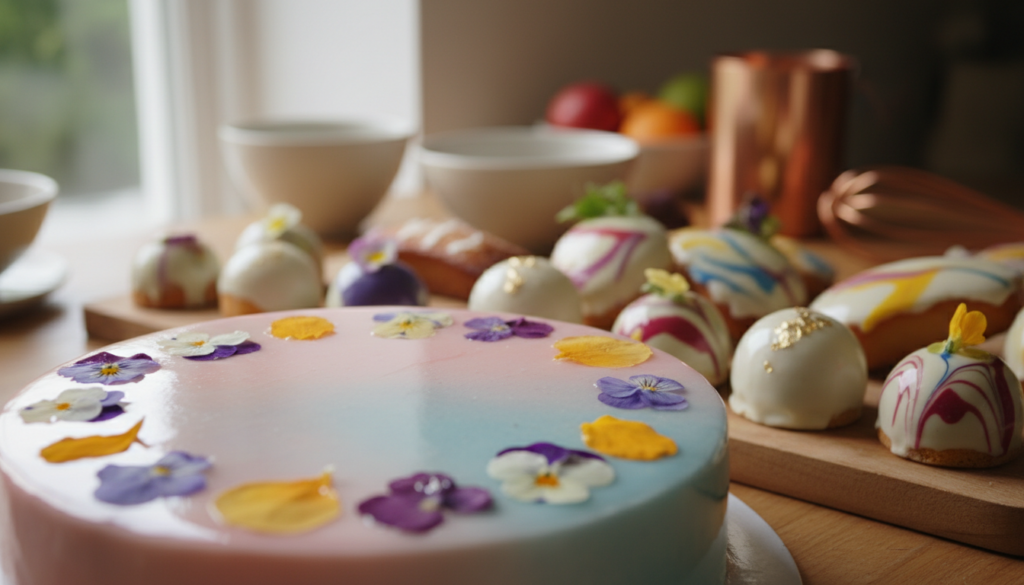
Aesthetic Pastry with Cocoa Butter Enrobed Flowers

Step Description Temperature (°F) Temperature (°C)
1 Heat Cocoa Butter 105 40
2 Cool Cocoa Butter 82 28
3 Reheat Cocoa Butter 90 32

By mastering clear enrobing techniques and following the step-by-step guide, you can create stunning edible art that showcases your aesthetic pastry skills.

Luxury Branding Visuals

To showcase your botanical enrobed flowers in the best possible light, focus on creating a visually stunning presentation that highlights their beauty and luxury. Effective visual marketing can make your products stand out, emphasizing the craftsmanship and unique qualities of your flowers.

The delicate balance of preserving the floral terpenes and maintaining the vibrant colors of the flowers is crucial. Your packaging and display should reflect this attention to detail, using high-quality materials that evoke a sense of luxury.

By carefully designing your product presentation, you can create an immersive brand experience that attracts potential customers and sets your products apart in the market.

FAQ

Which flowers are recommended for creating high-quality botanical enrobing?

To ensure your Edible Art is both safe and visually stunning, you should prioritize edible varieties such as Violas, Pansies, and Roses. Sourcing from reputable suppliers like The Chef’s Garden ensures that the blooms are free from pesticides and have the structural integrity required to withstand the enrobing process.

How do you prevent flower petals from losing their color during the process?

Maintaining the vibrant hues of your Aesthetic Pastry requires careful temperature management. You should chill your flowers briefly before dipping to stabilize the pigments. Furthermore, understanding the specific Floral Terpenes and aromatic compounds of each flower helps you anticipate how they will react to the warm cocoa butter, allowing you to preserve their natural brilliance.

Why is it necessary to use tempered cocoa butter for this technique?

Tempering is the secret to a professional, glossy finish. Using premium brands like Valrhona or Cacao Barry cocoa butter ensures a stable crystal structure. This results in a clear, snap-firm coating that does not melt at room temperature, providing a window-like effect that showcases the intricate details of the encapsulated flower.

What is the ideal working temperature for the cocoa butter bath?

For a flawless application, you should maintain your cocoa butter between 84°F and 86°F (29°C – 30°C). If the temperature is too high, you risk wilting the delicate petals; if it is too low, the coating will be too thick and opaque, obscuring the botanical details you wish to highlight.

How can botanical enrobing enhance your brand’s visual marketing strategy?

Incorporating these flowers into your product line serves as a powerful tool for Visual Marketing. The unique, artisanal nature of enrobed botanicals positions your brand within the luxury market. By focusing on the craftsmanship and the ephemeral beauty of the flowers, you create a compelling narrative that attracts high-end clientele looking for exclusivity and sophistication.

Do the floral terpenes affect the flavor profile of the cocoa butter?

Yes, the Floral Terpenes inherent in the petals will subtly infuse the cocoa butter over time. This creates a multi-sensory experience where the visual beauty of the flower is matched by a delicate, botanical aroma and taste, further elevating the luxury status of your confections.

Leave a Reply

Your email address will not be published. Required fields are marked *