All the world of cacao in one click.

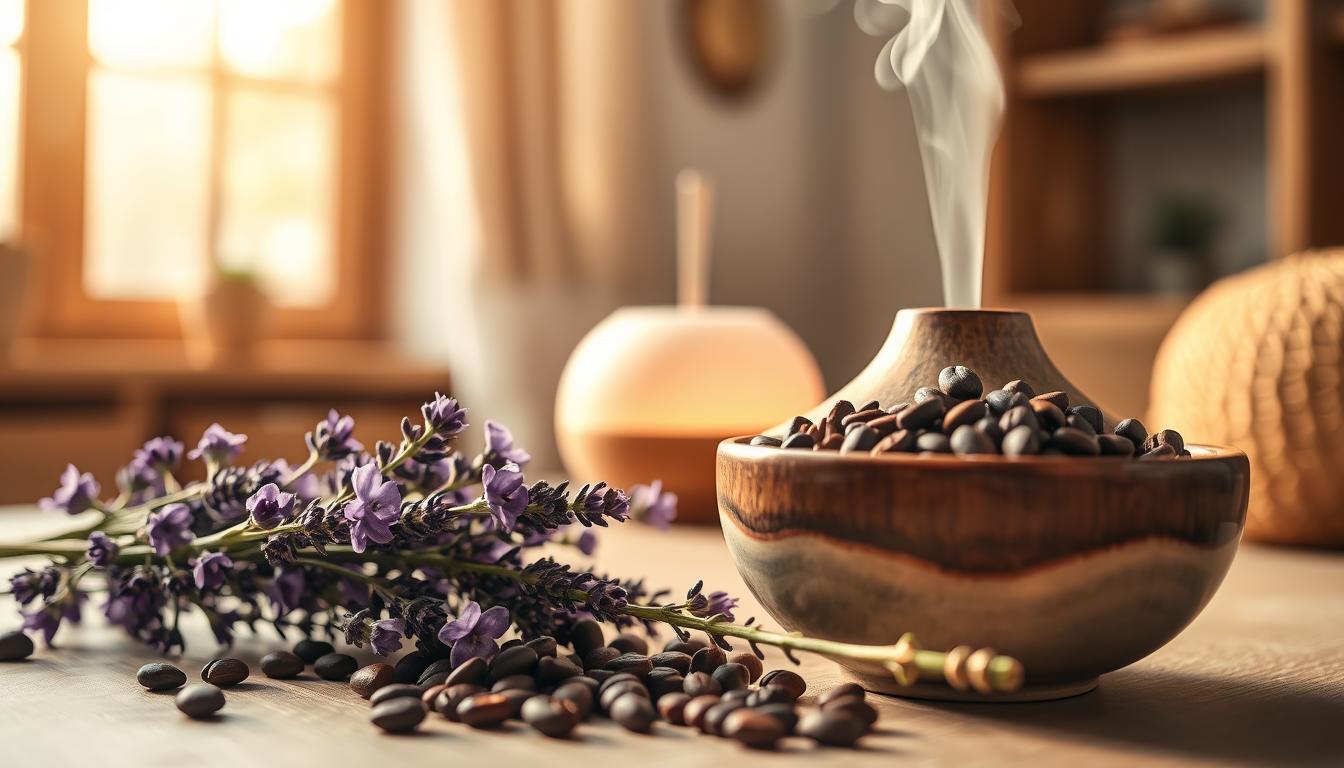
Craft botanical bars with lavender and cacao terpenes to enjoy a relaxing snacking ritual.
You can create a relaxing snacking ritual by crafting unique botanical bars with lavender and cacao terpenes. This simple method uses linalool to improve your daily well-being. Linalool is a key compound found in lavender extract that supports aromatherapy goals.
High-quality cacao provides a rich base for these functional treats. By mixing these ingredients, you develop a powerful tool for natural stress relief. Follow this professional recipe to ensure accuracy and consistency in every batch you make.
| Ingredient | Baker’s Percentage (%) |
|---|---|
| Cacao Paste (High Quality) | 100% |
| Lavender Terpene Extract | 1.5% |
| Raw Honey or Sweetener | 15% |
| Sea Salt | 0.5% |
Follow these steps to complete your infusion:
For those seeking to create calming botanical products, understanding linalool extraction is crucial. Linalool, a key terpene found in lavender, is renowned for its stress-relieving properties. To incorporate edible flowers like lavender into your botanical bars, you need to ensure that the extraction process results in a product that is safe for consumption.
The process of extracting linalool from lavender involves several methods, with steam distillation being one of the most common techniques. This method involves passing steam through the plant material to release its essential oils, which are then collected and concentrated.
Steam distillation is a preferred method for extracting linalool from lavender due to its efficiency and the high quality of the extract it produces. Here are the steps involved in steam distillation:
Understanding the terpene profile of your lavender extract is essential to achieving the desired stress-relieving properties in your final product. The terpene profile will help you identify the concentration of linalool and other terpenes present in the extract.

As noted by experts, “The quality of the essential oil extracted through steam distillation is highly dependent on the quality of the plant material and the precision of the distillation process.”
This emphasizes the need for careful handling and processing of lavender to obtain high-quality linalool extracts.
| Extraction Method | Efficiency | Quality of Extract |
|---|---|---|
| Steam Distillation | High | High |
| Solvent Extraction | Medium | Medium |
| Cold Pressing | Low | Variable |
By merging the rich, bitter taste of high-tannin cacao with the delicate essence of florals, you can craft a snack that embodies relaxation. This combination not only tantalizes your taste buds but also leverages the principles of aromatherapy to enhance stress relief.
The key to successfully pairing high-tannin cacao with florals lies in understanding the role of tannins in cacao and how they interact with floral notes. Tannins contribute to the bitterness and astringency of cacao, but when balanced correctly with floral ingredients, they create a harmonious flavor profile.
Tannins are naturally occurring compounds found in cacao that can provide several health benefits, including antioxidant properties. When you’re crafting a relaxation snack, it’s essential to consider how these compounds interact with other ingredients.
The type of cacao you choose can significantly impact the tannin level in your snack. For instance, high-tannin cacao is often preferred for its robust flavor and potential health benefits. However, it can be quite bitter on its own.
To balance the bitterness of high-tannin cacao, you can incorporate floral notes that not only add a pleasant aroma but also enhance the stress-relieving properties of your snack. Lavender is an excellent choice due to its calming effects and compatibility with cacao.
Here’s a simple recipe to get you started:
| Ingredient | Quantity | Purpose |
|---|---|---|
| High-Tannin Cacao Nibs | 1 cup | Provides bitterness and tannins |
| Dried Lavender Buds | 1/2 cup | Adds floral notes and promotes relaxation |
| Coconut Sugar | 1 tablespoon | Optional sweetener |
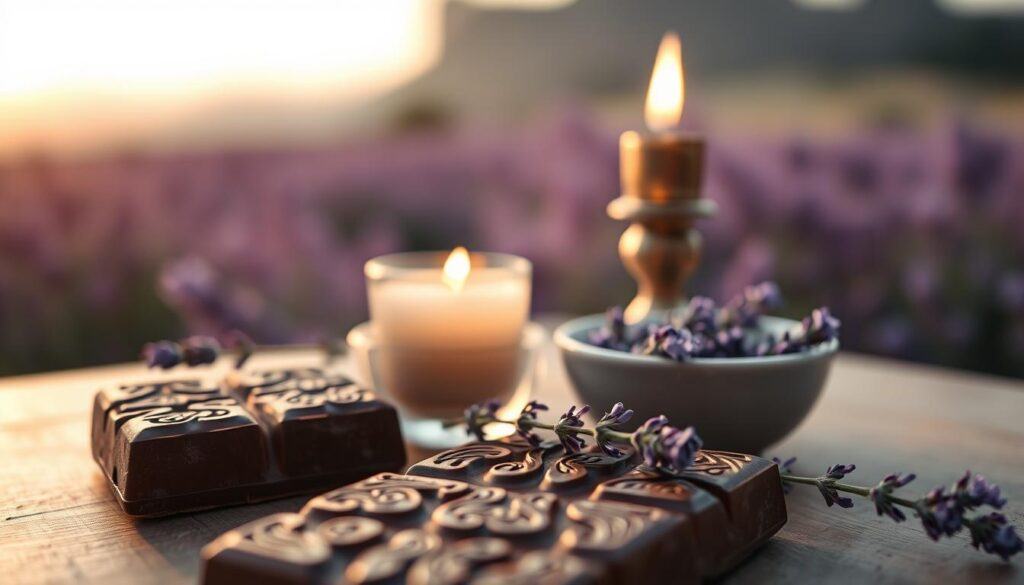
By carefully selecting and balancing these ingredients, you can create a snack that is not only delicious but also promotes relaxation and stress relief through the principles of aromatherapy.
As the temperature rises, your botanical bars can be a refreshing way to unwind. The combination of edible flowers and a carefully crafted terpene profile can enhance the relaxing ambiance of your snacking experience.
Temperature plays a significant role in how relaxing an activity feels. Enjoying a cool, refreshing botanical bar on a warm summer day can be particularly soothing. You can further enhance this experience by incorporating visually appealing elements.
Designing your botanical bars with pressed flowers not only adds to their aesthetic appeal but also ties in with the theme of using edible flowers for relaxation. Here’s a simple recipe to create your own botanical bars:
| Ingredient | Baker’s Percentage |
|---|---|
| Cacao | 60% |
| Lavender | 20% |
| Coconut Sugar | 20% |
By carefully crafting each bar with a consideration for both taste and visual appeal, you can create a truly relaxing snacking ritual that showcases your unique terpene profile.