All the world of cacao in one click.

Discover practical strategies to minimize cadmium uptake in cacao. Our tutorial provides expert insights on Cadmium Mitigation 2026.
To ensure your cacao products meet the stringent EU standards for heavy metals, it’s crucial to minimize cadmium uptake. Understanding your soil’s composition is the first step in this process.
You need to assess the soil’s pH levels and nutrient content to guide the application of amendments that block cadmium absorption. By analyzing your soil and applying the right strategies, you can reduce the risk of cadmium uptake in your cacao.
As the regulations around heavy metals in cacao continue to evolve, being proactive is key. By following a step-by-step process, you can ensure your cacao products are compliant with EU standards.
With 2026 on the horizon, minimizing cadmium uptake in cacao is becoming increasingly important. As regulations around cadmium levels in food products tighten, understanding and mitigating cadmium absorption in cacao plants is crucial for farmers and the industry as a whole.
Cadmium uptake in plants is a complex process influenced by several factors. Soil pH is one of the critical factors that affect how much cadmium is absorbed by cacao plants. Testing your soil’s pH is the first step towards managing cadmium levels.
Several factors influence cadmium absorption, including:
To effectively minimize cadmium uptake, you need to understand these factors and how they interact. Here’s a step-by-step guide to assessing and adjusting your soil conditions:
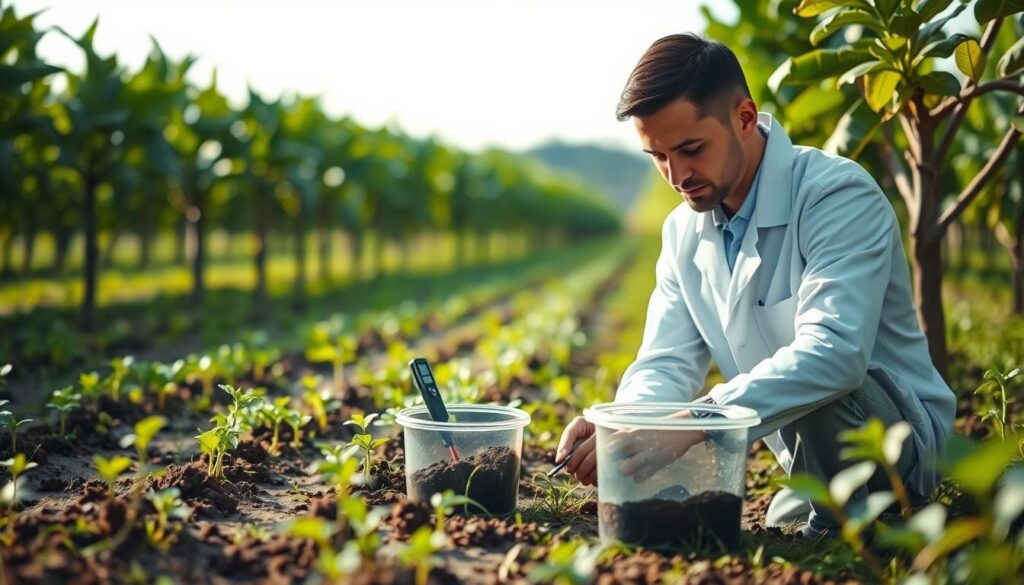
Adjusting your soil’s pH can significantly impact cadmium absorption. Here’s a simple table to illustrate how different pH levels can affect cadmium uptake:
| pH Level | Cadmium Uptake | Recommended Action |
|---|---|---|
| Below 6.0 | High | Apply lime to raise pH |
| 6.0-7.0 | Moderate | Monitor and adjust as necessary |
| Above 7.0 | Low | Maintain current pH level |
By understanding and managing these factors, you can reduce cadmium uptake in your cacao plants, ensuring compliance with future regulations and contributing to a healthier and more sustainable cacao industry.
One effective strategy to block cadmium absorption is by adjusting the soil’s pH levels. By modifying the soil’s acidity, you can significantly reduce the availability of cadmium for uptake by cacao plants.
To achieve the desired pH adjustment, lime application is a commonly used technique. The process involves calculating the right amount of lime to apply based on the current soil pH and the desired level.
To determine the correct amount of lime, you need to consider the soil’s current pH and its buffering capacity. The goal is to raise the pH to a level where cadmium availability is minimized.
Here’s a step-by-step guide to calculating and applying lime:
The proportions of lime to soil can be understood using a Baker’s percentage, similar to how ingredients are measured in baking. The following table illustrates the proportions:
| Soil pH | Target pH | Lime Application Rate (%) |
|---|---|---|
| 5.5 | 6.5 | 0.2 |
| 5.0 | 6.5 | 0.35 |
| 4.5 | 6.5 | 0.5 |
By following these steps and using the table as a guide, you can effectively adjust your soil’s pH to minimize cadmium uptake in cacao.
In the quest to minimize cadmium absorption by cacao plants, biochar presents a promising solution through its soil remediation capabilities. Biochar, a form of charcoal, is produced through the pyrolysis of organic materials. Its application in agricultural soils has been recognized for its potential to mitigate heavy metal contamination.
You can leverage biochar’s benefits by understanding its interaction with heavy metals like cadmium. Biochar’s porous structure and surface chemistry enable it to adsorb heavy metals, reducing their availability for plant uptake. This characteristic makes it an effective tool in your soil management strategy.
To effectively apply biochar for cadmium reduction, follow a step-by-step approach. First, prepare the biochar by ensuring it’s free from contaminants and has the appropriate particle size for your soil type.
Step-by-Step Biochar Application Guide:
A general guideline for biochar application rates is provided in the following table:
| Soil Type | Biochar Application Rate (tons/acre) | Expected Cadmium Reduction (%) |
|---|---|---|
| Clay | 2-3 | 20-30 |
| Sandy Loam | 1-2 | 15-25 |
| Loamy Clay | 3-4 | 30-40 |
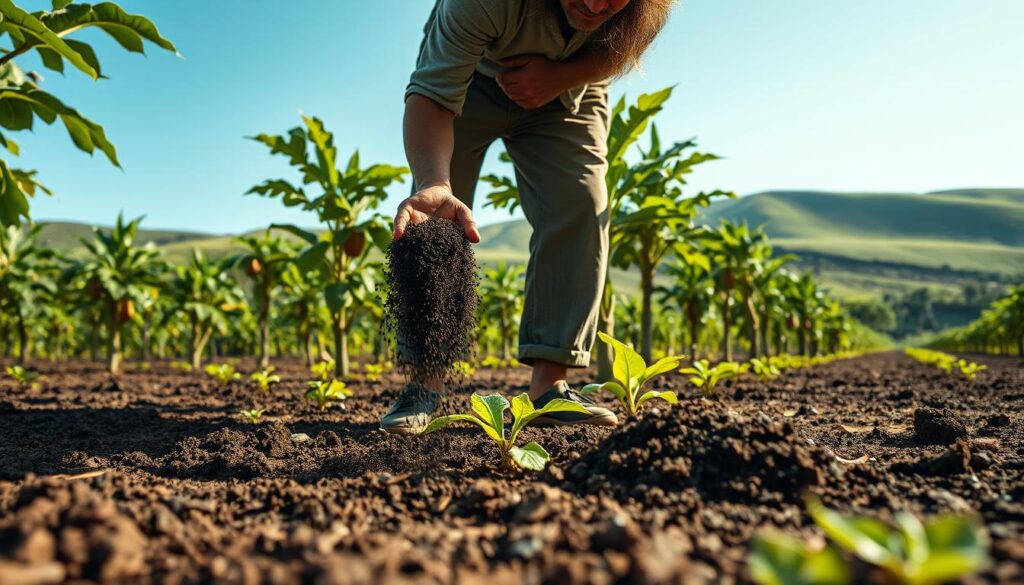
By incorporating biochar into your soil management strategy, you can significantly reduce cadmium uptake by cacao plants. Regular monitoring of soil health and plant response will help you adjust the biochar application rate for optimal results.
Genetic research has led to the development of cacao varietals with inherently low cadmium uptake. By selecting the right rootstock, you can significantly reduce cadmium accumulation in your cacao plants.
To cultivate low-cadmium cacao, follow these steps for rootstock selection:
1. Identify varietals bred for low cadmium uptake.
2. Assess the soil conditions to ensure they match the varietal’s requirements.
3. Prepare the soil with appropriate amendments to support healthy plant growth.
By adopting these low-uptake varietals, you can ensure your cacao products meet the stringent EU standards for cadmium.
Rootstock selection is crucial in maintaining low cadmium levels throughout the plant’s lifecycle. By choosing the right varietal, you can minimize cadmium uptake and improve the overall quality of your cacao.