All the world of cacao in one click.

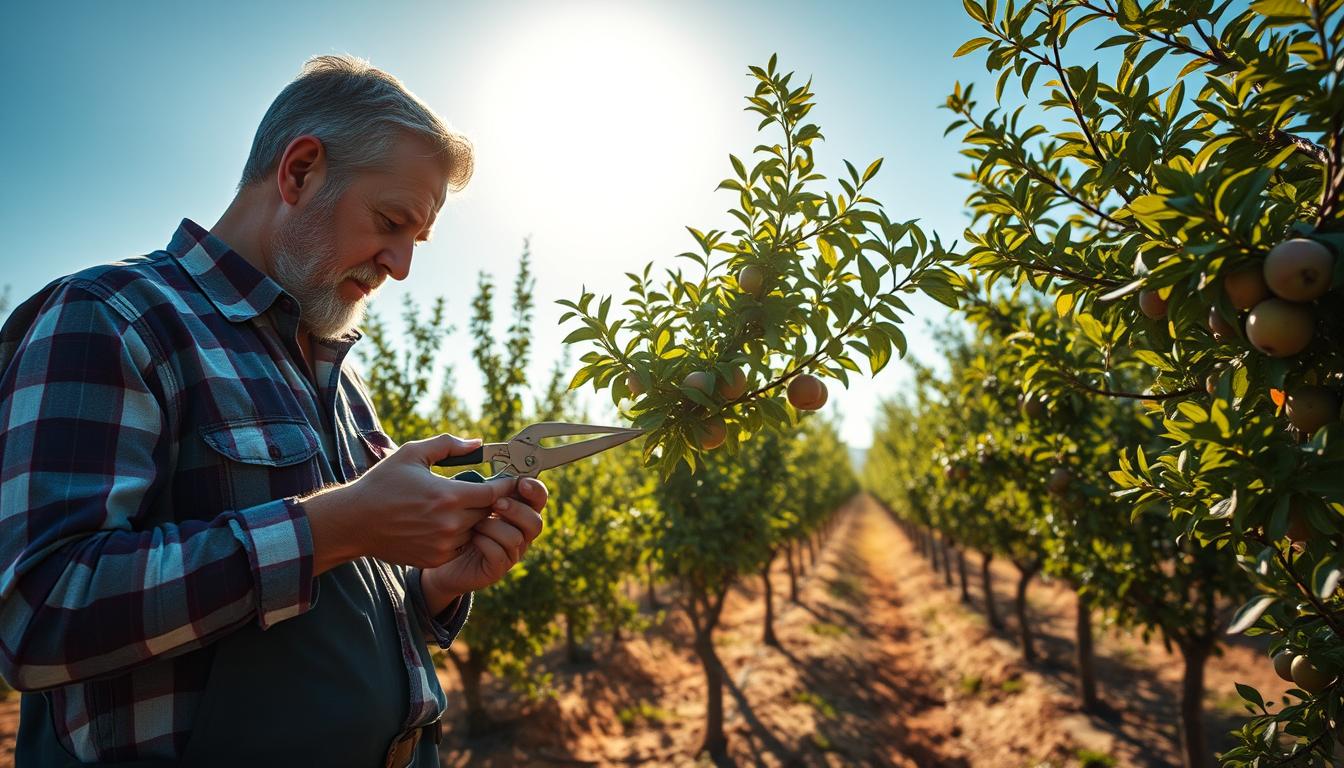
Discover climate-resilient pruning techniques to balance yield and tree health under heat stress. Expert tutorial for 2026.
As you look to optimize your pruning techniques for 2026, understanding the basics of climate-resilient practices is crucial. Effective canopy management allows for optimal light penetration, which is vital for photosynthesis and, consequently, yield.
Begin by assessing your current canopy management practices. Create a table to track different pruning techniques and their effects on light penetration and yield. This data will help you make informed decisions to balance yield and tree health under heat stress.
Understanding the physiology of the cacao tree under heat stress is crucial for effective climate-resilient pruning. As you manage your cacao plantation, it’s essential to recognize how heat stress impacts the tree’s physiological processes.
The cacao tree’s physiological response to heat stress is complex, involving various mechanisms that affect its overall health and productivity. Sap flow, or the rate at which water and nutrients are transported through the tree, is particularly susceptible to heat stress.
To assess the impact of heat stress on your cacao trees, follow these steps:
Heat stress can lead to reduced sap flow, impacting the tree’s ability to transport nutrients and maintain its physiological balance. By understanding these impacts, you can adopt climate-resilient pruning practices that support the health and productivity of your cacao trees.
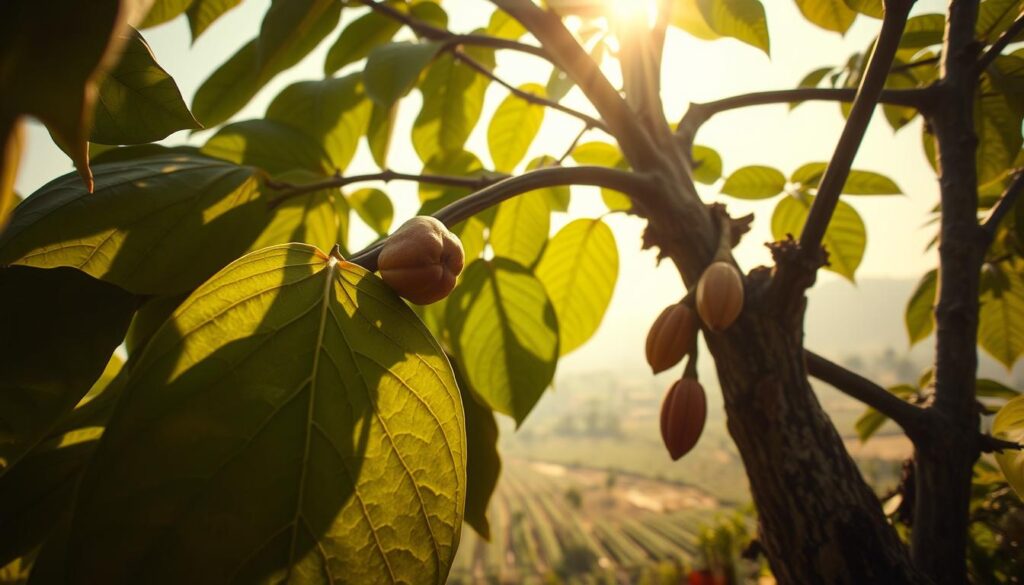
Effective pruning not only enhances light penetration but also promotes a balanced structure that supports the tree’s physiological needs under heat stress. By applying these principles, you can improve the resilience of your cacao plantation.
To maximize your cacao yield, it’s crucial to implement structural pruning techniques. This approach not only enhances the tree’s structure but also improves overall productivity. By focusing on the tree’s architecture, you can optimize canopy management, which is vital for maximizing yield and reducing disease incidence.
The core principle of structural pruning involves creating a balanced and open canopy. This allows for better light penetration and air circulation, which are critical for healthy tree development and disease control. A well-structured tree is more resilient to environmental stresses and less susceptible to pests and diseases.
To achieve this, you should follow a ‘recipe’ for structural pruning that allocates your pruning efforts effectively. The allocation should be as follows:
| Pruning Focus | Percentage |
|---|---|
| Removing dead or diseased branches | 60% |
| Shaping the tree for optimal light penetration | 20% |
| Enhancing air circulation | 20% |
When it comes to maximizing yield, the technique is just as important as the principle. You should start by removing any dead or diseased branches, as these can be a conduit for disease and pest infestation. Use clean and sharp tools to prevent spreading diseases.
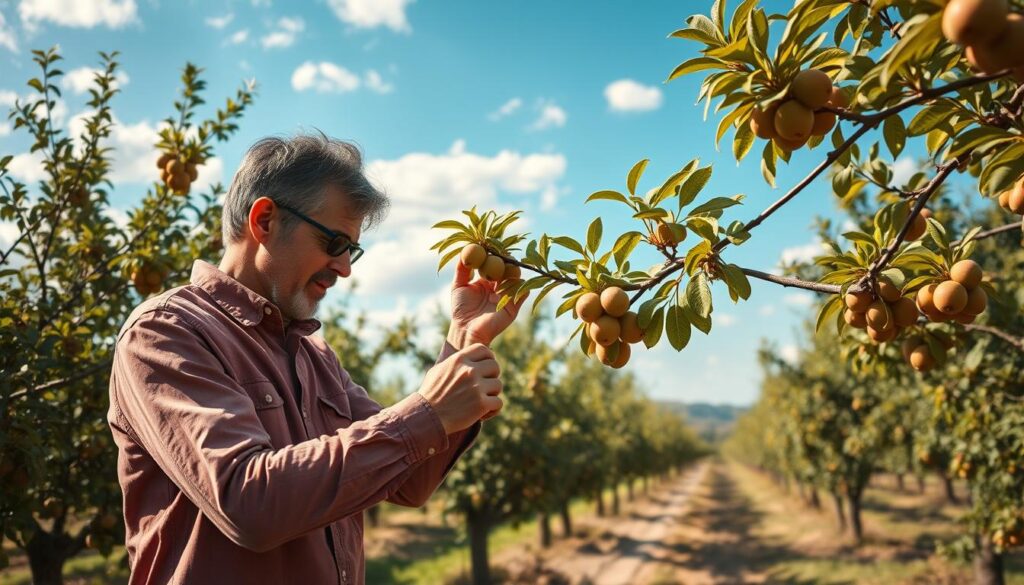
Next, shape your cacao trees to allow for optimal light penetration. This involves thinning out the canopy to let sunlight reach the inner branches, promoting healthy growth and fruiting. Finally, enhance air circulation around the trees by pruning branches that are too dense, thereby reducing the risk of disease.
By adopting these climate-resilient pruning practices, you can significantly improve your cacao tree’s yield and overall health. Regular pruning not only maximizes yield but also contributes to a more sustainable and resilient cacao plantation.
Managing pests through canopy airflow is a key strategy for climate-resilient pruning in cacao plantations. By optimizing airflow within the canopy, you can reduce the incidence of diseases and promote healthy sap flow, ultimately leading to better tree health and productivity.
Canopy airflow is crucial for maintaining a healthy cacao plantation. It helps in reducing humidity within the canopy, which in turn decreases the likelihood of fungal diseases that thrive in moist environments. Moreover, good airflow facilitates the healthy circulation of sap, contributing to the overall vigor of the trees.
To enhance canopy airflow, follow these steps:
Here’s a summary of how different pruning techniques can impact canopy airflow and pest management:
| Pruning Technique | Impact on Airflow | Pest Management Benefit |
|---|---|---|
| Thinning out the canopy | Increased airflow | Reduced disease incidence |
| Removing weeds | Improved air circulation | Less competition for cacao trees |
| Monitoring pest populations | Targeted pruning strategies | Better pest control |
Rejuvenating aging cacao plantations requires a thoughtful approach to pruning, focusing on stimulating new growth while maintaining overall Tree health. Effective Canopy management is crucial in this process, as part of a broader Climate-Resilient Pruning strategy.
To revitalize aging trees, cut back branches by 30% to stimulate new growth. This Tree rejuvenation technique helps trees adapt to environmental stresses, ensuring their continued productivity.
Sterilizing your pruning tools with a 10% bleach solution between cuts is essential to prevent the spread of diseases. Proper tool sterilization is a critical step in maintaining the health of your cacao trees during the rejuvenation process.
By incorporating these techniques into your pruning routine, you can promote healthy Tree rejuvenation and improve overall Canopy management, ultimately enhancing the resilience and productivity of your cacao plantation.