All the world of cacao in one click.

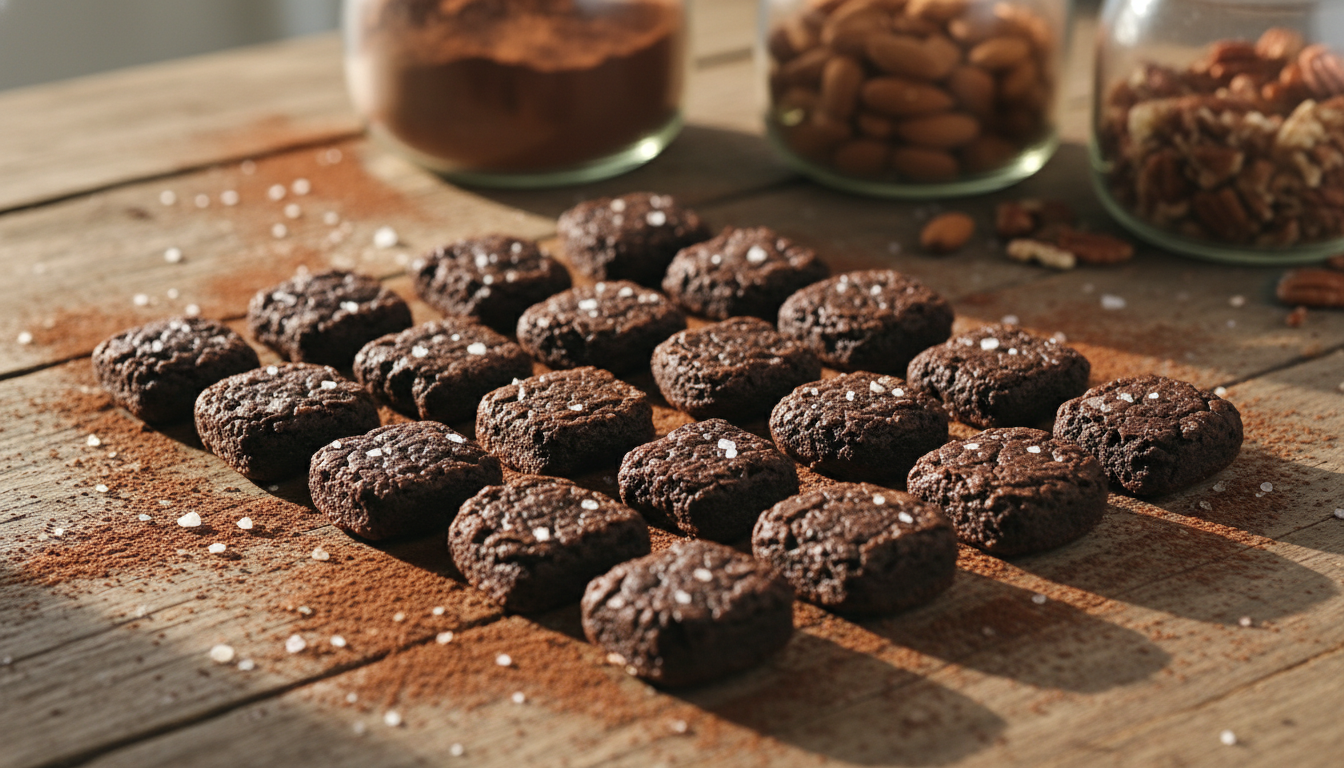
Discover how to make dehydrated chocolate brownie bites with extended shelf-life. Reduce water activity for delicious, shelf-stable treats.
Managing moisture is a vital skill for any professional baker. You must understand how Aw Control influences the texture and safety of your creations. By lowering water activity, you stop the growth of bacteria and mold effectively.
This method ensures your products stay fresh on the shelf for weeks. You will learn to formulate a recipe that balances rich taste with stability. Follow these steps to produce high-quality Dehydrated Choc snacks for your customers.
Use this table to ensure your proportions are perfect. Baker’s percentage treats the weight of flour as 100% to keep your formula scalable.
| Ingredient | Baker’s Percentage (%) |
|---|---|
| All-Purpose Flour | 100% |
| Cocoa Powder | 65% |
| Granulated Sugar | 190% |
| Unsalted Butter | 115% |
| Whole Eggs | 85% |
Follow these numbered steps to achieve the ideal texture and shelf stability:
Water activity (Aw) plays a significant role in the quality and shelf-life of pastry products, including dehydrated brownie bites. As you venture into producing dehydrated chocolate products, understanding Aw is vital for ensuring the stability and longevity of your final product.
Aw is a measure of the energy status of water in a system, which directly affects the growth of microorganisms and the texture of the final product. In the context of pastry production, Aw is crucial because it influences the product’s susceptibility to spoilage and its overall quality.
To comprehend Aw, it’s essential to recognize that it’s not just about the moisture content of the product, but rather about the availability of water for microbial growth and chemical reactions. Water activity is measured on a scale from 0 to 1, where 0 represents a completely dry product and 1 represents pure water.
A lower Aw indicates a lower risk of microbial growth and spoilage, making it a critical factor in the production of dehydrated products like brownie bites. For outdoor nutrition products, such as dehydrated chocolate, controlling Aw is vital to ensure they remain stable and safe for consumption over time.
“The control of water activity is a critical step in the production of shelf-stable foods, as it directly impacts the product’s safety and quality.”
Here is a simple representation of how Aw affects different aspects of pastry products:
| Aw Range | Effect on Pastry Products | Microbial Growth |
|---|---|---|
| 0.0 – 0.3 | Very dry, potential texture issues | Minimal to no growth |
| 0.3 – 0.6 | Dry, stable for dehydrated products | Limited growth |
| 0.6 – 1.0 | Increasing risk of spoilage | Significant growth possible |
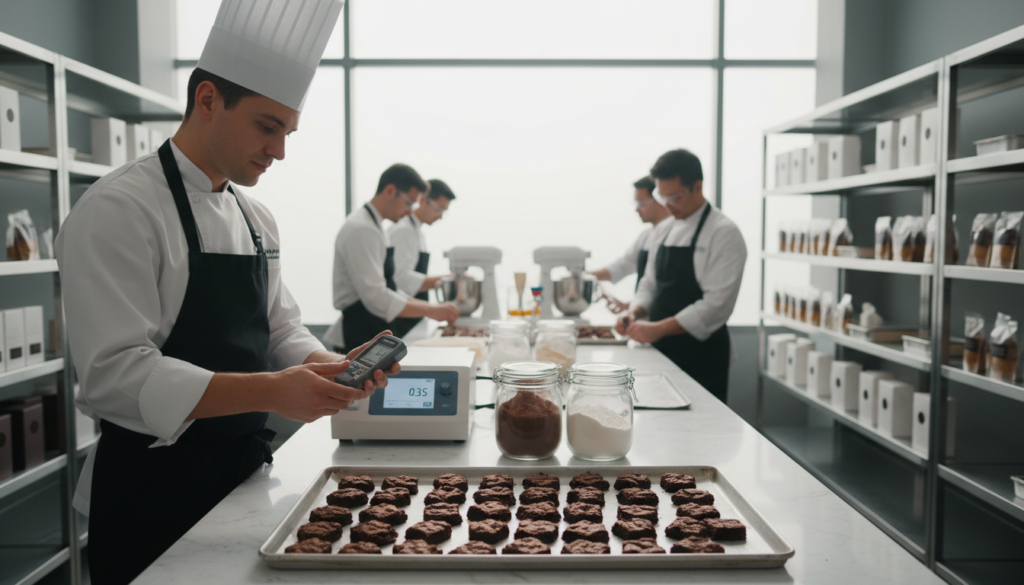
By understanding and controlling Aw, you can optimize your dehydration process to produce high-quality dehydrated brownie bites that meet the standards for outdoor nutrition products.
When it comes to creating dehydrated brownie bites, understanding the distinction between dehydration and baking is crucial. Both processes yield different results in terms of texture and shelf-life.
Dehydration involves removing moisture from the ingredients at lower temperatures over a longer period, whereas baking cooks the ingredients at high temperatures for a shorter duration. This fundamental difference affects the final product’s characteristics.
The primary distinction between dehydration and baking lies in the temperature and duration of the process. Dehydration occurs at lower temperatures, typically between 135°F to 155°F, for an extended period. In contrast, baking involves higher temperatures, usually around 350°F, for a shorter time.
This difference in temperature and time impacts the final product’s texture and flavor. Dehydrated products tend to retain more of their natural flavors and nutrients because they are not exposed to high heat.
The process of dehydration significantly influences the texture and shelf-life of your brownie bites. By removing moisture, dehydration creates an environment that is less conducive to microbial growth, thereby extending the product’s shelf-life.
As noted by food preservation experts, “Dehydration is a highly effective method for preserving food, as it inhibits the growth of bacteria, yeast, and mold.”
“Dehydration is one of the oldest methods of preserving food, and when done correctly, it can result in products that are not only shelf-stable but also retain much of their original flavor and nutritional value.”
| Process | Temperature | Duration | Impact on Texture | Impact on Shelf-Life |
|---|---|---|---|---|
| Dehydration | 135°F – 155°F | Longer | Drier, Chewier | Extended |
| Baking | Around 350°F | Shorter | Varied, often softer | Shorter |
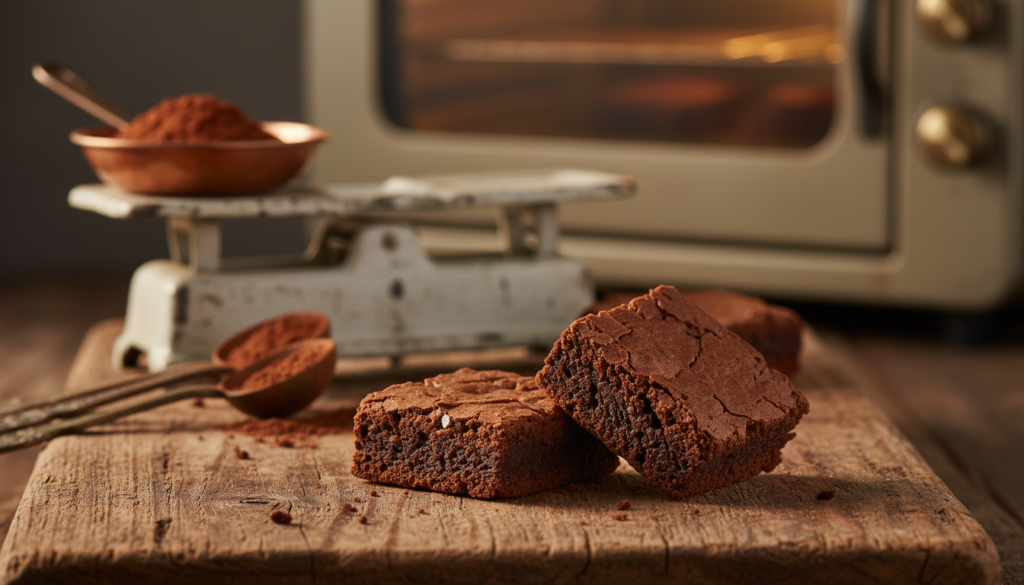
By understanding the principles behind dehydration and its impact on texture engineering and dehydrated choc products, you can create brownie bites that are not only delicious but also have a longer shelf-life.
Evaluating the shelf-life of your dehydrated brownie bites is crucial to ensure their quality and safety. After formulating your recipe and producing the dehydrated products, stability testing is essential to determine their preservation.
The 6-month stability data for dehydrated brownie bites shows promising results. With proper packaging and storage, these Dehydrated Choc treats maintain their texture and flavor over time. The dehydration process effectively reduces water activity, thereby enhancing Preservation and extending shelf-life.
By analyzing the 6-month stability data, you can confidently assess the quality and safety of your dehydrated brownie bites. This information helps you understand the effectiveness of the dehydration process in preserving your products.