All the world of cacao in one click.

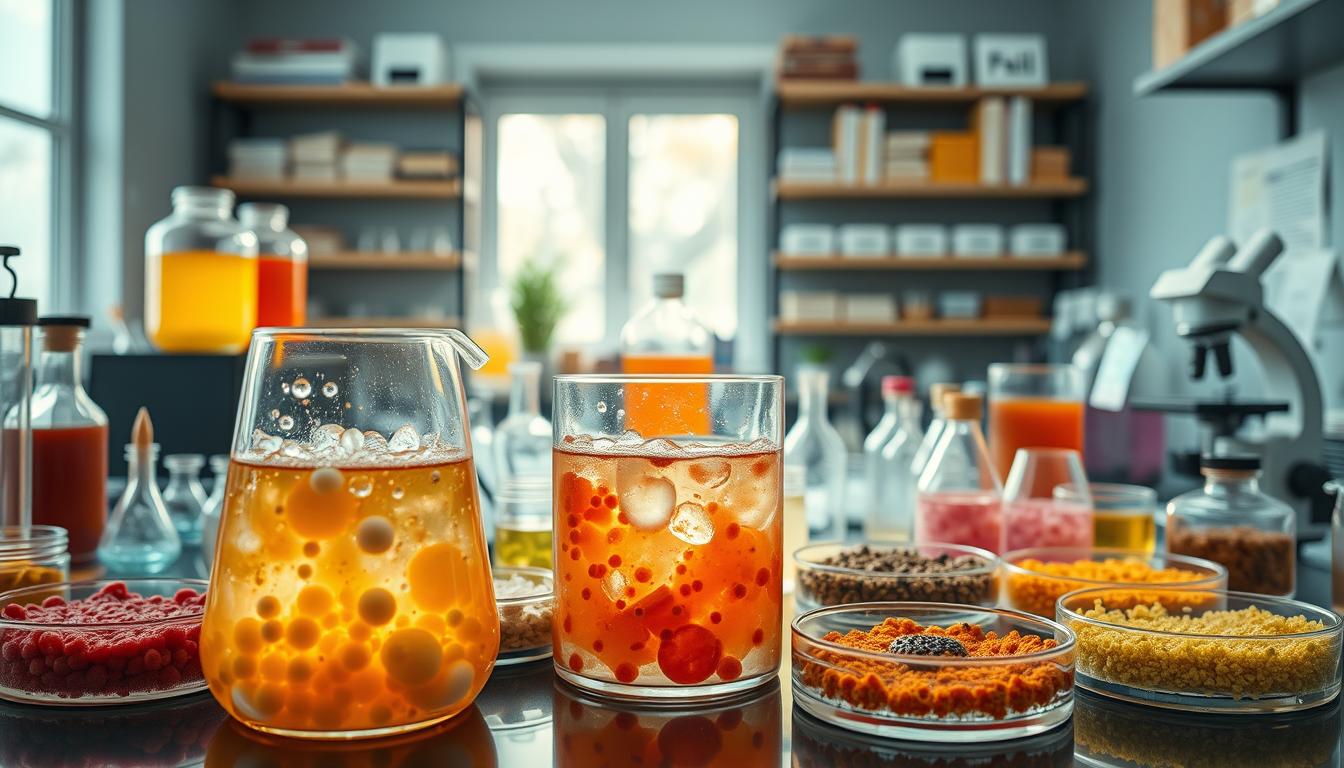
Elevate your fermentation game for 2026 with our advanced protocols. Master flavor profiles and stay ahead of the curve.
To elevate your fermentation game, you need to master advanced protocols tailored for the 2026 market. This involves understanding the intricacies of the fermentation process, starting with precise measurements and controlled conditions.
You begin by preparing your ingredients according to the Baker’s percentage, ensuring that your microbial starters are of high quality and suitable for the type of fermentation you are undertaking. This foundational step is crucial for achieving the desired flavor profiles.
The science behind controlled fermentation involves a delicate balance of microorganisms, temperature, and time to create the desired flavors. By understanding and manipulating these factors, you can significantly enhance the quality and consistency of your fermentation products.
Controlled fermentation is not just about letting ingredients sit; it’s a process that requires careful monitoring and adjustments. Temperature tracking is one of the critical aspects, as it directly influences the activity of microorganisms and the overall fermentation dynamics.
Fermentation dynamics are influenced by several factors, including the type of microorganisms, the substrate they are fermenting, temperature, and pH levels. To achieve the desired flavor profiles, it’s essential to understand how these factors interact.
Here are the key steps involved in managing fermentation dynamics:
Microorganisms are the backbone of fermentation. They break down the ingredients, producing compounds that contribute to the flavor, texture, and aroma of the final product. Different types of microorganisms can be used, depending on the desired outcome.
“The right microorganisms can make all the difference in fermentation. By selecting the appropriate strains, you can significantly impact the flavor profile of your product.”
A comparative analysis of different microorganisms and their effects on fermentation is shown in the table below:
| Microorganism | Fermentation Product | Flavor Profile |
|---|---|---|
| Saccharomyces cerevisiae | Ethanol | Fruity, Floral |
| Lactobacillus plantarum | Lactic Acid | Sour, Umami |
| Aspergillus oryzae | Enzymes | Nutty, Sweet |
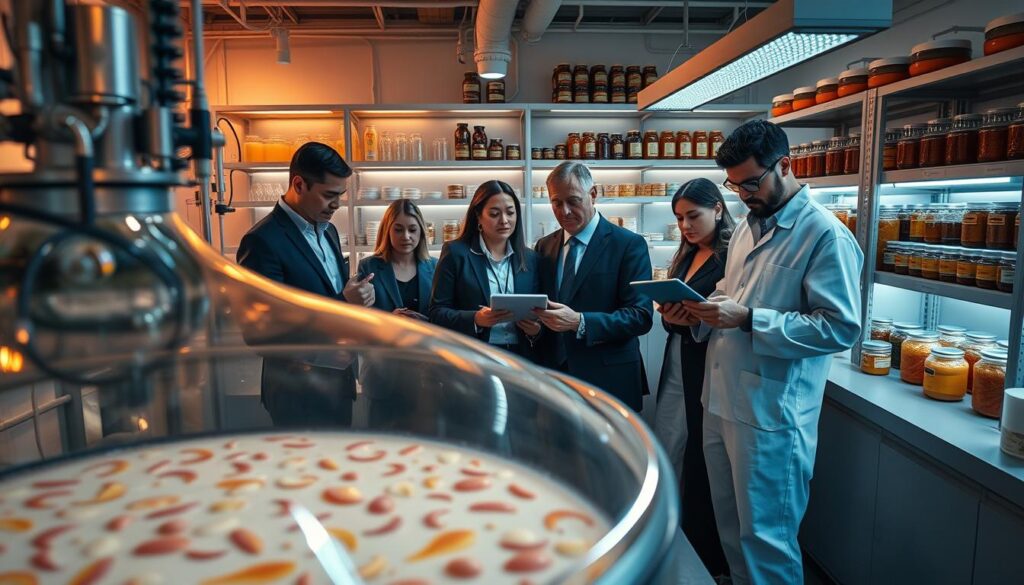
By understanding the role of microorganisms and controlling the fermentation conditions, you can achieve consistent and high-quality products. The future of fermentation lies in precision and control, enabling producers to craft unique flavor profiles that meet the demands of the 2026 market.
Monitoring pH and temperature in real-time allows for precise control over fermentation conditions. This is crucial for achieving optimal flavor profiles in your final product. By keeping a close eye on these parameters, you can make adjustments as needed to ensure that your fermentation process stays on track.
Real-time monitoring is essential for several reasons. Firstly, it enables you to maintain optimal conditions for fermentation, which directly impacts the quality and consistency of your product. Secondly, it allows for the early detection of any deviations from the desired parameters, enabling prompt corrective action.
To effectively monitor pH and temperature, follow these steps:
By following these steps and utilizing real-time monitoring, you can ensure consistent quality and flavor in your fermentation products. The importance of temperature tracking cannot be overstated, as it directly affects the fermentation dynamics and ultimately, the flavor profile of your product.
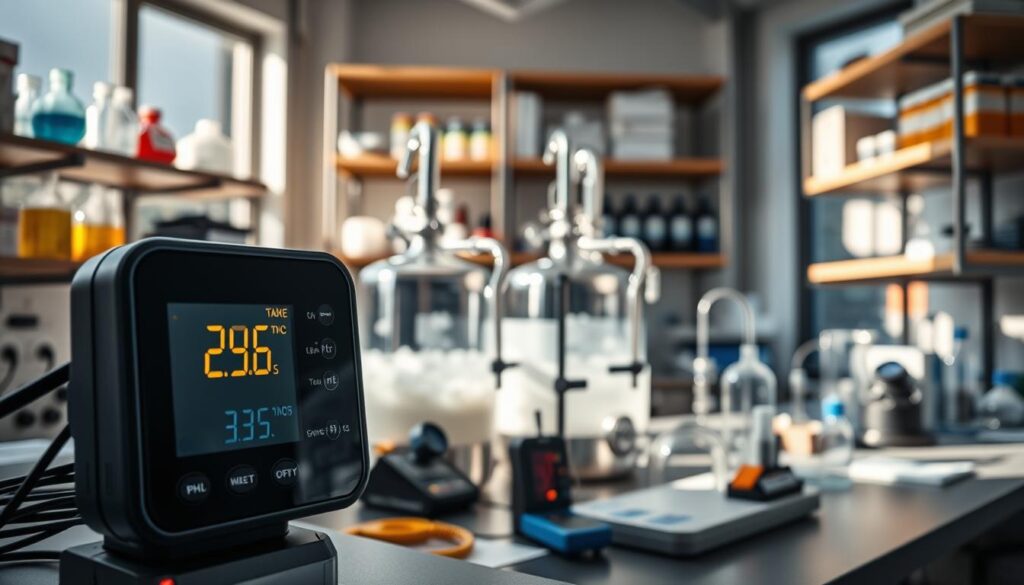
In conclusion, real-time monitoring of pH and temperature is a critical component of advanced fermentation protocols. By understanding the importance of this monitoring and implementing the necessary steps, you can optimize your fermentation processes for the best possible outcomes.
Optimizing your fermentation process with yeast starters can significantly enhance flavor consistency. Yeast starters are crucial for achieving consistent flavor profiles in your fermentation products. By carefully selecting and managing yeast starters, you can ensure that your products have the desired flavor characteristics.
Choosing the appropriate yeast starter is vital for the success of your fermentation process. The type of yeast starter you select should be based on the specific requirements of your product, including the desired flavor profile and the conditions under which fermentation will occur.
Key Considerations for Yeast Starter Selection:
Effective management of yeast starter cultures involves maintaining optimal conditions for their growth and activity. This includes monitoring and adjusting the sugar content to support the yeast’s metabolic processes.
Here’s an example of how to formulate a yeast starter culture with the right ingredients and their proportions:
| Ingredient | Baker’s Percentage (%) |
|---|---|
| Flour | 100 |
| Water | 60 |
| Sugar | 5 |
| Yeast | 2 |
| Salt | 1 |
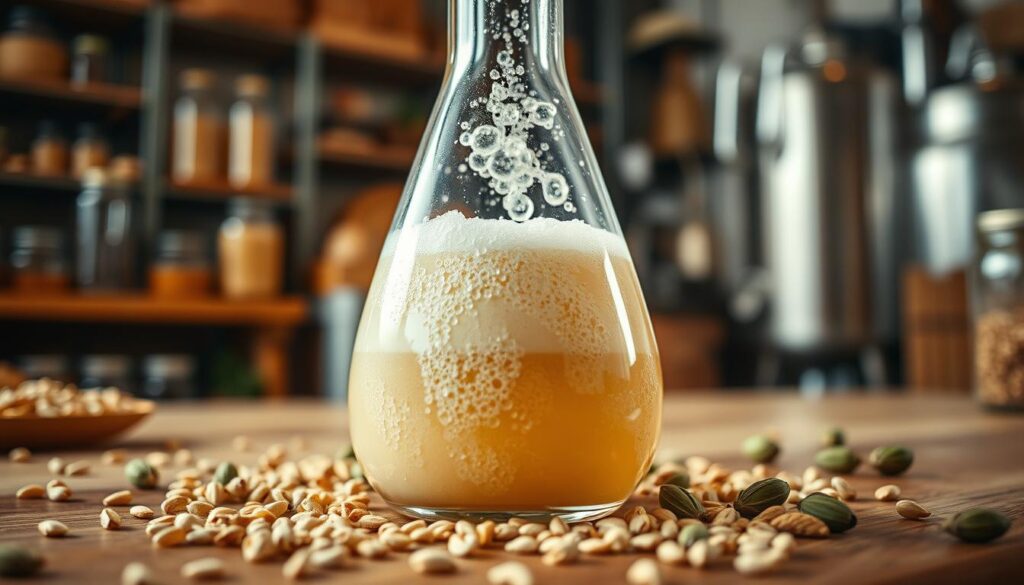
By managing the yeast starter cultures effectively, you can ensure consistent production of the desired flavor precursors, ultimately leading to a more consistent and high-quality final product.
After fermentation, assessing your product is crucial to determine its quality and flavor profile. You need to evaluate the compounds that contribute to the final taste, including flavor precursors and acetic acid levels.
Techniques such as gas chromatography can be used to assess the levels of various compounds in your final product. By understanding the composition of your product, you can make adjustments to the fermentation process to achieve the desired flavor profiles.
Evaluating flavor precursors is essential to refine your fermentation protocols. You can use the data from post-fermentation assessments to optimize your process, ensuring consistent and high-quality products.