All the world of cacao in one click.

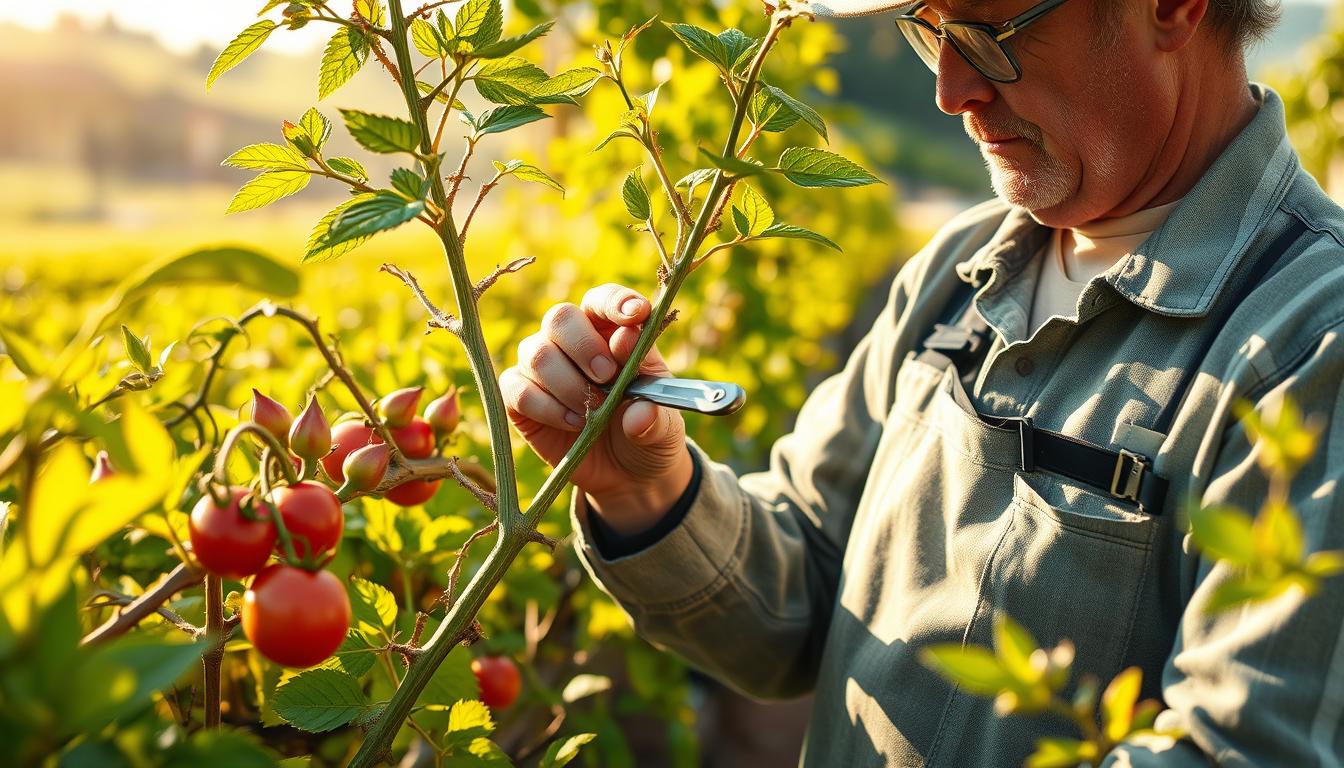
Master the art of grafting for high-flavor clones. Our 2026 guide covers essential genetics & grafting techniques to boost your productivity.
To accelerate productivity for high-flavor clones, understanding the basics of top-working is crucial. This technique involves combining the desirable qualities of a stem (scion) from one plant with the root system (rootstock) of another. By doing so, you can enhance the flavor profile of your clones while leveraging the vigor and compatibility of a robust rootstock.
Here’s a basic recipe for top-working grafting: You’ll need scion wood and rootstock, selected based on desired traits and vigor, respectively. The ingredients are as follows: Scion wood (100%), Rootstock (100%), Grafting tape (as needed), and Wax or sealant (as needed).
To achieve optimal grafting results, it’s essential to select scions that can withstand various climatic stresses. The process of budwood selection plays a critical role in this endeavor. By choosing scions with the right genetic makeup, you can significantly enhance the resilience and productivity of your grafted plants.
Understanding the genetics behind scion selection is vital for choosing climate-resilient scions. Scion genetics determine how well a grafted plant can adapt to different climatic conditions. Genetic diversity is key to ensuring that your scions can withstand a range of environmental stresses.
Evaluating the performance of scions under different climatic conditions is crucial for validating their resilience. Here are the steps to follow:
As noted by a leading horticulturist,
“The future of grafting lies in our ability to select and cultivate scions that are not only productive but also resilient to climate change.”
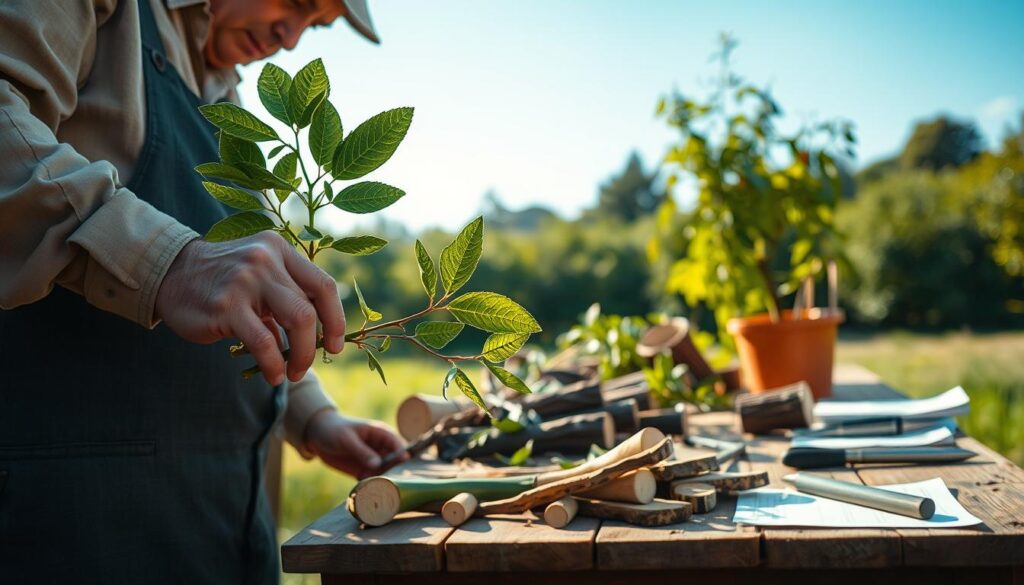
By following these steps and understanding the importance of budwood selection, you can improve the success rate of your grafting endeavors. Climate-resilient scions are better equipped to handle the challenges posed by changing weather patterns, ensuring a more sustainable and productive grafting practice.
By applying advanced top-working procedures, you can significantly improve the genetic diversity of your orchard. This technique involves grafting scions onto established trees to change their variety or improve their productivity.
To ensure the success of top-working, several key factors must be considered. First, the selection of scion wood is critical. You will need 150% of the required amount to account for potential failures during the grafting process.
| Material | Percentage |
|---|---|
| Scion wood | 150% |
| Grafting tape | 100% |
| Wax or sealant | 50% |
As noted by a horticulture expert,
“The key to successful top-working lies in the meticulous preparation and care of both the scion and the rootstock.”
After completing the top-working procedure, it’s crucial to monitor the grafted trees closely. Ensure that the grafting tape is not too tight, as this can damage the scion. Regularly inspect the trees for signs of disease or graft failure.
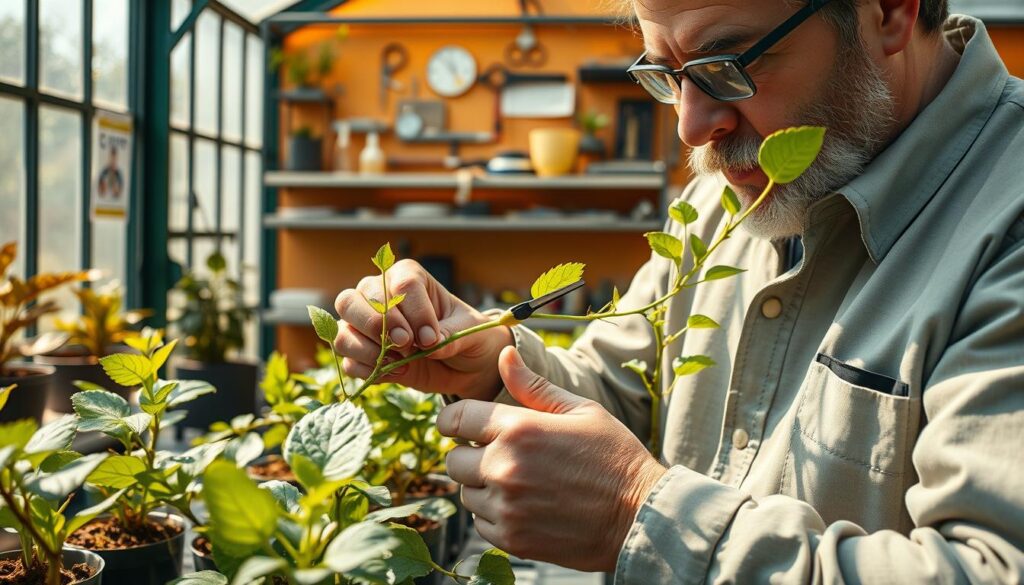
Maintaining a record of your top-working procedures can help you refine your techniques over time. Consider factors such as the compatibility of scion and rootstock, environmental conditions, and post-grafting care when evaluating the success of your top-working efforts.
As we move into 2026, optimizing nursery conditions has become a key factor in grafting success. The ability to adapt grafting techniques to the changing climate is crucial for improving success rates. Climate adaptation is no longer just a consideration; it’s a necessity for nurseries aiming to thrive.
To optimize nursery conditions, you need to focus on several key factors. Monitoring and adjusting temperature and humidity levels is essential. This can be achieved through the use of advanced climate-controlled greenhouses.
“The right environment is crucial for the success of grafting. It’s not just about the plants; it’s about creating a microclimate that fosters growth.”

Enhancing grafting success rates involves a combination of good nursery management practices and the right grafting techniques. One strategy is to ensure that the scion and rootstock are compatible, which can significantly improve the chances of a successful graft.
Key strategies include:
“The future of grafting lies in our ability to adapt to changing conditions. By focusing on climate-resilient practices, we can ensure the long-term success of our grafting efforts.”
As you expand your grafting operations, establishing regional germplasm centers becomes crucial for long-term success. Effective nursery management plays a vital role in this process, ensuring the healthy growth of grafted plants.
Regional germplasm centers serve as hubs for diverse and climate-resilient germplasm. You can maintain 100% diverse germplasm, which is essential for adapting to changing environmental conditions.
To ensure the success of your grafting operations, you must plan carefully. A key aspect of this planning involves nursery stock management. You may need to maintain 200% of the required nursery stock to account for potential losses during the grafting process.
A sample ratio for your grafting operation could be:
| Component | Baker’s Percentage |
|---|---|
| Germplasm | 100% |
| Nursery Stock | 200% |
Effective nursery management will help you achieve the desired outcomes.