All the world of cacao in one click.
Unlock the power of holographic foils to transform your chocolate unboxing. Step-by-step tutorial on nano-etched designs.
You are about to uncover the innovative technique of holographic nano-etching on chocolate, revolutionizing the way we experience luxury packaging and edible art. This cutting-edge process combines the art of chocolate making with advanced technology, creating a truly unique unboxing experience.
By following a step-by-step guide, you will learn how to create stunning holographic designs on chocolate, elevating your confectionery creations to new heights. The process involves precise nano-etching techniques, resulting in intricate designs that shimmer and shine.
Holographic foils are adding a new dimension to chocolate packaging, making products stand out on store shelves. You are about to explore how these innovative materials can elevate your chocolate products.
Holographic foils are thin, metallic sheets that display three-dimensional images. They are created using nano-printing techniques that diffract light, producing a holographic effect. This technology allows for the creation of intricate designs that captivate consumers.
The application of holographic foils in chocolate packaging involves transferring these metallic sheets onto the chocolate or its packaging. The result is a luxurious and eye-catching finish that enhances the product’s appeal.
The use of holographic foils in chocolate packaging offers several benefits. Some of the key advantages include:
By incorporating structural color and nano-printing techniques, holographic foils offer a sophisticated and modern approach to chocolate packaging. You can leverage these benefits to create a lasting impression on your customers.
To produce edible art with holographic nano-etching, you’ll need to combine the right chocolate base ingredients with holographic foil components. This fusion not only enhances the visual appeal but also elevates the luxury packaging of your chocolate creations.
The foundation of your holographic nano-etching chocolate lies in its base ingredients. You’ll need:
The quality of these ingredients directly impacts the final product’s taste and texture. For a high-quality chocolate, consider using:
The holographic effect is achieved through specialized foils. These typically consist of:
When selecting holographic foils, ensure they are food-grade and compatible with chocolate.
To further enhance your holographic chocolate, consider adding flavorings such as:
These additions can create unique and intriguing flavor profiles.
Here’s a sample recipe table using Baker’s percentage for a basic holographic nano-etching chocolate:
| Ingredient | Baker’s Percentage (%) |
|---|---|
| Cocoa Solids | 50 |
| Sugar | 30 |
| Cocoa Butter | 20 |
| Milk Powder | 10 (optional) |
| Holographic Foil | N/A (applied separately) |
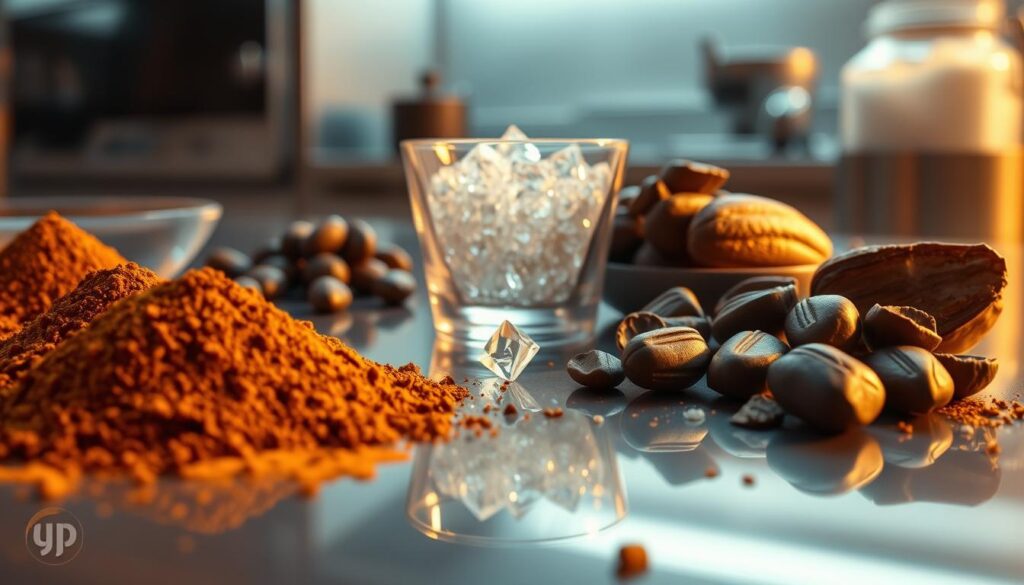
By carefully selecting and combining these ingredients, you can create luxurious and visually stunning holographic nano-etching chocolates that stand out in the world of luxury packaging and edible art.
The nano-etching process requires specific tools to ensure high-quality holographic chocolate. To achieve professional results, you’ll need to invest in the right equipment for melting chocolate, applying holographic etching, and packaging your final products.
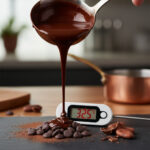
Melting chocolate is a crucial step in the nano-etching process. You’ll need a double boiler or a microwave-safe bowl to melt your chocolate to the right temperature. A thermometer is also essential to ensure the chocolate reaches the ideal working temperature.
For applying holographic etching, you’ll require a holographic foil applicator or a laminator designed for edible materials. These tools help in achieving a smooth, even application of the holographic foil onto the chocolate surface.
Once your holographic chocolate is ready, you’ll need appropriate packaging to preserve its quality and appearance. Consider using airtight containers or gift boxes lined with parchment paper to protect your creations.
| Tool Category | Specific Tool | Purpose |
|---|---|---|
| Chocolate Melting | Double Boiler or Microwave-Safe Bowl | Melting Chocolate to the Right Temperature |
| Holographic Etching | Holographic Foil Applicator or Laminator | Applying Holographic Foil onto Chocolate |
| Packaging | Airtight Containers or Gift Boxes | Preserving Chocolate Quality and Appearance |
The art of creating holographic chocolate begins with the right preparation of your ingredients. To achieve the perfect holographic nano-etching effect, it’s crucial to prepare both your chocolate and holographic foils correctly.
Melting chocolate is a delicate process that requires attention to detail. To melt your chocolate base, follow these steps:
For high-quality chocolate, it’s essential to maintain the right temperature. Overheating can lead to a grainy texture, ruining your holographic chocolate.
Preparing holographic foils involves a few precise steps to ensure they adhere correctly to your chocolate:
Precision is key when handling holographic foils. Any imperfections can be visible on the final product.
| Ingredient | Purpose | Preparation Tip |
|---|---|---|
| Chocolate | Base for holographic etching | Melt to a smooth consistency |
| Holographic Foil | Creates the holographic effect | Cut to desired shape and size |

By following these steps, you’ll be well on your way to creating stunning holographic chocolate that’s sure to impress. Remember, the quality of your ingredients and preparation will directly impact the final result.
To achieve high-quality holographic designs on chocolate, understanding the nano-etching method is crucial. This process involves the precise application of holographic foils to chocolate surfaces, creating a visually stunning effect.
Applying holographic foils to chocolate requires a delicate touch. You need to ensure the chocolate surface is prepared correctly before applying the foil. This involves melting the chocolate to the right temperature and ensuring it’s free from dust or other contaminants.
Once your chocolate is ready, you can apply the holographic foil. This is typically done by placing the foil on the chocolate surface and then using a tool to ensure it’s evenly spread and adhered properly.
Key Steps for Applying Holographic Foils:
Efficient etching is crucial for achieving clear, high-quality holographic images on your chocolate. Several techniques can enhance the etching process.
One effective method is using a nano-etching tool that is designed specifically for this purpose. These tools are engineered to apply the right amount of pressure and heat to ensure the holographic foil is etched onto the chocolate effectively.
| Etching Technique | Description | Benefits |
|---|---|---|
| Nano-Etching Tool | Uses a specialized tool to apply pressure and heat. | High precision, efficient. |
| Laser Etching | Employs a laser to etch the holographic design. | High detail, customizable. |
As noted by a chocolatier, “The key to successful nano-etching lies in the precision of the etching tool and the quality of the holographic foil.” This highlights the importance of using high-quality materials and techniques.
“The art of nano-etching is not just about applying a design; it’s about creating an experience.”
To achieve the perfect holographic chocolate, careful molding is essential. This step transforms your holographic chocolate mixture into a beautifully presented treat, enhancing its luxury packaging and overall appeal.
Selecting the appropriate chocolate molds is crucial for achieving the desired shape and presentation. Your molds should be clean, dry, and suitable for chocolate making. Popular materials include silicone and polycarbonate, known for their durability and ease of use.
| Mold Material | Durability | Ease of Use |
|---|---|---|
| Silicone | High | Easy |
| Polycarbonate | High | Moderate |
Pouring your holographic chocolate mixture into the molds requires a steady hand and a bit of practice. To ensure even distribution, pour the mixture slowly and steadily. Tap the mold gently to remove any air bubbles, ensuring a smooth finish.
“The art of chocolate making is not just about the taste; it’s also about the visual appeal. A well-crafted chocolate can be a true piece of edible art.”
As you pour, make sure to fill the molds to the top to achieve a clean, sharp edge. This technique not only enhances the appearance but also contributes to the overall luxury packaging of your final product.
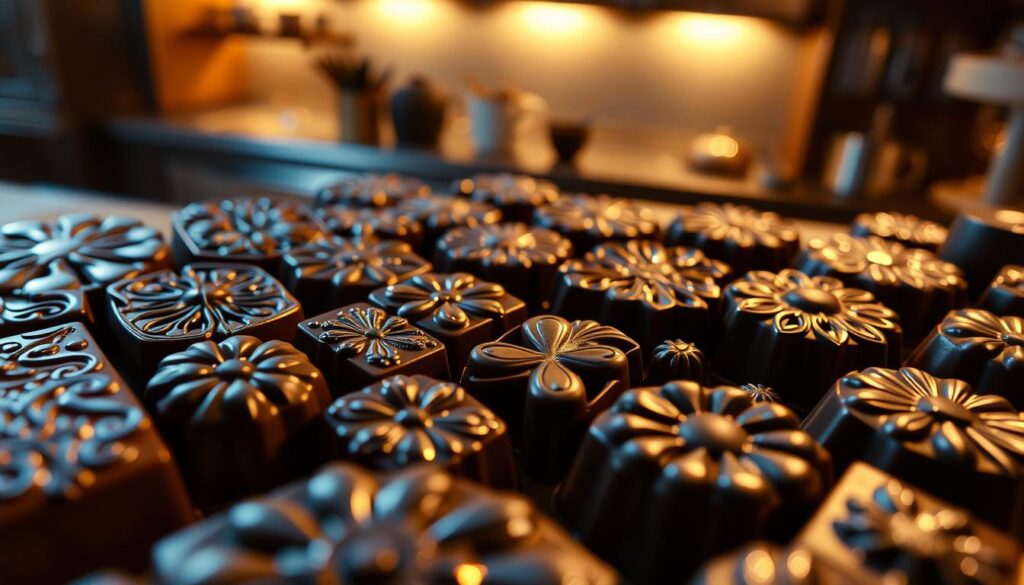
By mastering the molding process, you’ll be able to create stunning holographic chocolates that are sure to impress. Whether you’re packaging them as gifts or serving them at an event, your edible art pieces will surely be a hit.
Achieving the ideal chocolate texture requires careful consideration of the cooling and setting conditions. The process of cooling and setting is crucial as it directly impacts the final quality and texture of your holographic chocolate.
To ensure your holographic chocolate sets properly, it’s vital to control the cooling environment. The ideal temperature for cooling chocolate is between 60°F to 70°F (15°C to 21°C). Maintaining a consistent temperature within this range helps prevent blooming or the formation of unwanted fat crystals on the surface.
“Temperature control is key to achieving a smooth, glossy finish,” as noted by chocolate experts. Ensuring your workspace is free from drafts and significant temperature fluctuations is also crucial.
The timing for cooling and setting chocolate can vary depending on the size of the chocolate pieces and the ambient temperature. Generally, smaller pieces may take about 30 minutes to an hour to set, while larger pieces can take several hours.
It’s essential to be patient and allow the chocolate to set completely. Rushing this process can lead to a less than ideal texture. For luxury packaging, the chocolate should be set firmly enough that it doesn’t stick to the packaging materials, ensuring a professional finish.
By carefully controlling the cooling and setting conditions, you can achieve a luxurious chocolate product with a superior texture, perfect for high-end gifting or special occasions.
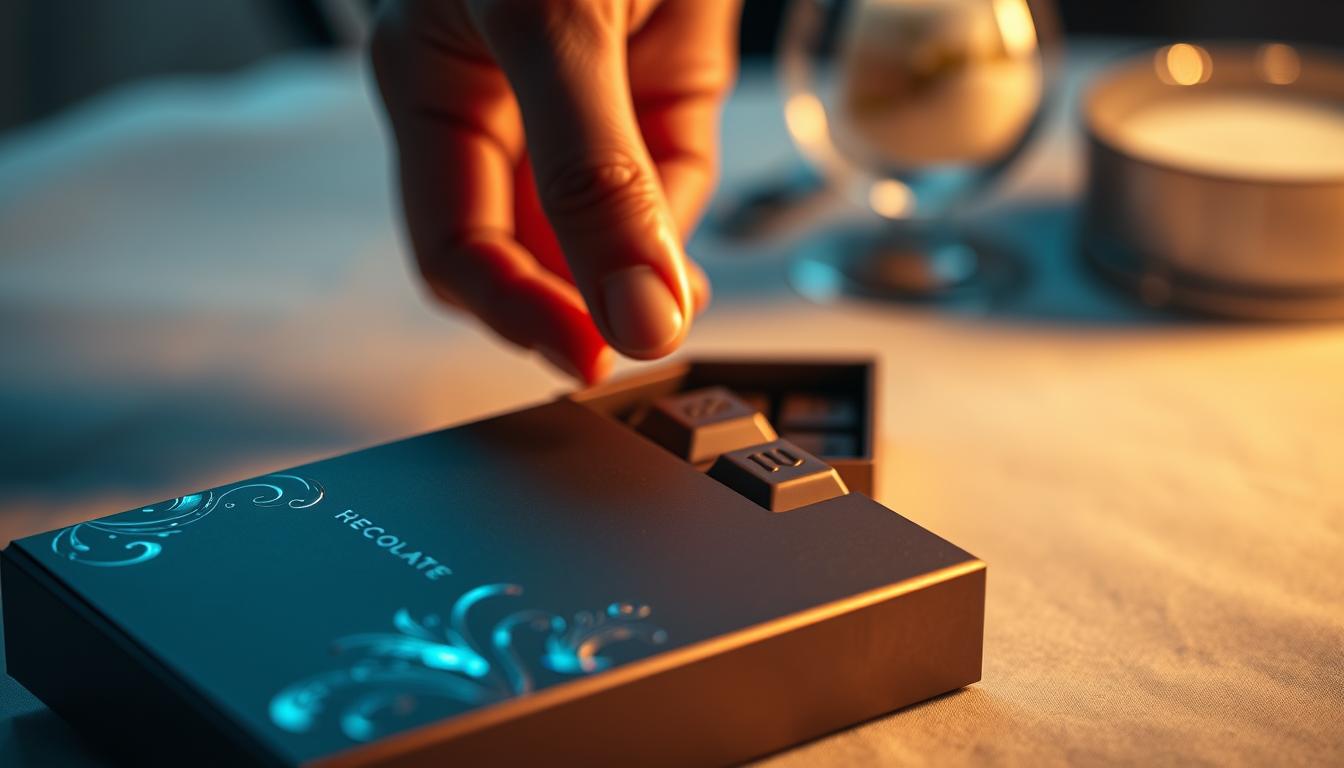
The presentation of your holographic chocolate collection can elevate the unboxing experience, making it a memorable one for your customers. Effective packaging not only protects your edible art but also enhances its appeal.
The way you present your holographic chocolate collection can significantly impact how it is perceived by your customers. Luxury packaging can make your product stand out, conveying a sense of high-end quality and care.
To achieve this, consider the following aspects:
Choosing the right packaging materials is crucial for maintaining the luxury feel of your holographic chocolate collection. Some recommended materials include:
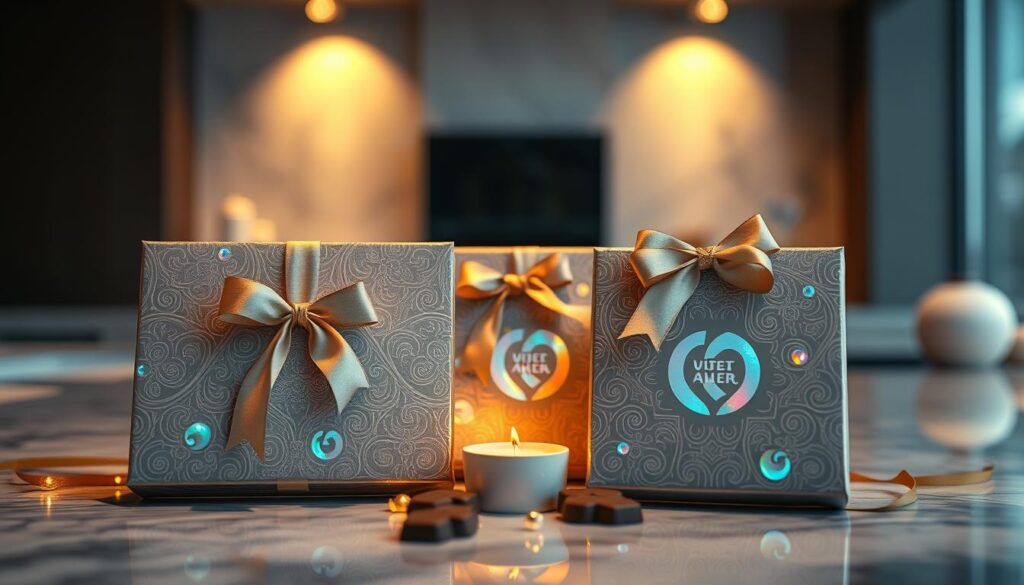
By focusing on the importance of presentation and selecting appropriate packaging materials, you can create a truly unique unboxing experience for your customers. This not only enhances the perceived value of your holographic chocolate collection but also leaves a lasting impression.
To make your holographic chocolate truly shine, consider these innovative serving suggestions that will elevate your edible art to new heights.
Pairing your holographic chocolate with the right beverage can enhance its luxurious appeal. Here are some pairing ideas:
Including your holographic chocolate in gift baskets is a thoughtful way to share your creations. Consider the following when assembling your gift:
By incorporating these serving ideas, you can showcase your holographic chocolate in a way that highlights its unique qualities and delights your guests or recipients.
As you explore the possibilities of holographic nano-etching on chocolate, you’re not just creating a product – you’re crafting an experience. The integration of Holographic Foils and Structural Color through Nano-printing is revolutionizing the world of chocolate packaging, making it more luxurious and engaging.
The future of chocolate packaging is bright, with Holographic Foils playing a significant role in shaping the industry. By adopting this technology, you’re not only enhancing the visual appeal of your chocolates but also elevating the unboxing experience for your customers.
Now that you’ve mastered the basics of holographic nano-etching, it’s time to experiment with different holographic designs. Consider incorporating unique patterns and colors to make your chocolates stand out. With Holographic Foils, the possibilities are endless, and you’re encouraged to push the boundaries of edible art and luxury packaging.
As the confectionery industry continues to evolve, embracing innovative technologies like Nano-printing will be crucial. By staying ahead of the curve and incorporating Holographic Foils into your packaging, you’ll be well on your way to creating truly unforgettable chocolate experiences.