All the world of cacao in one click.

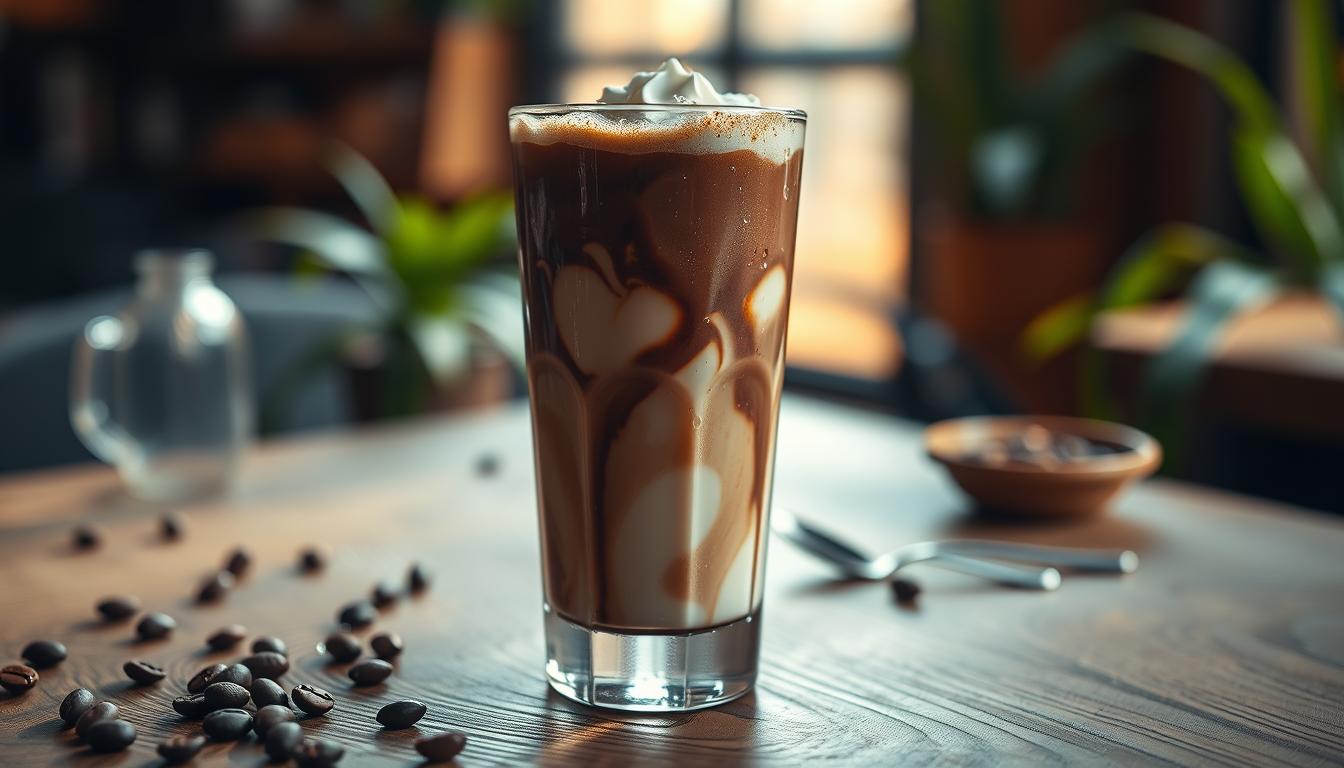
Discover the secret to iced mocha stability with oat proteins. Learn how to prevent phase-separation and enjoy a smooth, creamy iced mocha every time.
You likely know the frustration of watching a cold coffee drink split into messy layers. When cocoa and milk solids settle at the bottom, the drink loses its appeal. You can solve this common issue by using oat proteins to maintain Colloidal Stability in your beverage.
Oat proteins act as a highly effective natural emulsifier. They create a strong bond between the water and fats, keeping your drink smooth and uniform. This simple addition ensures your recipe stays mixed from the first sip until the glass is empty.
| Ingredient | Baker’s Percentage |
|---|---|
| Coffee Concentrate | 100% |
| Creamy Oat Milk | 55% |
| Natural Cocoa Powder | 12% |
| Oat Protein Isolate | 2.5% |
Preparation Process:
The stability of cold beverages, such as iced mochas, is influenced by the principles of physics, particularly in the context of emulsions and colloids. When you enjoy an iced mocha, the mixture of coffee, milk, and other ingredients creates a complex system that can either remain stable or separate over time.

To understand why this happens, it’s essential to delve into the world of emulsions and colloids. An emulsion is a mixture of two or more liquids that are normally immiscible, like oil and water. In the case of an iced mocha, the fat from the milk and the water-based coffee create an emulsion.
Emulsions are a type of colloid, where one liquid is dispersed in another. The stability of these systems depends on various factors, including the size of the particles, the interfacial tension between the liquids, and the presence of emulsifiers. Emulsifiers are substances that reduce the interfacial tension, making it easier for the liquids to mix and remain stable.
In the context of iced mochas, the proteins present in milk act as natural emulsifiers, helping to stabilize the mixture. However, when the drink is iced, the reduced temperature can affect the stability of the emulsion, leading to separation.
By understanding the physics behind the separation in cold drinks, you can better appreciate the challenges in maintaining their stability. This knowledge can also guide the development of strategies to improve the stability of beverages like iced mochas, ensuring they remain enjoyable for longer periods.
As the demand for plant-based milk alternatives grows, the role of natural emulsifiers like oat proteins becomes increasingly important. You are likely familiar with the separation issue in iced coffee drinks, where the milk and coffee layers divide over time. This separation can be mitigated with the use of effective emulsifiers.
Oat proteins are emerging as a viable solution for stabilizing emulsions in cold beverages. Their ability to act as natural emulsifiers makes them an attractive option for manufacturers looking to create more sustainable and vegan-friendly products.
Oat proteins possess unique characteristics that make them suitable for emulsification. They have a relatively high surface activity, which enables them to effectively interact with both water and oil-based ingredients. This property is crucial for stabilizing mixtures like those found in iced mochas.
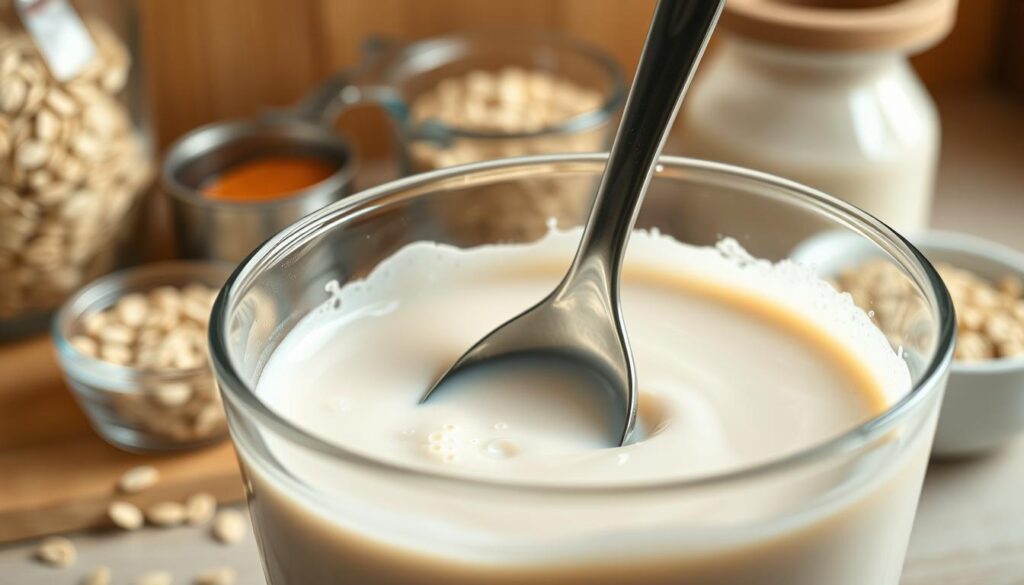
The functional properties of oat proteins in emulsions are multifaceted. They can help to reduce the interfacial tension between oil and water, creating a more stable mixture. Additionally, oat proteins can form a protective layer around fat droplets, preventing them from coalescing and separating from the rest of the mixture.
When you incorporate oat proteins into your iced mocha recipe, you can expect improved stability and a more consistent texture. The use of oat proteins as natural emulsifiers aligns with the growing trend towards more sustainable and environmentally friendly food production practices.
By leveraging the emulsifying properties of oat proteins, manufacturers can create plant-based milk alternatives that not only taste great but also offer improved stability and texture. As the demand for vegan-friendly and sustainable beverages continues to grow, the role of oat proteins in emulsification is likely to become increasingly important.
As a barista, you’re likely to see a surge in demand for iced mochas and other cold coffee drinks during the summer of 2026. To meet this demand, it’s essential to understand the trends shaping the beverage market. One key trend is the growing popularity of plant-based milk alternatives, which are not only sought after by those with dietary restrictions but also by consumers looking for more sustainable options.
The use of oat proteins as natural emulsifiers can help create stable and delicious iced mochas that will keep your customers coming back. By incorporating oat proteins into your recipes, you can improve the texture and consistency of your drinks, setting your coffee shop apart from the competition.
To capitalize on the growing demand for high-quality iced coffee drinks, consider experimenting with different types of plant-based milk and oat protein-based recipes. This will not only help you stay ahead of the curve but also attract a loyal customer base looking for unique and tasty beverages.