All the world of cacao in one click.


Discover the refreshing power of Isotonic Cacao Drink - your new summer hydration solution.
When the summer heat peaks, you need a smart way to stay cool. This brew transforms simple husks into a refreshing liquid for your body. It provides a unique flavor that satisfies your senses while you stay active.
This method follows Zero Waste habits by using parts of the bean often discarded. You will find natural Electrolytes that keep your internal balance high during the day. This *drink* is both good for the planet and your personal health.
| Ingredient | Baker’s Percentage (%) |
|---|---|
| Cacao Husks | 100% |
| Filtered Water | 1200% |
| Sea Salt | 2% |
| Natural Sweetener | 15% |
Cacao husks contain a unique blend of nutrients that contribute to their isotonic properties. As you explore the nutritional benefits, you’ll understand how these husks can be a valuable addition to your hydration routine. The chemistry behind cacao husks is complex, involving a mix of electrolytes, flavonoids, and other beneficial compounds.

The nutritional benefits of cacao husks are multifaceted, making them an excellent ingredient for isotonic drinks. Rich in essential minerals, cacao husks help replenish what’s lost during physical activities. This replenishment is crucial for maintaining optimal hydration levels and supporting overall health.
Cacao husks are particularly noteworthy for their electrolyte content, which includes potassium, magnesium, and sodium. These electrolytes play a vital role in hydration and physical performance. Additionally, cacao husks contain theobromine, a natural stimulant similar to caffeine, providing a gentle energy boost without the jitters.
The presence of theobromine in cacao husks not only contributes to their stimulating effects but also complements the electrolyte profile, making cacao husk tea an effective isotonic drink for athletes and individuals engaging in strenuous activities.
As you explore the world of isotonic drinks, comparing the electrolyte composition of coconut water and cacao husk tea becomes essential. Both beverages have gained popularity for their natural hydration properties, but their electrolyte profiles differ significantly.
Coconut water is renowned for its high potassium content, an essential mineral that helps regulate fluid balance in the body. On the other hand, cacao husk tea offers a unique blend of minerals, including magnesium and potassium, providing a broader spectrum of electrolytes.
The electrolyte composition of coconut water is primarily dominated by potassium, making it an effective post-workout hydration drink. In contrast, cacao husk tea contains a mix of electrolytes that not only replenishes fluids but also provides additional nutritional benefits due to the presence of theobromine, a natural stimulant.
A comparative analysis of the two beverages reveals that while coconut water excels in potassium content, cacao husk tea offers a more diverse range of minerals. The presence of theobromine in cacao husk tea also gives it an edge as a natural caffeine boost without the jitters associated with traditional energy drinks.
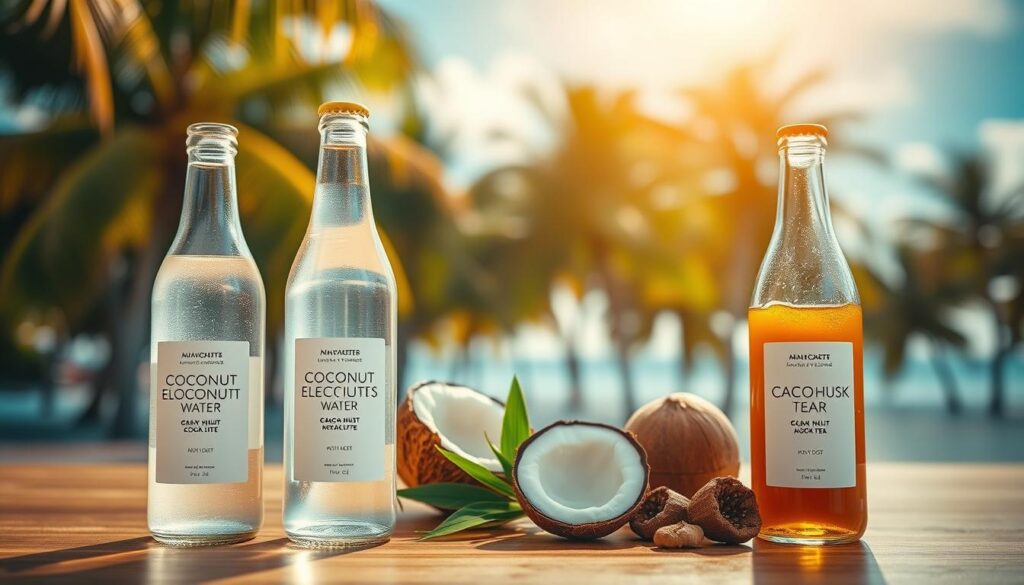
When choosing between coconut water and cacao husk tea, consider your specific hydration needs. If you’re looking for a natural source of potassium, coconut water might be the better choice. However, if you prefer a beverage that offers a broader range of electrolytes along with a natural caffeine boost, cacao husk tea is an excellent option.
The key to maximizing flavanol extraction from cacao husk tea lies in the brewing technique. To get the most out of your tea, it’s essential to understand the factors that influence flavanol extraction.
Flavanol extraction is affected by several factors, including the ratio of cacao husks to water, brewing time, and temperature. By optimizing these factors, you can create a brew that is not only delicious but also rich in flavanols.
To brew cacao husk tea for maximum flavanol extraction, start by using the right ratio of cacao husks to water. A general guideline is to use 1 tablespoon of cacao husks for every 8 oz of water. You can adjust this ratio to suit your taste preferences.
Next, heat the water to the optimal temperature. The ideal brewing temperature for cacao husk tea is between 160°F and 170°F. Steep the cacao husks in the hot water for 5-7 minutes to allow for maximum flavanol extraction.

As an athlete, you’re likely looking for ways to optimize your isotonic drink. Here are some tips for brewing cacao husk tea that meets your needs:
| Brewing Parameter | Optimal Value | Benefits |
|---|---|---|
| Cacao Husk to Water Ratio | 1:8 | Maximizes flavanol extraction |
| Brewing Temperature | 160°F – 170°F | Enhances flavanol solubility |
| Brewing Time | 5-7 minutes | Optimizes flavanol and theobromine extraction |
You can transform simple shells into a powerhouse of Electrolytes this summer. By choosing this Zero Waste method, you reduce kitchen scraps while nourishing your body. Sustainability meets health in every sip you take.

This brewed infusion offers a subtle chocolate aroma without the heavy calories. It is the perfect choice for staying cool and balanced during the hottest months. You will love how easy it is to craft this refreshing Isotonic beverage at home.
Follow this professional guide to master the Drink of the future. The ratios ensure a perfectly balanced mineral profile for active lifestyles.
| Ingredient | Baker’s Percentage (%) |
|---|---|
| Filtered Water | 100% |
| Dried Husks | 5% |
| Natural Sea Salt | 0.1% |
| Agave Nectar | 2% |
As you consider your next isotonic drink, you might wonder how coconut water and cacao husk tea compare. Both have gained popularity for their hydration properties, but their electrolyte compositions differ significantly.
Coconut water is renowned for its high potassium content, an essential electrolyte that helps regulate fluid balance in the body. On the other hand, cacao husk tea offers a unique blend of minerals that includes not just potassium but also other vital electrolytes.
The electrolyte composition of coconut water is primarily dominated by potassium, with smaller amounts of sodium, magnesium, and calcium. In contrast, cacao husk tea contains a broader spectrum of electrolytes, including potassium, magnesium, and manganese, alongside natural caffeine, which can enhance its stimulating effects.
To better understand the differences, let’s examine a comparative analysis of the electrolyte compositions of coconut water and cacao husk tea.
| Electrolyte | Coconut Water | Cacao Husk Tea |
|---|---|---|
| Potassium | High | Moderate |
| Sodium | Low | Low |
| Magnesium | Moderate | High |
| Natural Caffeine | Absent | Present |
This comparison highlights that while coconut water excels in potassium content, cacao husk tea offers a more diverse electrolyte profile, including magnesium and natural caffeine, making it a compelling alternative for those seeking a more comprehensive isotonic drink.
Brewing cacao husk tea is a nuanced process that requires attention to detail for maximum flavanol extraction. To get the most out of your cacao husk tea, it’s essential to understand the factors that influence the extraction of flavanols and other beneficial compounds.
The art of brewing cacao husk tea involves a delicate balance of several factors, including the ratio of cacao husks to water, brewing time, and temperature. Using the right ratio of cacao husks to water is crucial. A general guideline is to use about 1 teaspoon of dried cacao husks for every 8 oz of water. However, this can be adjusted based on personal preference for strength and flavor.
Temperature also plays a significant role in flavanol extraction. Water that is too hot can destroy some of the delicate flavanols, while water that is too cold may not extract enough. The ideal temperature is between 160°F and 170°F.
By following these guidelines and tips, you can maximize the flavanol extraction and enjoy the numerous benefits of cacao husk tea, including the natural energy boost from Theobromine, a compound that provides a gentle and sustained energy lift without the jitters associated with other stimulants.
You can enjoy various iced tea variations made from cacao husk tea, tailored to your specific athletic needs. By incorporating different flavors and ingredients, you can create refreshing drinks that not only quench your thirst but also provide essential nutrients.
To create the perfect iced tea for athletes, consider adding ingredients that enhance hydration and provide a boost of energy. The theobromine in cacao husk tea can help improve your performance and recovery.
Customize your iced tea recipes by adding slices of lemon, lime, or orange to enhance flavor. You can also experiment with different sweeteners like honey or stevia. The zero-waste aspect of using cacao husks aligns with the eco-friendly preferences of many athletes, making it a great choice for those who prioritize sustainability.
By experimenting with different iced tea variations, you can find the perfect drink to suit your athletic needs and preferences.