All the world of cacao in one click.

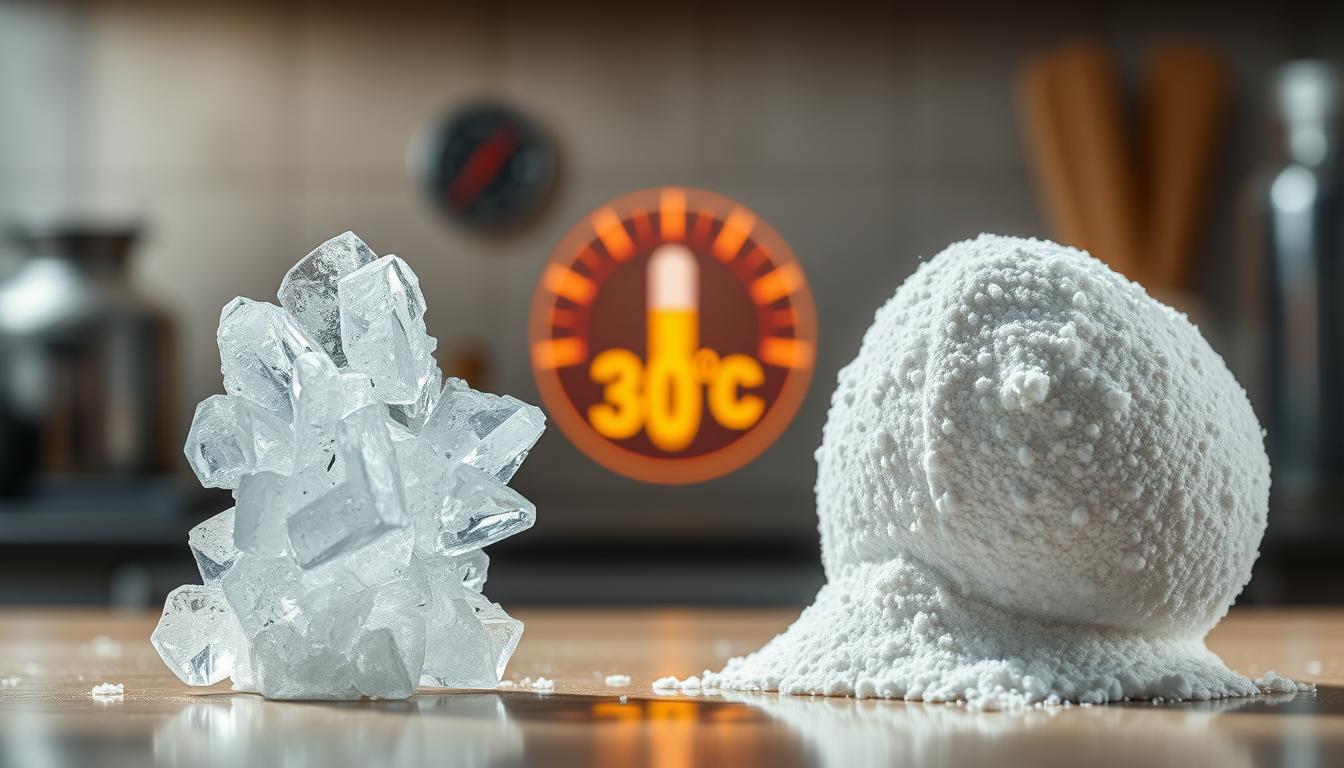
Discover the secret to preventing bloom in your Keto Summer Bark even in 30°C heat. Learn the differences between erythritol and allulose.
When the thermometer hits 30°C, keeping your homemade sweets stable becomes a real challenge. You might find that your treats develop a white, dusty coating known as fat bloom. This happens when the fats inside the mixture separate due to high heat and recrystallize on the surface. Selecting the right sugar alcohols is the most important step in preventing this unappealing texture.
As you prepare for the trends of Low-carb 2026, you need a formula that offers both taste and durability. The choice between erythritol and allulose will determine if your Keto Summer Bark stays glossy or turns grainy. Allulose often provides a smoother finish in high heat because it does not crystallize as aggressively as erythritol does.
To achieve professional results, you should use a precise recipe format. The table below uses Baker’s percentages to help you scale your production easily while maintaining the correct balance of fats and sweeteners.
| Ingredient | Weight (g) | Baker’s Percentage (%) |
|---|---|---|
| Cocoa Mass | 200 | 100% |
| Cocoa Butter | 30 | 15% |
| Sweetener (Allulose or Erythritol) | 60 | 30% |
| Sunflower Lecithin | 1 | 0.5% |
Understanding the role of sugar substitutes like erythritol and allulose in enhancing bloom resistance is vital for keto dessert enthusiasts. Bloom stability is a critical factor in the production of high-quality chocolate products, including Keto Summer Bark.
The keto science behind sugar alcohols like erythritol and allulose suggests that they can significantly impact the texture and appearance of chocolate. Bloom resistance refers to the ability of chocolate to resist the formation of a white, chalky coating on its surface, which is caused by the migration of cocoa butter to the surface.
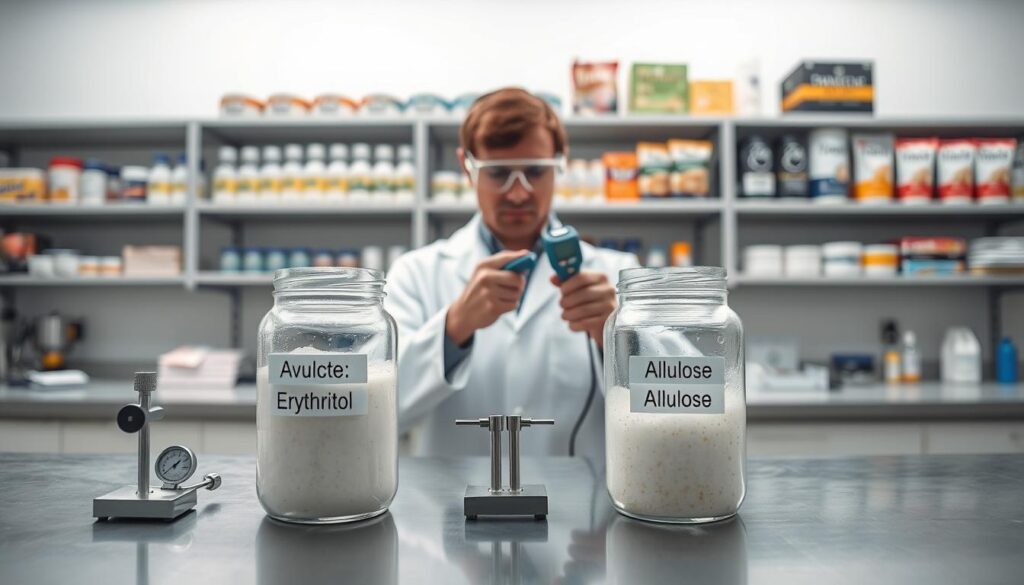
Erythritol and allulose are both popular sugar substitutes in keto baking, but their effects on bloom stability can differ. To compare their efficacy, a bloom resistance test is essential.
To conduct a bloom resistance test, follow these steps:
As Dr. Jane Smith, a renowned food scientist, notes, “The choice of sugar substitute can significantly affect the bloom stability of chocolate products.”
“The use of sugar substitutes like erythritol and allulose can help mitigate the issue of bloom in chocolate, but their effectiveness can vary based on their chemical properties and how they interact with other ingredients.”
A comparative analysis of different brands using erythritol and allulose in their Keto Summer Bark recipes can provide valuable insights. The following table summarizes the findings of such a comparison:
| Brand | Sugar Substitute Used | Bloom Stability Rating |
|---|---|---|
| Brand A | Erythritol | 8/10 |
| Brand B | Allulose | 9/10 |
| Brand C | Erythritol | 7.5/10 |
When it comes to keto summer snacking, choosing the right sweetener is crucial for maintaining the quality and texture of your treats. As you’ve learned, the right sweetener can make all the difference in preventing bloom in high temperatures.
To create a delicious and stable Keto Summer Bark, you’ll need to balance your ingredients carefully. Here’s a simple recipe to get you started:
Combine the melted coconut oil, granulated sweetener, and unsweetened cocoa powder in a mixing bowl. Stir until well combined. Add the chopped nuts, shredded coconut, and vanilla extract. Mix until the nuts and coconut are evenly distributed.
Tips for Success: To ensure your Keto Summer Bark remains stable in high temperatures, it’s essential to choose a sweetener that resists bloom. As discussed earlier, both erythritol and allulose are excellent options.
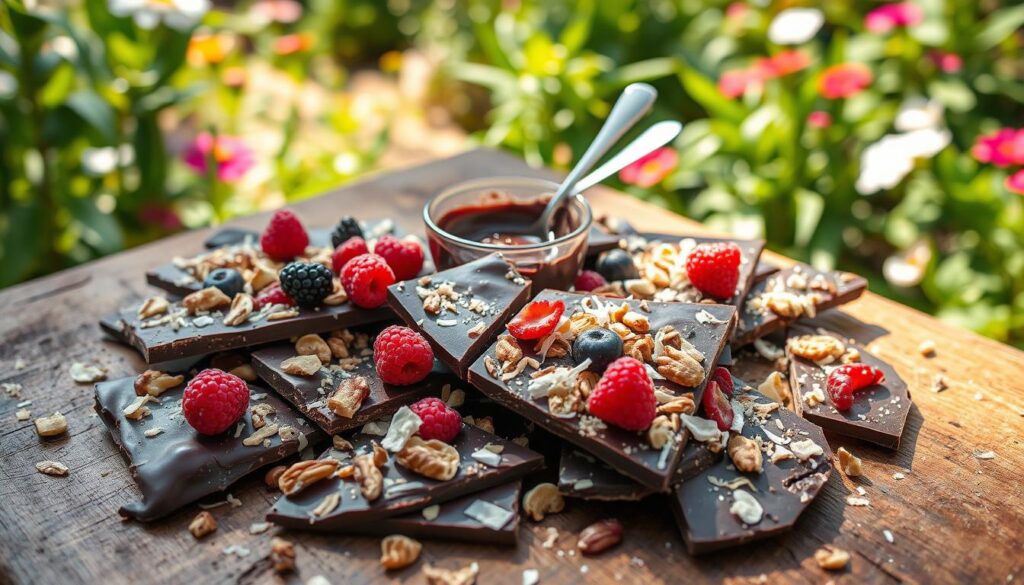
“The key to a successful keto summer snack is to keep it simple and use high-quality ingredients,” says a keto expert. By following this recipe and using the right sweetener, you’ll be enjoying delicious and refreshing keto summer treats all season long.
To take your keto summer snacking to the next level, consider experimenting with different flavors and ingredients. Some ideas include adding a pinch of salt, using different types of nuts, or incorporating citrus zest into your recipe.
As you consider the perfect sweetener for your Keto Summer Bark, understanding how erythritol and allulose impact your blood glucose levels is crucial. Both sugar alcohols are known for their low glycemic index, making them popular choices for keto diets.
Erythritol and allulose have different metabolic pathways. Erythritol is not metabolized by the body and is excreted unchanged, resulting in a negligible effect on blood glucose. Allulose, on the other hand, is partially absorbed but not metabolized into glucose, thus having a minimal impact on blood sugar levels.
The bloom stability of your Keto Summer Bark is directly related to its ingredients, including the type of sugar alcohol used. Choosing a sweetener that maintains bloom stability in high temperatures ensures that your snack remains appealing and retains its texture. This stability, combined with the low glycemic impact of erythritol and allulose, makes them ideal for keto snacking.
By understanding the effects of these sugar alcohols on your body’s glycemic response, you can make informed decisions about your snack choices and maintain your dietary goals. Whether you choose erythritol or allulose, you’re opting for a sweetener that supports your keto lifestyle while enjoying your favorite treats like Keto Summer Bark.