All the world of cacao in one click.

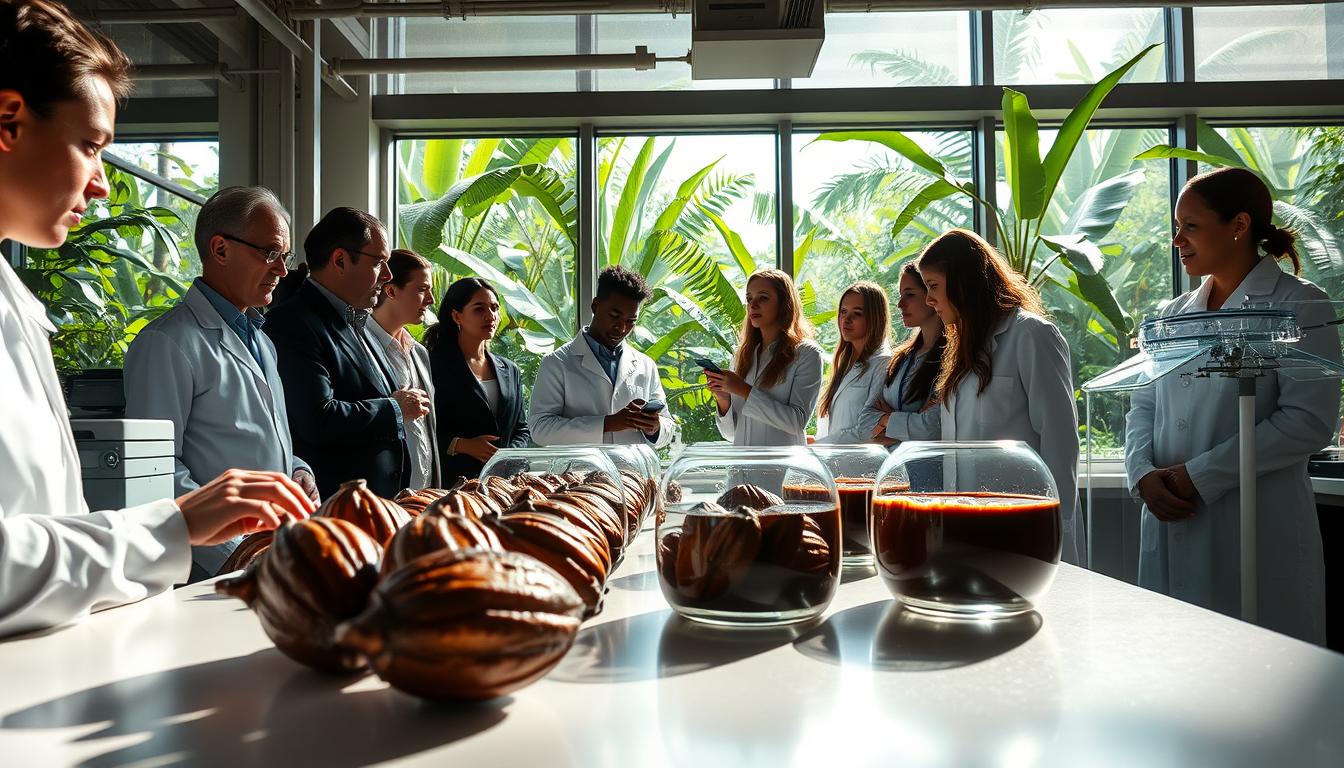
Uncover the secrets of lab-grown cocoa and its role in the future of sustainable chocolate production. Prepare for the industry's transformation.
As you explore the evolving landscape of chocolate production, you’re likely to encounter the innovative approach of producing lab-grown cocoa using cell culture technology. This method is poised to revolutionize the industry by 2026.
By utilizing bioreactors to replicate the molecular profile of cocoa, the production of sustainable chocolate becomes a reality. This approach not only ensures a more sustainable production process but also opens up new possibilities for flavor profiling and quality control.
You are about to discover how this technology is set to transform the chocolate industry, making it more sustainable and innovative.
The year 2026 is poised to be a landmark year for cellular cocoa, with advancements in cell culture technology playing a crucial role. As the industry continues to evolve, the focus is on enhancing the quality and authenticity of lab-grown cocoa.
Cell culture technology has made significant strides, enabling the replication of the complex molecular profile of cocoa. This advancement is crucial for achieving a more authentic lab-to-table experience. The process involves several key steps:
This process not only ensures a consistent quality but also reduces the environmental impact associated with traditional cocoa farming.
Enhancing the molecular profile of cocoa is a multifaceted process that involves understanding the complex biochemical composition of cocoa. By replicating this profile through cell culture technology, producers can achieve a more authentic flavor and aroma. 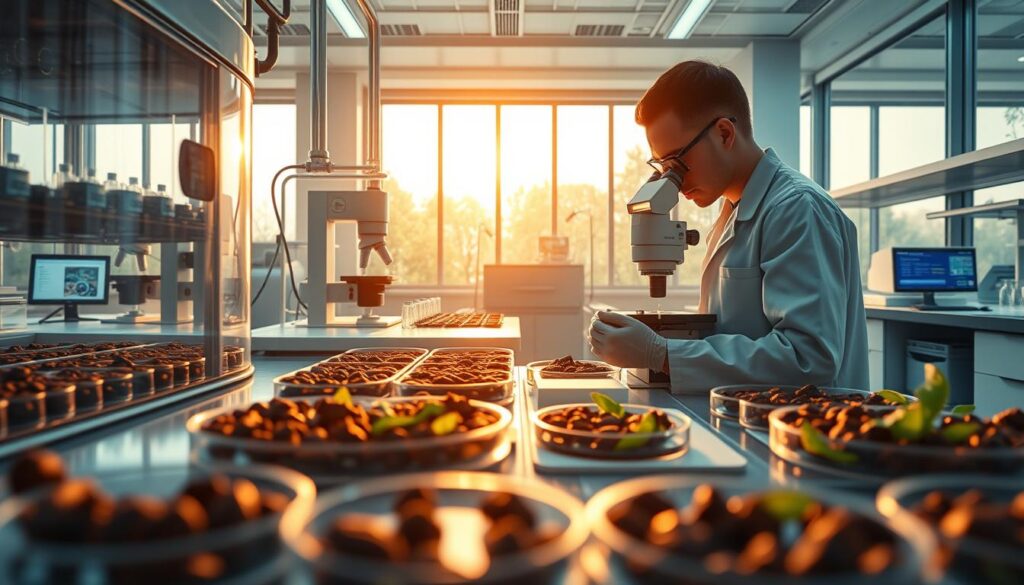
By focusing on these aspects, the industry can ensure that cellular cocoa meets consumer expectations for quality and taste.
You might be wondering how lab-grown cocoa achieves its rich flavor; the answer lies in the advanced technology of bioreactors. Bioreactors are at the heart of lab-grown cocoa production, playing a crucial role in replicating the complex flavor precursors found in traditional cocoa. By controlling factors such as temperature, pH, and nutrient supply, bioreactors optimize the conditions for cocoa cell growth.
The process of producing lab-grown cocoa using bioreactors can be likened to following a precise recipe. The ingredients and their proportions are crucial in determining the final product’s quality and flavor profile.
Here’s a breakdown of a typical “recipe” for lab-grown cocoa:
| Ingredient | Percentage | Function |
|---|---|---|
| Cocoa Cells | 100% | The base material for lab-grown cocoa |
| Nutrient Solution | 200% | Provides essential nutrients for cell growth |
| Specific Growth Factors | 5% | Enhances the growth and development of cocoa cells |
By carefully controlling the proportions of these ingredients and the conditions within the bioreactors, producers can create a sustainable and consistent product that rivals traditional cocoa in terms of flavor and quality.
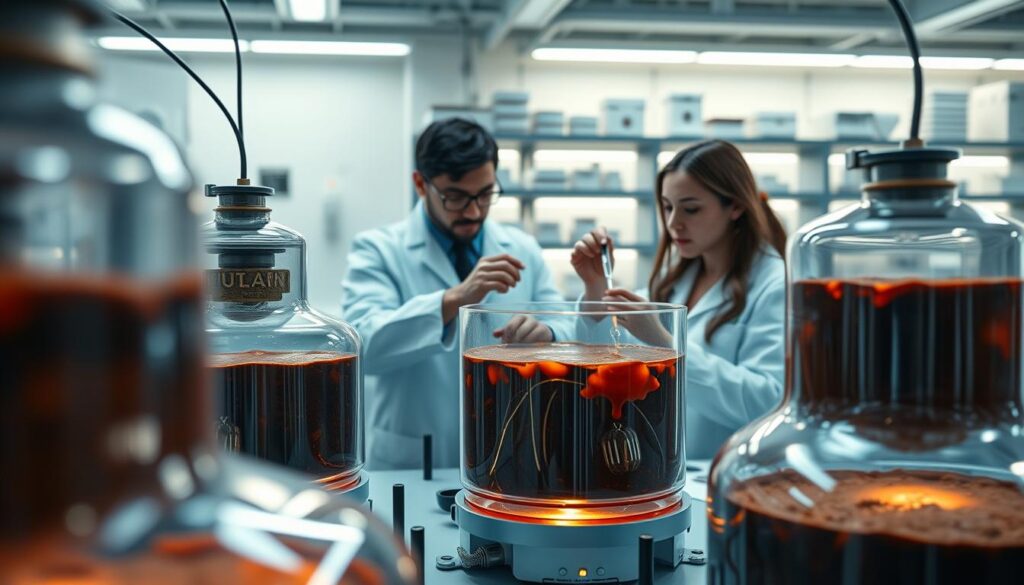
The use of bioreactors in cocoa production represents a significant step forward in the quest for sustainable chocolate. By replicating the flavor precursors found in traditional cocoa, lab-grown cocoa can offer a similar taste experience without the environmental impact.
The rise of lab-to-table chocolate production brings with it a crucial question: how does the energy efficiency of lab-grown cocoa compare to traditional farming? As you explore the world of sustainable chocolate, understanding the environmental impact of different production methods becomes increasingly important.
To compare the energy efficiency of lab-grown cocoa and traditional farming, we need to analyze several key factors. This involves assessing the energy required for traditional cocoa farming, evaluating the energy consumption of lab-grown cocoa production, and then comparing the two.
Here are the steps to compare energy consumption:
Let’s examine the energy consumption of both traditional and lab-grown cocoa production methods in more detail.
| Production Method | Energy Consumption (kWh/ton) | Environmental Impact |
|---|---|---|
| Traditional Farming | 1,200-1,500 | High land use, water consumption, and potential deforestation |
| Lab-Grown Cocoa | 800-1,200 | Lower land use, reduced water consumption, and minimized deforestation |
As shown in the table, lab-grown cocoa generally has a lower energy consumption compared to traditional farming methods. This is because lab-grown cocoa production is more controlled and efficient, reducing the need for extensive land use and minimizing environmental impact.
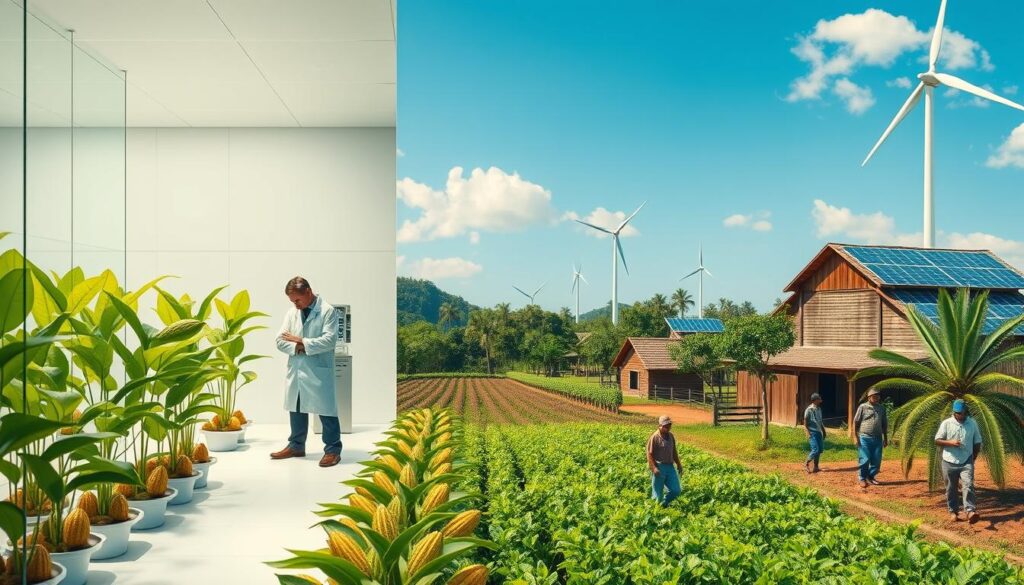
By adopting lab-grown cocoa production, you can contribute to a more energy-efficient and sustainable chocolate industry. As the demand for sustainable chocolate continues to grow, understanding the benefits of lab-grown cocoa will be crucial in shaping the future of chocolate production.
As you explore the emerging landscape of lab-grown cocoa, understanding consumer perception and labeling laws becomes crucial. The success of “farm-free” chocolate products hinges on how consumers perceive these innovative alternatives to traditional cocoa.
Consumer perception is influenced by various factors, including the environmental benefits and taste profiles of lab-grown cocoa. Manufacturers must navigate these perceptions to effectively market their products.
Labeling laws for lab-grown cocoa are evolving. Regulatory bodies are working to establish clear guidelines that balance consumer information with industry needs. You must stay informed about these developments to ensure compliance and capitalize on the trend towards sustainable chocolate production.
By understanding the interplay between consumer perception, labeling laws, and regulatory frameworks, you can better navigate the future of “farm-free” chocolate and make informed decisions about lab-grown cocoa products.