All the world of cacao in one click.

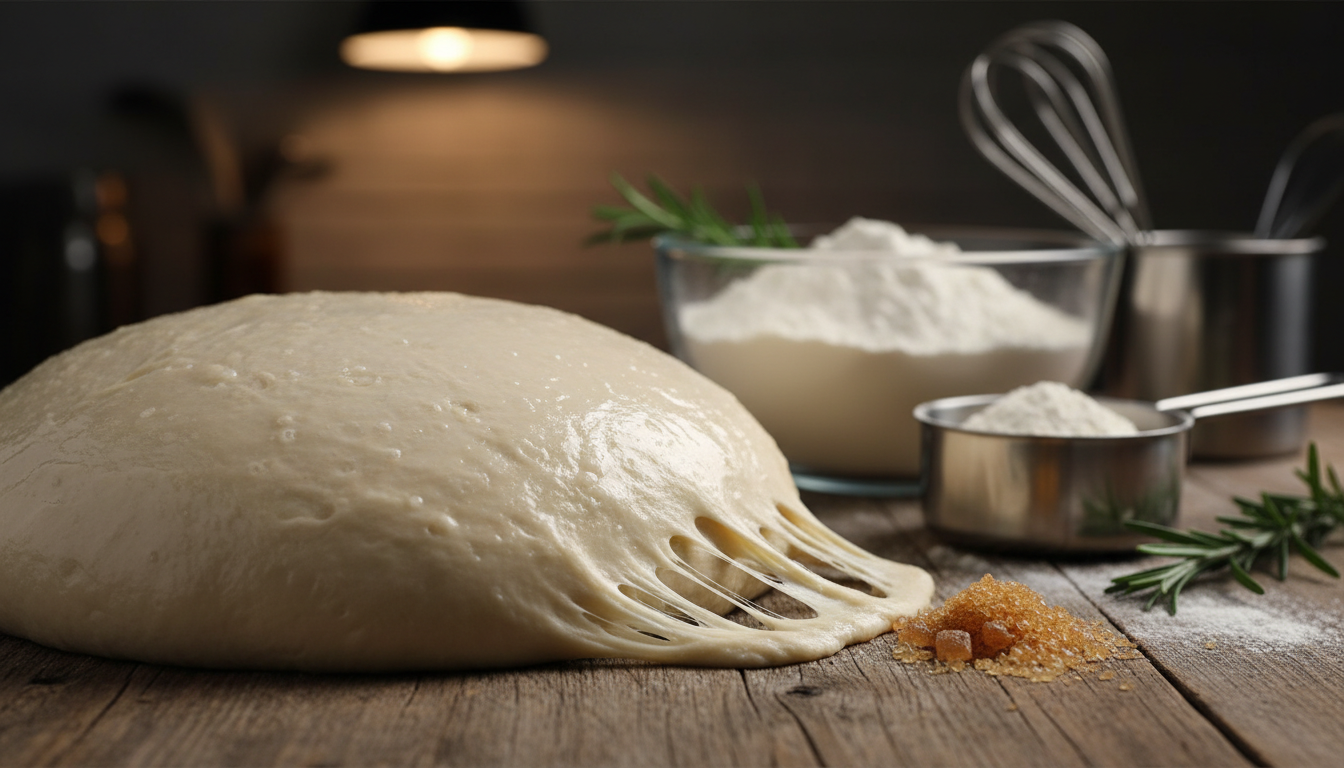
The Maillard Brookie: Unlock the power of 24h dough resting to achieve the ultimate gluten structure.
You can unlock the secret to a professional dessert by managing time effectively. A 24-hour resting period significantly alters the dough to create a superior Maillard Brookie. This patience allows the flour to saturate fully, which is vital for the perfect crumb.
During this cold aging process, the Maillard Reaction prepares to deliver deep, toasted flavors. Proper Hydration ensures that the gluten network develops slowly and evenly. This chemical transformation turns a standard treat into a culinary masterpiece with a complex profile.
| Ingredient | Baker’s Percentage |
|---|---|
| All-Purpose Flour | 100% |
| Unsalted Butter | 75% |
| Granulated Sugar | 85% |
| Dark Chocolate | 60% |
| Whole Eggs | 45% |
Follow these numbered steps to prepare your base. Ensuring consistent Hydration throughout the mixing stage will yield the best results.
Enzyme activity is a critical factor that comes into play when you let your dough rest for 24 hours. During this period, enzymes naturally present in the flour start to break down the starches into simpler sugars. This process not only aids in fermentation but also contributes to the Maillard Reaction during baking.
The enzymatic reactions that occur during the resting period are complex and influenced by several factors, including temperature and the presence of water (hydration).
The role of enzymes can be broken down into several key steps:
The impact of enzyme activity on dough can be significant, affecting both its rheology and ultimately the gluten structure. By controlling factors such as temperature and hydration, you can optimize enzyme activity to achieve a more complex flavor profile and a chewier texture in your Maillard Brookie.
| Stage | Time Frame | Enzymatic Reaction | Effect on Dough |
|---|---|---|---|
| Initial Stage | 0-6 hours | Initial breakdown of starches | Starts to soften the dough |
| Active Stage | 6-18 hours | Active enzymatic breakdown | Significant fermentation and dough rise |
| Final Stage | 18-24 hours | Continued enzymatic activity | Further complexity in flavor and texture |
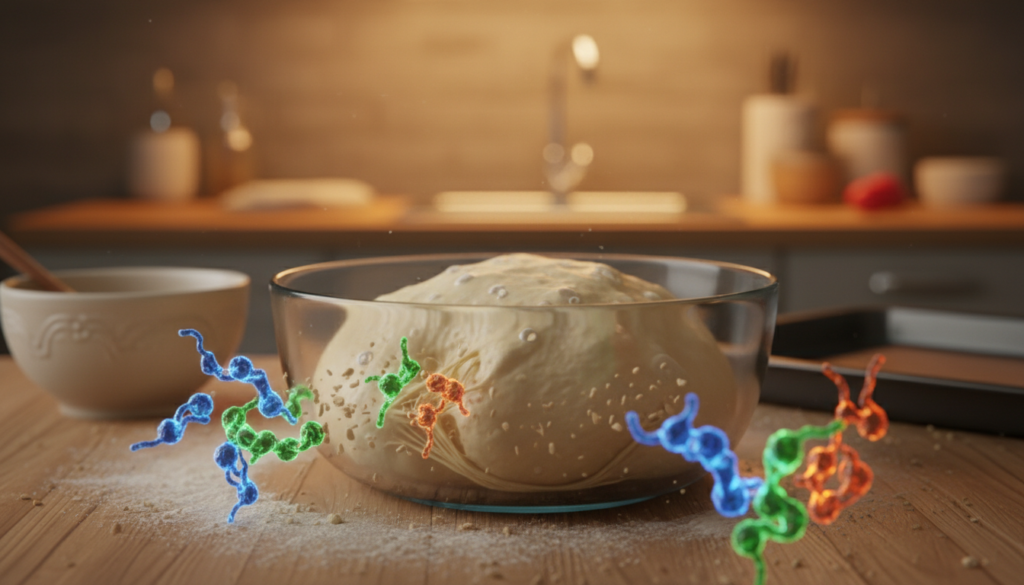
By understanding and controlling enzyme activity during the dough resting period, you can significantly enhance the quality of your Maillard Brookie. The combination of proper hydration, optimal temperature, and the right resting time will result in a product with a more complex flavor profile and a desirable texture.
The art of flash-baking is crucial for creating a Maillard Brookie with a crispy exterior and a chewy interior. Flash-baking involves baking the brookie at a high temperature for a short duration, triggering the Maillard Reaction—a chemical reaction between amino acids and reducing sugars that results in the formation of new flavor compounds and browning.
To master flash-baking, follow these steps:
Key Factors Influencing the Maillard Reaction:
| Factor | Description | Impact on Maillard Reaction |
|---|---|---|
| Temperature | Higher temperatures accelerate the reaction. | Increased browning and flavor development. |
| pH Level | The optimal pH range enhances the reaction rate. | Better flavor and color formation. |
| Moisture Content | Lower moisture levels facilitate the reaction. | Crisper crust formation. |
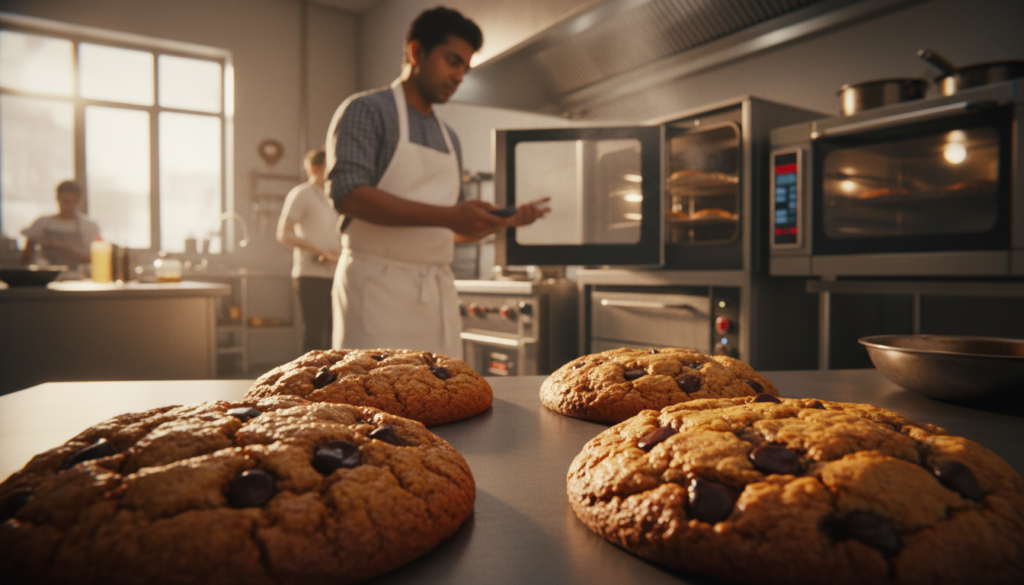
By understanding and controlling these factors, you can achieve a perfectly baked Maillard Brookie with a desirable crust.
Now that you’ve mastered the Maillard Brookie’s resting and baking techniques, it’s time to evaluate its texture. The perfect balance between crunchiness and chewiness is crucial for a satisfying treat.
Evaluating the chewiness of your Maillard Brookie involves assessing how the gluten structure developed during the 24-hour resting period and the flash-baking technique contribute to its overall texture. You can adjust ingredient ratios, resting time, and baking techniques to achieve your desired texture.
When performing a texture analysis, pay attention to the brookie’s mouthfeel. A well-balanced Maillard Brookie should have a satisfying crunch giving way to a chewy interior. By fine-tuning these factors, you can create a brookie that meets your texture expectations.