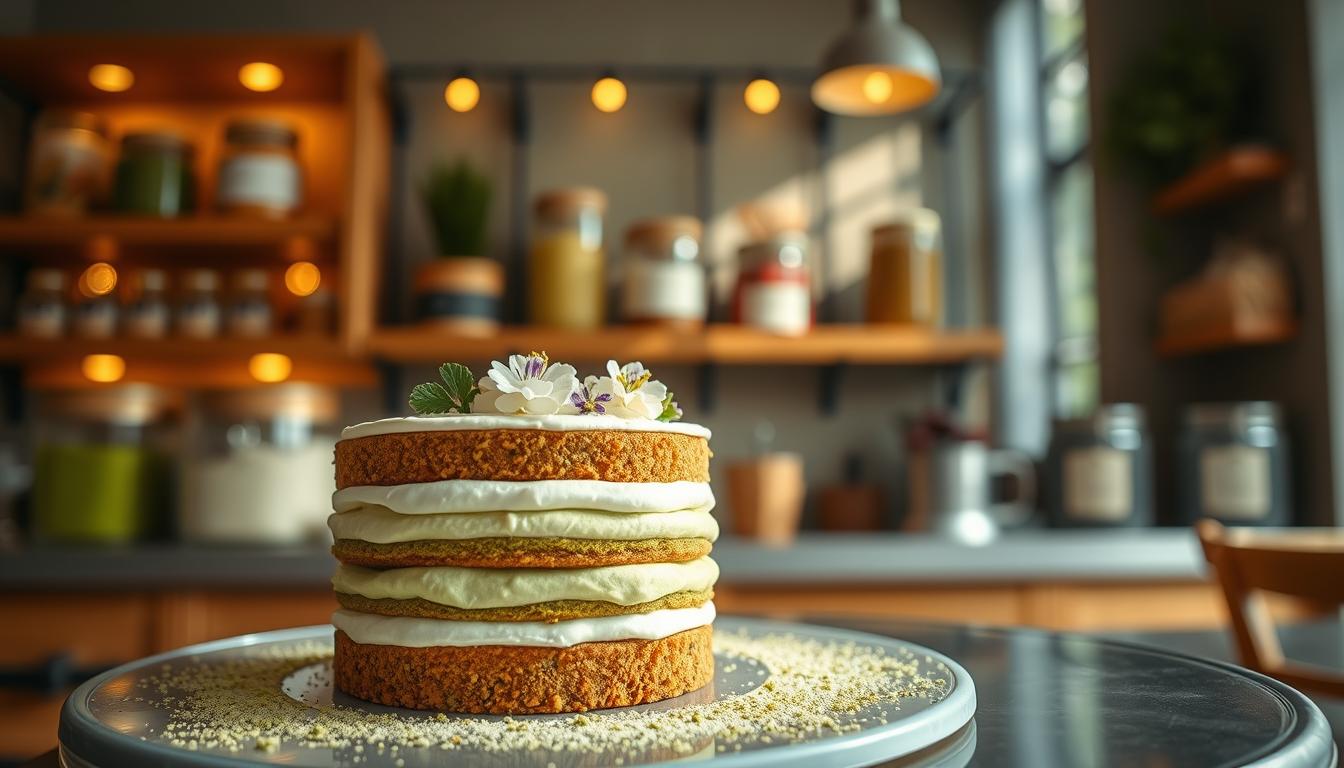
Matcha Layering

Matcha & White Cacao: Preventing Photo-Oxidation in Display Cases

Learn how to prevent photo-oxidation in your Matcha layered display cases with this tutorial on Matcha Layering.

You understand the importance of vibrant colors in a professional bakery. Light in display cases often leads to photo-oxidation. This process destroys the visual appeal of your finest creations.

The reaction breaks down the Chlorophyll in your ingredients. It leaves your products looking dull and unappetizing to your customers. Preserving the natural green hue is essential for high-end results.

A specialized Matcha Layering technique creates a strong barrier against light damage. Great Visual Marketing depends on maintaining that fresh, emerald glow all day long. This recipe uses white cacao butter to shield your delicate components.

Follow these professional steps for the best Layering results. Using a fat-based shield prevents oxygen and UV rays from reaching the pigments.

Ingredient Baker’s Percentage
White Cacao Butter 100%
Matcha Powder 15%
Soy Lecithin 0.5%
  1. Melt the white cacao butter to 113°F (45°C).
  2. Incorporate the sieved powder into the melted fat.
  3. Emulsify the mixture with a high-speed stick blender.
  4. Apply a thin coat to the surface of your pastry.

Key Takeaways

  • Light exposure is the primary cause of color degradation in display cases.
  • Cacao butter acts as a natural sealant against photo-oxidation.
  • Maintaining pigment stability improves the overall shelf life of the product.
  • Proper emulsification ensures a smooth and professional finish.
  • Vibrant colors drive customer interest and increase sales potential.
  • Shielding techniques preserve the organic integrity of the ingredients.

The Science of Color Degradation in Light

When it comes to preserving the quality of Matcha, understanding the science behind its color degradation is crucial. The vibrant green color of Matcha is due to the presence of Chlorophyll, a green pigment found in plants. However, when exposed to light, Chlorophyll can degrade, leading to a loss of color and nutritional value.

This degradation process is a complex one, involving various chemical reactions that break down the Chlorophyll molecule. As you will learn, understanding these reactions is key to preventing or mitigating the effects of color degradation.

Understanding Chlorophyll and its Role in Matcha

Chlorophyll is not just responsible for the green color of Matcha; it also plays a critical role in its nutritional profile. Chlorophyll is rich in antioxidants, which are essential for protecting the body against free radicals. When Chlorophyll degrades, the antioxidant properties of Matcha are compromised.
Chlorophyll degradation

Light exposure is one of the primary factors that contribute to Chlorophyll degradation. When Matcha is exposed to light, the energy from the light can cause the Chlorophyll molecule to break down. This process is accelerated by the presence of oxygen and heat.

As noted by experts, “The degradation of Chlorophyll is a significant concern for Matcha producers, as it affects not only the color but also the nutritional quality of the product.”

“The loss of Chlorophyll due to light exposure can result in a significant reduction in the antioxidant activity of Matcha.”

To mitigate this effect, it’s essential to understand the role of antioxidants in protecting Chlorophyll from degradation. Antioxidants can help to neutralize free radicals, which are involved in the degradation process.

  • Understanding the science behind Chlorophyll degradation
  • The role of light in accelerating degradation
  • The importance of antioxidants in protecting Chlorophyll

Layering for Visual “Instagrammable” Impact

Visual Marketing plays a significant role in showcasing Matcha products, and layering is at its core. By creating visually appealing displays, you can attract more customers and enhance your brand’s presence on social media platforms like Instagram.

To achieve this, it’s essential to understand the techniques involved in layering Matcha effectively. A well-layered display not only looks aesthetically pleasing but also helps in maintaining the freshness and vibrancy of the product.

Techniques for Layering Matcha

Layering Matcha involves a few simple yet effective steps. Here’s a step-by-step guide to help you create a stunning display:

  1. Start with a base layer of crushed ice or a decorative element that complements the color and texture of your Matcha.
  2. Carefully place your Matcha products on top of the base layer, ensuring they are evenly spaced and visually appealing.
  3. Add a secondary layer of garnishes or complementary products around the Matcha to enhance the overall display.
  4. Use lighting effects or decorative backgrounds to highlight the colors and textures of your Matcha products.

As emphasized by industry experts,

“The key to a successful visual display is not just about the product itself, but how it’s presented to the customer.”
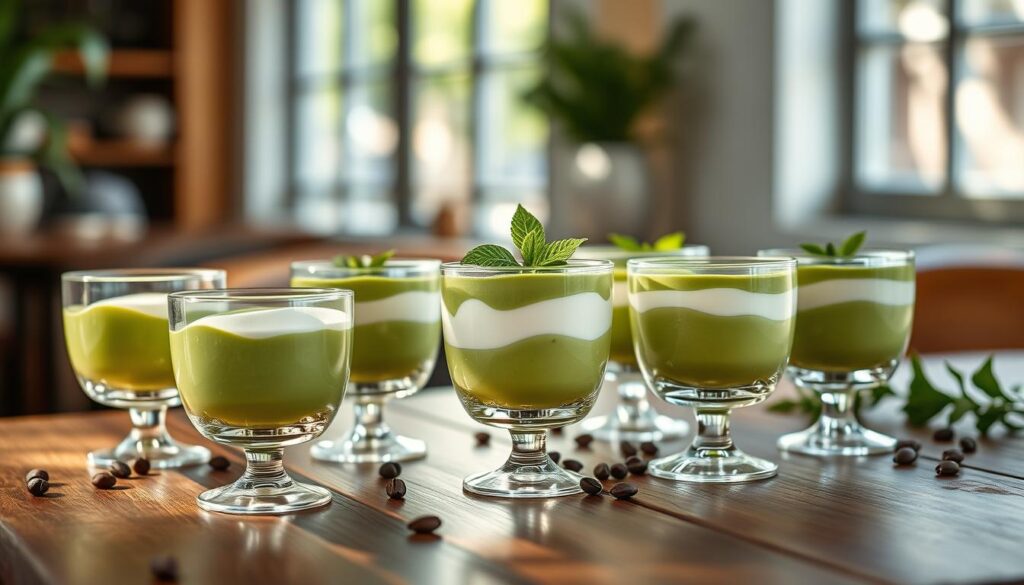
Matcha Layering

By following these steps and paying attention to the details, you can create a display that is not only visually appealing but also engaging and ‘Instagrammable’.

Tips for Enhancing Your Display:

  • Experiment with different layering techniques to find what works best for your products.
  • Use natural elements like flowers or leaves to add a touch of elegance to your display.
  • Consider the color palette and ensure it aligns with your brand’s identity.

Protecting Delicate Japanese Matcha

To protect your Matcha from photo-oxidation, it is essential to incorporate natural antioxidants and UV protection measures.

Preserving with Natural Ingredients

Using natural antioxidants is a viable solution to preserve the quality of your Matcha. You can achieve this by incorporating ingredients rich in antioxidants into your Matcha layering technique.

Ingredient Baker’s Percentage
Matcha Powder 100%
Green Tea Extract 10%
Vitamin C 5%
White Cacao 50%

Applying UV Protection Measures

In addition to using natural antioxidants, applying UV protection measures is crucial. You can achieve this by displaying your Matcha in UV-filtering display cases or using UV-filtering films on the glass. By incorporating these measures, you can effectively protect your delicate Japanese Matcha from photo-oxidation and preserve its quality.


FAQ

Why does the vibrant green color of my Matcha fade when placed in a display case?

This phenomenon is known as photo-oxidation. The intense light in professional display cases breaks down the Chlorophyll molecules responsible for the iconic green hue of high-quality Japanese Matcha, such as Ippodo Tea. Without proper intervention, this degradation leads to a dull, brownish appearance and a loss of nutritional value.

How can natural Antioxidants help preserve the quality of my Matcha and White Cacao creations?

Incorporating natural Antioxidants into your recipes creates a protective barrier that neutralizes free radicals caused by light exposure. When you blend premium Valrhona Ivoirine white chocolate with Matcha, the fats and added antioxidants work together to stabilize the Chlorophyll, ensuring your product remains vibrant and fresh for a longer period.

What specific UV Protection measures should I implement for my pastry shop?

To safeguard your delicate Matcha products, you should consider using UV Protection films on your display glass or investing in specialized LED lighting systems, such as those found in ISA or Oscartielle refrigerated cases. These measures filter out the harmful wavelengths that accelerate the oxidation of green tea powders like Marukyu Koyamaen.

How does the Matcha Layering technique enhance my Visual Marketing strategy?

Visual Marketing is essential in the modern culinary landscape. By mastering the art of layering—alternating rich white cacao ganache with vibrant Matcha layers—you create a high-contrast, “Instagrammable” product. This aesthetic appeal not only showcases your technical skill but also serves as a powerful tool to attract customers through social media and storefront engagement.

Can I use Baker’s percentages to maintain consistency in my Matcha and White Cacao recipes?

Absolutely. Utilizing Baker’s percentages is the professional standard for ensuring your Matcha and Antioxidants are perfectly balanced across different batch sizes. This precision allows you to maintain the exact ratio of ingredients needed to fight photo-oxidation while ensuring the flavor profile remains consistent for your clientele.

Is there a difference in how light affects various brands of Japanese Matcha?

While all Chlorophyll is susceptible to light, high-grade ceremonial Matcha from reputable brands like Aiya or Mizuba Tea Co. often has a higher concentration of pigments and natural compounds. However, their high quality makes the visual impact of photo-oxidation even more noticeable, necessitating the use of the protective layering and storage techniques discussed in this guide.

Leave a Reply

Your email address will not be published. Required fields are marked *