All the world of cacao in one click.

Protect your matcha from UV damage with our tutorial on preventing photo-oxidation in display. Learn the Matcha UV tips for preserving color and flavor.
To succeed in Visual Marketing, your retail product must remain vibrant and fresh. Sunlight often triggers oxidation, which destroys the bright green colors your customers love to see. Learning to manage Matcha UV exposure is the key to maintaining long-term shelf stability for your premium preparations.
Using stabilizers creates a natural barrier that reflects harsh light. This professional method prevents flavor loss and unwanted color shifts in your displays. Follow these instructions to keep your tea preparations beautiful and premium for your target audience.
| Ingredient | Baker’s Percentage (%) |
|---|---|
| Green Tea Powder | 100% |
| Ascorbic Acid (Vitamin C) | 1.5% |
| Heavy Glucose Syrup | 50% |
| Food-Grade Xanthan | 0.4% |
Step-by-Step Preparation:
The green color of matcha is primarily attributed to chlorophyll, a pigment that is susceptible to degradation when exposed to UV light.
This degradation process not only affects the color but also the nutritional value of matcha.
Chlorophyll is a green pigment found in plants, algae, and cyanobacteria. It plays a crucial role in photosynthesis, allowing plants to absorb energy from light.
The high concentration of chlorophyll in matcha is what gives it its vibrant green color.
When matcha is exposed to UV light, the chlorophyll molecules can break down, leading to a loss of color and a decrease in nutritional quality.
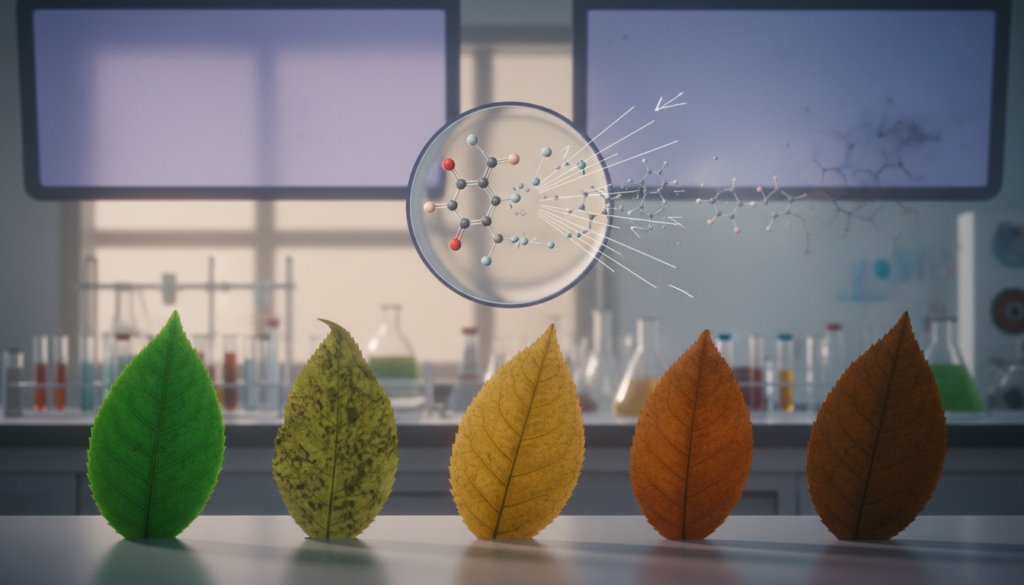
To preserve the color and nutritional value of matcha, it’s essential to understand the factors that contribute to chlorophyll degradation.
This includes exposure to UV light, oxygen, and heat. By controlling these factors, the integrity of chlorophyll in matcha can be maintained.
Preserving Chlorophyll Integrity: You can help preserve the chlorophyll in matcha by storing it in a cool, dark place, away from direct sunlight and heat sources.
This simple step can significantly reduce the degradation process.
To protect matcha from UV damage, it’s essential to understand the function of natural UV shields in fat. The quality and nutritional value of matcha can be preserved by leveraging these natural shields.
Matcha contains a significant amount of fat, which serves as a natural barrier against UV radiation. This fat layer is crucial in preventing the degradation of the tea’s quality.
One of the key components that contribute to matcha’s resistance to oxidation is its high antioxidant content. Antioxidants play a vital role in neutralizing free radicals that can cause the degradation of matcha’s quality.
The antioxidants present in matcha help in:
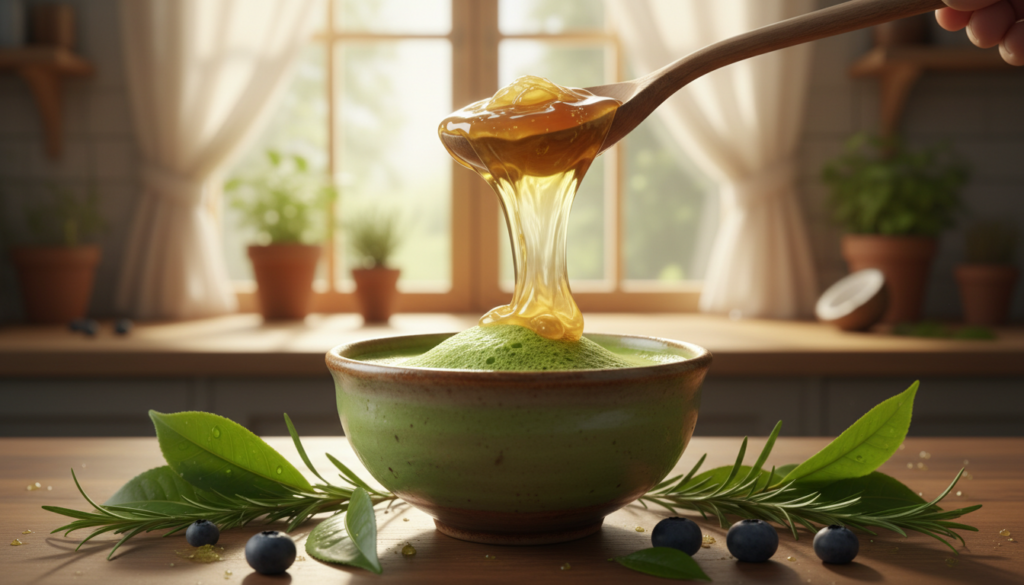
By understanding how antioxidants work in matcha, you can better appreciate the importance of preserving this tea in a way that maintains its natural UV shields. This knowledge can be applied to create effective displays and storage methods that protect matcha from UV damage.
The presence of antioxidants in matcha is a significant factor in its preservation. These compounds are essential for maintaining the tea’s quality and nutritional value. By leveraging the benefits of antioxidants, you can ensure that your matcha remains fresh and of high quality.
To maintain the quality of Japanese matcha, creating an effective UV barrier is crucial. This involves layering the matcha in a way that protects it from UV light, which can cause degradation and affect its appearance and nutritional value.
You can achieve a UV barrier by using a combination of natural ingredients and careful display techniques. Start by selecting a container that provides initial protection against UV light. Then, layer the matcha with ingredients that have natural UV-shielding properties.
When displaying matcha on platforms like Instagram, consider using visually appealing layers that not only protect the matcha but also enhance its presentation. By doing so, you can create a display that is both aesthetically pleasing and effective in preserving the matcha.
By following these steps and utilizing a UV barrier, you can effectively preserve Japanese matcha and maintain its quality.