All the world of cacao in one click.

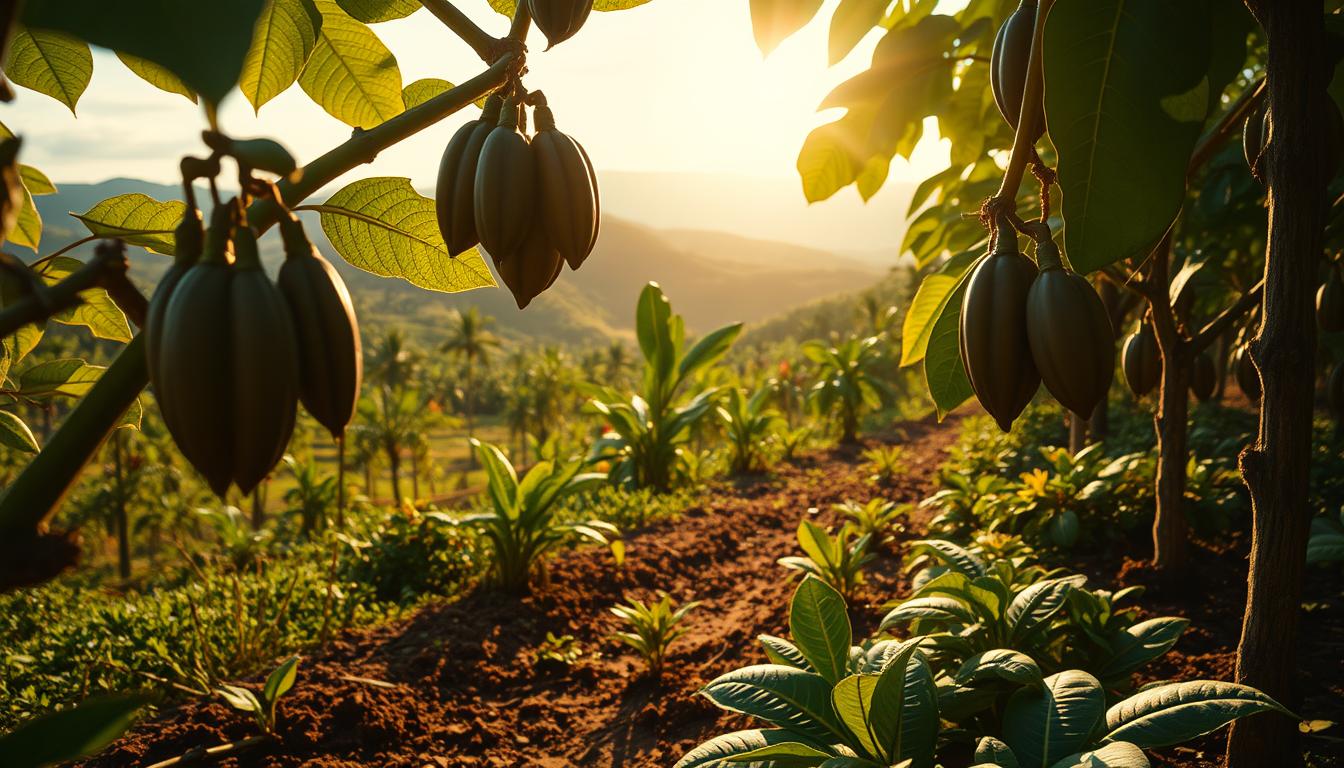
Explore the micro-terroirs of South-East Asian cacao and discover the new frontier of exotic origin.
Imagine savoring a piece of chocolate that transports you to a specific region, with its distinct flavor profile and aroma. This is the world of Micro-Terroirs, where the unique characteristics of the land are captured in every bite.
You are about to embark on a journey into the realm of cacao and its diverse flavor profiles. As a connoisseur, you will learn how to craft exquisite cacao-based dishes, guided by the principles of a professional recipe.
The art of creating these unique culinary experiences involves understanding the nuances of Micro-Terroirs and how they contribute to the richness of cacao. By the end of this journey, you will be equipped to create your own signature cacao dishes.
The unique flavor profiles of cacao are deeply rooted in their micro-terroirs, making the understanding of these terroirs crucial for any cacao connoisseur or producer. Micro-terroirs refer to the specific environmental conditions, including climate, soil, and geography, that affect the flavor and quality of cacao beans.
Micro-terroirs are not just about the geographical location; they encompass a complex interplay of factors such as temperature, rainfall, sunlight, and soil composition. These factors contribute to the distinctive flavor profiles that cacao from different regions exhibit. For instance, cacao from Vietnam is known for its rich, fruity flavors, which are a direct result of the country’s tropical climate and diverse soil types.
Understanding the significance of micro-terroirs helps in appreciating the diversity in cacao flavors. It also plays a critical role in flavor profiling, allowing producers to predict and manipulate the flavor outcomes based on the terroir characteristics.
Climate and soil are two of the most critical components of a micro-terroir. The climate influences the rate of ripening and the development of flavor precursors in the cacao beans, while the soil type affects the nutrient availability and water retention, impacting the overall health and flavor of the beans.
In regions like Vietnam, the combination of a warm, humid climate and rich, fertile soils creates ideal conditions for cacao cultivation. The climate and soil together contribute to the beans’ unique flavor characteristics, such as acidity, bitterness, and fruitiness.
Cacao beans from different regions exhibit a wide range of flavor profiles due to the variations in their micro-terroirs. For example, cacao from Southeast Asia, particularly from Vietnam, is known for its distinct flavor profiles compared to those from South America or Africa.
By understanding these differences, producers and chocolatiers can create unique blends that highlight the characteristics of cacao from specific regions, enhancing the art of flavor profiling.
The allure of South-East Asian cacao lies in its rich flavor profiles and unique varietals. As a region, South-East Asia, particularly the Philippines, has been gaining recognition for its high-quality cacao.
Rich Flavor Profiles are a hallmark of South-East Asian cacao. The unique combination of climate, soil, and careful processing results in a complex flavor profile that is both nuanced and intense. For instance, cacao from the Philippines is known for its fruity and floral notes, making it a favorite among chocolatiers.
Cacao from this region is often described as having a rich, fruity flavor with notes of caramel and nuts. The flavor profile can vary significantly depending on the specific region within South-East Asia, the soil quality, and the processing methods used.
“The flavor profile of Philippine cacao is distinct, with a rich, fruity taste that is both complex and refined.” –
South-East Asia is home to a variety of cacao beans that are not found elsewhere. These unique varietals contribute to the distinct flavor profiles that are characteristic of the region’s cacao.
| Varietal | Flavor Profile | Region |
|---|---|---|
| Forastero | Fruity, Floral | Philippines |
| Criollo | Nutty, Caramel | Indonesia |
| Trinitario | Complex, Fruity | Malaysia |
Cacao has significant cultural importance in many South-East Asian countries. In the Philippines, for example, cacao is not just a commodity but an integral part of the local culture and economy. The production of high-quality cacao is seen as a way to preserve traditional farming practices while also contributing to the local economy.
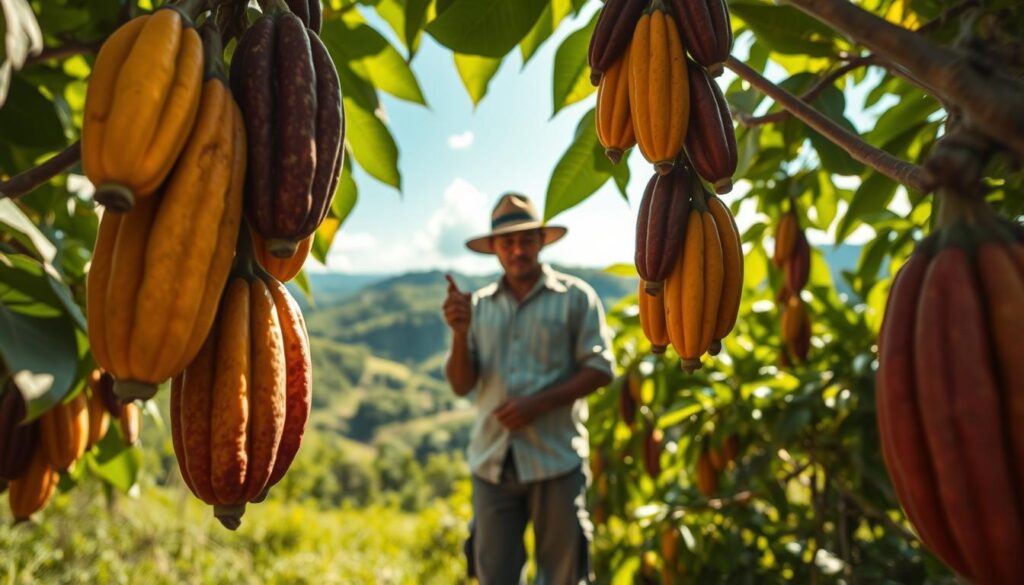
Single estate cacao, in particular, is valued for its quality and distinct flavor profile. By sourcing cacao from single estates, chocolatiers can ensure consistency and quality in their products.
Quality ingredients are the backbone of any successful cacao recipe, and sourcing them is an art. When you’re looking to create premium cacao products, understanding where to find the best ingredients is crucial.
One of the key steps in sourcing quality cacao is locating local producers, particularly in regions known for their cacao production, such as Vietnam. Vietnam has become a significant player in the global cacao market, offering high-quality beans that are sought after by chocolatiers worldwide. To find local producers, you can attend agricultural fairs, visit local markets, or connect with cooperatives that support cacao farmers.
Sustainability is a critical factor when sourcing cacao. Sustainable practices not only ensure the long-term viability of cacao production but also contribute to the well-being of the farmers and their communities. When sourcing cacao, look for producers who adhere to sustainable farming practices, such as shade-grown cacao, organic farming, and fair trade principles.
Evaluating the quality of cacao beans is essential to ensure you’re getting the best ingredients for your recipe. Key factors to consider include the bean’s origin, fermentation level, and moisture content. High-quality cacao beans should have a rich aroma and flavor profile. You can also evaluate the quality by assessing the beans’ appearance, looking for consistency in size and color.
| Quality Factor | Description | Importance Level |
|---|---|---|
| Origin | Cacao beans from regions known for high-quality production, such as Vietnam | High |
| Fermentation Level | Proper fermentation enhances flavor and aroma | High |
| Moisture Content | Low moisture content is crucial for storage and flavor preservation | High |
| Appearance | Consistency in size and color indicates quality | Medium |
The foundation of a great cacao recipe lies in its ingredients and their precise measurements. To achieve the desired flavor profiling, it’s crucial to understand the role of each component.
When formulating your cacao recipe, it’s essential to use the Baker’s percentage method to ensure consistency and scalability. This method expresses the weight of each ingredient as a percentage of the total flour weight.
| Ingredient | Percentage (%) |
|---|---|
| Cacao Beans | 100 |
| Sugar | 20 |
| Cocoa Butter | 30 |
| Milk Powder | 10 |
Using this table, you can adjust the quantities of your ingredients according to your needs while maintaining the balance of flavors.
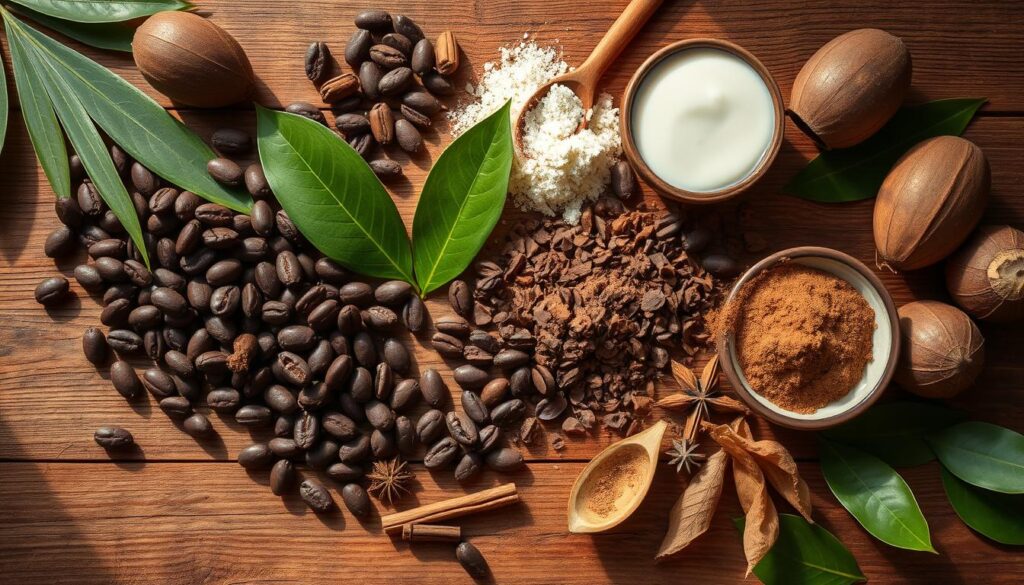
Accurate measurements are vital in achieving the desired flavor profile. Even small deviations can significantly impact the final product. By using a digital scale and adhering to the Baker’s percentage method, you can ensure that your cacao recipe is consistent and reliable.
Moreover, precise measurements allow you to experiment with different variations of your recipe, fine-tuning the flavor to your liking. This attention to detail is what sets professional chocolatiers apart from hobbyists.
A well-prepared workstation is the foundation of a successful cacao preparation process, especially when working with high-quality single estate cacao. This initial step ensures that you can focus on crafting your recipe without any distractions or inefficiencies.
To start, you’ll need to gather the necessary equipment for processing your cacao. This includes a grinder or melanger, a thermometer, and molds for shaping your final product. When working with single estate cacao, it’s crucial to have equipment that can handle the unique characteristics of your beans.
Maintaining a clean and hygienic workstation is vital to prevent contamination and ensure the quality of your cacao. Regularly clean your equipment and workspace, and make sure to sanitize any tools that come into contact with your cacao beans or products.
Organizing your inputs efficiently is key to a smooth workflow. This includes having your single estate cacao beans, sugar, and any other ingredients measured out and within easy reach. A well-organized workstation helps in maintaining focus and reducing the risk of errors during the preparation process.
With cacao beans sourced from the Philippines, you’re about to dive into a step-by-step guide to creating your perfect cacao recipe. This journey involves understanding the unique characteristics of your ingredients and applying precise techniques to bring out their best qualities.
To start, you’ll need to mix your cacao beans with other ingredients according to your recipe. The quality of your cacao beans, such as those from the Philippines, will significantly impact the final flavor.
Temperature control is crucial in the cacao-making process. Ideal temperatures vary depending on the stage of production.
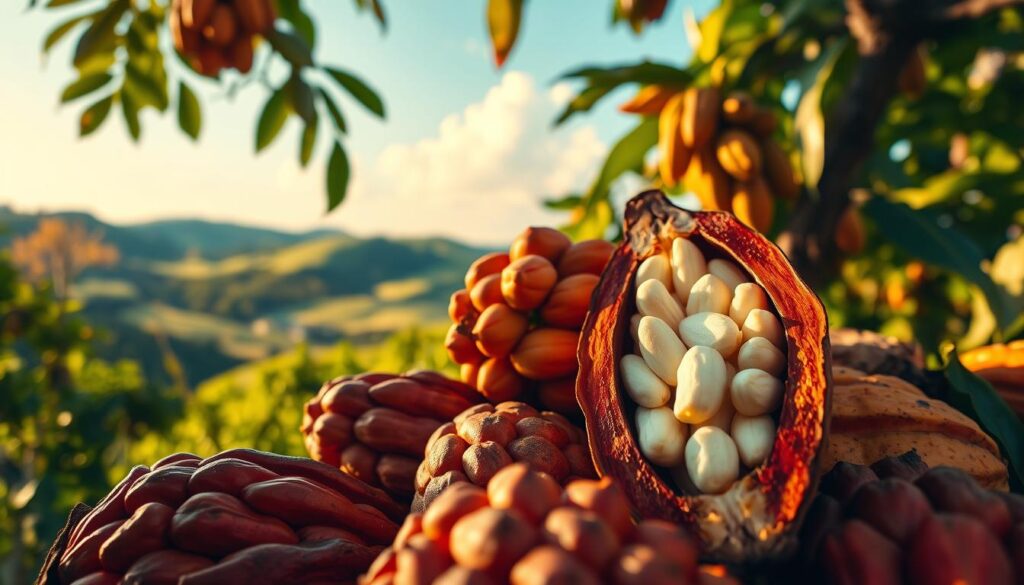
The fermentation process is critical for developing the complex flavors of your cacao. Cacao beans from the Philippines are known for their rich flavor profile, which can be further enhanced through proper fermentation.
“Fermentation is the heart of chocolate making. It’s where the magic happens, transforming raw cacao into the rich, complex flavors we love.”
To ferment your cacao beans effectively:
With the rich flavors of Vietnamese cacao as your canvas, you can create a masterpiece by blending, aging, and experimenting with different techniques. Crafting a unique flavor profile is a journey that requires patience, a deep understanding of cacao, and a willingness to experiment.
Blending cacao beans is an art that allows you to create complex and unique flavor profiles. By combining beans from different regions, such as Vietnam, you can achieve a balanced taste that showcases the best characteristics of each bean type.
| Bean Origin | Flavor Profile | Percentage in Blend |
|---|---|---|
| Vietnam | Fruity, Floral | 40% |
| Ecuador | Nutty, Caramel | 30% |
| Ghana | Earthy, Spicy | 30% |
Aging is a critical step in developing the flavor profile of your cacao. Techniques such as aging in oak barrels or using specific temperature and humidity controls can enhance the depth and complexity of your cacao.
Aging Methods:
Experimenting with additions such as spices, herbs, or fruits can further enhance your unique flavor profile. For instance, adding a hint of cinnamon or citrus can complement the natural flavors of your cacao blend.
By understanding the basics of blending, aging, and experimenting, you can craft a truly unique flavor profile that showcases the best of Vietnamese cacao and beyond.
The art of tasting cacao is a sensory journey that begins with recognizing the subtle nuances in flavor and aroma. As you develop your palate, you’ll learn to appreciate the complex characteristics of high-quality cacao, particularly from single estate farms in the Philippines.
To recognize flavor notes in cacao, you need to pay attention to the various flavors that emerge during tasting. Cacao from different regions can have distinct flavor profiles, ranging from fruity and floral to nutty and spicy. Single estate cacao from the Philippines, for example, is known for its rich and complex flavor profile.
As you taste, take note of the flavors that stand out to you. You can use a flavor wheel to help identify the different notes.
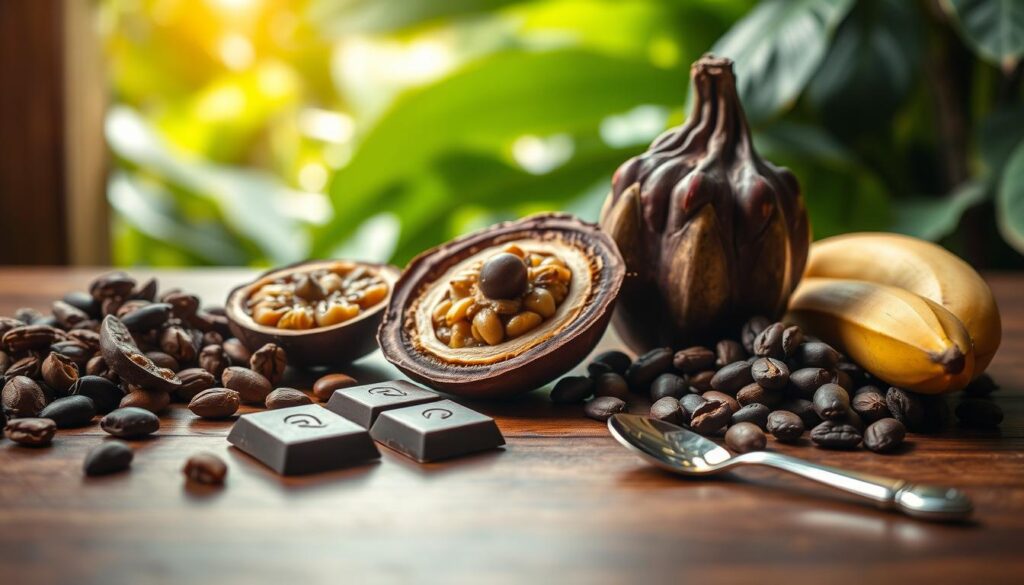
The texture of cacao is another important aspect to consider when tasting. High-quality cacao should have a smooth, meltable texture that coats the palate. Texture can vary depending on the processing methods and the quality of the beans.
When evaluating texture, consider the following:
The aroma of cacao is a crucial component of the tasting experience. The aroma can range from intense and fruity to mild and nutty. Aroma can greatly influence the overall flavor profile.
To appreciate the aroma, take a moment to smell the cacao before tasting. Notice the intensity and character of the aroma. You can also warm the cacao slightly to release more of the aromatic compounds.
By understanding and appreciating the flavor notes, texture, and aroma of cacao, you’ll be able to fully experience the unique qualities of single estate cacao from the Philippines.
Cacao pairing is an art that enhances the flavor profile of your creations. By thoughtfully combining cacao with complementary ingredients, beverages, and serving formats, you can elevate the overall experience.
To create harmonious pairings, consider ingredients that complement the flavor notes in your cacao. For instance, if your cacao has fruity notes, pairing it with dried fruits or fruit preserves can enhance these flavors. Similarly, if your cacao has a rich, spicy flavor, pairing it with nuts or spices like cinnamon or nutmeg can be delightful.
Some popular complementary ingredients include:
The right beverage can significantly enhance your cacao experience. For a luxurious treat, consider pairing your cacao with a fine wine or champagne. For a more casual experience, coffee or tea can be a great match, especially if you’re looking to contrast the richness of the cacao with a lighter, more refreshing drink.
Some beverage pairing suggestions include:
The way you serve your cacao can also impact the overall experience. Consider serving cacao in elegant molds or handcrafted cups to add a visual element to the experience. You can also experiment with different temperatures, such as serving cacao chilled or warm, to alter the flavor profile and texture.
By experimenting with different pairings and serving formats, you can discover new ways to enjoy and appreciate your cacao creations.
Now that you’ve crafted your unique cacao recipe using high-quality ingredients, such as those from Vietnam’s Single Estate cacao, it’s time to share your creations with others. Showcasing your products in an appealing way can elevate the overall experience for your audience.
To make a lasting impression, consider the visual appeal of your cacao creations. Use attractive packaging and garnishes that complement the flavors and aromas of your products. For instance, a beautifully crafted chocolate bar made with Single Estate cacao can be showcased on a decorative platter or wrapped in elegant packaging.
Engage your audience by sharing the story behind your cacao creations, such as the sourcing of ingredients from Vietnam’s renowned cacao regions. Encourage them to explore different flavors and textures, and provide tasting notes to guide their experience.
Encourage feedback from your audience to refine your recipes and presentation. This will not only help you improve your craft but also build a loyal following of cacao enthusiasts who appreciate your unique creations.