All the world of cacao in one click.
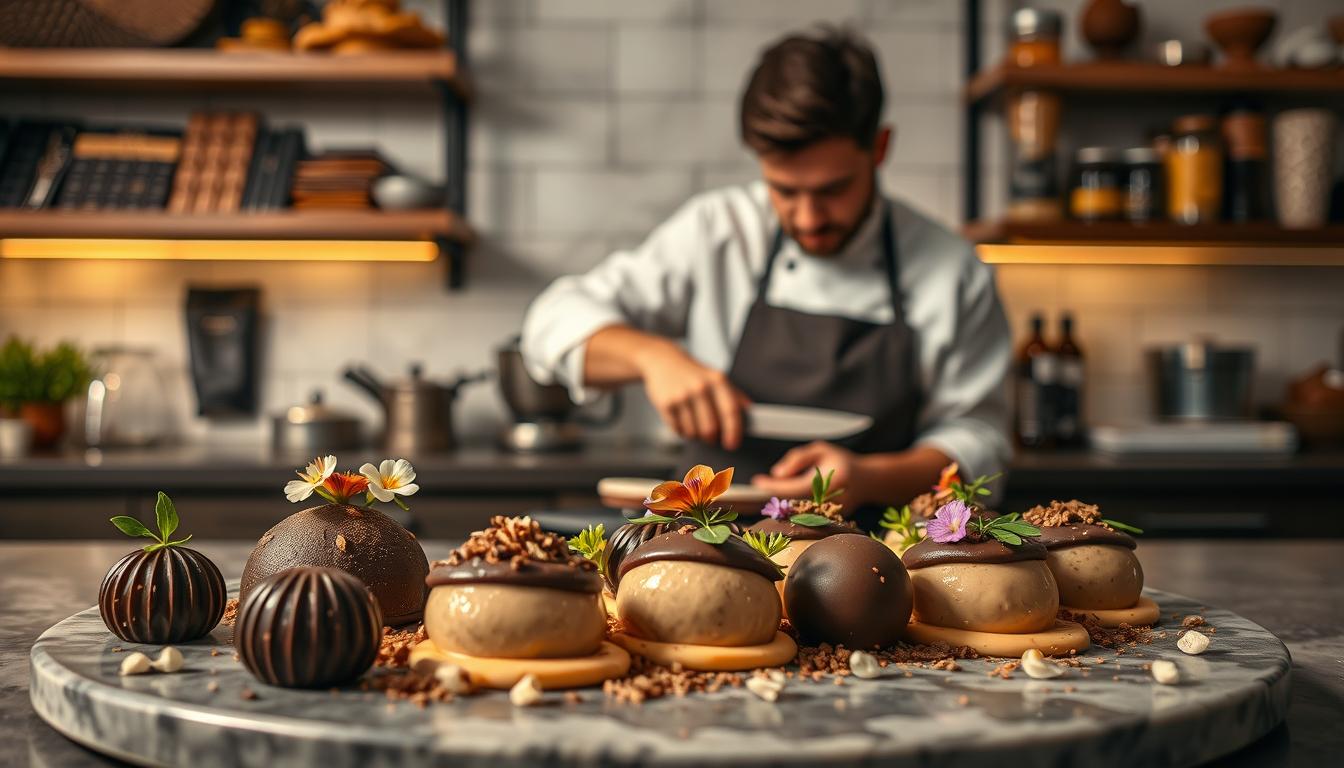
Master the art of molecular pairing to create a savory mushroom ganache in this insightful tutorial.
You are about to embark on a culinary journey that combines the richness of cacao with the earthiness of mycelium, creating a truly unique savory mushroom ganache. This innovative dessert is a result of culinary fusion, where the art of molecular pairing techniques is used to revolutionize the way we experience flavors.
By merging these two distinct ingredients, you’ll discover a harmonious balance of flavors that will elevate your dessert game. The process involves crafting a ganache that is both rich and savory, using a precise blend of ingredients and a step-by-step guide to achieve the perfect texture and taste.
Understanding molecular pairing is key to unlocking the full potential of ingredients like cacao and mycelium in modern cuisine. Molecular pairing is a culinary technique that involves combining ingredients based on their molecular characteristics to create harmonious and complex flavor profiles.
Molecular pairing is rooted in the science of understanding how different flavor compounds interact with each other. By analyzing the chemical makeup of ingredients, chefs can predict which flavors will complement or contrast each other effectively. This technique allows for the creation of unique and exciting flavor combinations, such as pairing cacao with mycelium to enhance umami flavors.
The use of Reishi mushrooms, a type of mycelium, in molecular pairing is particularly noteworthy due to its distinct earthy flavor and potential health benefits. When combined with cacao, Reishi can add depth and complexity to dishes, illustrating the power of molecular pairing in culinary innovation.
Cacao has long been a staple in culinary arts, valued for its rich flavor and versatility. In the context of molecular pairing, cacao serves as an excellent base ingredient due to its complex flavor profile, which includes notes of bitterness, sweetness, and acidity. By pairing cacao with other ingredients like mycelium, chefs can create balanced and nuanced flavors.
The bitterness in cacao, for example, can be offset by the earthy umami taste of mycelium, creating a harmonious flavor experience. This balance is a hallmark of effective molecular pairing and highlights the potential of combining cacao and mycelium in innovative dishes.
Mycelium, the vegetative part of a mushroom, is gaining recognition in culinary circles for its unique flavors and textures. Different types of mycelium, such as Reishi, offer a range of flavors that can be leveraged in molecular pairing. The earthy, sometimes umami flavor of mycelium makes it an excellent candidate for pairing with the rich, bitter taste of cacao.
By incorporating mycelium into recipes, chefs can not only enhance the flavor but also increase the nutritional value of dishes. Mycelium is known for its potential health benefits, including immune system support and antioxidant properties, making it a valuable addition to culinary creations.
The synergy between cacao and mycelium is revolutionizing the culinary world with its unique flavor profiles and nutritional benefits. As you explore the possibilities of combining these ingredients, you’ll discover how their compatibility enhances the overall culinary experience.
The combination of cacao and mycelium creates a rich, savory flavor profile that is both complex and intriguing. Molecular pairing plays a crucial role in this synergy, as the earthy tones of mycelium complement the deep, chocolatey flavors of cacao. This compatibility is not just about taste; it’s also about the emotional connection we make with food.
When you combine these ingredients, you’re not just mixing flavors; you’re creating an experience. The umami flavor from mycelium enhances the bitterness of cacao, creating a balanced taste that is both sophisticated and appealing.
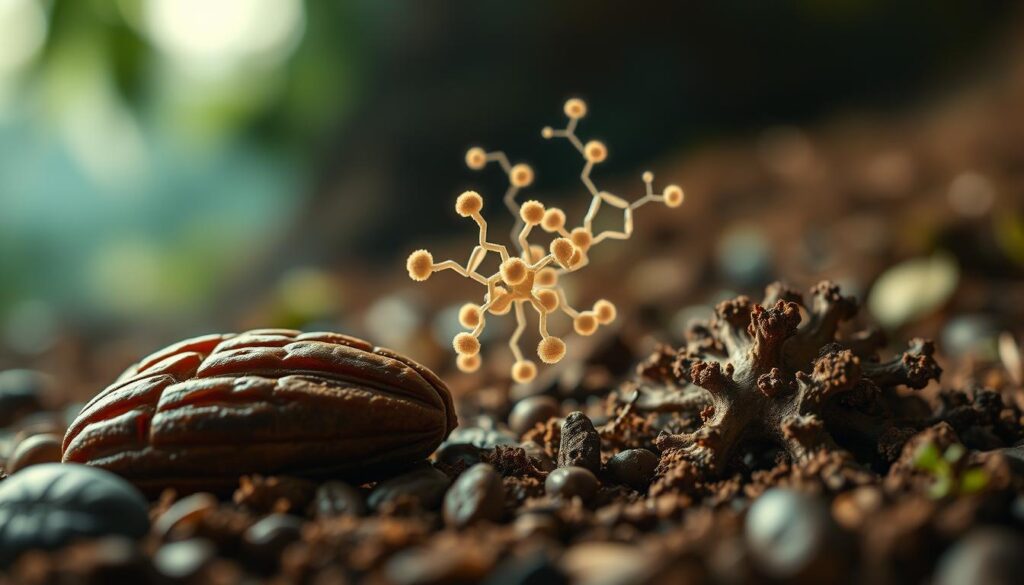
The nutritional benefits of combining cacao and mycelium are substantial. Cacao is rich in antioxidants, while mycelium provides a boost of protein and fiber. Together, they create a nutrient-dense ingredient that is perfect for health-conscious consumers.
| Nutritional Component | Cacao | Mycelium | Combined |
|---|---|---|---|
| Protein | 5g | 10g | 15g |
| Fiber | 3g | 5g | 8g |
| Antioxidants | High | Moderate | Very High |
As we look towards 2026 Trends in culinary innovations, the combination of cacao and mycelium is poised to become a leading trend. The Nutritional Benefits of this combination make it an attractive option for consumers looking for healthier, sustainable food choices.
Crafting the perfect mushroom ganache requires a deep understanding of its core components, including cacao and mycelium. The quality and proportion of these ingredients are crucial for achieving the desired flavor and texture.
To start, you’ll need to familiarize yourself with the primary ingredients and their roles in the ganache. The main components are cacao, mycelium, and a sweetener or creamer to enhance the flavor and texture.
The following table outlines the basic ingredients for mushroom ganache using Baker’s percentages, which is a method of expressing the proportion of ingredients relative to the total flour weight (or in this case, cacao weight).
| Ingredient | Baker’s Percentage (%) | Weight (g) |
|---|---|---|
| Cacao | 100 | 200 |
| Mycelium | 50 | 100 |
| Cream | 75 | 150 |
Using Baker’s Percentage allows you to scale your recipe up or down while maintaining the balance of flavors. For instance, if you want to make a larger batch, you can simply multiply each ingredient by the same factor.
Baker’s Percentage is a valuable tool for achieving consistency in your recipes. It expresses the weight of each ingredient as a percentage of the total weight of the primary ingredient (in this case, cacao). This method ensures that your ganache has a consistent flavor profile regardless of the batch size.
For example, if you’re using 200g of cacao, and your recipe calls for 50% mycelium, you’ll need 100g of mycelium. This system simplifies scaling and ensures that your ganache tastes the same every time.
By understanding and utilizing Baker’s percentages, you can experiment with different ratios of cacao to mycelium to find your perfect blend. This flexibility is key to creating a truly unique mushroom ganache.
To unlock the full potential of mycelium in your recipes, proper preparation is key. Mycelium, the vegetative part of a mushroom, is rich in nutrients and flavor. Preparing it correctly can elevate your dishes, especially when combined with cacao in a savory mushroom ganache.
Choosing the right type of mycelium is crucial for achieving the desired flavor and nutritional benefits. Reishi mycelium is a popular choice due to its earthy flavor and potential health benefits. Other varieties like oyster or shiitake mycelium can also be used based on personal preference and the desired flavor profile.
| Mycelium Type | Flavor Profile | Nutritional Highlights |
|---|---|---|
| Reishi | Earthy, slightly bitter | Rich in antioxidants, potential immune system support |
| Oyster | Mild, delicate | High in protein, low in calories |
| Shiitake | Rich, smoky | Good source of vitamins and minerals, potential immune system support |
Once you’ve selected your mycelium, it’s time to prepare it for cooking. This involves cleaning, drying, or rehydrating the mycelium to achieve the best flavor. For dried mycelium, rehydration is necessary, typically by soaking it in warm water. Fresh mycelium may require gentle cleaning to remove any debris.
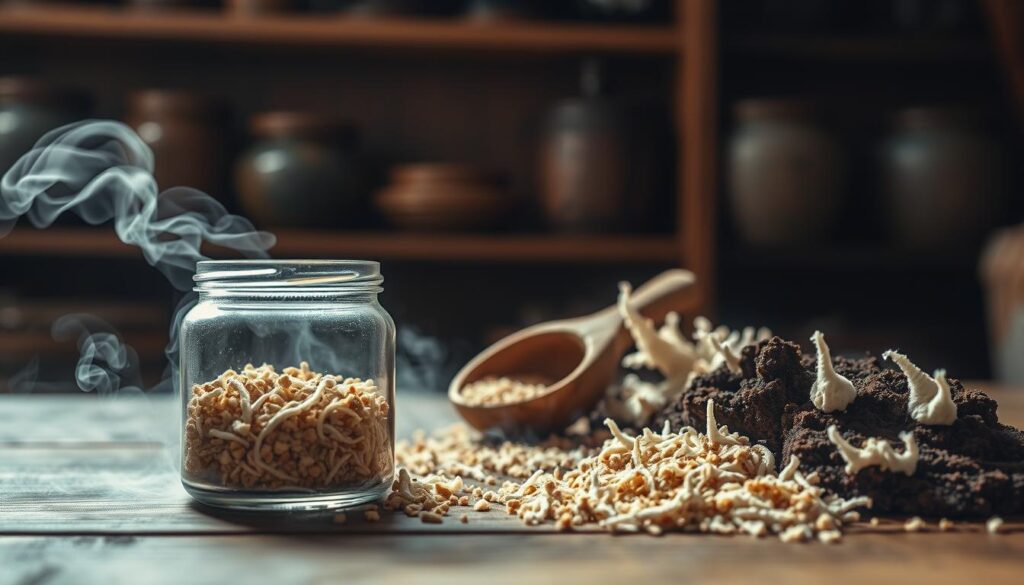
After rehydration or cleaning, the mycelium can be finely chopped or ground to release its flavors and nutrients. This step is essential for creating a smooth and rich ganache when combined with melted cacao.
To create a luxurious ganache, you need to understand the intricacies of melting cacao and mixing it with mycelium. This process involves a combination of art and science, ensuring that the final product is both delicious and visually appealing.
Melting the cacao is a crucial step in making the ganache. You can achieve this by using a double boiler or a microwave-safe bowl in short increments, stirring between each heating. Here are the steps to follow:
| Method | Temperature | Time |
|---|---|---|
| Double Boiler | 105°F – 115°F | Until melted |
| Microwave | N/A | 10-second increments |
Once the cacao is melted, it’s time to mix it with the prepared mycelium. The key to achieving the right consistency is to blend the ingredients slowly and carefully.
By following these steps, you can create a rich and creamy ganache that showcases the unique flavors of cacao and mycelium. Experiment with different ratios of cacao to mycelium to find your perfect blend.
To take your ganache to the next level, consider the art of flavor enhancement. Balancing flavors is crucial for creating a truly exceptional mushroom ganache. You can achieve this balance by incorporating natural sweeteners and spices that complement the umami flavor of the mycelium.
Natural sweeteners can add depth and complexity to your ganache. Options like honey, maple syrup, and coconut sugar not only sweeten but also bring unique flavor profiles. For instance, honey can add a floral note, while maple syrup provides a rich, velvety texture.
When adding natural sweeteners, start with a small amount and taste as you go. This approach allows you to adjust the sweetness to your liking without overpowering the other flavors.
| Natural Sweetener | Flavor Profile | Recommended Usage |
|---|---|---|
| Honey | Floral, slightly tangy | Use sparingly due to strong flavor |
| Maple Syrup | Rich, earthy | Add a drizzle for a deep flavor |
| Coconut Sugar | Mild caramel flavor | Substitute for refined sugars for a healthier option |
Spices can significantly enhance the flavor profile of your ganache. Consider adding a pinch of salt to bring out the umami flavors or a sprinkle of cinnamon for warmth. Other options include nutmeg, cardamom, or even a hint of cayenne pepper for a surprising kick.
The key is to balance the spices so they complement the mycelium and cacao without overpowering them. Start with a small amount and adjust to taste.
By thoughtfully incorporating natural sweeteners and spices, you can create a ganache that is not only delicious but also complex and nuanced. Experiment with different combinations to find your perfect balance.
The secret to a perfect ganache lies in its emulsification, a process that combines ingredients harmoniously. Emulsification is crucial for creating a stable and smooth ganache, which is essential for both its appearance and texture.
Emulsification involves mixing two or more liquids that wouldn’t normally mix, like oil and water, into a stable blend. In the context of ganache, this means combining the cacao, which contains fats, with other ingredients like mycelium extracts or cream. The key to successful emulsification is gradual incorporation and constant stirring. This ensures that the fat molecules and water-based ingredients blend seamlessly, creating a uniform texture.
To achieve this, you can use a few techniques, such as slowly pouring the hot cream or mycelium extract into the melted cacao while whisking vigorously. Alternatively, using a blender or food processor can also help in achieving a smooth emulsion.
A smooth texture is not just aesthetically pleasing; it also enhances the overall taste experience of your ganache. To achieve this, it’s essential to temper your cacao properly before mixing it with other ingredients. Tempering involves heating and cooling the cacao to create a stable crystal structure that gives the ganache its glossy appearance and snappy texture.
Another critical factor is the ratio of ingredients. Ensuring that your ganache has the right balance of fats and solids is crucial. Too much of either component can lead to a ganache that’s either too runny or too thick. Experimenting with different ratios can help you find the perfect balance for your desired texture.
By mastering the emulsification process and paying close attention to the texture, you can create a ganache that’s not only delicious but also visually appealing. Whether you’re using it as a topping, filling, or standalone treat, your ganache is sure to impress.
A well-plated ganache not only delights the palate but also pleases the eye. As you prepare to serve your mushroom ganache, consider the importance of presentation in culinary arts. The way you plate your dish can significantly enhance the dining experience.
The choice of serving dish can complement the appearance of your ganache. Opt for dishes that are clean, simple, and visually appealing. Glass or ceramic dishes are excellent choices as they add a touch of elegance to your presentation.
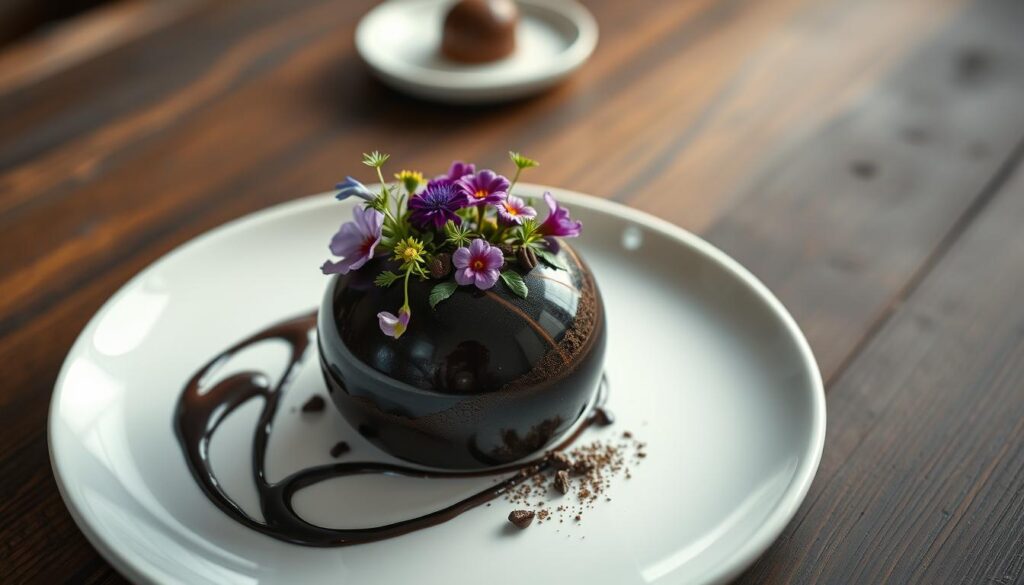
To impress your guests, consider a few key presentation tips. First, ensure that the ganache is smooth and evenly spread on the dish. You can garnish with edible flowers, nuts, or a sprinkle of cocoa powder to add texture and visual appeal.
As noted by culinary experts, “The art of plating is not just about making the dish look good; it’s about creating an experience.”
“The way you present your food can evoke emotions and anticipation, making the meal more enjoyable.”
By paying attention to these details, you can elevate your mushroom ganache from a simple dessert to a culinary masterpiece that delights both the palate and the eye.
Elevate your dining experience by pairing your mushroom ganache with complementary flavors and drinks. The right pairings can enhance the unique taste of your ganache, making it a memorable culinary experience.
When it comes to pairing flavors with mushroom ganache, there are several options to consider. You can pair it with sweet treats like fresh fruits or artisanal chocolates to balance out the savory flavor of the mushrooms. For a more savory experience, try pairing it with roasted nuts or crusty bread.
| Complementary Flavor | Description |
|---|---|
| Fresh Fruits | Balances the savory flavor with natural sweetness |
| Artisanal Chocolates | Enhances the richness of the ganache |
| Roasted Nuts | Adds a satisfying crunch and nutty flavor |
The right beverage can complement the flavors of your mushroom ganache. For a sophisticated experience, consider pairing it with a rich, bold coffee or a smooth, aged whiskey. If you prefer something lighter, a herbal tea or a fresh, fruity cocktail can be a refreshing match.
As you explore different pairings, you’ll discover that the versatility of mushroom ganache allows it to be a canvas for a wide range of culinary creativity. Stay ahead of the curve by incorporating the latest 2026 Trends in food pairings, such as unique flavor combinations and sustainable ingredients.
Effective storage is key to preserving the flavor and texture of your mushroom ganache. Whether you’re preparing it for a special occasion or storing leftovers, understanding the best storage practices is crucial.
To store your mushroom ganache in the refrigerator, it’s essential to keep it in an airtight container. This prevents the ganache from absorbing odors from other foods and maintains its freshness. Cool the ganache to room temperature before refrigerating to prevent condensation, which can affect its texture.
When refrigerating, you can expect the ganache to last for up to 2 weeks. However, it’s best to check on it periodically to ensure it remains fresh and has not developed any off-flavors.
For longer storage, freezing is an excellent option. Pour the cooled ganache into an airtight container or freezer-safe bag, making sure to press out as much air as possible before sealing. Label the container with the date and contents.
When you’re ready to use the ganache, simply thaw it in the refrigerator overnight or at room temperature for a few hours. Be aware that freezing may slightly alter the texture, so it’s a good idea to re-whip the ganache after thawing to restore its original consistency.
By following these storage tips, you can enjoy your mushroom ganache for a longer period while maintaining its quality and flavor.
The nutritional value and potential allergens in mushroom ganache are vital considerations for health-conscious individuals. As you incorporate this dessert into your culinary repertoire, understanding its health implications can enhance your appreciation and safe enjoyment of it.
Mushroom ganache combines the nutritional benefits of both cacao and mycelium. Cacao is rich in antioxidants, flavonoids, and minerals like magnesium and copper. Mycelium, on the other hand, contributes protein, fiber, and various vitamins. Together, they create a dessert that is not only delicious but also packed with nutrients.
The mycelium used in mushroom ganache can vary, but many types are known for their health benefits. For instance, Reishi and Chaga mushrooms are renowned for their immune-boosting properties and antioxidant content. When combined with cacao, these mycelium types enhance the overall nutritional profile of the ganache.
While mushroom ganache can be a nutritious dessert option, it’s essential to be aware of potential allergens. The primary ingredients, cacao and mycelium, can cause allergic reactions in some individuals. Cacao is a common allergen, and mycelium, being a fungal product, can also trigger allergic responses or intolerance in sensitive individuals.
To ensure safe consumption, it’s crucial to:
By understanding these health considerations, you can enjoy mushroom ganache while minimizing potential risks. Always consult with a healthcare professional if you have specific dietary concerns or allergies.
As we explored the unique fusion of cacao and mycelium in creating a savory mushroom ganache, it’s clear that the world of culinary innovations is vast and exciting. The application of molecular pairing principles has opened new avenues for chefs and food enthusiasts alike.
The future of culinary arts is likely to be shaped by continued experimentation with novel ingredients and techniques. Molecular pairing, in particular, offers a scientific approach to understanding flavor profiles and compatibility, enabling the creation of complex and intriguing dishes.
You are encouraged to continue exploring the possibilities of molecular pairing in your culinary endeavors. By combining unexpected ingredients and techniques, you can develop unique recipes that showcase the versatility and richness of modern cuisine.
As you venture into the world of culinary innovations, remember that the art of cooking is not just about following recipes, but about experimenting and pushing the boundaries of what is possible. The combination of cacao and mycelium is just the beginning.