All the world of cacao in one click.

Discover the neuro-flavors of dark chocolate and how they can boost your mood. Our tutorial reveals the science behind this delectable treat.
You’ve likely heard that dark chocolate can boost your mood, but have you ever wondered why? The connection between dopamine, dark chocolate, and mood enhancement is rooted in the science of neuro-flavors. Certain ingredients in dark chocolate can be formulated to stimulate the release of neurotransmitters like serotonin, which plays a crucial role in regulating your mood.
By understanding how to combine ingredients to create mood-enhancing recipes, you can harness the power of dark chocolate to improve your mental well-being. This introduction will guide you through the process of formulating a delicious dark chocolate recipe that not only tastes great but also supports your mood health.
Understanding the role of neuro-flavors is crucial for creating food products that positively impact mood and cognitive function. Neuro-flavors are not just about taste; they’re about how certain flavors can stimulate the brain to release neurotransmitters that influence our mood and emotional well-being.
Neuro-flavors refer to the specific tastes and flavor profiles that have a direct impact on our brain chemistry, particularly in the release of neurotransmitters like dopamine, serotonin, and endorphins. These neurotransmitters play a significant role in regulating mood, appetite, and emotional responses. For instance, the consumption of certain flavors can trigger the release of dopamine, a neurotransmitter associated with pleasure and reward.
Nootropics, substances that enhance cognitive function, are often linked with specific neuro-flavors that can boost their effectiveness. The combination of nootropics with neuro-flavors in functional foods represents a growing trend in the food industry, aimed at enhancing both physical and mental well-being.
The influence of neuro-flavors on mood is rooted in their ability to stimulate the brain’s reward system and neurotransmitter release. Certain flavors can evoke emotional responses and improve mood by triggering the release of feel-good hormones. For example, the flavor profile of dark chocolate is known to stimulate the release of serotonin and endorphins, which can enhance mood and reduce stress.
| Flavor Profile | Neurotransmitter Released | Mood Impact |
|---|---|---|
| Sweet | Dopamine, Serotonin | Improves mood, reduces stress |
| Bitter (Dark Chocolate) | Endorphins, Serotonin | Enhances mood, reduces anxiety |
| Umami | Dopamine | Stimulates pleasure and reward |
By understanding how different neuro-flavors influence mood, food manufacturers can develop products that not only taste good but also contribute to the consumer’s emotional well-being. This knowledge can be used to create functional foods that are both delicious and beneficial for mental health.
Dopamine release is a complex process that significantly influences mood regulation and overall mental health. Dopamine is a neurotransmitter that plays a crucial role in the brain’s reward system, motivating us to engage in activities that are essential for survival and pleasure.
To understand how dopamine affects mood, it’s essential to explore its role in the brain. Dopamine is often referred to as the “feel-good” neurotransmitter because it’s involved in the experience of pleasure and reward. However, its influence extends beyond just pleasure; it’s also critical for regulating movement, emotional responses, and the ability to experience pleasure and pain.
Dopamine is intricately linked with mood regulation. It helps control the brain’s reward and pleasure centers, as well as regulating movement and emotional responses. Low levels of dopamine have been associated with various mood disorders, including depression.
The process of dopamine release involves several steps:
Understanding this process is crucial for appreciating how certain foods and activities can influence dopamine levels and, consequently, mood.
Certain foods can stimulate dopamine production, contributing to improved mood and emotional well-being. Some of these foods include:
As noted by a leading neuroscientist, “The relationship between diet and dopamine is complex, but it’s clear that certain nutrients can influence dopamine levels and overall brain health.”
“The food we eat has a profound impact on our brain chemistry, including the production and regulation of dopamine.”
The interplay between dopamine and serotonin is also crucial for maintaining emotional balance. While dopamine is often associated with reward and pleasure, serotonin is involved in regulating mood, appetite, and sleep. A balanced diet that supports the production of both neurotransmitters can contribute to overall well-being.
| Food | Dopamine-Boosting Component | Benefit |
|---|---|---|
| Lean Meats | Tyrosine | Supports dopamine production |
| Berries | Antioxidants | Protects dopamine-producing neurons |
| Fatty Fish | Omega-3 fatty acids | Supports brain health and dopamine function |
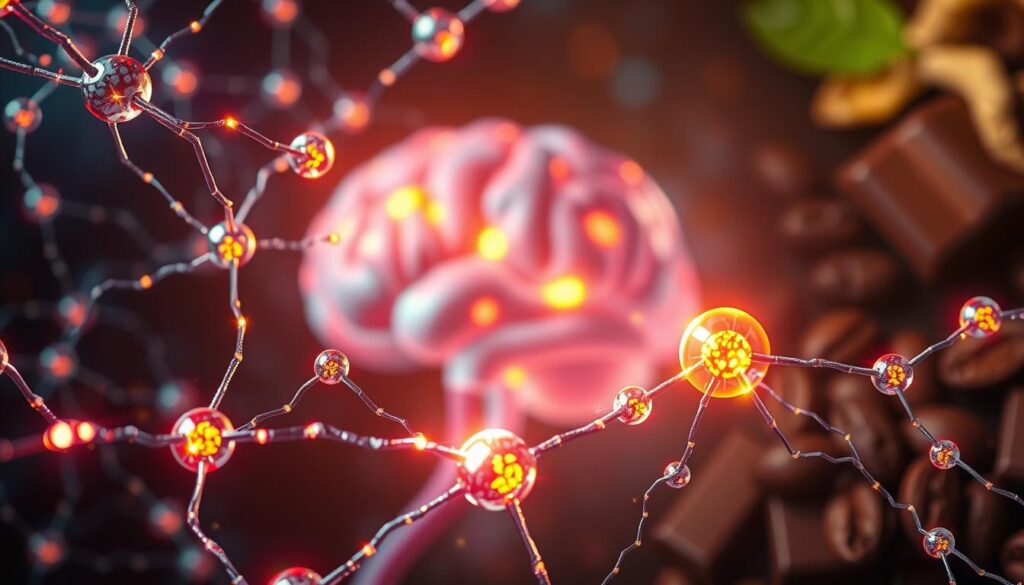
As we look towards 2026 and beyond, the wellness trend continues to emphasize the importance of diet in mental health. Incorporating foods that support dopamine production into your diet can be a valuable strategy for enhancing mood and overall well-being.
Indulging in dark chocolate can be a simple yet effective way to boost your mood. Dark chocolate is more than just a tasty treat; it’s a complex food that contains a variety of compounds that can positively affect your mood and overall well-being.
Dark chocolate’s mood-boosting properties can be attributed to its rich content of certain key ingredients. These include flavonoids, which are known for their antioxidant properties, and phenylethylamine, a compound that can help improve mood by stimulating the release of neurotransmitters like dopamine.
Another crucial ingredient is magnesium, a mineral that plays a significant role in neurological function and mood regulation. Dark chocolate also contains tryptophan, an amino acid that the body uses to produce serotonin, a neurotransmitter associated with feelings of happiness and relaxation.
The connection between dark chocolate and happiness is largely due to its ability to stimulate the release of dopamine and other neurotransmitters associated with pleasure and reward. Consuming dark chocolate can trigger a cascade of neurological responses that can enhance your mood and provide a sense of well-being.
To maximize the mood-boosting effects of dark chocolate, consider incorporating it into your daily routine in moderation. A small piece of high-quality dark chocolate (at least 70% cocoa) can be a delicious way to support your mental health.
To create effective mood-enhancing foods, manufacturers must carefully formulate neuro-flavors. This involves understanding how different ingredients interact to produce the desired effect on the consumer’s mood and overall sensory experience.
The key to successful neuro-flavor formulation lies in combining ingredients in a way that maximizes their individual benefits. For instance, dark chocolate, known for its mood-enhancing properties, can be paired with other ingredients that complement its effects. Table 1 provides an example of how different ingredients can be combined to create a functional food product that not only tastes good but also supports mental well-being.
| Ingredient | Percentage | Function |
|---|---|---|
| Dark Chocolate | 40% | Mood Enhancer |
| L-Tyrosine | 20% | Amino Acid for Brain Function |
| Ginseng | 15% | Energizing and Adaptogenic |
| Berry Extract | 25% | Antioxidant and Flavor Enhancer |
While the functional benefits of neuro-flavors are crucial, the sensory appeal of a product cannot be overlooked. The taste, texture, and even the aroma of a food product play significant roles in consumer satisfaction and repeat purchase. Texture modification, for example, can enhance the overall experience by providing a pleasing mouthfeel that complements the flavor.
As we move towards 2026, the demand for functional foods that not only taste good but also provide a wellness benefit is expected to grow. Manufacturers must balance the formulation of neuro-flavors with sensory appeal to create products that are both effective and enjoyable.

Dark chocolate’s unique blend of flavors and nutrients makes it a great choice for those looking to enhance their well-being. You can enjoy dark chocolate not just as a treat, but as a way to support your overall health.
Dark chocolate is rich in antioxidants, which play a crucial role in protecting your body against free radicals. These antioxidants can help in reducing inflammation and improving your overall health. Here are some key steps to understanding the antioxidant benefits of dark chocolate:
The flavonoids present in dark chocolate can also have a positive impact on your cardiovascular health. They can help in improving blood flow and lowering blood pressure, which can reduce the risk of heart disease. To reap these benefits, consider the following:
Here’s a comparison of the antioxidant content in different types of chocolate:
| Type of Chocolate | Antioxidant Content (ORAC value per 100g) | Cocoa Content |
|---|---|---|
| Dark Chocolate | 15,000 – 20,000 | 70% – 85% |
| Milk Chocolate | 2,000 – 5,000 | 30% – 50% |
| White Chocolate | 0 – 1,000 | 0% |
By incorporating dark chocolate into your diet, you can enjoy its health benefits while satisfying your sweet tooth. Remember, moderation is key to reaping the benefits of dark chocolate without overindulging in calories.
With dark chocolate as your canvas, you can create a culinary experience that boosts your mood and well-being. Dark chocolate is not just a treat; it’s a versatile ingredient that can be paired with various flavors to enhance its mood-boosting properties. As we move towards 2026 Wellness trends, incorporating dark chocolate into your recipes can be a great way to stay ahead of the curve.
Combining dark chocolate with the right ingredients can amplify its mood-enhancing effects. For instance, pairing dark chocolate with nuts like almonds or walnuts adds a crunchy texture and introduces healthy fats that support brain health. You can also experiment with Nootropics like ginseng or certain adaptogenic herbs to create a unique flavor profile that not only tastes great but also supports cognitive function.
Another effective way to enhance mood is by incorporating citrus flavors. The brightness of citrus can cut through the richness of dark chocolate, creating a balanced flavor experience. Try pairing dark chocolate with orange or lemon zest for a refreshing twist.

Here are a few unique recipes you can try at home to experience the mood-enhancing benefits of dark chocolate:
| Recipe | Main Ingredients | Mood-Enhancing Benefits |
|---|---|---|
| Dark Chocolate-Covered Cherry Bliss Bites | Dark Chocolate, Cherries | Antioxidants, Serotonin Boost |
| Nootropic Dark Chocolate Truffles | Dark Chocolate, Ginseng | Cognitive Support, Mood Enhancement |
| Citrus-Dark Chocolate Bark | Dark Chocolate, Citrus Zest | Mood Boost, Antioxidant Rich |
By experimenting with different flavor pairings and recipes, you can create a dark chocolate experience that not only delights your taste buds but also supports your mental well-being, aligning with the principles of 2026 Wellness.
As consumers become more health-conscious, the market for functional foods, particularly those enhancing mood, is experiencing significant growth. This trend is driven by a growing awareness of the link between diet and mental health.
The demand for functional foods is not just a passing trend; it’s a shift in consumer behavior towards products that offer additional health benefits beyond basic nutrition. Functional foods are becoming increasingly popular as consumers seek to improve their overall well-being, including their mental health.
You are likely noticing a surge in products marketed as mood-enhancers or stress-relievers. These products often contain ingredients like dark chocolate, known for its mood-boosting properties, or other neuro-flavors designed to stimulate the release of feel-good hormones like dopamine.
Recent market research provides valuable insights into consumer trends in mood-enhancing foods. According to a report by Grand View Research, the global functional foods market is expected to reach USD 648.1 billion by 2027, growing at a CAGR of 7.6%.
| Market Segment | 2020 | 2027 |
|---|---|---|
| Global Functional Foods Market | $381.4 billion | $648.1 billion |
| Mood-Enhancing Foods Segment | $15.6 billion | $32.4 billion |
This growth is driven by increasing consumer awareness of the importance of diet in mental health and well-being. As a result, food manufacturers are innovating to create products that not only taste good but also provide emotional benefits.
You can expect to see more products on the market that incorporate neuro-flavors and other mood-enhancing ingredients. The trend towards functional foods is expected to continue, driven by consumer demand for healthier, more sustainable options.
Neuro-flavors present a unique set of formulation challenges, from balancing taste and efficacy to navigating regulatory landscapes. As you explore the development of mood-enhancing foods, understanding these challenges is crucial.
One of the primary challenges in formulating with neuro-flavors is achieving a balance between flavor and functionality. You want your product to taste good while also delivering the desired mood-enhancing effects. This balance requires careful selection and proportioning of ingredients.
For instance, dark chocolate, known for its mood-boosting properties, must be formulated in a way that its flavor is appealing to consumers while its functional ingredients, such as flavonoids, are effectively utilized. “The art of combining ingredients that enhance mood without compromising taste is a delicate one,” as noted by experts in food formulation.

Regulatory considerations are another significant challenge when formulating with neuro-flavors. You must ensure compliance with food safety regulations and labeling requirements, which can vary by region. For example, claims related to the effects of ingredients like Serotonin or Nootropics on mood must be substantiated and comply with local laws.
Navigating these regulatory waters requires a thorough understanding of the legal landscape and often consultation with regulatory experts. As the industry continues to evolve, staying informed about changes in regulations will be crucial for your success in formulating with neuro-flavors.
With the 2026 Wellness trend on the rise, companies are looking for innovative ways to market dark chocolate as a product that not only tastes good but also enhances mood. As a functional food, dark chocolate offers a unique selling proposition that can be leveraged to attract health-conscious consumers.
To effectively market dark chocolate as a mood enhancer, it’s crucial to communicate its benefits clearly to consumers. This involves highlighting the key ingredients that contribute to its mood-enhancing properties, such as flavonoids and phenylethylamine. Emphasizing the scientific research behind these ingredients can help build credibility and trust with your target audience.
Using clear and concise language on packaging and marketing materials is essential. Avoid using overly technical jargon that might confuse consumers. Instead, focus on the emotional benefits of consuming dark chocolate, such as feeling happier and more relaxed.
Packaging plays a critical role in attracting consumers’ attention and conveying the mood-enhancing benefits of dark chocolate. Consider using eco-friendly packaging that not only appeals to environmentally conscious consumers but also stands out on store shelves.
| Packaging Element | Description | Benefit |
|---|---|---|
| Color Scheme | Use calming colors like blue and green | Evokes feelings of relaxation |
| Label Design | Clear and concise messaging | Communicates benefits effectively |
| Material | Eco-friendly materials | Appeals to environmentally conscious consumers |
By incorporating these packaging strategies, you can create a compelling brand image that resonates with your target audience. Don’t forget to include a clear call-to-action on your packaging, encouraging consumers to visit your website for more information on the mood-enhancing benefits of your dark chocolate products.
As the market for functional foods continues to grow, staying ahead of the competition requires innovative marketing and packaging strategies. By focusing on the mood-enhancing properties of dark chocolate and communicating these benefits effectively to consumers, you can establish a strong brand presence in the market.
You are on the cusp of a revolution in the food industry, driven by innovations in Neuro-Flavors and Nootropics. As research continues to uncover the complex relationships between food, mood, and cognitive function, manufacturers are poised to create products that not only tantalize your taste buds but also support your mental well-being.
New developments in Neuro-Flavors are expected to transform the way you experience food. With the integration of Nootropics, foods will be designed to enhance your mood, focus, and overall mental health. This fusion of taste and function will redefine the snacking landscape, offering you choices that are both delicious and beneficial.
As Neuro-Flavors and Nootropics become more prevalent, your purchasing decisions will be influenced by the potential mood-enhancing benefits of food products. You will be able to choose from a variety of dark chocolate products, for instance, that are formulated to stimulate dopamine release, promoting a sense of happiness and well-being.
By embracing these innovations, you will be able to take control of your mood and cognitive health through the foods you eat. The future of the food industry is set to be shaped by the convergence of taste, nutrition, and neuroscience, offering you a more holistic approach to your dietary choices.