All the world of cacao in one click.

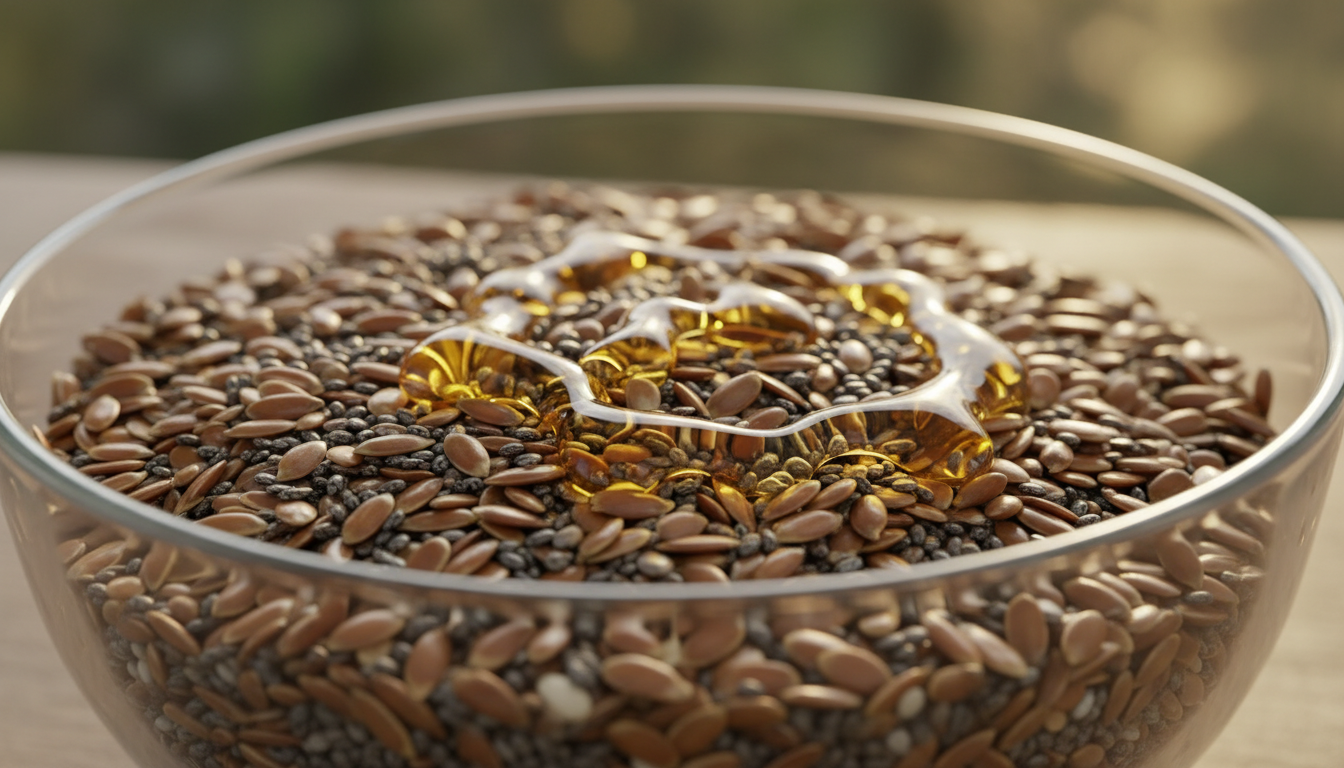
Stabilize your Omega-3 rich flax and chia clusters against oxidation with this tutorial.
You can create powerful snacks by focusing on ingredient stability. Seeds like flax and chia provide essential polyunsaturated fats that boost heart health. However, these delicate fats are very sensitive to light and heat.
Proper handling prevents your ingredients from losing their nutritional value. Following a strict ratio helps you achieve the best results every time. Stability is the key to achieving a professional finish and a long shelf life.
Use this professional formula to ensure accuracy in your production. The Baker’s percentage method treats the primary seed as the base for all other measurements.
| Ingredient | Baker’s Percentage (%) |
|---|---|
| Whole Flax Seeds (Base) | 100% |
| Chia Seeds | 50% |
| Liquid Binder (Honey or Syrup) | 30% |
| Natural Antioxidant (Tocopherols) | 1% |
Follow these numbered steps to prepare your recipe correctly:
To effectively prevent fat oxidation, you must first understand the process. Fat oxidation is initiated when the polyunsaturated fats in your flax and chia ingredients come into contact with oxygen. This reaction is often catalyzed by factors such as heat, light, and the presence of metals.
Here are the steps you can take to prevent or slow down fat oxidation:
The impact of fat oxidation on different ingredients can be seen in the following table:
| Ingredient | Susceptibility to Oxidation | Prevention Method |
|---|---|---|
| Flaxseeds | High | Store in airtight containers |
| Chia Seeds | High | Use antioxidants |
| Cacao Syrup | Low | Keep away from heat |
Fat oxidation is a complex process that involves the reaction of unsaturated fats with oxygen, resulting in the formation of peroxides and other breakdown products. These compounds can lead to off-flavors and potentially harmful substances.
By understanding the factors that contribute to fat oxidation, you can take proactive steps to prevent it, thereby maintaining the quality and nutritional value of your omega-3 rich clusters.
The addition of cacao syrup to your Omega-3 rich clusters is a strategic move for enhancing both taste and nutritional profile. By incorporating cacao syrup, you’re not only improving the flavor but also significantly contributing to the heart health benefits of your final product.
Cacao syrup serves as more than just a binding agent; it’s a nutrient-dense ingredient that complements the Omega-3 fatty acids found in flax and chia seeds. The antioxidants present in cacao syrup can enhance the overall heart health benefits of your Omega-3 rich clusters.
Antioxidants in cacao syrup play a crucial role in protecting against oxidation, thereby preserving the integrity of the Omega-3 fatty acids. This synergy between cacao syrup and Omega-3 rich ingredients creates a product that is not only delicious but also beneficial for heart health.
To understand the nutrient density of your final product, it’s essential to analyze the nutritional contributions of all your ingredients. Here’s a breakdown of the ingredients and their respective percentages using Baker’s percentage:
| Ingredient | Baker’s Percentage (%) |
|---|---|
| Flax Seeds | 30 |
| Chia Seeds | 25 |
| Cacao Syrup | 20 |
| Other Ingredients | 25 |
As shown in the table, cacao syrup constitutes a significant portion of the recipe, contributing substantially to the nutrient density and heart health benefits of the Omega-3 rich clusters.
“The combination of Omega-3 fatty acids and antioxidants from cacao syrup creates a snack that is both nutritious and delicious, supporting overall heart health.”
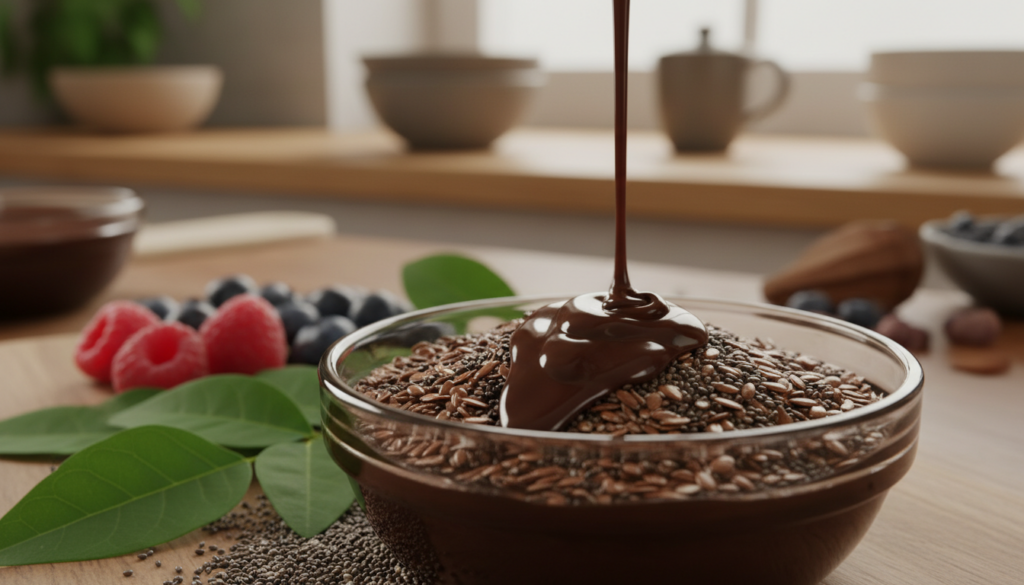
By carefully selecting and balancing your ingredients, you can create a product that not only tastes great but also provides significant health benefits. The inclusion of cacao syrup is a key factor in achieving this balance.
When creating Omega-3 rich clusters, calculating nutrient density is crucial to ensure your final product is packed with the goodness of superseeds like flax and chia seeds. These seeds are renowned for their high nutritional value, making them a perfect addition to your recipe.
Cold-pressing is a technique that helps preserve the delicate nutrients found in these superseeds. By using this method, you can retain the nutritional integrity of your ingredients, resulting in a product that is not only delicious but also rich in nutrients.
To finalize your Omega-3 rich clusters recipe, ensure you document your process and calculations. This will be beneficial for future reference and potential scaling up of your recipe, allowing you to maintain consistency in the quality and nutritional value of your product.