All the world of cacao in one click.

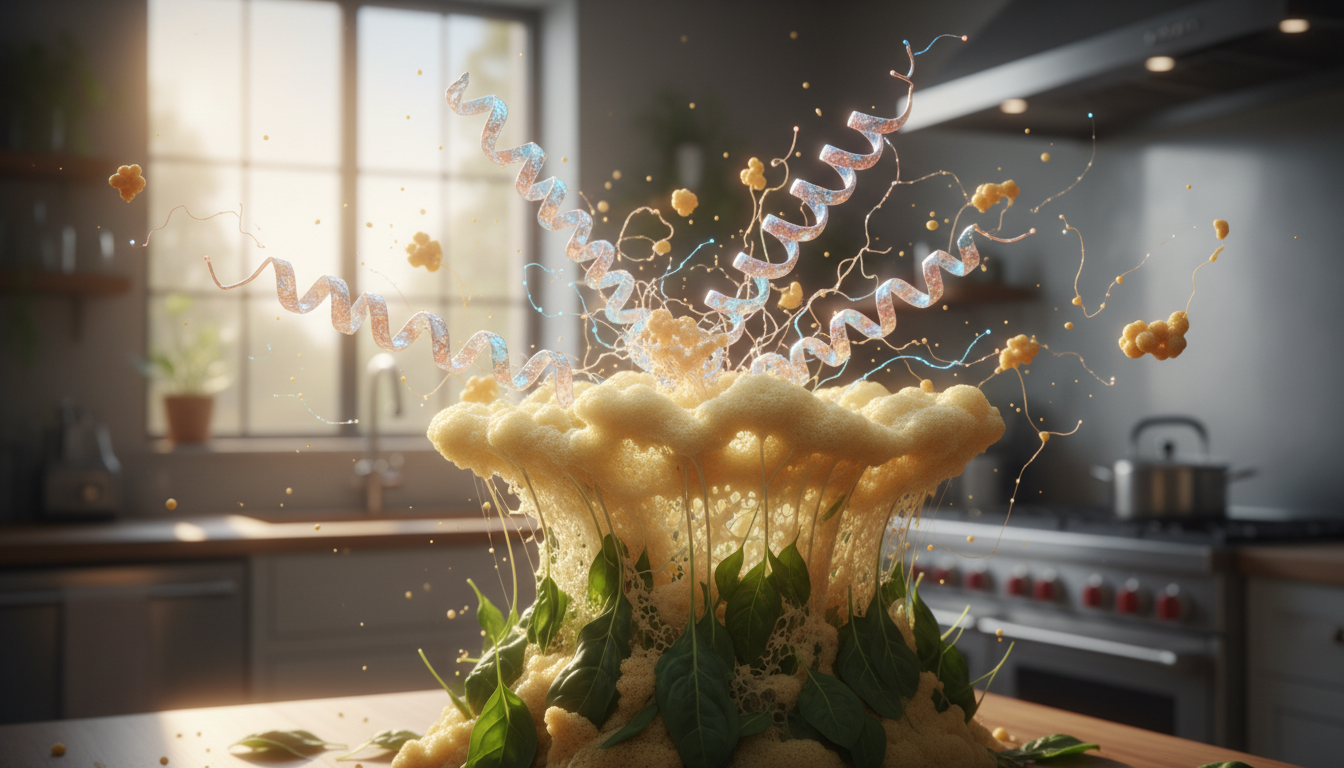
Learn how to create a plant-based soufflé with our expert tutorial. Achieve impressive height using natural scaffolding.
You are about to master a culinary feat that combines physics with modern dining. Achieving the perfect height in a dairy-free dish requires understanding how heat affects structure.
By focusing on protein denaturation, you can build a stable frame that resists collapsing. This method relies on precise timing and temperature.
You must prepare your base with care to ensure the plant-based scaffolding holds its form. Follow the specific ratios below to guarantee success with this delicate soufflé.
The process of protein denaturation is the secret to a professional rise. It transforms simple liquids into a firm architecture for your masterpiece.
| Ingredient | Baker’s Percentage |
|---|---|
| Aquafaba (Legume Liquid) | 100% |
| Fine Granulated Sugar | 45% |
| Cream of Tartar | 1% |
| Cornstarch | 15% |
| Vanilla Extract | 5% |
Understanding the physics of rising is fundamental to soufflé preparation. The rise of a soufflé is not just a matter of ingredients, but also of the physical principles that govern how these ingredients interact.
The structural integrity of your soufflé depends on how well you understand and apply these principles. As you mix and cook your soufflé, the proteins denature and the structure begins to take shape.
The process of a soufflé rising involves several key factors, including the incorporation of air, the expansion of gases, and the setting of the structure. Air incorporation is critical as it provides the initial lift, while the expansion of gases during heating further contributes to the rise.
To achieve the perfect rise, it’s essential to balance these factors. The ingredients you use play a crucial role in this balance.
Different ingredients contribute differently to the rising process. Here’s a breakdown of key ingredients and their roles:
| Ingredient | Baker’s Percentage | Role |
|---|---|---|
| Eggs | 100% | Provides structure and moisture |
| Granulated Sugar | 20% | Adds sweetness and tenderness |
| All-purpose Flour | 30% | Contributes to structure |
The balance of these ingredients is crucial for achieving the desired structural integrity. For instance, eggs provide moisture and structure, while sugar adds sweetness and tenderness.

By understanding the role of each ingredient and how they interact, you can adjust your recipe to achieve the perfect rise and maintain the structural integrity of your soufflé.
Aquafaba technology has revolutionized the art of making soufflés by providing an effective vegetable protein scaffolding method. This innovation is crucial for creating a plant-based soufflé that is both structurally sound and delicious.
To build a robust scaffold, you need to understand the process of whipping aquafaba to the right consistency and incorporating it into your mixture. This step is vital for achieving the desired texture and height in your soufflé.
Follow these steps to create a strong vegetable protein scaffold using aquafaba tech:
The following table summarizes the key characteristics of aquafaba at different stages of whipping:
| Whipping Stage | Aquafaba Consistency | Volume Increase |
|---|---|---|
| Initial | Liquid | None |
| Intermediate | Frothy | Moderate |
| Final | Stiff Peaks | Significant |
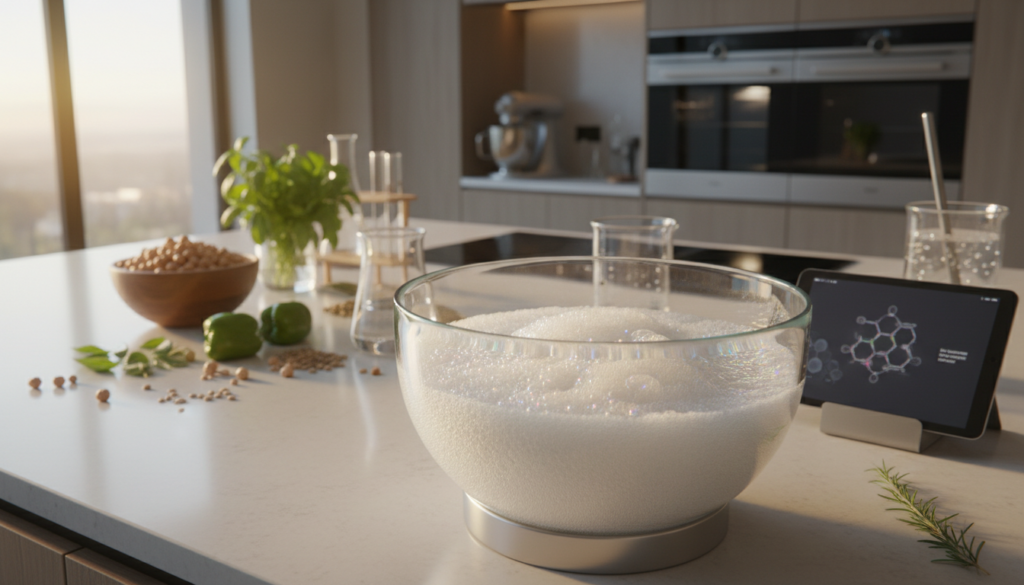
By following these steps and understanding the characteristics of aquafaba at different whipping stages, you can create a robust vegetable protein scaffold that supports your soufflé’s structure and helps it achieve the desired height.
To achieve a stable sugar-free soufflé, understanding the role of protein denaturation is crucial. When proteins denature, they unwind and reorganize into a more stable structure, which is essential for maintaining the soufflé’s texture.
Maintaining the right temperature and cooking time is vital to prevent protein denaturation from occurring too quickly or unevenly. You can control the cooking process by using a water bath and monitoring the oven temperature closely.
To ensure your soufflé remains stable, focus on balancing the ingredients and cooking techniques. Using the right type of mold and understanding thermal conductivity can also impact the final result.
For a successful sugar-free soufflé, use a combination of plant-based proteins and carefully control the cooking temperature. By doing so, you can create a delicious and healthy dessert that meets your dietary needs.