All the world of cacao in one click.

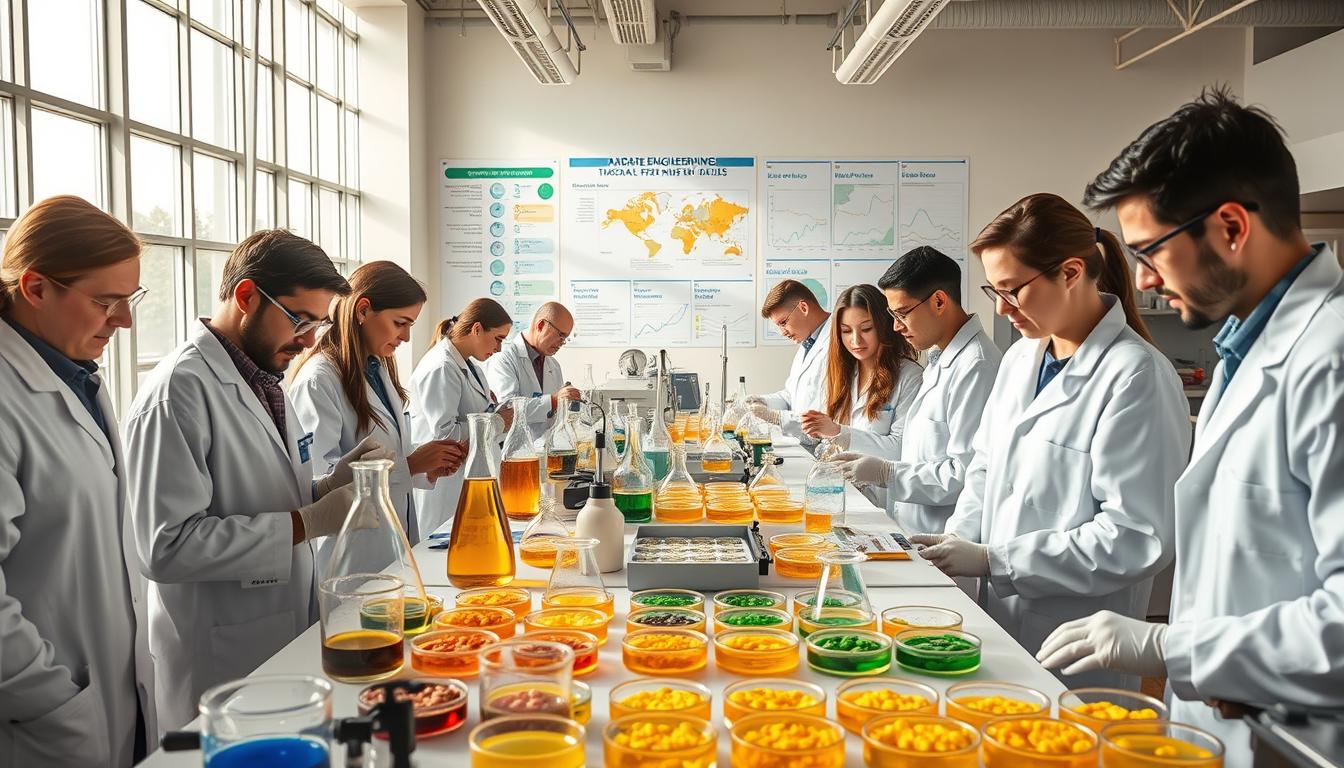
Master precision fermentation and design custom aromas in the lab with this step-by-step tutorial.
You are about to embark on a journey into the world of precision fermentation, where the art of crafting aromas through yeast engineering is revolutionizing the way we experience flavors.
This tutorial will guide you through the process of designing specific-origin aromas in the lab, leveraging the power of synthetic biology to create unique aromatic profiles that can elevate various products, from food and beverages to fragrances.
By understanding the intricacies of yeast engineering, you’ll be equipped with the knowledge to start experimenting with bespoke aroma creation, opening up new possibilities for flavor and aroma innovation.
The art of crafting unique aromas is being transformed by precision fermentation, a cutting-edge technology that enables the production of complex compounds through the use of microorganisms such as yeast. As you delve into the world of aroma creation, you’ll find that this innovative approach is pivotal in achieving precise flavor control.
Precision fermentation is a method that leverages microorganisms like yeast to produce specific aromas, allowing for the creation of unique scent profiles that can either mimic or innovate beyond natural terroir characteristics. This technology provides a sustainable and efficient way to produce high-quality aromas, revolutionizing the field of aromatic design.
By engineering yeast strains, you can control the fermentation process to yield desired aromatic compounds. This level of control enables the creation of consistent and unique aromatic experiences, catering to a wide range of applications in the food, beverage, and biotechnology industries.
The importance of precision fermentation in aromatic design cannot be overstated. It offers a precise method for creating complex aromas, allowing for flavor control that was previously unattainable. This technology is crucial for industries seeking to innovate and differentiate their products through unique aromatic profiles.
Moreover, precision fermentation contributes to sustainability by reducing the need for natural resources and minimizing environmental impact. As you explore the potential of precision fermentation, you’ll discover its vast implications for creating novel aromas while promoting eco-friendly practices.
Understanding the diverse types of yeast is crucial for harnessing the full potential of precision fermentation in aromatic design. Yeast is a crucial component in fermentation processes, and the right strain can significantly impact the final aroma produced.
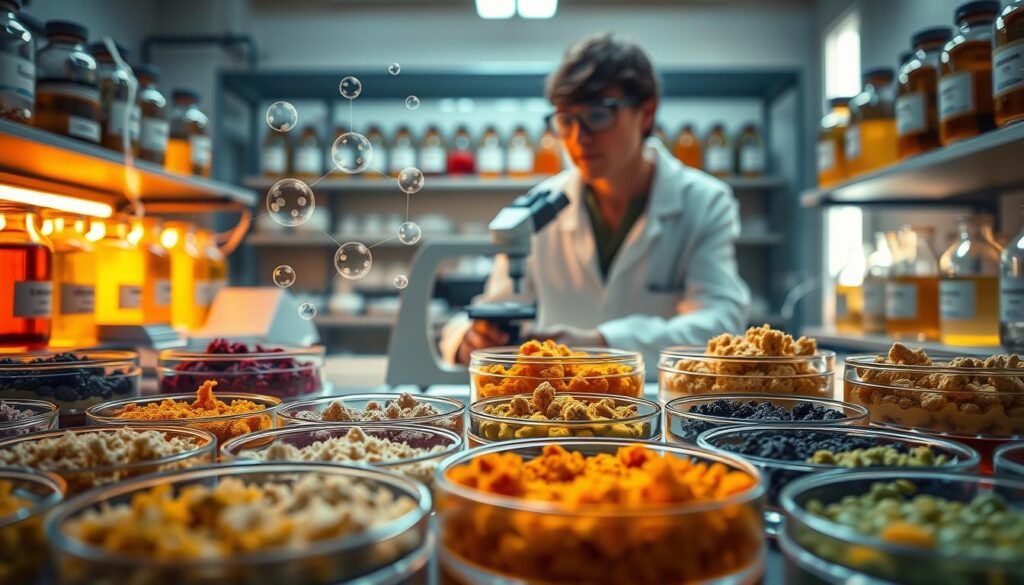
Various yeast strains are used in fermentation, each with unique characteristics that influence the aromatic profile of the final product. Saccharomyces cerevisiae, for instance, is a popular choice due to its robustness and versatility in producing a wide range of aromas. Other strains like Kluyveromyces marxianus and Candida utilis are also utilized for their specific properties in fermentation.
The application of synthetic biology has further expanded the possibilities by enabling the engineering of yeast strains tailored for specific aromatic profiles. This advancement is particularly significant in industries such as sustainable cacao production, where customized yeast strains can enhance flavor and aroma.
Selecting the appropriate yeast strain is a critical step in precision fermentation for aroma design. The choice depends on several factors, including the desired aromatic profile, the type of substrate used, and the specific requirements of the fermentation process.
Key considerations include the yeast strain’s ability to produce the desired volatile compounds, its tolerance to environmental conditions, and its compatibility with other ingredients in the fermentation process. By carefully evaluating these factors, you can optimize the selection of yeast strains for your specific aroma design needs.
By understanding and leveraging the diverse capabilities of different yeast strains, you can enhance the precision and creativity of your fermentation processes, leading to innovative and captivating aromas.
Assembling the correct equipment is the first step towards achieving precise flavor control in fermentation. To embark on your precision fermentation journey, you’ll need to familiarize yourself with the essential laboratory tools and fermentation vessels required for the process.
The foundation of any precision fermentation setup lies in its laboratory tools. These include:
The choice of fermentation vessels can significantly impact the fermentation process and the resulting aroma. Common types of fermentation vessels used in precision fermentation include:
Each type of vessel has its advantages and is suited to different scales and types of fermentation processes. By understanding the equipment needed, you’ll be better equipped to set up your laboratory for successful aroma production through precision fermentation.
To successfully engineer aromas using yeast, you need to follow a precise process that involves several key stages. This process is fundamental to achieving the desired aromatic profiles in precision fermentation.
Preparing the yeast culture is the first critical step in precision fermentation. This involves using principles from synthetic biology to engineer yeast strains that can produce specific aromas. You start by selecting a suitable yeast strain and then genetically modifying it to enhance its aromatic properties.
The preparation process includes cultivating the yeast in a controlled environment, ensuring optimal growth conditions such as temperature and nutrient supply. This step is crucial for establishing a robust yeast culture that can efficiently ferment substrates into the desired aromas.
Once the yeast culture is prepared, the next step is to combine the ingredients necessary for fermentation. This includes the substrate on which the yeast will act, along with any additional nutrients or cofactors required for optimal fermentation. The choice of ingredients can significantly influence the final aromatic profile, allowing you to tailor the fermentation process to achieve specific terroir characteristics.
It’s essential to ensure that all ingredients are of high quality and are combined in the correct proportions. The ratio of yeast to substrate, as well as the presence of any supplementary nutrients, can impact the efficiency and outcome of the fermentation process.

Establishing the right fermentation conditions is vital for the successful production of aromas. This involves controlling factors such as temperature, pH, and oxygen levels to create an optimal environment for the yeast to ferment the substrates. The conditions can be adjusted to evoke specific terroir profiles, allowing for the creation of unique and complex aromas.
Monitoring and maintaining these conditions throughout the fermentation process is crucial. Any deviations can impact the yeast’s performance and the resulting aromatic profile, highlighting the need for precise control and monitoring.
By following these steps and understanding the intricacies of each stage, you can harness the power of precision fermentation to craft a wide range of aromas. This not only involves technical knowledge but also a deep understanding of how to manipulate the fermentation process to achieve the desired outcomes.
To ensure the success of your precision fermentation, it’s essential to closely monitor the fermentation process. This stage is critical in achieving the desired aromatic outcomes and requires a thorough understanding of the key parameters involved.
During fermentation, several parameters need to be observed to ensure optimal conditions. These include temperature, pH levels, and yeast activity. Monitoring these parameters allows you to make timely adjustments to maintain the ideal environment for your yeast culture.
For instance, in the production of sustainable cacao, maintaining the optimal temperature and pH can significantly enhance the flavor profile. A table outlining the typical ingredients and their proportions (using Baker’s percentage) for a cacao fermentation might look like this:
| Ingredient | Baker’s Percentage (%) |
|---|---|
| Cacao Beans | 100 |
| Yeast Culture | 2 |
| Nutrients | 0.5 |
Adjusting the variables during fermentation is crucial for achieving the desired flavor control. By tweaking parameters such as temperature, nutrient supply, and pH, you can steer the fermentation towards producing the specific aromas you want.
For example, if you’re aiming for a fruity aroma in your cacao product, you might adjust the fermentation temperature to a slightly higher range to encourage the production of the relevant compounds. Conversely, for a more subtle flavor, you might reduce the yeast activity by adjusting the nutrient supply.
By closely monitoring and adjusting these variables, you can achieve precise flavor control, resulting in high-quality aromas suitable for various applications, including sustainable cacao production. This level of control not only enhances the quality of the final product but also contributes to a more efficient and sustainable fermentation process.
Once fermentation is complete, extracting the aromas effectively is essential to capturing the essence of your terroir profile. This step is crucial in precision fermentation, as it directly impacts the final aromatic characteristics of your product.
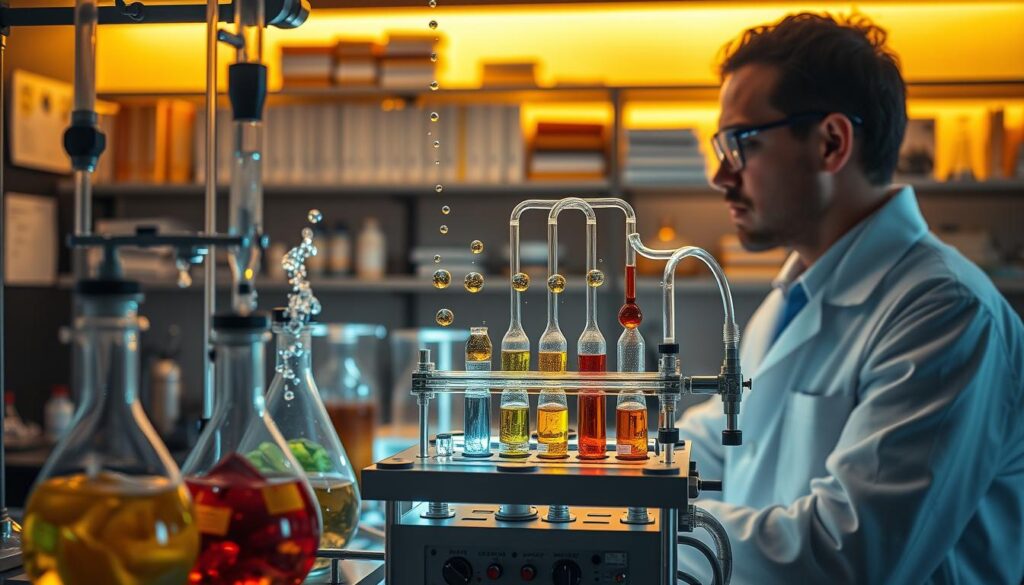
There are several methods you can employ to extract aromas from fermented products, each with its own advantages and applications. Distillation is a common technique used to separate the aromatic compounds from the fermented mixture. This process involves heating the mixture to vaporize the volatile compounds, which are then condensed and collected.
Another method is solvent extraction, where a solvent is used to dissolve and extract the aromatic compounds. The choice of solvent is critical, as it must be suitable for the type of compounds being extracted and should not impart unwanted flavors or odors to the final product.
As noted by experts, “The choice of extraction method significantly influences the quality and character of the extracted aromas.” This highlights the importance of selecting the appropriate technique based on the desired aromatic profile and the nature of the fermented product.
After extracting the aromas, analyzing their profiles is essential to understand their characteristics and how they relate to the original terroir or desired aromatic profile. This involves assessing the intensity, complexity, and specific notes present in the extracted aromas.
By carefully extracting and analyzing aromas, you can refine your precision fermentation techniques to achieve the desired aromatic outcomes that capture the essence of specific terroir profiles. This process not only enhances the quality of the final product but also contributes to the innovation and sustainability of aroma engineering practices.
With precision fermentation, the possibilities for creating unique aromas are vast and varied. This technology is not only enhancing existing flavors but also paving the way for entirely new aromatic experiences.
Synthetic Biology plays a crucial role in this process, allowing for the precise control of flavor profiles through yeast engineering. By leveraging these advancements, industries can produce complex aromas that were previously difficult or impossible to achieve.
The food and beverage industry is one of the primary beneficiaries of engineered aromas. Companies are using precision fermentation to create unique flavor profiles for products such as:
These applications not only enhance the appeal of the products but also provide a competitive edge in the market.
Beyond the food and beverage sector, the biotech market is another significant area where engineered aromas are making an impact. Flavor Control through synthetic biology is enabling the development of novel aromas for various biotech applications, including:
The potential for innovation in these areas is vast, driven by the ability to precisely engineer yeast strains for specific aromatic outputs.
As the technology continues to evolve, we can expect to see even more innovative applications of engineered aromas across different industries.
Precision fermentation is poised to transform the field of aroma engineering, offering new possibilities for sustainable practices. As you look to the future, it’s clear that this technology will play a crucial role in shaping the industry.
Advances in yeast engineering and fermentation technology are expected to drive significant innovations in aroma engineering. For instance, the development of novel yeast strains can lead to the creation of unique aroma profiles, enhancing the quality of various products. Terroir, a concept traditionally associated with wine, can now be explored in other fermented products, allowing for a more nuanced understanding of how environmental factors influence flavor and aroma.
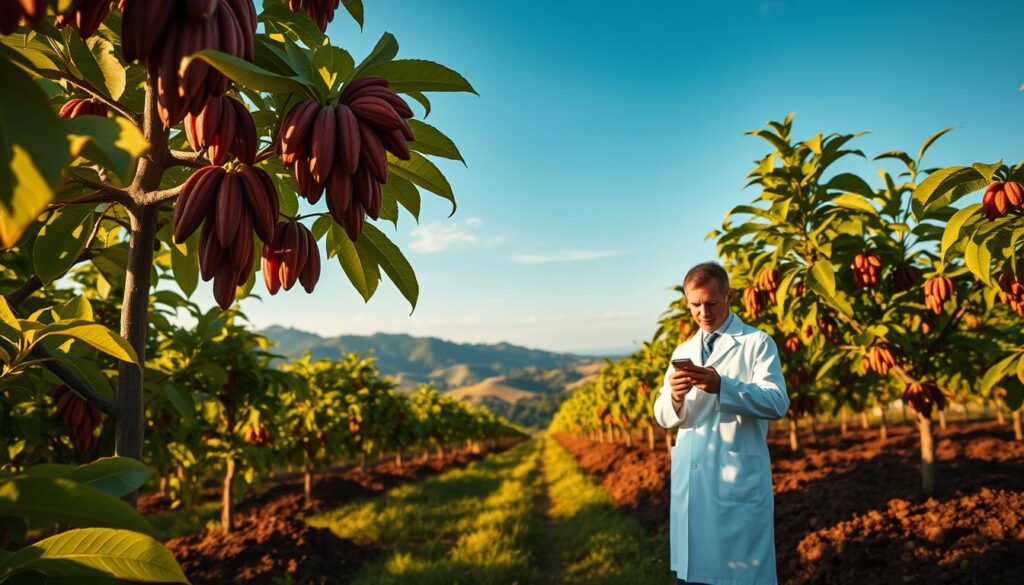
The future of aroma engineering is not just about creating new aromas but also about doing so in a sustainable manner. Precision fermentation can contribute to more environmentally friendly production processes, such as in the production of sustainable cacao. By optimizing fermentation conditions, producers can reduce their environmental footprint while maintaining high-quality products.
Moreover, the ability to engineer specific aroma profiles can help in reducing waste and improving the efficiency of production processes. This aligns with the growing consumer demand for sustainable and responsibly sourced products.
As the industry moves forward, embracing these sustainable practices will be crucial for companies looking to stay ahead in the market. By leveraging precision fermentation, businesses can not only innovate their products but also contribute to a more sustainable future.
Despite its potential, precision fermentation faces technical and regulatory challenges. As you delve into the world of synthetic biology and precision fermentation, understanding these challenges is crucial for successful project implementation.
One of the primary technical barriers is scaling up fermentation processes while maintaining consistency and efficiency. Scaling up requires significant investment in equipment and process optimization. You must also ensure that the yeast strains used are robust and capable of performing under various conditions.
Another technical challenge is the precise control of fermentation conditions, such as temperature, pH, and nutrient supply. Any deviation from optimal conditions can lead to reduced yields or undesirable outcomes.
“The complexity of biological systems and the need for precise control over fermentation conditions make scaling up a significant technical challenge.” – Expert in Synthetic Biology
Navigating the regulatory landscape is another significant challenge. Regulatory frameworks vary by country and are often updated, making it essential to stay informed about the latest requirements. You must ensure compliance with regulations related to the use of genetically modified organisms (GMOs) and the safety of food and beverage products.
By understanding these challenges and developing strategies to overcome them, you can successfully implement precision fermentation techniques in your projects.
You’ve now explored the intricacies of precision fermentation and its role in crafting unique aromas through yeast engineering. As you continue on this journey, you’ll find that precise flavor control is crucial in creating distinctive terroir profiles that can elevate various products.
With the techniques and principles learned, you’re encouraged to experiment further, pushing the boundaries of what’s possible in aroma design. By doing so, you’ll not only achieve precise flavor control but also contribute to the evolving landscape of terroir-inspired products.
The world of aroma engineering is vast and exciting, with endless possibilities for creating captivating aromas. As you continue to explore and innovate, you’ll play a part in shaping the future of flavors and fragrances, leveraging the power of precision fermentation to create unique sensory experiences.