All the world of cacao in one click.

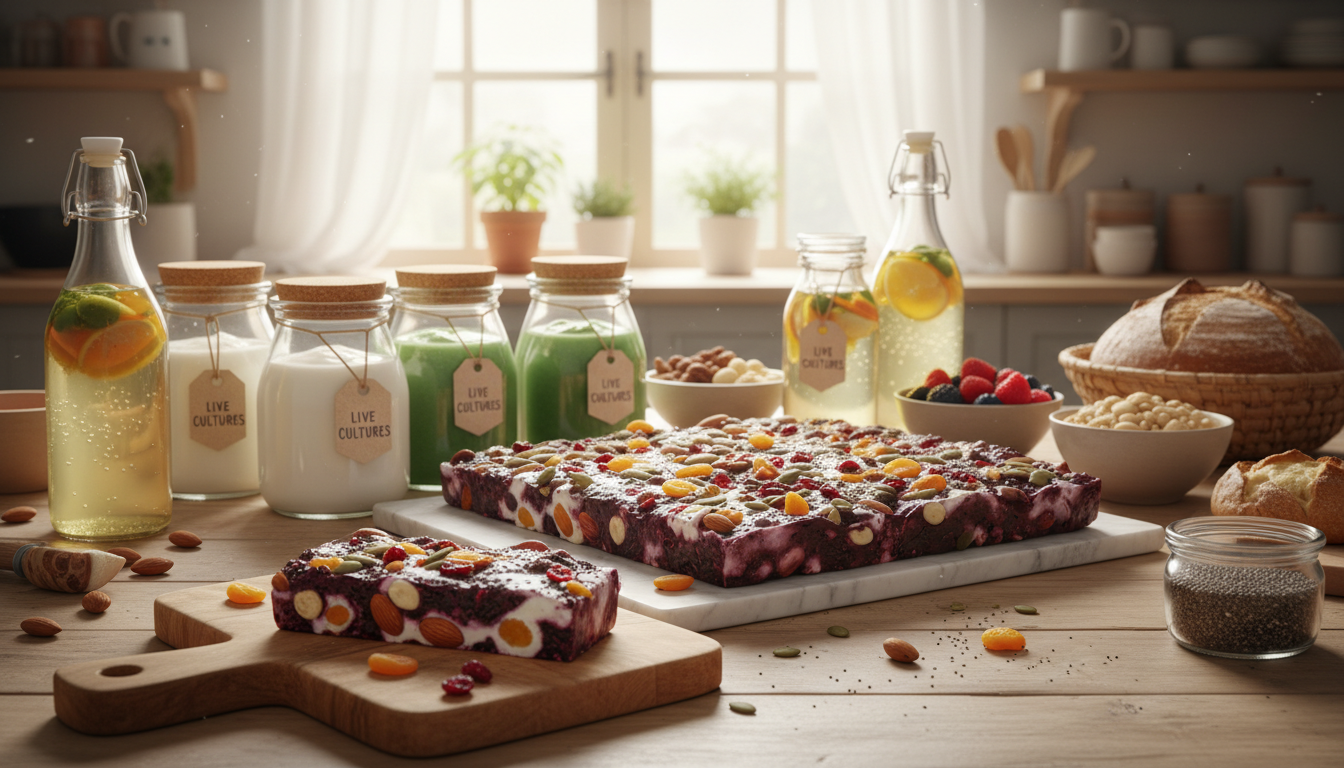
Learn how to make probiotic bark with live cultures for a gut-healthy snack. Discover the science behind lipid stability in this tutorial.
You are ready to craft a snack that supports your Gut Health while tasting delicious. Understanding how fats interact with live cultures is the secret to a successful treat. This specific bark recipe focuses on lipid stability to ensure every bite delivers active benefits.
Selecting a stable fat base like coconut oil protects delicate microorganisms from degradation. By adding prebiotic fibers, you create a perfect environment for this probiotic treat to thrive. Follow this precise method to maintain high viability during storage.
| Ingredient | Baker’s Percentage (%) |
|---|---|
| Cocoa Butter or Coconut Oil | 100% |
| Prebiotic Fiber (Inulin) | 15% |
| Live Culture Powder | 2% |
| Maple Syrup or Honey | 10% |
The choice of fat base in probiotic bark can either enhance or diminish the survival rate of beneficial probiotics like Lactobacillus. Different fat bases have unique properties that affect probiotic viability.
Cocoa butter, with its high saturated fat content, provides a protective environment for probiotics. On the other hand, coconut oil, rich in medium-chain triglycerides (MCTs), supports probiotic survival due to its antimicrobial properties and stability. You should consider these characteristics when formulating probiotic bark.
To further enhance probiotic survival, encapsulating probiotics is a technique worth exploring. This involves encasing probiotics in a protective matrix that shields them from environmental stresses.
Each method has its advantages and can be chosen based on the desired outcome and the type of probiotic being used.
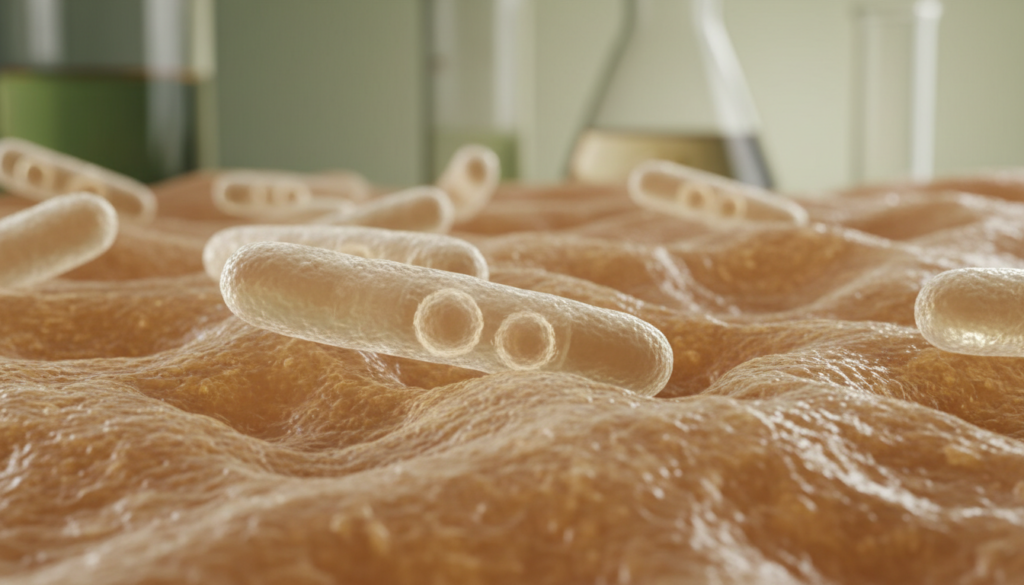
By understanding how different fat bases and encapsulation techniques affect probiotic survival, you can optimize your probiotic bark formulation to deliver a high amount of viable probiotics.
The synergy between prebiotic fibers and probiotics is crucial for maximizing the health benefits of probiotic refrigerated bark. By incorporating prebiotic fibers into the formulation, you can create a supportive environment that enhances the survival and efficacy of the probiotic cultures.
Prebiotic fibers play a vital role in promoting the growth and viability of probiotics. This synergy is essential for maintaining the health benefits of the probiotic bark. Some key benefits of prebiotic fibers include:
To maintain the viability of probiotics, it’s essential to ensure that the cold chain is maintained during production, storage, and distribution. This involves keeping the probiotic bark refrigerated at the appropriate temperature to preserve the probiotic cultures.

By combining prebiotic fibers with probiotics and maintaining the cold chain, you can create a probiotic refrigerated bark that offers enhanced health benefits. The key is to ensure that the formulation is designed to support the growth and viability of the probiotic cultures.
As we look ahead to 2026, it’s clear that gut health will continue to be a major focus for consumers seeking functional foods that support overall well-being. The demand for products like probiotic bark is expected to rise as awareness of the importance of gut health grows. You can stay ahead of this trend by innovating and improving your products to meet consumer preferences for healthier and more sustainable options.
To capitalize on this trend, consider enhancing your formulation and production process to create products that not only support gut health but also align with consumer values. By doing so, you’ll be well-positioned to meet the growing demand for probiotic and prebiotic products in the market.