All the world of cacao in one click.

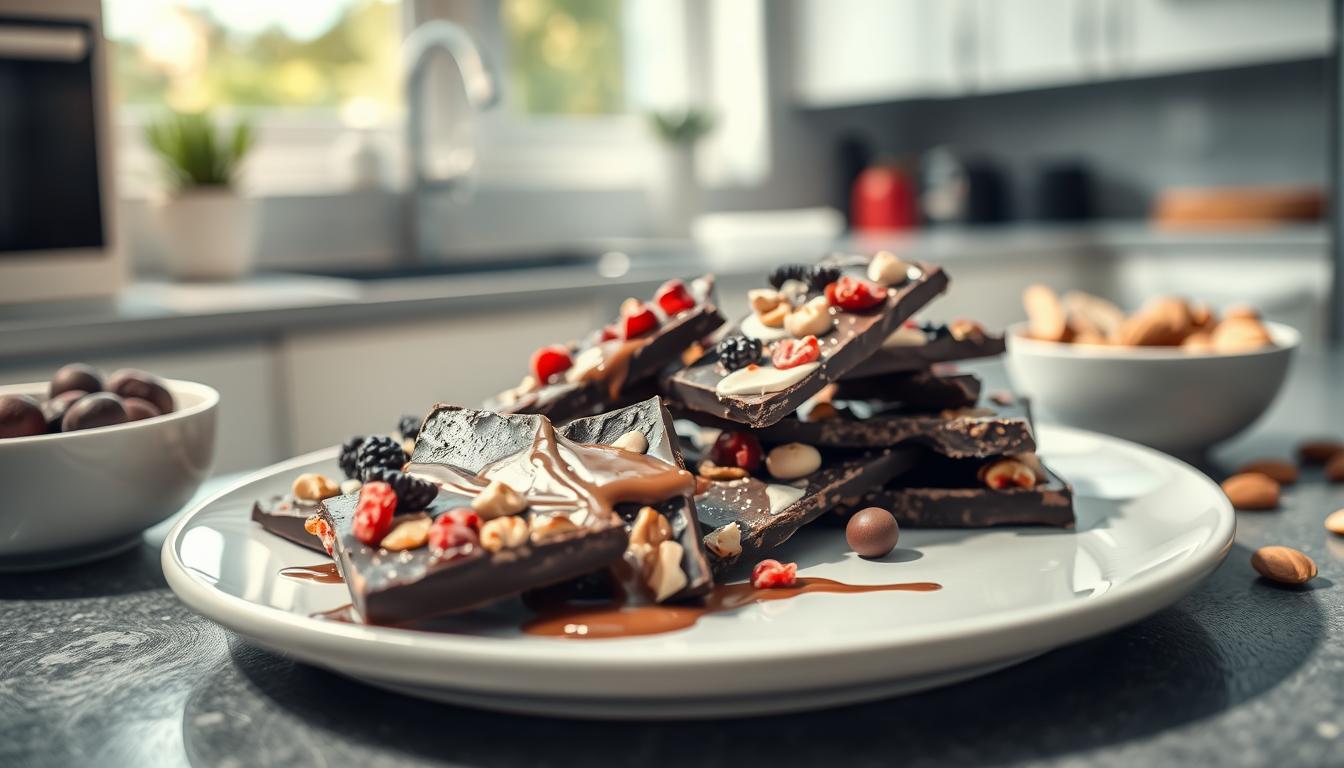
Learn how to make probiotic choc bark with this easy tutorial. Discover the lipid stability of live-culture snacking.
You can now transform your daily routine by merging functional nutrition with an indulgent treat. Creating a high-quality Probiotic Choc Bark requires a deep understanding of how live cultures interact with fats. This guide focuses on maintaining lipid stability to ensure every bite supports your wellness journey.
Achieving optimal gut health is much easier when you design your snacks with science in mind. By carefully selecting your strains and managing cooling temperatures, you protect the delicate micro-organisms. Follow this professional recipe to master the art of stable, live-culture confectionery.
| Ingredient | Baker’s Percentage |
|---|---|
| Dark Chocolate (70% Cacao) | 100% |
| Probiotic Culture Powder | 2% |
| Inulin (Prebiotic Fiber) | 5% |
| Sea Salt Flakes | 0.5% |
Follow these precise steps to ensure the highest survival rate for your cultures:
Encapsulating probiotics in fat bases is a key technique used to protect these sensitive cultures during chocolate production. This process is crucial for maintaining the viability of probiotic cultures, such as Lactobacillus strains, which are known for their health benefits.
The choice of fat base, such as cocoa butter, is critical because it directly affects the survival rate of the probiotics. You need to understand how the fat base interacts with the probiotic cultures to ensure their protection.
To effectively encapsulate probiotics, you must consider the properties of both the probiotic cultures and the fat base. The encapsulation process requires careful handling to maintain the viability of the probiotics.
A typical formulation for Probiotic Choc Bark might include the following ingredients:
| Ingredient | Baker’s Percentage (%) |
|---|---|
| Cocoa Butter | 30 |
| Lactobacillus Culture | 5 |
| Sugar | 20 |
| Cocoa Solids | 45 |
By encapsulating probiotics in fat bases, you can enhance their survival rate during the manufacturing process, resulting in a product that delivers the desired health benefits to consumers.
The benefits of using Lactobacillus strains in probiotic products are well-documented, and by incorporating them into chocolate products like Probiotic Choc Bark, you can create a delicious and healthy snack.
By incorporating prebiotic chicory fiber into your Probiotic Choc Bark, you’re creating a product that not only tastes great but also offers substantial health benefits. This combination is a growing trend in the nutraceuticals industry, capitalizing on the synergistic effect between probiotics and prebiotics to enhance gut health.
The synergy between probiotics and prebiotics is well-documented. As Dr. Glenn Gibson, a renowned expert in the field of gut health, once said, “The combination of probiotics and prebiotics, known as synbiotics, can significantly enhance the survival and activity of beneficial microorganisms in the gut.”
“The combination of probiotics and prebiotics can lead to improved gut health and a stronger immune system.”
To effectively pair your Probiotic Choc Bark with prebiotic chicory fiber, follow these steps:
Prebiotic chicory fiber serves as a nutrient-rich substrate for the probiotic cultures to thrive on, thereby enhancing the overall gut health benefits of your Probiotic Choc Bark. As the demand for healthier snacking options continues to rise, products like your Probiotic Choc Bark are poised to capitalize on this trend in the nutraceuticals market.
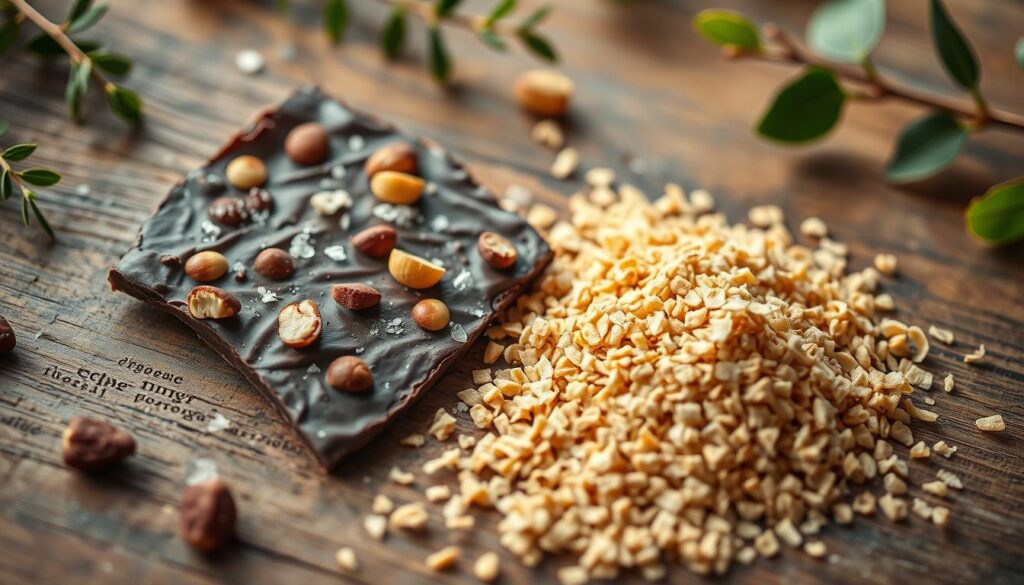
By following these simple steps and leveraging the benefits of prebiotic chicory fiber, you can create a Probiotic Choc Bark that stands out in the market for its health benefits and delicious taste.
With the gut health trend showing no signs of slowing down, 2026 is poised to be a pivotal year for probiotic-infused products like chocolate bark. As consumers become increasingly health-conscious, the demand for products that support gut health is expected to rise. You can capitalize on this trend by emphasizing the benefits of your probiotic chocolate bark in supporting digestive health and overall wellness.
Maintaining the integrity of the cold chain is crucial for preserving the viability of the probiotic cultures in your product. This not only ensures the product’s effectiveness but also builds trust with your consumers. Highlighting your commitment to cold chain management can be a significant selling point, especially for health-conscious consumers who are willing to pay a premium for high-quality products.
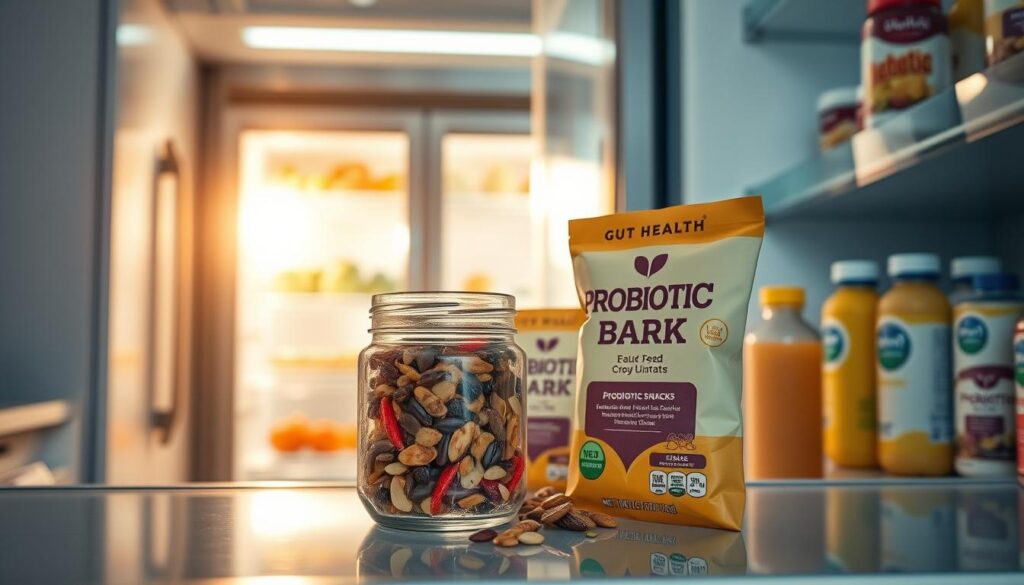
By staying ahead of these trends and continuing to innovate, you can position your probiotic chocolate bark for success in a competitive market. Emphasizing the unique benefits of your product, such as its probiotic content and commitment to quality, will help you connect with consumers who are looking for healthy, convenient snack options.
You are entering a new era of functional treats where flavor and science intersect. Creating a unique snack requires balancing delicate live cultures with substantial cocoa fats. This approach ensures maximum viability for the active strains during refrigerated storage.
To achieve success, you must understand how to encapsulate beneficial bacteria effectively. Selecting the right strain is the first step in your professional journey. You then prepare the base to protect these organisms from moisture and oxidation.
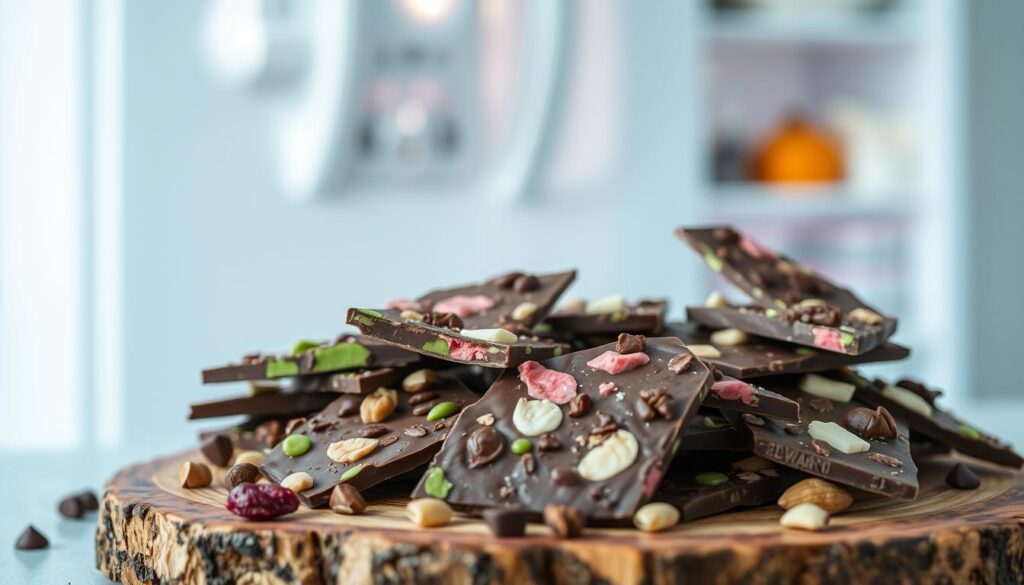
This method caters to the rising demand for products that support Gut Health in the United States. By maintaining lipid stability, you preserve the potency of every bite you take. You will find that these snacks are both nutritious and satisfying for your customers.
Working with specialized ingredients requires a steady hand and a keen eye for detail. You should monitor the temperature throughout the entire mixing process carefully. This diligence ensures that the final result remains a high-quality functional food item for health-conscious consumers.
| Ingredient | Baker’s Percentage |
|---|---|
| Dark Cocoa Base (70%) | 100% |
| Active Culture Powder | 2% |
| Refined Coconut Oil | 5% |
| Freeze-Dried Berries | 10% |
To develop effective probiotic chocolate products, it’s essential to understand how to encapsulate probiotics within fat bases. This process involves protecting the probiotic cultures from the harsh conditions of the chocolate-making process.
The properties of the fat base, such as cocoa butter, play a crucial role in determining the viability of the probiotic cultures. Lactobacillus strains are commonly used in probiotic products due to their numerous health benefits.
By encapsulating Lactobacillus strains in a fat base, you can enhance their survival rate during the manufacturing process. The encapsulation process requires careful handling to maintain the viability of the probiotic cultures.
A typical formulation for probiotic-infused chocolate products may include the following ingredients:
| Ingredient | Baker’s Percentage (%) |
|---|---|
| Cocoa Butter | 30 |
| Sugar | 40 |
| Lactobacillus Culture | 5 |
| Milk Powder | 10 |
| Cocoa Solids | 15 |
The use of nutraceuticals like probiotics in chocolate products is becoming increasingly popular due to their potential health benefits. By understanding the encapsulation process, you can create products that are both delicious and beneficial for consumers.
Integrating prebiotic chicory fiber into your probiotic chocolate bark recipe can be a game-changer in the nutraceuticals industry. By doing so, you are not only enhancing the product’s nutritional profile but also creating a synergistic effect that promotes overall gut health.
The combination of probiotics and prebiotics is a growing trend, and your product can capitalize on this trend by following a simple, step-by-step process to ensure that your final product is both delicious and nutritious.
Prebiotic chicory fiber serves as a nutrient-rich substrate for the probiotic cultures to thrive on, thereby enhancing the product’s efficacy. Here are the steps to incorporate prebiotic chicory fiber into your probiotic chocolate bark:
The addition of prebiotic chicory fiber to your probiotic chocolate bark significantly enhances gut health by promoting a balanced gut microbiome. This can lead to various health benefits, including improved digestion and a stronger immune system.
By pairing probiotics with prebiotic chicory fiber, you are creating a product that not only tastes great but also offers substantial health benefits, making it a valuable addition to the nutraceuticals market.
As you look ahead to 2026, understanding the evolving landscape of consumer health trends is crucial for the success of your refrigerated probiotic bark product. The demand for products supporting gut health continues to rise, driven by consumers’ increasing awareness of the importance of a balanced gut microbiome.
Maintaining the integrity of the cold chain is vital to preserving the viability of probiotic cultures in your product. By emphasizing cold chain management and highlighting the benefits of your product for gut health, you can effectively appeal to consumers seeking healthy, convenient snack options.
Staying informed about the latest trends and consumer preferences will be key to your product’s success in a rapidly evolving market. By focusing on the health benefits and ensuring the quality of your refrigerated probiotic bark, you can position your product as a leader in the live-culture snacking category.