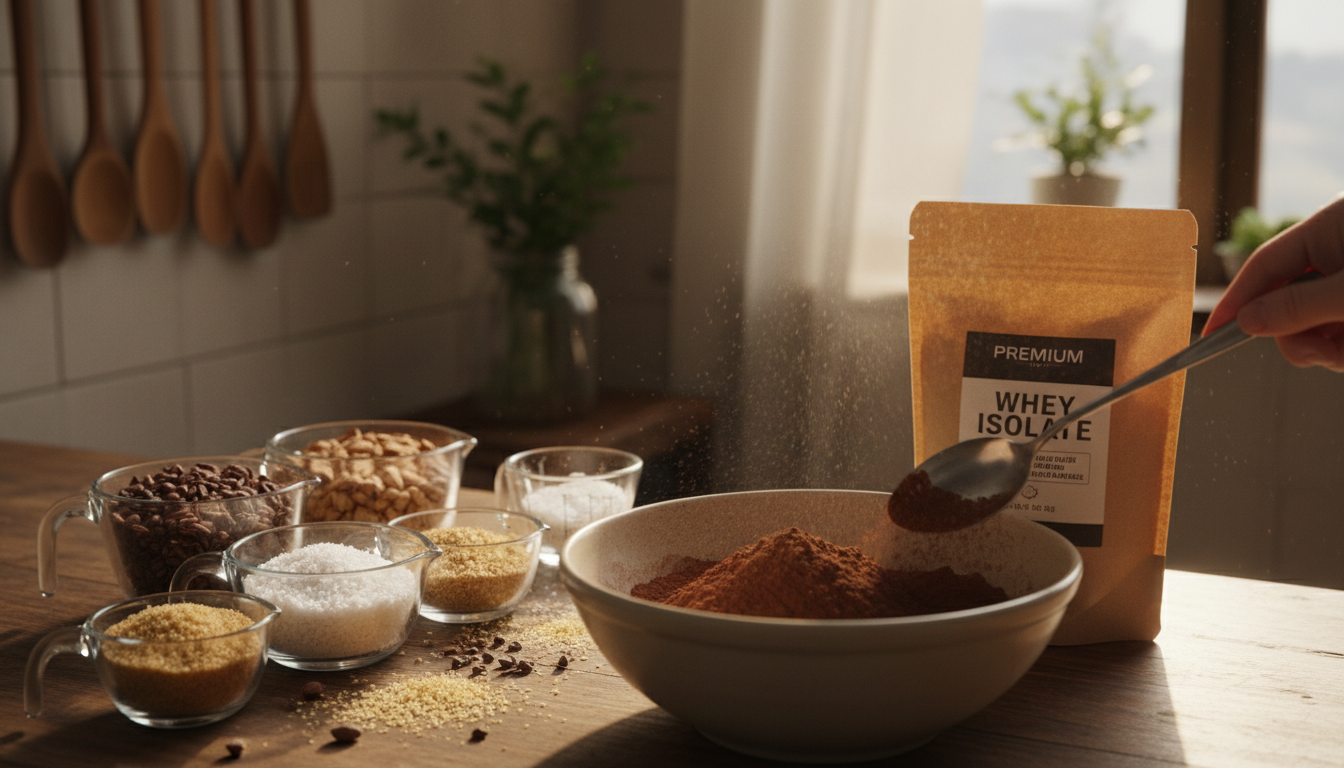
Protein Bites

Protein-Isolated Cacao Bites: Preventing Graininess in High Heat

Learn how to make protein-packed cacao bites that prevent graininess even in high heat. Your new favorite healthy snack!

Do you find your snacks turning into a sandy mess during the summer? Heat can easily destroy the texture of your homemade fuel if you use the wrong components.

Using a premium Whey Isolate helps your snacks stay firm and smooth. This choice is vital for Sports Nutrition because it helps your body absorb the nutrients quickly.

You will mix the isolate with cacao and sweeteners to build your snack. We use a Baker’s percentage to keep the ratios precise for the best quality.

Ingredient Percentage
Whey Isolate (Base) 100%
Raw Cacao Powder 40%
Creamy Nut Butter 55%
Natural Honey 25%
  1. Combine the dry powders in a large mixing bowl until blended.
  2. Fold in the nut butter and honey carefully to avoid clumps.
  3. Knead the dough until it feels completely uniform and thick.
  4. Roll the final mixture into small, round portions for storage.

Key Takeaways

  • Use isolate for superior heat stability in snacks.
  • Follow precise percentages to ensure a smooth texture.
  • Mix dry components thoroughly before adding wet binders.
  • Choose sweeteners that resist crystallization in high temperatures.
  • Maintain uniform portion sizes for consistent setting times.
  • Store the finished treats in a cool, airtight container.

Protein Structure in Heat

Maintaining the integrity of protein structures during the manufacturing process is vital for achieving the desired texture in your protein-isolated cacao bites. When you expose proteins to high temperatures, they can undergo significant changes.

The heat can cause proteins to denature, leading to an undesirable texture or graininess. Denaturation is a process where proteins lose their tertiary structure and secondary structure while at least temporarily retaining their primary structure. This change can significantly affect the final product’s quality.

Understanding Denaturation

To mitigate the negative effects of denaturation, it’s essential to understand how different proteins react to heat. Some proteins are more susceptible to denaturation than others. For instance, whey protein is known to denature more easily than casein protein. By selecting the right type of protein and possibly adding ingredients that help stabilize the protein structure, you can minimize denaturation.
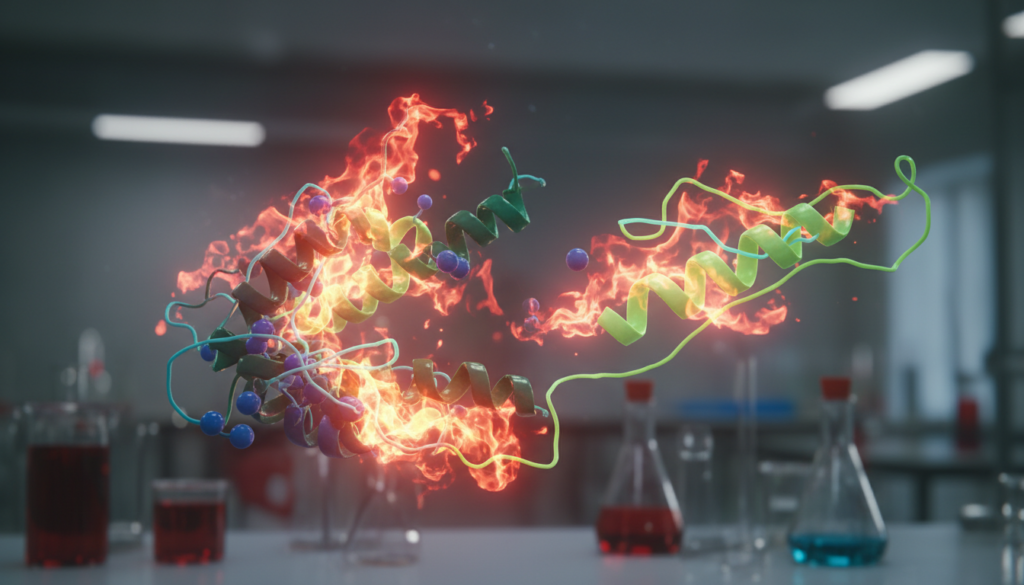
protein denaturation

Controlling the temperature and the formulation of your protein-isolated cacao bites is crucial. You can achieve a smooth texture by optimizing these factors. Techniques such as using emulsifiers or adjusting the pH can also help in maintaining the protein structure.

Using Plant Scaffolds

To enhance the texture and effectiveness of protein-isolated cacao bites, consider incorporating plant scaffolds into your formulation. Plant scaffolds help create a matrix that holds the protein and other ingredients together, thereby improving the overall texture.

By utilizing plant scaffolds, you can achieve a more consistent and appealing product. This is particularly important when formulating protein-isolated cacao bites that are designed for recovery after a workout.

Emulsification Techniques

Emulsification techniques are crucial in the formulation of protein-isolated cacao bites as they enable the mixing of ingredients that wouldn’t normally mix, such as oil and water. Effective emulsification ensures that your protein bites have a uniform texture and consistency.

To apply emulsification techniques effectively:

  • Choose the right emulsifier for your formulation.
  • Ensure the emulsifier is compatible with your other ingredients.
  • Test different ratios of emulsifier to other ingredients to find the optimal mix.

Role of Emulsifiers in Protein Bites

Emulsifiers play a key role in stabilizing the mixture of ingredients in protein-isolated cacao bites. By reducing the surface tension between different ingredients, emulsifiers facilitate a smooth and consistent texture.

When incorporating Whey Isolate into your protein bites, emulsifiers can help to ensure that the protein is evenly distributed throughout the product, enhancing its effectiveness for recovery.

The process of making protein-isolated cacao bites involves several steps:
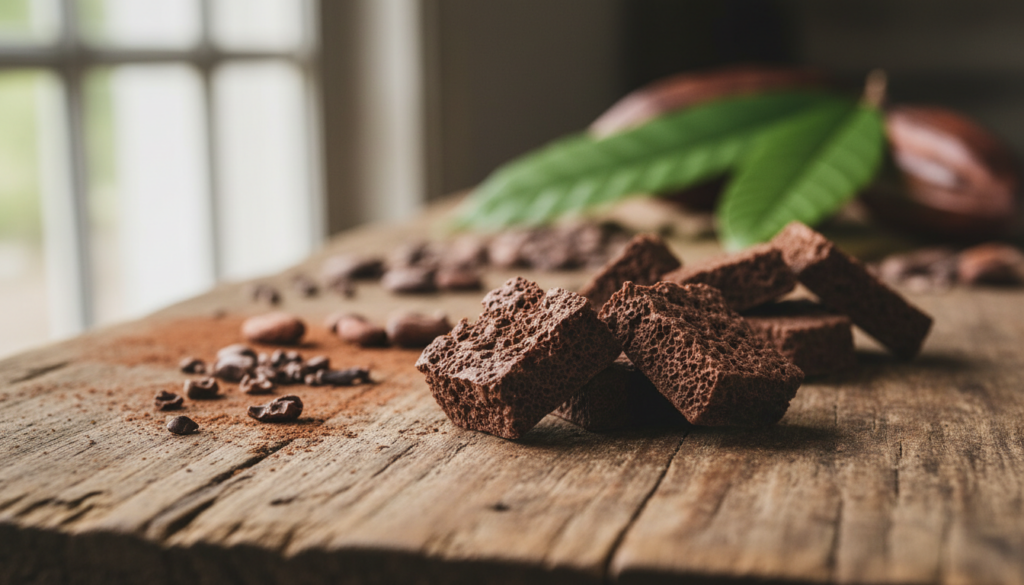
  1. Prepare your ingredients, including the plant scaffolds and Whey Isolate.
  2. Mix the ingredients according to a specific protocol that includes emulsification.
  3. Shape the mixture into the desired form.

Protein-Isolated Cacao Bites

Post-Workout Formula

When formulating protein-isolated cacao bites for post-workout recovery, you need to consider several sports nutrition factors. Your product should provide the necessary nutrients for recovery, including proteins, carbohydrates, and other essential nutrients like electrolytes or antioxidants.

Nutritional Recovery Strategies

To support recovery, you can combine Whey Isolate with other ingredients that aid in replenishing energy stores and promoting muscle repair. Understanding how different ingredients interact is crucial to creating an effective product. Denaturation can impact the texture and efficacy of your product, so it’s essential to use the right manufacturing process to prevent it.

By carefully selecting ingredients and manufacturing processes, you can create a post-workout formula that supports recovery and is enjoyable to consume. This approach will help you develop a product that meets the needs of athletes and fitness enthusiasts seeking effective recovery nutrition.


FAQ

Why should you choose Whey Isolate for your cacao bite formulation?

You should prioritize Whey Isolate because it offers one of the highest protein-by-weight ratios available in Sports Nutrition. Due to its refined processing, it contains minimal lactose and fats, allowing it to blend seamlessly with premium ingredients like Navitas Organics cacao. Its rapid absorption rate is essential for triggering muscle protein synthesis, making it the gold standard for athletes focused on efficient Recovery.

What exactly is Denaturation, and how does it impact your recipe?

Denaturation is the biochemical process where proteins lose their complex secondary and tertiary structures due to external stressors like high heat. When you overheat your mixture, the Whey Isolate molecules unfold and coagulate, which is the primary cause of an unpleasant, grainy texture. By carefully monitoring your processing temperatures, you ensure the protein remains functional and the mouthfeel stays smooth.

How do emulsifiers help you maintain a professional texture in high-heat conditions?

Emulsifiers such as Sunflower Lecithin act as a bridge between the fats in the cacao and the aqueous components of your recipe. By stabilizing these disparate ingredients, you prevent the fats from “leaking” and the proteins from clumping. This technical approach creates a homogenous matrix that protects the Whey Isolate from thermal stress, preserving the integrity of your bites during the manufacturing process.

Why is the use of plant scaffolds important for sports nutrition products?

Plant scaffolds, often derived from fibers like those found in Benefiber or specialized citrus pulps, provide a structural framework for your bites. This matrix holds the protein and fats in place, ensuring that every serving delivers a consistent nutrient profile. For your Sports Nutrition goals, this means a more satisfying texture and a slower, more sustained release of energy alongside the fast-acting benefits of the protein.

Can these cacao bites replace a traditional post-workout shake for Recovery?

Yes, these bites are formulated to be a portable and effective alternative for Recovery. By utilizing Whey Isolate, you provide your muscles with the necessary branched-chain amino acids (BCAAs) required to repair tissue damage after intense exercise. When balanced with the natural antioxidants in cacao and a controlled carbohydrate source, these bites support metabolic Recovery just as effectively as a liquid supplement, with the added benefit of satiety.

How do you accurately apply the Baker’s percentage to a protein-based recipe?

You apply this by designating the total weight of your “core” dry ingredients—specifically your Whey Isolate and cacao powder—as 100%. All other ingredients, such as binders, fats, and sweeteners, are then calculated as a percentage of that base weight. This professional mathematical approach allows you to scale your production from a small kitchen batch to large-scale manufacturing while maintaining the exact ratios needed to prevent Denaturation.

Leave a Reply

Your email address will not be published. Required fields are marked *