All the world of cacao in one click.


Discover the power of raw 42°C bites and learn how to preserve proteolytic enzymes for enhanced vitality.
You can unlock incredible energy by choosing snacks that respect biological limits. Many people ignore how heat affects the nutrients in their food. Proper enzyme preservation ensures your body gets the tools it needs for optimal health.
This recipe focuses on keeping ingredients below a specific thermal threshold. By doing so, you protect the proteolytic proteins that support your daily digestion. Experience a new level of vitality with this simple yet scientific raw food method.
Maintaining bio-activity requires a careful balance of time and heat. These bites provide a dense nutritional profile for your active lifestyle. Master these steps to improve your healthy snacking habits and feel the difference immediately.
| Ingredient | Baker’s Percentage |
|---|---|
| Almond Flour (Base) | 100% |
| Medjool Date Paste | 65% |
| Crushed Walnuts | 20% |
| Sea Salt | 1% |
| Vanilla Extract | 2% |
To ensure the vitality of raw 42°C bites, it’s crucial to comprehend the impact of temperature on enzyme activity. Enzymes are biological catalysts that play a vital role in various bodily functions, and their effectiveness is highly sensitive to temperature variations.
You need to be aware that enzymes have optimal temperature ranges within which they are most active. Exceeding these temperatures can lead to a loss of enzymatic activity. The process of cold processing is essential in preserving the bio-activity of these enzymes.
When enzymes are exposed to high temperatures, their complex structures can unfold, leading to denaturation. This process is irreversible and results in the loss of enzymatic function. To preserve the enzymatic activity, it’s essential to follow a process that maintains temperatures below 42°C.
Here are the steps to achieve this:
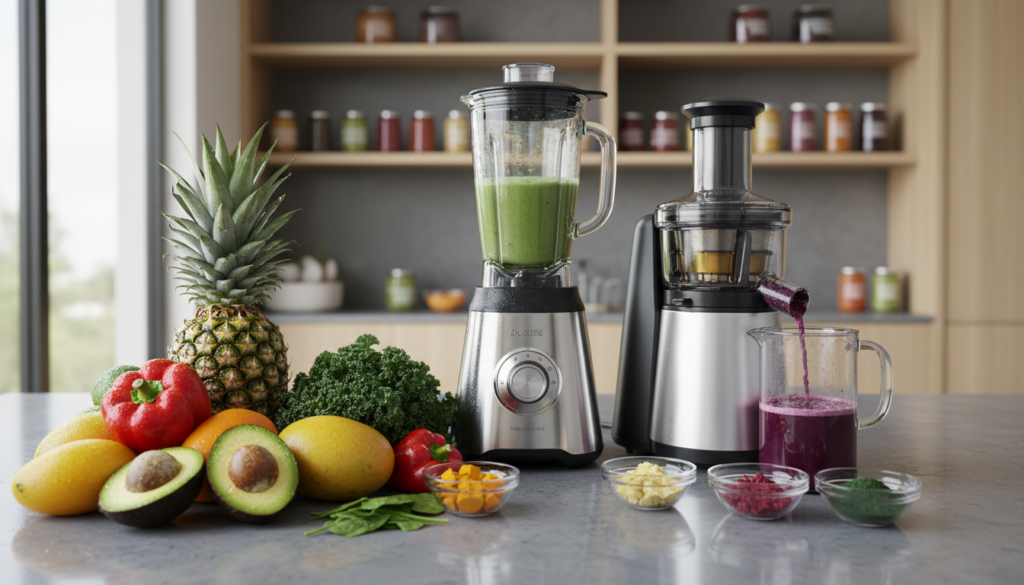
By following these steps and maintaining a temperature below 42°C, you can ensure that your raw 42°C bites retain their enzymatic activity, providing you with the desired vitality and nutritional benefits.
Cold processing is not just a technique; it’s a necessity when working with enzyme-sensitive products like raw 42°C bites.
Raw cacao is not just a flavorful addition to your diet; it’s also a rich source of enzymes that support proteolytic activity. As you incorporate raw cacao into your raw 42°C bites, you’re not only enhancing the flavor but also boosting the enzymatic benefits. This is particularly significant in the context of raw foodism, a dietary approach that emphasizes the consumption of unprocessed foods to preserve natural enzymes.
The enzymes present in cacao are crucial for proteolytic activity, which is the process by which proteins are broken down into smaller peptides and amino acids. This process is vital for optimal digestion and nutrient absorption. By consuming raw cacao, you’re supporting your body’s natural digestive processes and potentially enhancing overall vitality.
Cacao contains a variety of enzymes, including proteases, that contribute to its proteolytic activity. These enzymes work synergistically to break down proteins, making them more accessible to the body. The proteolytic activity of cacao enzymes is a key factor in the digestive benefits associated with raw cacao consumption.
Embracing raw foodism means recognizing the value of these natural enzymes and preserving them through minimal processing. When you prepare raw 42°C bites, maintaining a temperature below 42°C ensures that these delicate enzymes remain intact, providing you with their full nutritional benefits.
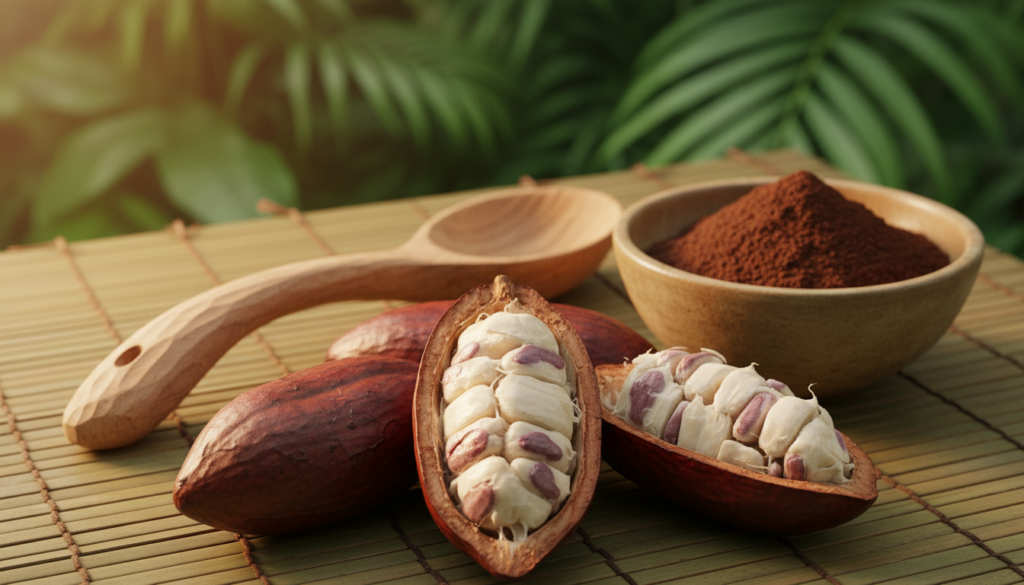
To maximize the benefits of cacao enzymes in your raw 42°C bites, consider the following tips:
To ensure your raw 42°C bites retain their nutritional value, it’s crucial to understand the impact of processing on vitamin retention. The preservation of bio-active compounds is vital for maintaining the health benefits of your raw food products.
Creating a nut-free base is essential for making your raw 42°C bites accessible to a wider audience, including those with nut allergies. A sample formula for a nut-free base includes ingredients like oat flour (50%), coconut sugar (20%), and cocoa powder (15%), with the remaining 15% comprising other natural ingredients.
| Ingredient | Baker’s Percentage (%) |
|---|---|
| Oat Flour | 50 |
| Coconut Sugar | 20 |
| Cocoa Powder | 15 |
| Other Natural Ingredients | 15 |
Lab data on vitamin retention shows that gentle processing methods help preserve the bio-active compounds in raw food products. By adopting such methods, you can ensure that your raw 42°C bites remain rich in essential vitamins and nutrients.