All the world of cacao in one click.

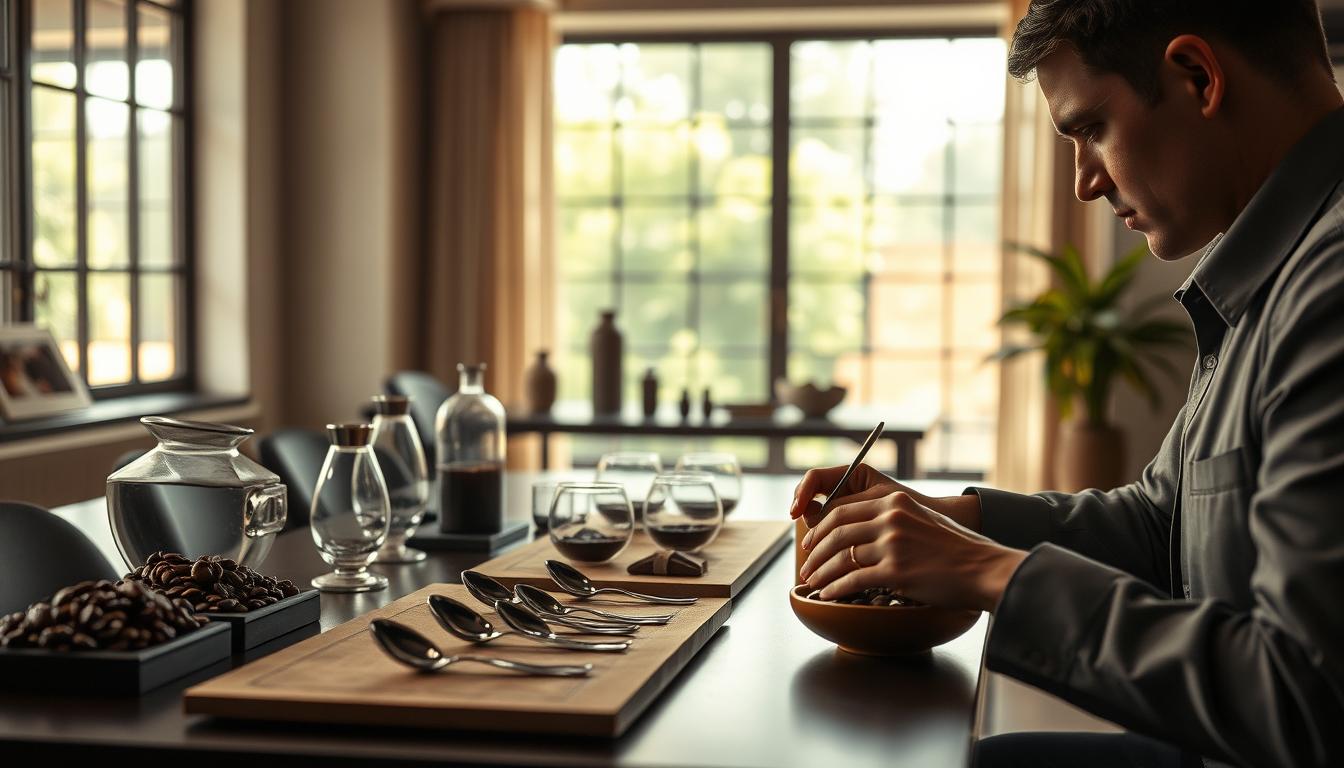
Elevate your sensory analysis skills for 2026 fine cacao with our professional tutorial. Master the art of calibrating your palate for exceptional flavor profiles.
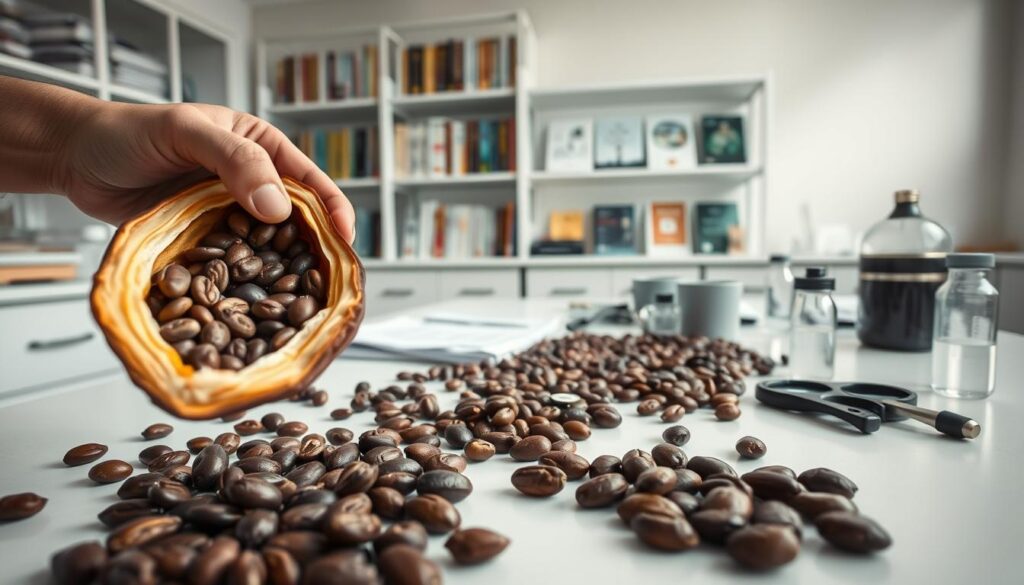
To calibrate your palate for 2026 fine cacao, start by setting up a professional tasting environment. Ensure the space is free from distractions and odors, allowing you to focus on the subtle flavors of fine cacao.
Prepare your cacao samples according to a standardized recipe, listing ingredients and their percentages in a table. For example:
Follow a step-by-step process to evaluate the flavor profile, noting the cacao’s origin, fermentation level, and roast level. This foundational step is crucial for developing your sensory skills.
The journey to mastering cacao tasting begins with creating a controlled and professional tasting lab. This environment is crucial for accurately assessing the complex flavors and qualities of fine cacao.
A controlled tasting environment minimizes external influences that could affect the perception of cacao flavors. To achieve this, consider the following steps:
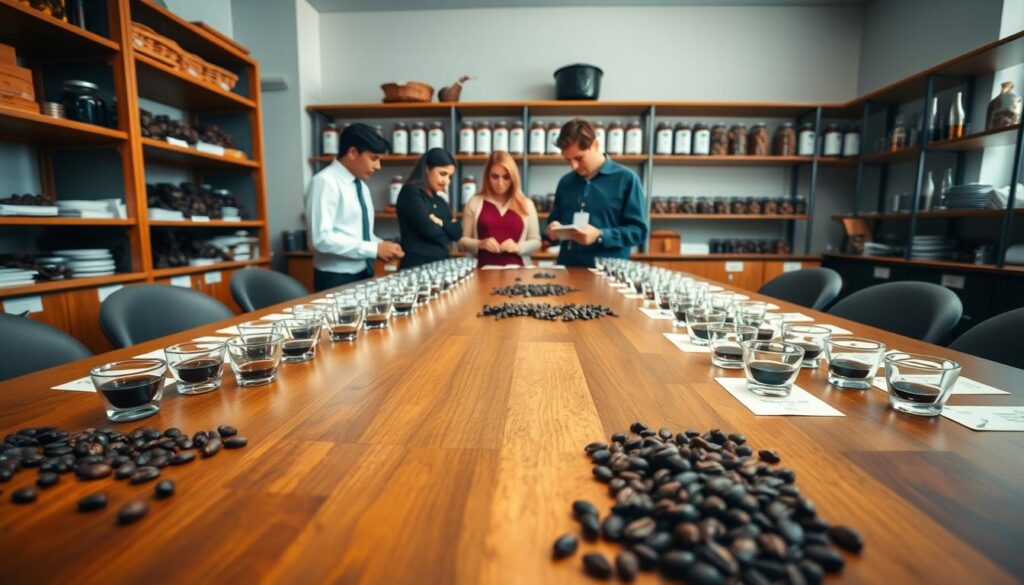
The right equipment is fundamental for sensory analysis. This includes:
By mastering the cacao Vocabulary and utilizing the appropriate equipment, you’ll be able to accurately describe and differentiate between various cacao samples. This skill is essential for developing a sophisticated palate and for professional cacao tasting.
To further enhance your tasting lab, consider incorporating a diverse range of cacao samples for reference. This will help in calibrating your palate and expanding your understanding of the complex Flavor Map.
Familiarizing yourself with the 2026 International Cocoa Vocabulary elevates your cacao tasting experience. This comprehensive framework is designed to help you understand the complex flavor profiles of cacao, enabling you to identify unique characteristics and defects.
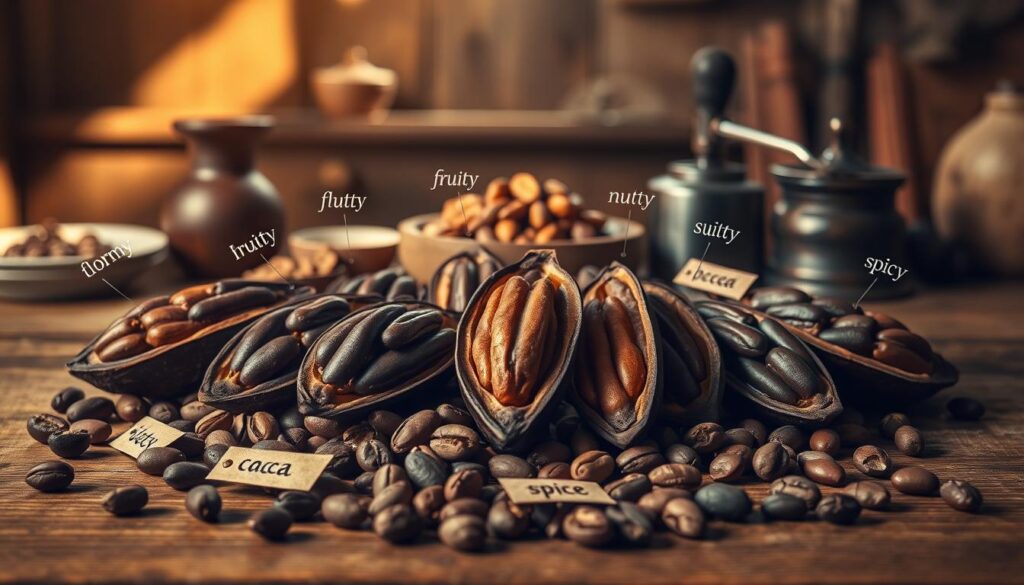
To apply the 2026 International Cocoa Vocabulary effectively, follow a recipe-like approach. First, familiarize yourself with the descriptors, which include a wide range of flavors and characteristics. Then, taste the cacao samples, taking note of the flavors you detect.
Step 1: Familiarization – Study the vocabulary and understand the different descriptors. This step is crucial in developing your palate and enhancing your ability to detect subtle flavors.
Step 2: Tasting – Taste the cacao samples, and record the flavors you identify. As you gain experience, you’ll become proficient in defect identification, recognizing issues such as over-fermentation or under-drying that impact the flavor profile.
By mastering the 2026 International Cocoa Vocabulary, you’ll be able to conduct precise sensory analysis, enhancing your overall understanding of cacao flavors. The vocabulary includes descriptors for various flavor profiles, allowing you to discern the subtleties in cacao.
As you become more proficient in using the 2026 International Cocoa Vocabulary, you’ll be able to appreciate the nuances of fine cacao, elevating your tasting experience and enabling you to make informed decisions in your cacao selection.
Fermentation and drying are critical steps that significantly impact the flavor profile of cacao. To evaluate the quality of fine cacao, it’s essential to understand how these processes affect the final product.
The flavor profile of cacao is directly influenced by the fermentation and drying processes. Fermentation contributes to the development of the cacao’s flavor and aroma, while drying helps preserve these qualities. Defects during either process can lead to undesirable flavors.
To identify these defects, follow a systematic approach:
By comparing these samples and using a quality scoring system, you’ll develop your ability to detect defects and assess the overall quality of the cacao.
| Process | Optimal Condition | Common Defects | Impact on Flavor |
|---|---|---|---|
| Fermentation | 5-7 days, 45-50°C | Over-fermentation, under-fermentation | Over-fermented cacao can be too bitter, while under-fermented cacao may lack flavor. |
| Drying | Slow drying, | Over-drying, contamination | Over-dried cacao can be brittle and lose flavor, while contaminated cacao may have off-flavors. |
Understanding these processes and their impact on flavor is crucial for quality scoring. By systematically evaluating fermentation and drying techniques, you can better assess the quality of fine cacao.
To ensure your team accurately grades cacao samples, comprehensive training is crucial. This involves implementing standardized tasting protocols and quality scoring systems.
Calibration exercises are essential for aligning your team’s understanding of flavor descriptors and quality scoring. Use cacao samples with known flavor profiles to conduct these exercises, promoting a consistent approach to grading.
When evaluating chocolate recipes, refer to ingredient tables that include percentages in Baker’s percentage format. For example:
| Ingredient | Baker’s Percentage |
|---|---|
| Cacao | 70% |
| Sugar | 20% |
| Cocoa Butter | 10% |
By understanding how different ingredients contribute to the final flavor profile, your team can make informed decisions during the grading process, ensuring high-quality products.