All the world of cacao in one click.

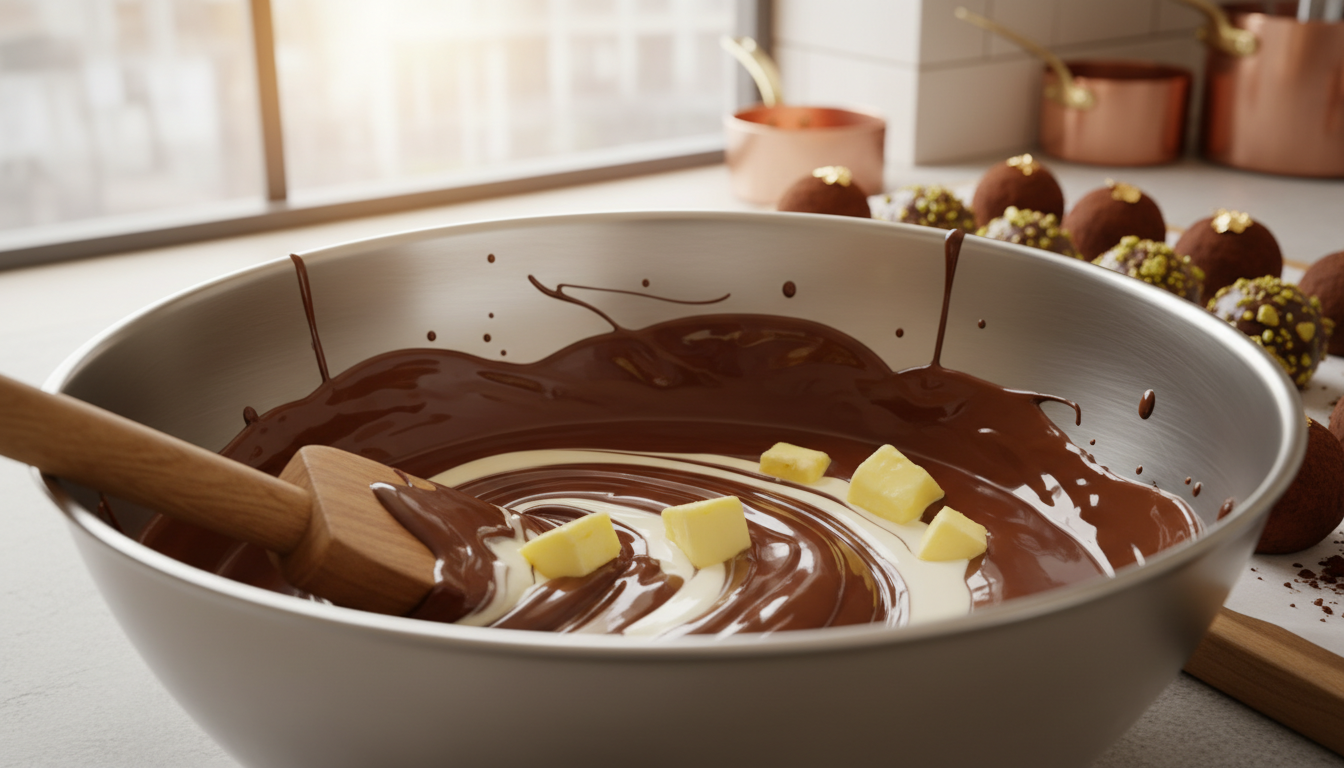
Discover the phase-inverted silk emulsion technique for creating decadent, melt-in-your-mouth chocolate truffles. Indulge in velvety perfection.
You are about to embark on a journey to create the most decadent chocolate truffles ever made. This professional method relies on the science of emulsification to blend fats and liquids into a stable ganache. By following these steps, you will master a technique that ensures a flawless result every time.
You must carefully combine the lipid phase with the aqueous phase to achieve the right texture. This process creates a stable water-in-oil emulsion that feels incredibly rich on the palate. Precision is your best tool, so prepare all your equipment and ingredients before you begin the melting process.
| Ingredient | Baker’s Percentage |
|---|---|
| Dark Chocolate (60% Cocoa) | 100% |
| Heavy Cream | 45% |
| Invert Sugar or Glucose | 10% |
| Unsalted Butter | 15% |
Water-in-oil emulsions are the backbone of achieving ultimate silkiness in chocolate truffles. Unlike oil-in-water emulsions, water-in-oil emulsions have water dispersed in a continuous lipid phase, which is crucial for the silky texture of truffles.
To create a stable water-in-oil emulsion, it’s essential to understand the basics. This involves knowing how to mix the ingredients effectively using shear force.
The process of creating a water-in-oil emulsion involves several key steps.
The type of emulsion used significantly affects the texture of your chocolate truffles. Water-in-oil emulsions are preferred for their ability to create a smooth and silky texture.
To create a stable water-in-oil emulsion, follow these steps:
By following these steps and understanding the importance of shear force and lipid phase, you can create a stable water-in-oil emulsion that results in silky chocolate truffles.
Shear mixing plays a vital role in ensuring the stability of your ganache. The process involves breaking down the water droplets into smaller particles and dispersing them evenly throughout the lipid phase, which is crucial for achieving the desired silkiness in your chocolate truffles.
To achieve this, you need to understand the basics of shear mixing and how it contributes to emulsion stability. Emulsion stability is critical because it directly affects the texture and appearance of your final product.
Effective shear mixing involves several key steps that you must follow carefully to ensure your ganache is stable and smooth.
| Factor | Description | Impact on Ganache |
|---|---|---|
| Mixing Speed | The rate at which the mixer operates. | Affects the dispersion of water droplets. |
| Mixing Time | The duration for which the ingredients are mixed. | Influences the stability and smoothness of the ganache. |
| Temperature | The temperature of the ingredients during mixing. | Impacts the viscosity and stability of the emulsion. |
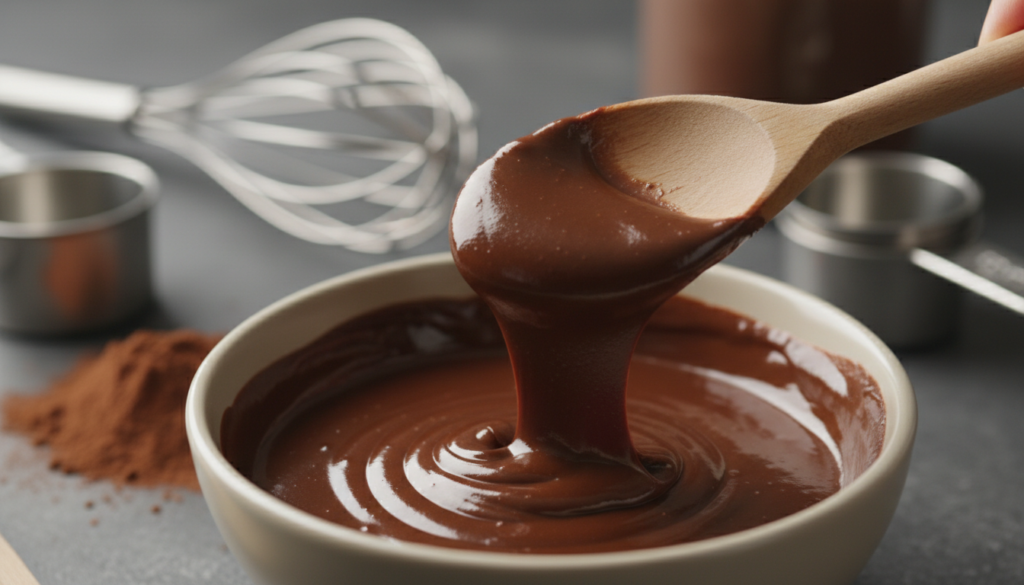
By following these steps and considering the factors outlined in the table, you can achieve a stable and smooth ganache that will give your chocolate truffles the ultimate silkiness.
You can ensure your chocolate truffles remain silky and smooth by taking steps to prevent fat separation. Fat separation occurs when the cocoa butter in the chocolate separates from the other ingredients, resulting in a grainy or uneven texture.Understanding Fat SeparationFat separation is often caused by improper mixing or tempering of the chocolate. When chocolate is not tempered correctly, the cocoa butter can separate, leading to an undesirable texture.
To prevent this, it’s crucial to temper your chocolate properly. Tempering involves heating and cooling the chocolate to create a stable crystal structure that sets the texture of the chocolate.
Here are some key factors to consider when tempering chocolate:
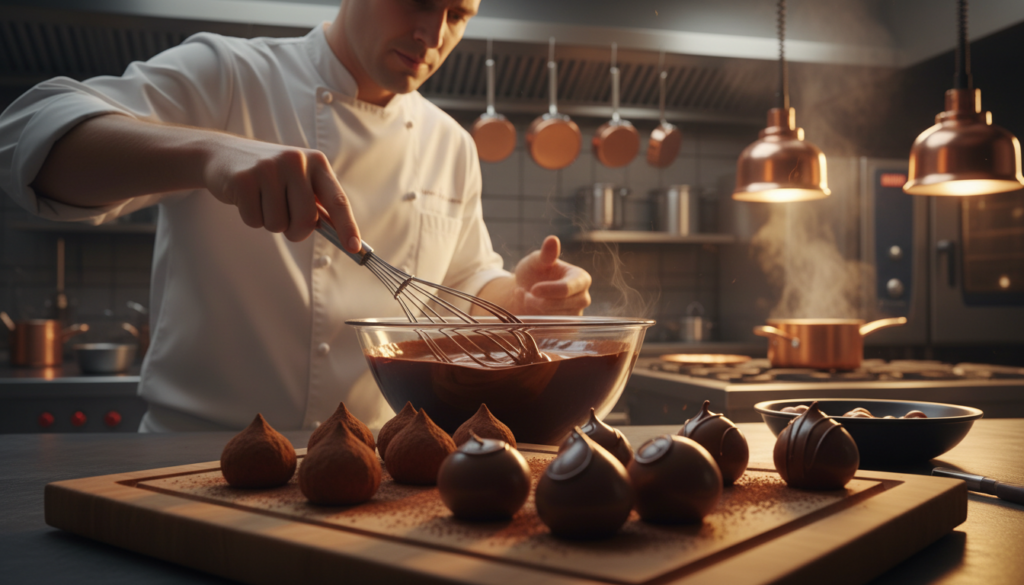
Consequences of Fat SeparationIf fat separation occurs, it can lead to a range of issues, including an unappealing texture and appearance. The following table summarizes the potential consequences:
| Consequence | Description |
|---|---|
| Grainy Texture | The chocolate develops a grainy or uneven texture due to the separation of cocoa butter. |
| Unappealing Appearance | The chocolate may appear bloomed or discolored, affecting its visual appeal. |
| Reduced Shelf Life | Fat separation can reduce the shelf life of the chocolate truffles by making them more susceptible to spoilage. |
By understanding the causes of fat separation and taking steps to prevent it, you can create chocolate truffles with a smooth and silky texture that will appeal to consumers.
Maintaining the silky texture of your chocolate truffles over time is crucial for their overall quality and consumer satisfaction. The shelf-life of your truffles is influenced by several factors, including the stability of the emulsion, storage conditions, and handling practices.
To ensure that your chocolate truffles retain their luxurious silky texture, it’s essential to understand the factors that affect their shelf-life. One critical aspect is the lipid phase, which plays a significant role in maintaining the texture and overall quality of the truffles.
The lipid phase in chocolate truffles is crucial for their texture and shelf-life. It involves the crystallization of cocoa butter, which can significantly affect the texture and stability of the truffles. Proper tempering and storage are essential to maintain the desired crystal structure.
Here are some key factors that influence the shelf-life of your silk-textured chocolate truffles:
| Factor | Description | Impact on Shelf-life |
|---|---|---|
| Storage Temperature | Temperature affects the crystallization of cocoa butter. | High temperatures can cause blooming or texture changes. |
| Humidity | Moisture can affect the texture and cause sugar bloom. | High humidity can lead to texture degradation. |
| Handling Practices | Handling can cause mechanical stress, affecting texture. | Rough handling can lead to texture changes or breakage. |
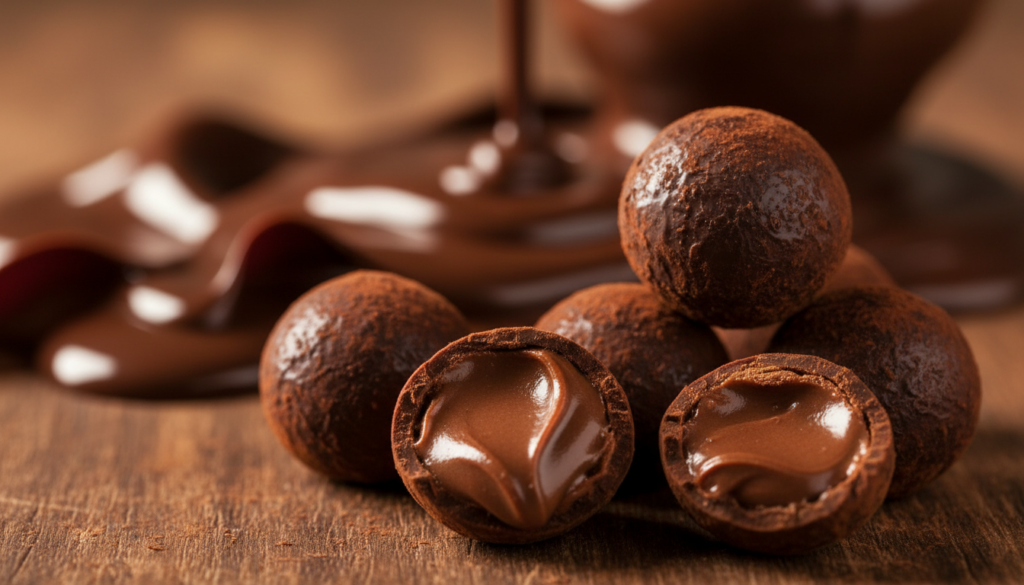
By controlling these factors and understanding the role of the lipid phase, you can significantly extend the shelf-life of your chocolate truffles and maintain their silky texture. Proper storage in a cool, dry place and gentle handling practices are crucial.
Regular monitoring of your truffles’ condition and adjusting your storage and handling practices accordingly will help ensure that they remain delightful and retain their silky texture over time.
You are about to embark on a journey to create the most decadent and silky chocolate truffles using professional techniques. This specific method focuses on a high level of precision to ensure a melt-in-your-mouth texture. To begin, you must understand the fundamentals of emulsification and how it transforms your chocolate ganache.
Emulsification is the scientific process of combining two or more liquids that usually do not mix, such as oil and water. In the world of high-end confectionery, this means blending the lipid phase with the aqueous phase. You will work with chocolate, fats, and heavy cream to create a stable, luscious mixture that resists separation.
This method involves creating a specific water-in-oil emulsion to give your candy a professional, glossy finish. You will start by preparing your ingredients and specialized equipment to ensure the best results. Gather your tools and prepare for a rewarding culinary experience that elevates your dessert game.
| Ingredient | Percentage (%) | Role |
|---|---|---|
| Dark Chocolate (60% Cacao) | 100% | Structural Base |
| Heavy Cream (36% Fat) | 45% | Aqueous Phase |
| Invert Sugar or Glucose | 10% | Texture Stabilizer |
| Unsalted Butter | 15% | Lipid Enrichment |
| Sea Salt | 0.5% | Flavor Enhancer |
The secret to achieving ultimate silkiness in chocolate truffles lies in mastering water-in-oil emulsions. Unlike oil-in-water emulsions, water-in-oil emulsions have water dispersed in a continuous lipid phase, which is crucial for creating ganache with a high fat content.
To create a stable water-in-oil emulsion, you need to understand the basics. This involves applying shear force to mix the ingredients effectively. The shear force helps in breaking down the water droplets into smaller particles, ensuring they are evenly distributed throughout the lipid phase.
As Michel de la Guerro, a renowned chocolatier, once said,
“The art of creating silky chocolate truffles is deeply rooted in understanding the science behind water-in-oil emulsions.”
The type of emulsion you create significantly affects the texture of your chocolate truffles. Water-in-oil emulsions are preferred for their ability to provide a luxurious, silky texture. To achieve this, it’s crucial to maintain the right balance between the water and lipid phases.
By following these steps and understanding the importance of emulsion type, you can create chocolate truffles with a truly silky texture.
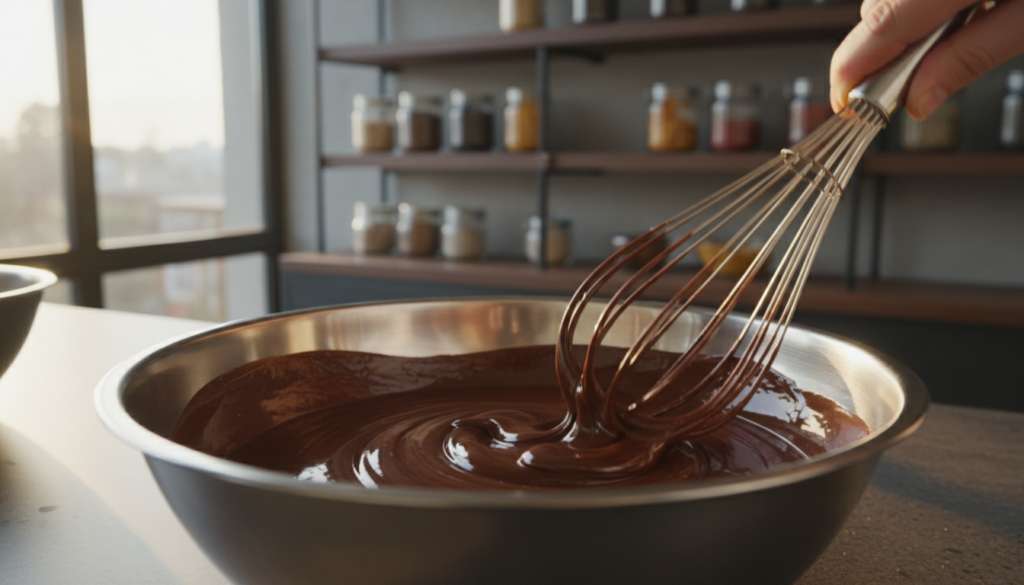
The stability of your ganache, crucial for silky chocolate truffles, is significantly enhanced by effective shear mixing. Shear mixing involves applying a force to the mixture to break down the water droplets into smaller, more uniform particles, thereby stabilizing the emulsion.
To effectively mix your ganache and ensure emulsion stability, follow these steps:
| Mixing Technique | Ganache Stability | Texture Outcome |
|---|---|---|
| Low Shear Mixing | Low | Coarse, separated |
| High Shear Mixing | High | Smooth, silky |
| Manual Whisking | Moderate | Variable, depends on technique |
By following these steps and understanding the importance of shear mixing, you can achieve a stable ganache that results in silky chocolate truffles.
Maintaining the silky texture of your chocolate truffles over time is crucial for their overall quality and appeal. The stability of the emulsion, storage conditions, and handling practices all play a significant role in determining the shelf-life of your truffles.
The lipid phase is a critical component in maintaining the texture of your chocolate truffles. Its stability directly impacts the overall quality and shelf-life of the truffles. Proper storage in a cool, dry environment, away from direct sunlight, helps preserve the texture.
To ensure your truffles remain delightful, monitor their condition regularly. Check for any visible signs of texture degradation, such as blooming or oil separation. By understanding the role of the lipid phase and following proper storage and handling practices, you can enjoy your silky chocolate truffles for a longer period.