All the world of cacao in one click.

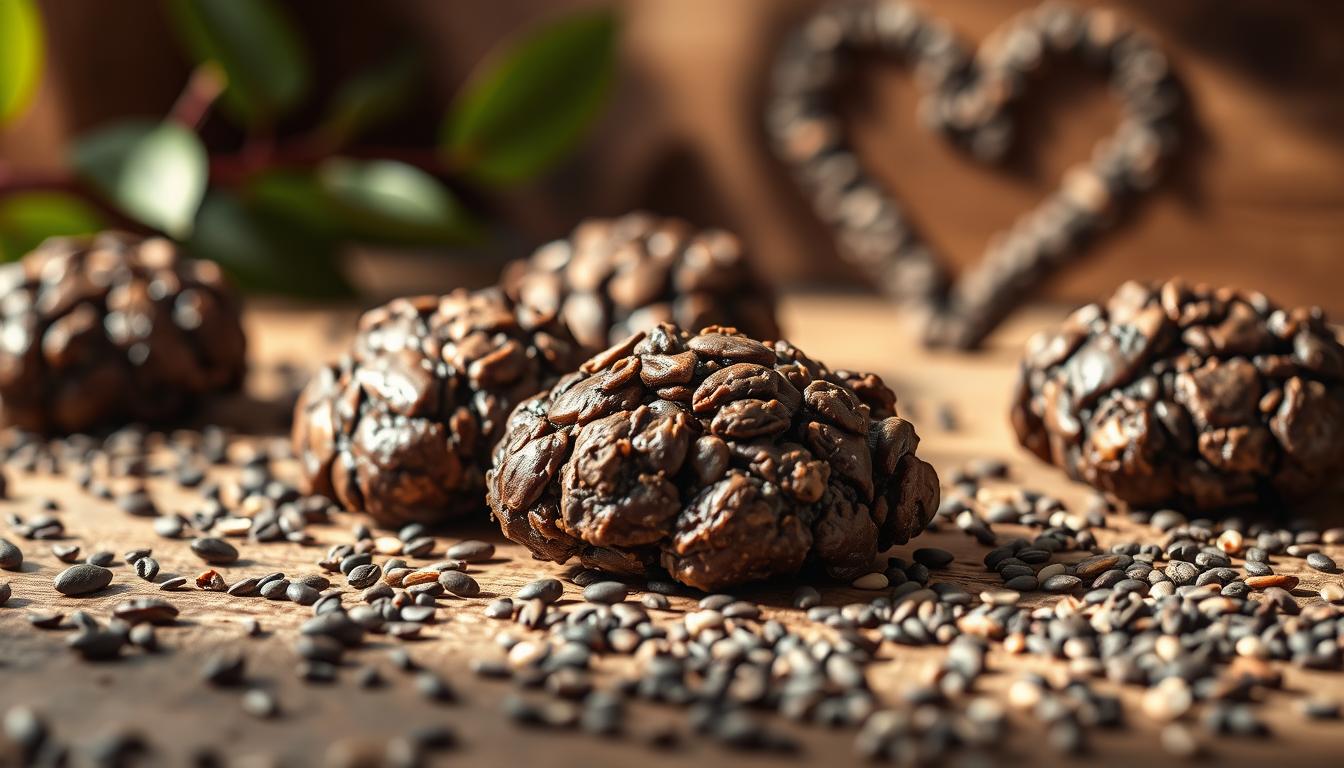
Upgrade your snack game with homemade Superseed Clusters that keep flax and chia fresh. Learn the easy tutorial for a nutritious treat.
You can significantly improve your heart health by choosing snacks rich in polyunsaturated fats. Flax and chia seeds are excellent sources, but they are very sensitive to light and heat. If you do not handle them correctly, these healthy oils can turn rancid and lose their benefits.
This recipe for Superseed Clusters offers a professional way to stabilize these fragile seeds. By using a raw cacao coating, you protect the nutrients from oxidation through a natural antioxidant barrier. You will create a crunchy, shelf-stable snack that maintains its full nutritional integrity.
| Ingredient | Baker’s Percentage |
|---|---|
| Seed Base (Flax and Chia) | 100% |
| Raw Cacao Powder | 20% |
| Maple Syrup | 35% |
| Melted Coconut Oil | 15% |
| Sea Salt | 1% |
The delicate balance of polyunsaturated fats in flax and chia seeds requires careful handling to prevent oxidation and rancidity. When exposed to summer light, these sensitive compounds can quickly degrade, compromising the nutritional integrity of your Superseed Clusters.
To safeguard against this, it’s essential to understand the factors that contribute to rancidity and implement effective prevention strategies. One key approach is the use of antioxidants, which help to neutralize free radicals and slow down the oxidation process.
Preventing rancidity involves a combination of proper storage techniques and the strategic use of antioxidants. By storing your Superseed Clusters in a cool, dark place, you can significantly reduce the risk of oxidation.
Antioxidants play a crucial role in maintaining the freshness and nutritional value of your Superseed Clusters. By incorporating antioxidants into your product, you can help protect the polyunsaturated fats from degradation.
Summer light can be particularly challenging for products containing polyunsaturated fats. The increased intensity and duration of sunlight during this time can accelerate the oxidation process, making it even more critical to take preventative measures.
“The use of antioxidants and proper storage techniques are essential for maintaining the quality and nutritional integrity of products containing polyunsaturated fats.”
To further illustrate the importance of preventing rancidity, consider the following comparison:
| Storage Method | Oxidation Risk | Nutritional Integrity |
|---|---|---|
| Cool, Dark Place | Low | High |
| Direct Sunlight | High | Low |
As shown in the table, storing your Superseed Clusters in a cool, dark place can significantly reduce the risk of oxidation and preserve their nutritional integrity.
By taking proactive steps to prevent rancidity, you can ensure that your Superseed Clusters remain a nutritious and healthy choice for consumers.
Creating Superseed Clusters involves a crucial step of binding flax and chia seeds together, a process effectively achieved with low-sugar cacao syrup. This method not only holds the seeds together but also enhances the overall nutritional profile of the clusters.
When it comes to binding seeds, the choice of binding agent is critical. You need something that not only works well but also complements the nutritional benefits of the seeds. Low-sugar cacao syrup is an excellent choice because it adds flavor without significantly increasing the sugar content.
The process of binding involves mixing the flax and chia seeds with a sufficient amount of low-sugar cacao syrup to hold them together. This mixture is then formed into clusters, which are not only nutritious but also delicious. The key is to find the right balance between the seeds and the syrup to ensure the clusters are not too dry or too wet.
“The right binding agent can make all the difference in creating a snack that is both healthy and enjoyable.”
Using low-sugar cacao syrup has several benefits, particularly forheart health. It contains flavonoids, which are known to have positive effects on heart health by improving blood flow and lowering blood pressure. Moreover, it adds a rich, chocolatey flavor to the Superseed Clusters, making them more enjoyable to eat.
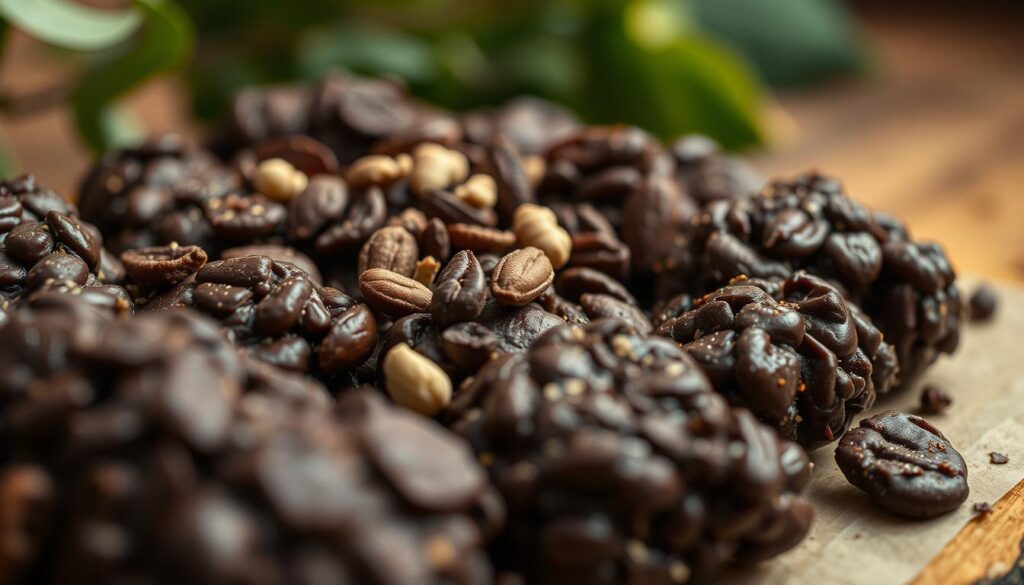
By choosing low-sugar cacao syrup, you’re not only binding the seeds effectively but also enhancing the nutritional value of your Superseed Clusters. This makes them a great snack option for those looking for a healthy treat that supports heart health.
As we have seen, binding seeds with low-sugar cacao syrup is a straightforward process that offers numerous benefits. By following this method, you can create Superseed Clusters that are not only delicious but also packed with nutrients.
To appreciate the full nutritional benefits of Superseed Clusters, it’s essential to look at their nutrient density per serving. Understanding the nutritional value packed into each serving can help you make informed decisions about your diet.
The Superseed Clusters are rich in polyunsaturated fats, which are crucial for heart health and provide sustained energy. These beneficial fats, found in high quantities in flax and chia seeds, are a key component of the clusters’ nutritional profile.
“The inclusion of polyunsaturated fats in your diet can significantly contribute to overall health and wellbeing.” As noted by health experts, these fats play a vital role in reducing inflammation and supporting brain function.
A 30g serving size of Superseed Clusters is carefully designed to provide a balanced mix of nutrients while minimizing the risk of oxidation. Oxidation can lead to the degradation of sensitive nutrients, particularly polyunsaturated fats.
To maintain the integrity of these nutrients, it’s crucial to store the clusters properly. By doing so, you can ensure that each serving retains its full nutritional value.
By understanding the nutrient density of Superseed Clusters and the importance of proper storage, you can maximize the health benefits of this nutritious snack.
You can protect your body and enjoy a rich treat at the same time. Many people struggle to keep seeds fresh, as oxygen quickly damages their healthy oils. This recipe uses the natural antioxidants in cacao to shield your food from damage.
By making these Superseed Clusters, you lock in the benefits of raw ingredients. You will find that the combination provides a satisfying crunch and a massive nutritional boost. This method ensures your heart health remains a top priority through every bite.
These treats are packed with essential polyunsaturated fats that often spoil when exposed to light or heat. Using a professional coating technique keeps these fats stable and bioavailable. You will love how easy it is to prepare a professional-grade snack in your own kitchen.
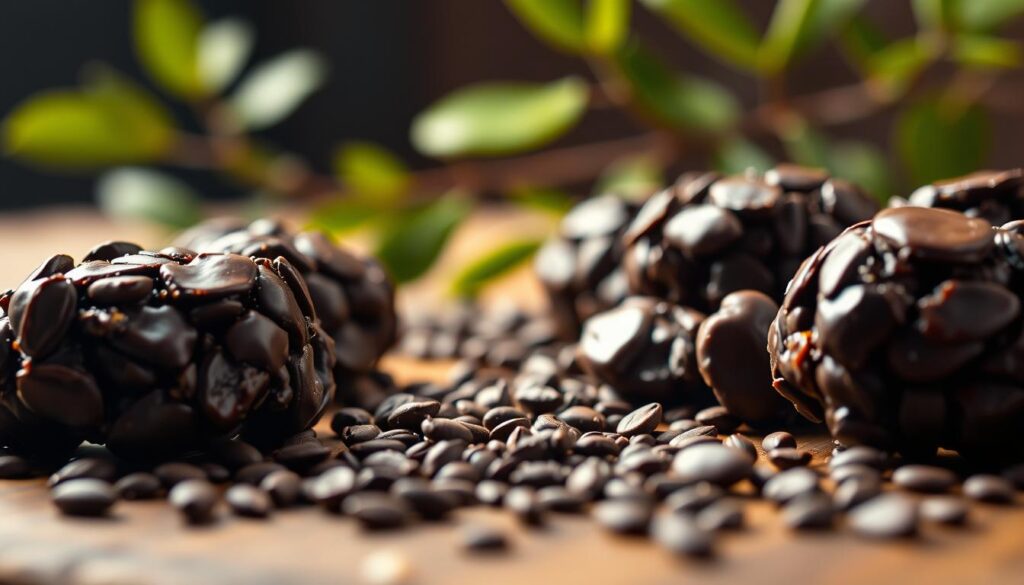
Follow this professional recipe to create your own batch of Superseed Clusters. The percentages below follow the Baker’s percentage method, using the cacao paste as the primary base for the mixture.
| Ingredient | Baker’s Percentage (%) |
|---|---|
| Raw Cacao Paste (Melted) | 100% |
| Organic Flax Seeds | 45% |
| Organic Chia Seeds | 35% |
| Pure Maple Syrup | 15% |
| Sea Salt | 1% |
The high levels of polyunsaturated fats in flax and chia seeds make them prone to oxidation, a process that can be accelerated by summer light. This can lead to rancidity, compromising the quality and nutritional integrity of your Superseed Clusters.
To mitigate this, it’s essential to understand the methods for preventing rancidity. Effective strategies include using antioxidants and employing proper storage techniques.
One of the key factors in preventing rancidity is protecting your Superseed Clusters from direct sunlight and heat. Antioxidants play a crucial role in this process by neutralizing free radicals that can cause oxidation.
During the summer months, it’s crucial to store your Superseed Clusters in a cool, dark place. This can significantly reduce the risk of oxidation. Additionally, using airtight containers can help maintain freshness.
By taking these precautions, you can effectively prevent rancidity and preserve the nutritional value of your Superseed Clusters.
Creating Superseed Clusters involves a crucial step of binding flax and chia seeds together, a process effectively achieved with low-sugar cacao syrup. This method not only ensures the seeds stick together but also enhances the flavor and nutritional value of the clusters.
The process of binding is critical because it directly affects the texture and durability of the Superseed Clusters. You want a binding agent that is not only effective but also healthy.
To bind the seeds, you need to mix them with a low-sugar cacao syrup that acts as an adhesive. The syrup coats the seeds evenly, ensuring they stick together when formed into clusters. This process is straightforward and requires minimal equipment.
The key benefit of using low-sugar cacao syrup is its ability to maintain the nutritional integrity of the seeds. Unlike other binding agents that might add excessive sugar or unhealthy ingredients, low-sugar cacao syrup is a healthier alternative.
Using low-sugar cacao syrup has several benefits, particularly for heart health. It contains flavonoids that are known to improve heart health by lowering blood pressure and improving blood flow. As stated by a study,
“Flavonoids in cacao have been shown to have positive effects on vascular function, which can contribute to overall heart health.”
This makes Superseed Clusters not just a tasty snack but also a heart-healthy choice.
Moreover, low-sugar cacao syrup adds a rich, chocolatey flavor to the Superseed Clusters without the guilt of consuming high-sugar products. You get to enjoy a delicious snack that is also good for your heart.
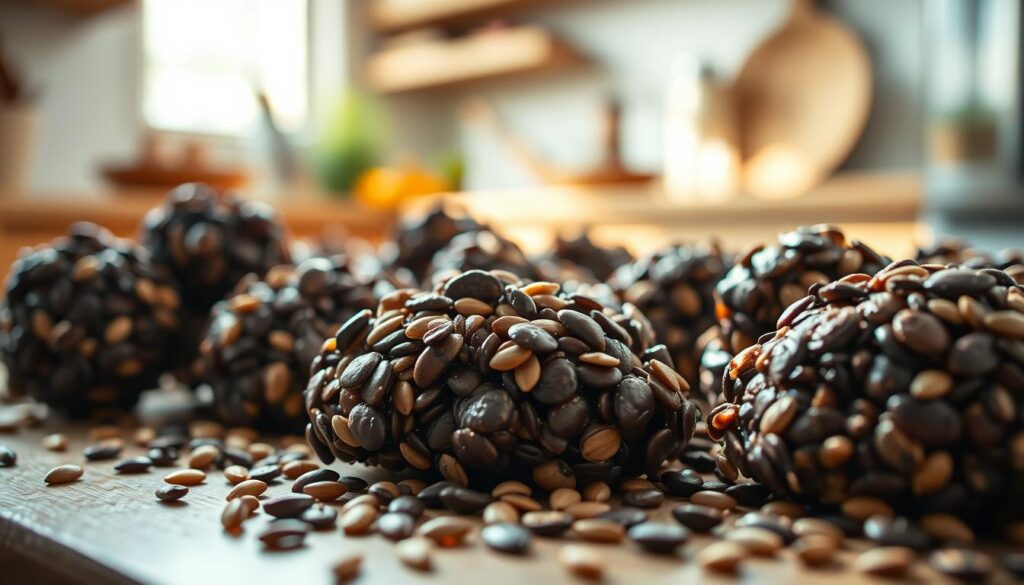
In conclusion, binding seeds with low-sugar cacao syrup is a simple yet effective way to create nutritious and delicious Superseed Clusters. This process not only ensures the clusters are durable and have a great taste but also provides a snack that supports heart health.
You might be wondering how different processing techniques affect the nutritional integrity of your Superseed Clusters. The method of processing the ingredients can significantly impact the final product’s nutritional value, particularly when it comes to polyunsaturated fats and their susceptibility to oxidation.
Cold-pressing and light toasting are two distinct methods used to process seeds. Cold-pressing involves extracting oil from the seeds without applying heat, thereby preserving the delicate polyunsaturated fats. On the other hand, light toasting involves gently heating the seeds to enhance their flavor and texture.
When comparing these methods, it’s essential to consider their effects on nutrient density. Cold-pressing helps retain the nutritional integrity of the seeds, as it doesn’t involve heat that can damage the sensitive fatty acids. In contrast, light toasting can slightly reduce the levels of these sensitive compounds but can also make the seeds more digestible.
The nutrient density of Superseed Clusters is a critical factor in determining their nutritional value. A 30g serving size is used as a standard to compare the nutritional content of different processing methods.
Here’s a comparison of the nutrient density per 30g serving for cold-pressed and lightly toasted Superseed Clusters:
| Nutrient | Cold-Pressed | Lightly Toasted |
|---|---|---|
| Polyunsaturated Fats (g) | 8 | 7.5 |
| Omega-3 Fatty Acids (mg) | 2500 | 2300 |
| Antioxidants (ORAC value) | 12000 | 10000 |
When evaluating the nutrient density, it’s also important to consider the serving size. A standard 30g serving size allows for a fair comparison between different products.
“The serving size is crucial in understanding the nutritional benefits of Superseed Clusters. A 30g serving provides a balanced mix of nutrients.”
As shown in the table, cold-pressing retains slightly more polyunsaturated fats and omega-3 fatty acids compared to light toasting. However, both methods provide a nutrient-dense product.
In conclusion, both cold-pressing and light toasting have their advantages. While cold-pressing preserves more of the delicate nutrients, light toasting can enhance the flavor and digestibility of the seeds. Understanding these differences can help you make informed choices about your Superseed Clusters.
You can support your Heart Health by making snacks that shield delicate nutrients. Most people do not realize that flax and chia seeds spoil quickly when they touch the air. This recipe helps you preserve vital Polyunsaturated fats by using a protective cacao layer.
Making your own Superseed Clusters at home allows you to avoid the processed sugars found in store brands. You will use a slow-bake method to keep the seeds stable and crunchy. This simple process turns raw ingredients into a powerful tool for your daily wellness routine.
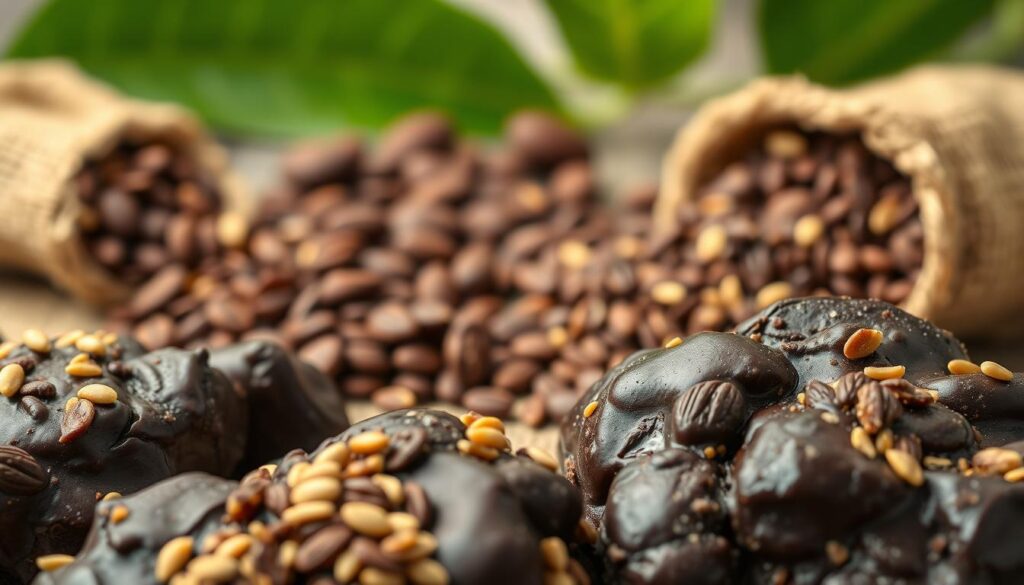
This professional recipe uses Baker’s percentages to ensure perfect consistency every time you bake.
| Ingredient | Percentage (%) |
|---|---|
| Flax and Chia Seed Mix | 100% |
| Raw Cacao Powder | 25% |
| Maple Syrup | 20% |
| Sea Salt | 1% |
The high levels of polyunsaturated fats in flax and chia seeds make them prone to oxidation, a process that can be accelerated by summer light. This oxidation can lead to rancidity, compromising the nutritional integrity and taste of your Superseed Clusters. Therefore, it’s crucial to implement effective strategies to prevent rancidity.
To protect your Superseed Clusters from rancidity, consider the following methods:
During the summer, the increased intensity and duration of sunlight can exacerbate the oxidation process. To mitigate this:
By understanding the factors that contribute to rancidity and implementing these strategies, you can effectively protect your Superseed Clusters and maintain their nutritional value and flavor.
When evaluating the health benefits of Superseed Clusters, their nutrient density per serving is a critical consideration. You need to understand the nutritional value packed into each 30g serving to appreciate the overall benefits they offer.
The Superseed Clusters are formulated to provide a high nutrient density, making them an excellent choice for those looking to enhance their diet with nutrient-rich foods. Each 30g serving is carefully crafted to include a balance of polyunsaturated fats, proteins, and fiber, contributing to heart health and overall well-being.
Nutrient-dense foods like Superseed Clusters are particularly beneficial because they provide a high amount of essential nutrients while keeping calorie counts in check. This balance is crucial for maintaining a healthy diet, especially for individuals monitoring their calorie intake.
Understanding the serving size is vital to reap the benefits of Superseed Clusters. A 30g serving size is recommended as it provides an optimal balance of nutrients. Consuming the right serving size ensures you get the desired nutritional benefits without overconsumption.
The nutritional benefits of Superseed Clusters can be further understood by examining their nutritional profile per serving. Here’s a breakdown:
| Nutrient | Amount per 30g Serving | % Daily Value |
|---|---|---|
| Polyunsaturated Fats | 4g | 5% |
| Protein | 6g | 12% |
| Dietary Fiber | 4g | 16% |
By incorporating Superseed Clusters into your diet, you’re not only enhancing your nutrient intake but also supporting your overall health and well-being. The nutrient density of these clusters makes them a valuable addition to a balanced diet.
When it comes to processing ingredients for Omega-3 Cacao Clusters, the method used can significantly impact the final product’s nutritional value. You have two primary options: cold-pressing and light toasting. Cold-pressing is a technique that extracts nutrients without generating excessive heat, thereby preserving the delicate polyunsaturated fats found in flax and chia seeds.
On the other hand, light toasting involves a gentle heating process that can enhance the flavor and texture of the seeds. However, this method may compromise the nutritional integrity by potentially increasing oxidation, which can lead to the deterioration of polyunsaturated fats.
By choosing cold-pressing, you can minimize the risk of oxidation and retain the nutrient density of the Omega-3 Cacao Clusters. This method ensures that the final product remains rich in essential fatty acids and other vital nutrients.
Ultimately, the processing method you choose will directly affect the quality and nutritional value of your Omega-3 Cacao Clusters. Opting for cold-pressing can be a superior choice for preserving the integrity of polyunsaturated fats and maintaining the overall nutritional profile.