All the world of cacao in one click.


Enhance your farm-to-bar journey with real-time Transparency IoT - live stream the harvest for your customers.
You are about to experience the future of farm-to-bar practices, where live streaming the harvest brings customers closer to the source. By leveraging Transparency IoT, farmers and producers can now share the journey of their produce from farm to table in real-time.
This innovative approach not only enhances trust but also provides a unique marketing opportunity. Imagine being able to showcase your farm’s practices and the care that goes into producing high-quality ingredients. The process involves setting up live streaming equipment in the fields and connecting it to a platform that can be accessed by customers.
To implement this, you’ll need to follow a straightforward process:
1. Identify the right equipment for live streaming.
2. Choose a suitable platform for broadcasting.
3. Integrate the technology with your existing farm management systems.
As you explore the world of IoT in agriculture, understanding transparency becomes crucial. Transparency is the foundation upon which trust is built between farmers, consumers, and the products they buy.
Transparency in agriculture is about providing clear and accurate information regarding farming practices, the origin of produce, and the processes involved in getting products from the farm to the table. This openness helps in building consumer trust, a vital component in the success of any agricultural business.
With the integration of IoT, farms can now offer real-time data on various aspects of their operations, enhancing transparency. This not only includes data on crop health and yield but also on the use of resources such as water and fertilizers.
IoT devices and sensors play a pivotal role in enhancing farm operations by providing real-time insights into the condition of crops, soil moisture levels, and weather conditions. This information allows farmers to make informed decisions, optimizing crop yields and reducing waste.
For instance, IoT can help in precision farming by ensuring that crops receive exactly what they need, when they need it. This precision not only improves yields but also reduces the environmental impact of farming practices.
The use of real-time data in agriculture, facilitated by IoT, directly contributes to building consumer trust. By providing consumers with detailed information about the produce, from seed to sale, farmers can demonstrate their commitment to quality and transparency.
For example, a bakery might use IoT to track the origin and quality of its ingredients. Here’s an example of how they might break down the ingredients for a loaf of bread, using Baker’s percentage:
| Ingredient | Baker’s Percentage (%) |
|---|---|
| Flour | 100 |
| Water | 60 |
| Yeast | 2 |
| Salt | 2 |
| Sugar | 1 |
This level of transparency not only fosters trust but also allows consumers to make informed choices about the products they buy. The use of blockchain technology can further enhance this transparency by providing a secure and immutable record of transactions and data.
The foundation of a successful Transparency IoT implementation lies in understanding its essential ingredients. To achieve transparency and efficiency in your farm-to-bar operations, you must integrate several key components.
At the heart of Transparency IoT are core technologies that enable real-time tracking and monitoring. These include:
Collaborating with the right partner platforms is crucial for a seamless Transparency IoT implementation. Consider the following steps:
| Partner Type | Role in Transparency IoT | Benefits |
|---|---|---|
| Technology Providers | Supply IoT devices and data analytics platforms. | Enhanced data collection and insights. |
| Integration Experts | Ensure compatibility and integration with existing systems. | Smooth implementation and reduced downtime. |
| Consulting Services | Provide strategic guidance on IoT adoption. | Informed decision-making and optimized IoT strategy. |
Educating your team and customers is vital for the successful adoption of Transparency IoT. Focus on:
By focusing on these essential ingredients, you can ensure a successful Transparency IoT implementation that enhances transparency, efficiency, and customer trust in your farm-to-bar operations.
Preparing your farm for IoT integration is a crucial step towards achieving transparency and building consumer trust through live sourcing. This process involves several key steps that will ensure a smooth transition to a more efficient and transparent farming operation.
The first step in preparing your farm for IoT integration is to assess your current infrastructure. This includes evaluating your existing hardware, software, and network capabilities to determine if they are compatible with IoT devices.
| Infrastructure Component | Current Status | IoT Compatibility |
|---|---|---|
| Hardware | Existing sensors and machinery | Upgradeable to IoT-compatible devices |
| Software | Farm management software | Integratable with IoT platforms |
| Network | Current internet connectivity | Capable of supporting IoT device connectivity |
Identifying key stakeholders is vital for the successful integration of IoT on your farm. Stakeholders may include farm workers, management, technology providers, and customers.
Once your infrastructure is assessed and stakeholders are identified, the next step is to set up your IoT devices. This involves installing sensors, configuring devices, and ensuring they are connected to your network.
By following these steps, you can effectively prepare your farm for IoT integration, enhancing your operations and building consumer trust through live sourcing.
To effectively leverage Transparency IoT, you need to identify and harvest the right data. This involves understanding the types of data that are relevant to your farm operations, how to integrate various sensors and networks, and ensuring the accuracy and relevance of the collected data.
The first step in harvesting data is to determine what information is crucial for your farm. This can include soil moisture levels, temperature, crop health, and equipment performance. By collecting these data points, you can gain insights into your farm’s operations and make informed decisions.
| Data Type | Description | Benefit |
|---|---|---|
| Soil Moisture | Measures the water content in the soil | Optimizes irrigation |
| Crop Health | Monitors the health and growth of crops | Early detection of diseases |
| Equipment Performance | Tracks the efficiency and status of farm equipment | Reduces downtime and maintenance costs |
To collect the necessary data, you need to integrate various sensors and networks into your farm’s infrastructure. This can involve wireless sensor networks, IoT devices, and cloud connectivity. As noted by industry experts, “The integration of IoT devices with existing farm equipment can significantly enhance operational efficiency.”
“The use of IoT in agriculture is not just about collecting data; it’s about using that data to make informed decisions that drive sustainability and profitability.”
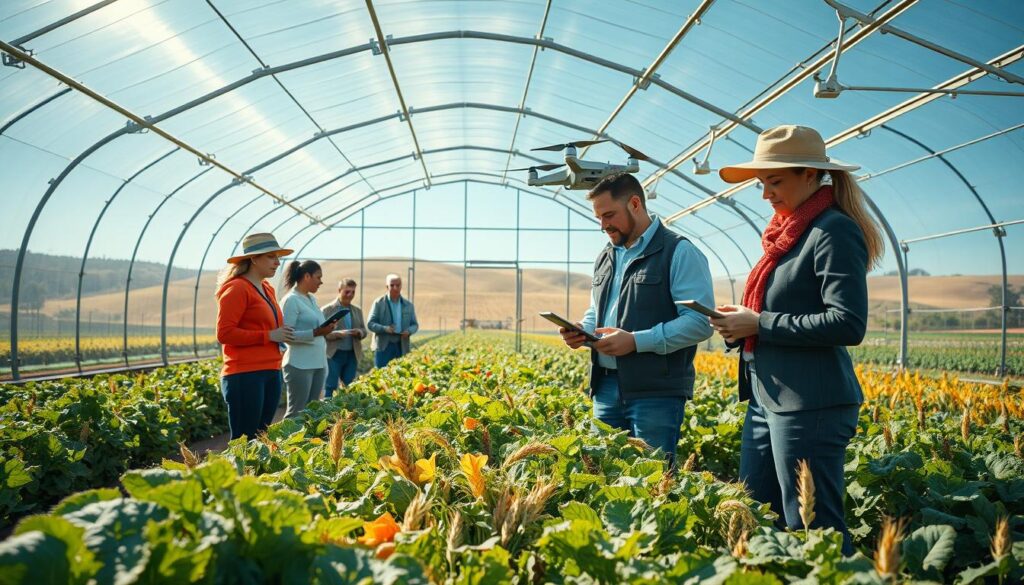
Ensuring the accuracy and relevance of the collected data is crucial. This can be achieved through regular calibration of sensors, data validation processes, and the use of blockchain technology to secure data integrity. By doing so, you can trust the insights derived from the data and make decisions with confidence.
As you continue to harvest and analyze data, remember that the goal of Transparency IoT is not just to collect information, but to use it to enhance your farm’s operations and build trust with your customers.
The technical requirements for live streaming your harvest are crucial for a seamless customer experience. To achieve this, you need to focus on several key areas.
Selecting the appropriate streaming platform is the first step. You should consider platforms that support live sourcing and have a proven track record in handling agricultural content. Here are the steps to follow:
A stable and fast internet connection is vital for uninterrupted live streaming. To ensure this, follow these guidelines:
When streaming live, it’s essential to ensure that you comply with relevant data protection regulations and maintain the security of your data. Here are some measures to take:
By focusing on these technical requirements, you can provide a high-quality live streaming experience that enhances customer trust and engagement.
Transparency IoT isn’t just about technology; it’s about building trust with your customers. By leveraging real-time data and engaging content, you can create a loyal customer base that trusts your brand.
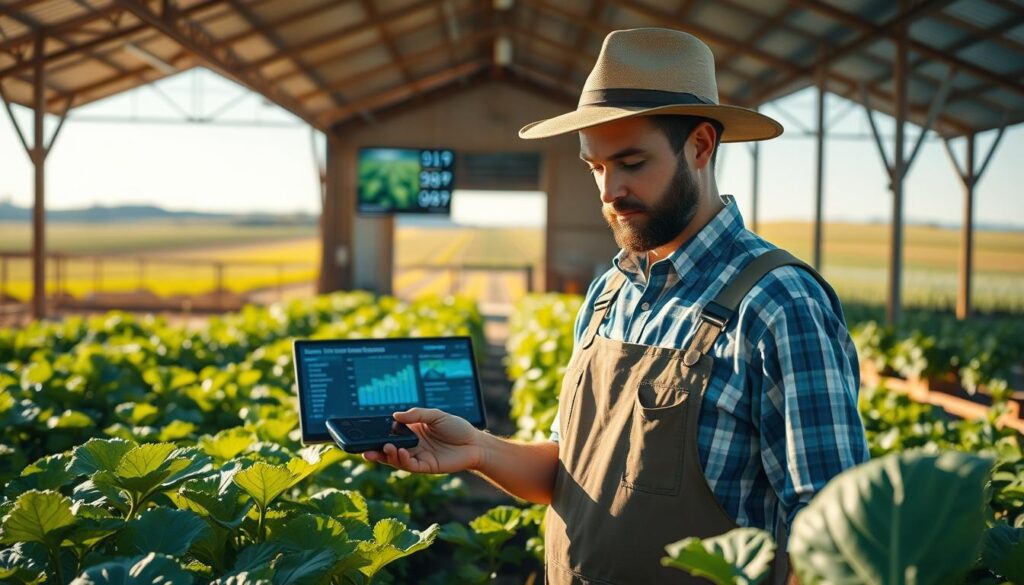
One of the key benefits of Transparency IoT is the ability to provide real-time updates to your customers. By keeping them informed about the status of their orders or the condition of their produce, you can build a sense of trust and reliability.
For instance, you can use IoT sensors to track the temperature and humidity levels of your produce during transportation. This data can be used to send automated notifications to your customers, keeping them informed about the status of their orders.
Visual content is a powerful tool for engaging your customers and building trust. By using high-quality images and videos, you can give your customers a glimpse into your farming practices and show them the care and attention that goes into producing their food.
“The transparency provided by IoT technology has been a game-changer for our farm. It has allowed us to build a strong relationship with our customers, who appreciate the honesty and openness.” – Farm Owner
Finally, Transparency IoT can also be used to encourage customer feedback. By providing customers with a platform to share their thoughts and opinions, you can gain valuable insights into their needs and preferences.
This feedback can be used to make improvements to your farming practices and customer service, further building trust and loyalty with your customers.
Empowering your team with the right knowledge is crucial for successful IoT integration. As you implement IoT solutions, it’s essential to focus on comprehensive training programs that cover the latest technologies and best practices.
To develop an effective training program, you need to identify the key areas where your team requires training. This could include understanding IoT devices, data analysis, and security measures. A well-structured training program should also cover the integration of Blockchain technology to enhance supply chain transparency and security.
Consider the following components when designing your training program:
Promoting IoT best practices within your team is vital for ensuring that your IoT solutions are used effectively. This includes adopting Live Sourcing practices to provide real-time updates to your customers, enhancing transparency and trust.
The following table outlines key ingredients for a successful IoT implementation, including the role of transparency and real-time data:
| Ingredient | Description | Benefit |
|---|---|---|
| Real-Time Data | Data collected in real-time from IoT devices | Enhanced transparency and customer trust |
| Blockchain Technology | Integration of Blockchain for secure data management | Improved security and transparency |
| Live Sourcing | Real-time updates on sourcing and production | Increased customer engagement and trust |
Evaluating the competency of your team is crucial to ensure that your training programs are effective. Regular assessments and feedback sessions can help identify areas where additional training is needed.
By focusing on comprehensive training and promoting best practices, you can empower your team to effectively manage and maintain your IoT solutions, driving long-term success.
The effectiveness of Transparency IoT can be measured by defining and monitoring relevant metrics. To understand the impact of this technology on your farm, you need to track key performance indicators that reflect both consumer engagement and operational efficiency.
To start, you should identify the metrics that matter most to your Transparency IoT initiative. Here are the steps to follow:
For instance, you can use QR Codes to track consumer engagement by monitoring how often customers scan codes to access information about your products.
Consumer engagement is a critical aspect of Transparency IoT. You can measure engagement through various metrics, including:
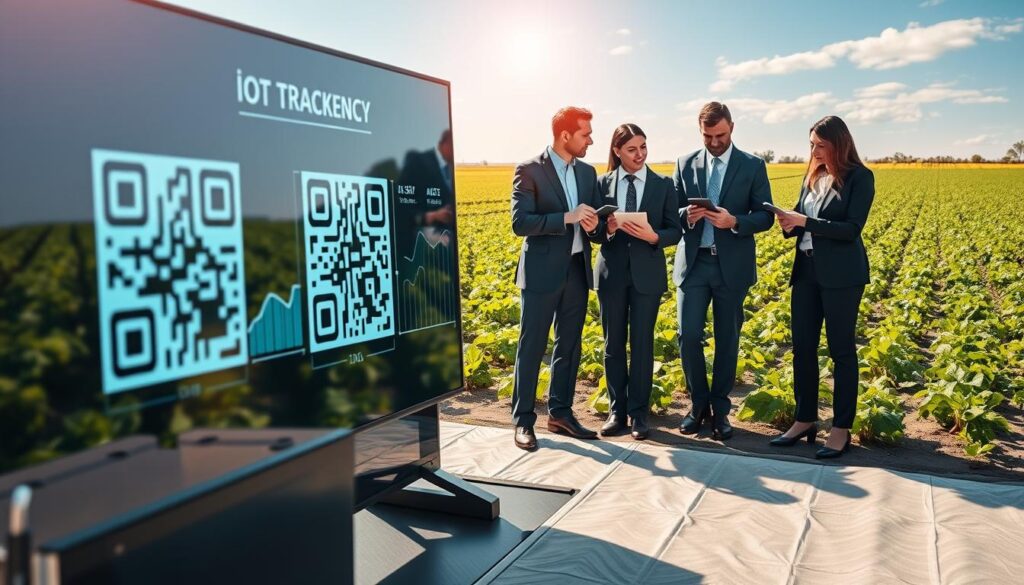
In addition to consumer engagement, Transparency IoT can also enhance operational efficiency. Key metrics to track include:
| Metric | Description | Benefit |
|---|---|---|
| Yield Improvement | Increase in crop yield due to optimized farming practices | Enhanced productivity |
| Resource Optimization | Reduction in water and fertilizer usage | Cost savings and environmental benefits |
| Supply Chain Efficiency | Streamlined logistics and distribution | Faster time-to-market and reduced costs |
By analyzing these metrics, you can refine your Transparency IoT strategy to achieve better outcomes.
Future-proofing your IoT strategy is not just about adopting new technologies; it’s about creating a robust framework for live sourcing that enhances consumer trust. As IoT continues to evolve, staying ahead of the curve is crucial for maintaining a competitive edge.
To stay updated, you need to be aware of the latest advancements in IoT technologies. This includes:
Regularly reviewing industry publications and attending conferences can help you stay informed. As Eric Schmidt, former CEO of Google, once said, “The Internet is the first thing that humanity has built that humanity doesn’t understand, the largest experiment in anarchy that we have ever had.”
“The Internet is the first thing that humanity has built that humanity doesn’t understand, the largest experiment in anarchy that we have ever had.”
Scaling your IoT infrastructure requires careful planning. You need to:
| Infrastructure Component | Current Status | Scalability Plan |
|---|---|---|
| Sensor Network | Operational | Upgrade to support 500 additional devices |
| Data Analytics Platform | Operational | Increase cloud storage by 50% |
Forming strategic partnerships can enhance your IoT capabilities. Look for partners who can provide:
By partnering with the right organizations, you can strengthen your IoT strategy and improve live sourcing practices, ultimately fostering greater consumer trust.
By following these steps, you can future-proof your IoT strategy and maintain a competitive edge in the market.
The integration of Transparency IoT in agriculture has led to numerous success stories. Farms and agricultural businesses have benefited from enhanced transparency, efficiency, and customer trust. Let’s explore some examples and lessons learned from industry leaders.
Several farms have successfully implemented Transparency IoT, leveraging blockchain technology to ensure data integrity and transparency. For instance, a farm in California used IoT sensors to track crop health and blockchain to record every step of the supply chain. This approach not only improved crop yields but also increased customer trust.
Another example is a cooperative of farmers in Europe who adopted Transparency IoT to monitor and manage their collective supply chain. By using IoT devices to track produce from farm to table and recording this information on a blockchain, they were able to reduce waste and improve the quality of their produce.
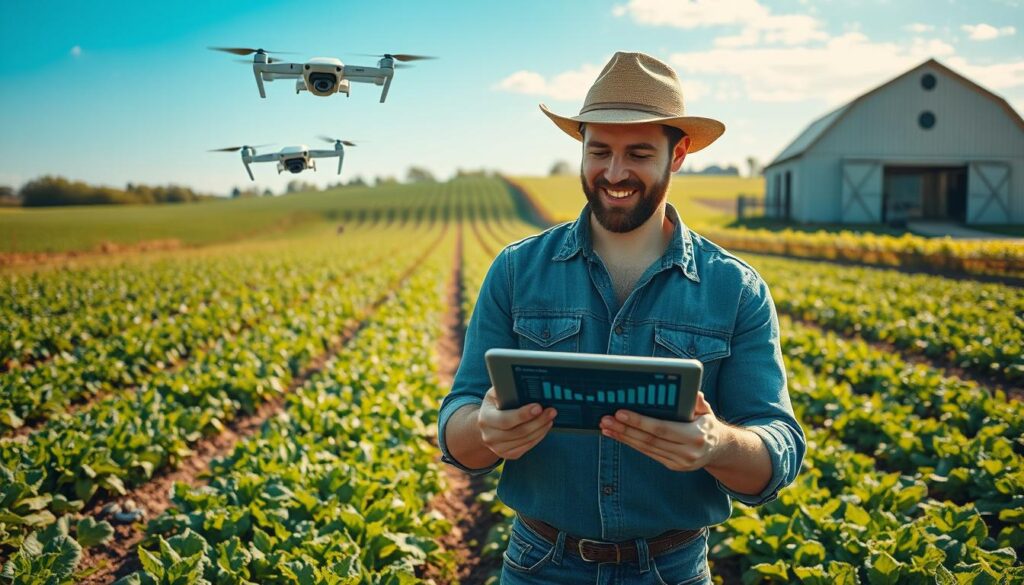
Industry leaders have shared valuable insights from their experiences with Transparency IoT. One key lesson is the importance of data accuracy and relevance. Ensuring that the data collected is precise and relevant to the stakeholders is crucial for the success of Transparency IoT initiatives.
Another lesson is the need for scalability. As the farm or business grows, the IoT infrastructure should be able to scale accordingly. This includes not just the number of devices but also the ability to handle increased data volumes.
The future of Transparency IoT in agriculture looks promising, with several opportunities for growth. One area is the integration of artificial intelligence (AI) with IoT data to predict crop diseases and optimize yields further.
Another opportunity lies in expanding the use of Transparency IoT to other parts of the supply chain, such as processing and distribution. This could involve using IoT devices to track the condition of produce during transportation and storage, further enhancing transparency and efficiency.
| Ingredient | Tracking Method | Blockchain Record |
|---|---|---|
| Crop Yield | IoT Sensors | Yes |
| Soil Health | IoT Sensors | Yes |
| Produce Quality | Visual Inspection & IoT | Yes |
As stated by a leading agricultural technologist,
“The use of Transparency IoT and blockchain is not just a trend; it’s a fundamental shift in how we approach farming and supply chain management.”
In conclusion, the successful implementation of Transparency IoT in agriculture has opened up new avenues for enhancing transparency, efficiency, and customer trust. By learning from industry leaders and embracing future opportunities, you can further revolutionize your farming practices.
As the agricultural sector continues to evolve, embracing Transparency IoT is crucial for building a more trustworthy and efficient supply chain. By leveraging technologies like QR Codes and Live Sourcing, farmers can provide consumers with real-time updates, fostering Consumer Trust.
The long-term benefits of Transparency IoT include enhanced operational efficiency, improved product quality, and increased consumer loyalty. By adopting these technologies, farmers can differentiate themselves in a competitive market and reap the rewards of a more transparent and trustworthy supply chain.
To implement Transparency IoT, follow these steps:
1. Assess your current infrastructure and identify areas for improvement.
2. Invest in IoT devices and sensor technologies to collect real-time data.
3. Develop a strategy for utilizing QR Codes and Live Sourcing to engage with consumers.
Encouraging industry-wide adoption of Transparency IoT will be crucial for driving meaningful change. By working together, farmers, suppliers, and consumers can create a more transparent and trustworthy food system, ultimately benefiting everyone involved.