All the world of cacao in one click.

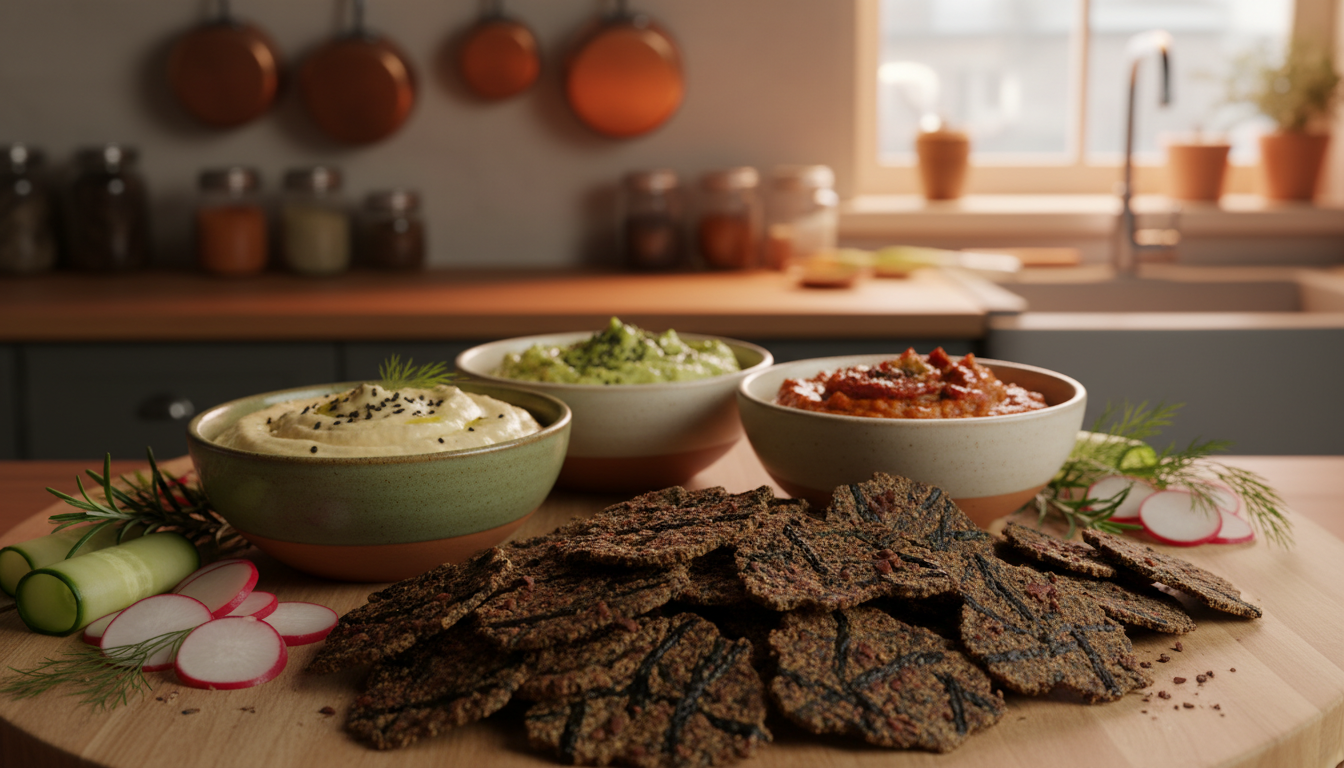
Indulge in the umami snacking revolution with these savory cacao & seaweed crackers - a nutritious, flavor-packed delight.
You are about to embark on a culinary journey that combines the deep, rich flavors of cacao and seaweed. This unique blend creates a treat that is both delicious and Mineral Rich. It represents a bold shift in how we view healthy treats today.
Understanding the synergy between salt and cacao is crucial for achieving the perfect balance. This recipe offers a professional guide to mastering the Umami Snacking trend in your own kitchen. You will love the crisp texture and savory depth of these artisanal crackers.
| Ingredient | Baker’s Percentage (%) |
|---|---|
| Whole Wheat Flour | 100% |
| Cacao Powder | 15% |
| Dried Nori Flakes | 8% |
| Sea Salt | 2% |
| Water | 45% |
| Coconut Oil | 12% |
To begin, whisk your dry ingredients together in a large mixing bowl. Slowly incorporate the water and oil until a firm dough forms. Roll the mixture into thin sheets before baking until they reach a perfect crunch.
The synergy between salt and cacao is the secret behind the addictive taste of savory cacao crackers. This synergy is rooted in the molecular structure of both ingredients and how they interact with your taste buds.
Salt enhances the flavor of cacao by suppressing its bitterness and bringing out its natural sweetness. Conversely, cacao adds depth to the saltiness, creating a rich and complex flavor profile. Understanding this synergy is crucial for crafting a snack that’s both savory and indulgent.
The flavor profile of savory cacao crackers is significantly influenced by the type and amount of salt used, as well as the quality of the cacao. When sourcing ingredients like Atlantic seaweed, it’s essential to consider their iodine content, as it contributes to the umami taste.
Umami flavor is a key component that elevates the snacking experience. It’s achieved by balancing the ingredients to create a harmonious taste.
To enhance the umami taste in your savory cacao crackers, you need to balance the ingredients carefully. Here’s a breakdown of a typical recipe:
| Ingredient | Baker’s Percentage (%) |
|---|---|
| Cacao Nibs | 30 |
| Sea Salt | 5 |
| Atlantic Seaweed | 10 |
| Flour | 50 |
| Iodine-rich Seasoning | 5 |
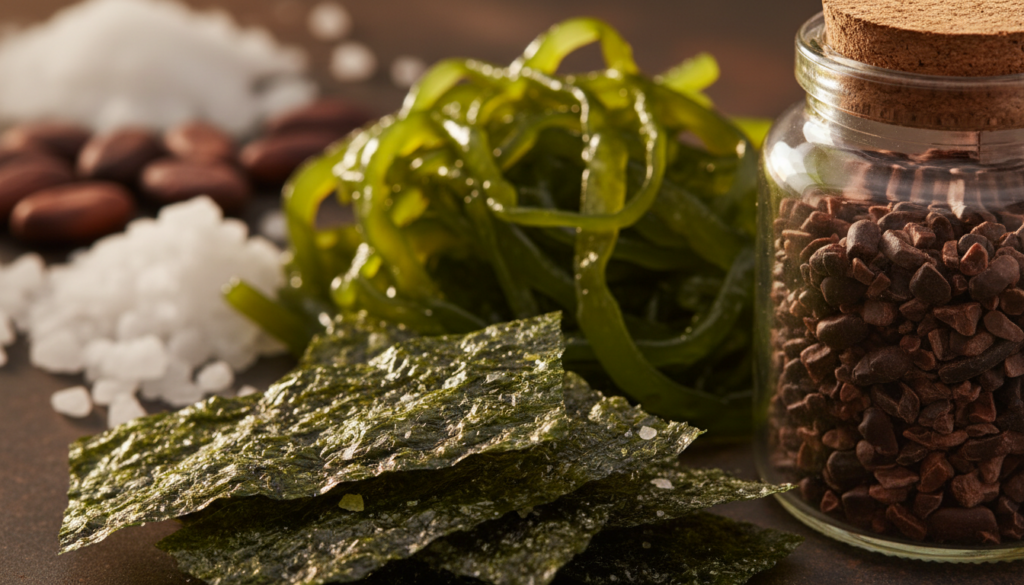
By adjusting the proportions of these ingredients, you can achieve the perfect balance of flavors. The iodine content in Atlantic seaweed, for instance, significantly contributes to the umami taste, making it a valuable addition to your recipe.
Experimenting with different types of salt and cacao can further enhance the flavor profile. Remember, the key to a great savory snack is balance and harmony among the ingredients.
The quest for the ideal snap in crackers, especially those infused with savory chocolate, requires a nuanced understanding of texture formation. Achieving this snap, particularly in high-humidity environments, is both an art and a science.
To start, it’s essential to understand that the texture of your crackers is largely determined by the ingredients used and their proportions. The addition of savory chocolate not only enhances the flavor but also impacts the texture. Therefore, adjusting the ingredients and processing steps is crucial to maintaining the desired snap.
The texture of crackers is influenced by several key ingredients, each playing a unique role. Here are the steps to achieve the perfect balance:
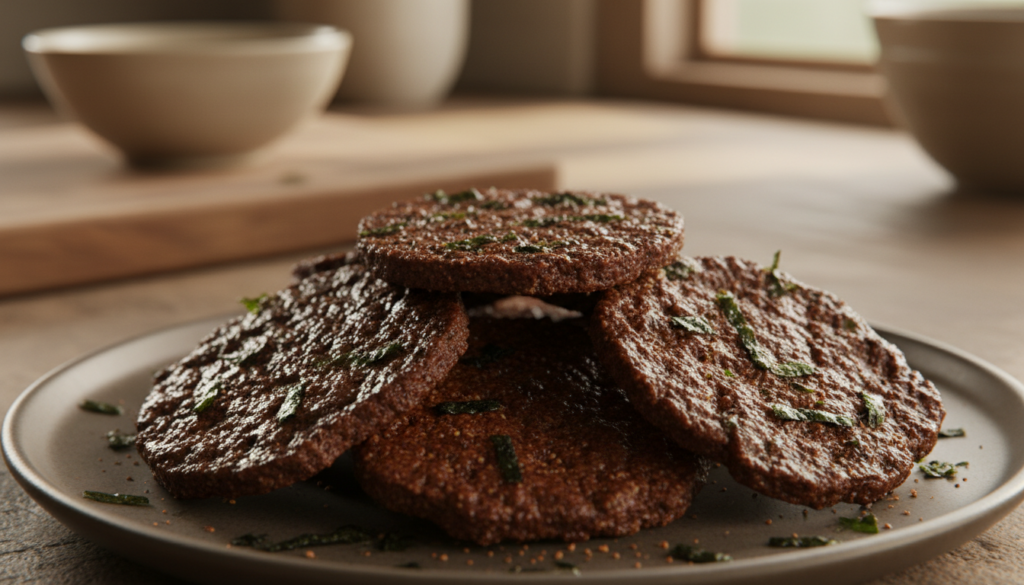
By carefully adjusting these elements and understanding their interactions, you can create crackers that retain their snap even in high-humidity conditions. The key is to experiment and find the perfect balance that works for your specific product.
For instance, using a combination of wheat flour and a small amount of cornstarch can help achieve a crisper texture. Additionally, controlling the baking time and temperature is crucial. A higher temperature for a shorter duration can help in achieving a better snap.
As you perfect your savory cacao and seaweed crackers recipe, effectively marketing it to Gen Z is crucial for its success. This generation prioritizes sustainability, nutritional benefits, and unique snacking experiences.
To appeal to Gen Z’s preferences, focus on the nutritional benefits and sustainable aspects of your product. Highlighting the marine sourcing of seaweed can be a significant selling point, as it emphasizes the product’s eco-friendly and responsibly sourced ingredients.
By emphasizing the mineral-rich profile of your crackers and the use of sustainably sourced seaweed, you can create a compelling narrative that resonates with Gen Z’s values. This approach will not only attract this demographic but also position your brand as a leader in the sustainable snacking market.