All the world of cacao in one click.

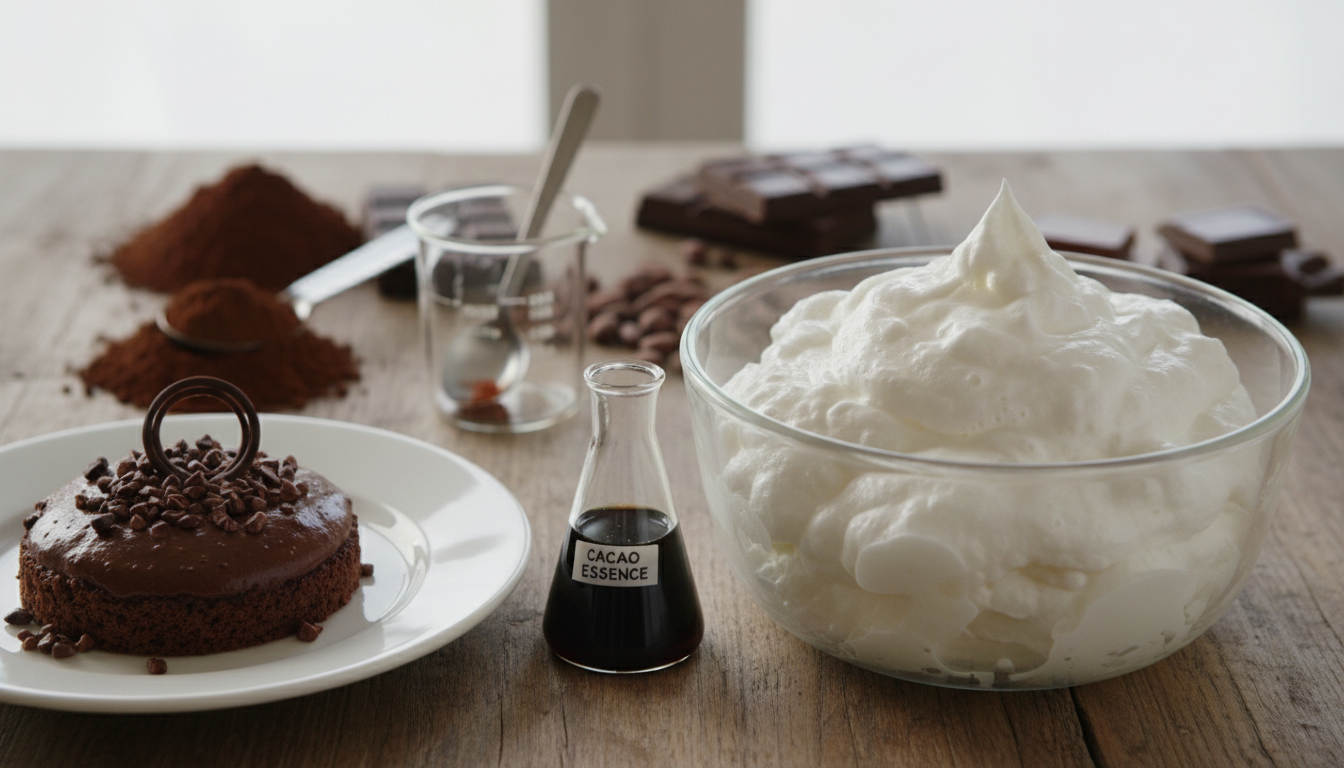
Master the technique of vegan foam with our Dalgona Cacao 2.0 guide. Uncover the science behind crafting stable, protein-rich foams.
You are about to master the art of Dalgona Cacao 2.0. This modern treat uses the deep secrets of aquafaba physics to create a stable, airy topping. By choosing these specific ingredients, you actively support global sustainability without losing any creamy richness.
Understanding how vegetable proteins stabilize allows you to craft a perfect dairy-free foam every time. This scientific approach ensures your drink remains light and delicious. Use this vegan friendly recipe to begin your culinary journey.
| Ingredient | Baker’s Percentage (%) |
|---|---|
| Aquafaba (Chickpea Liquid) | 100% |
| Granulated Sugar | 80% |
| Cacao Powder | 50% |
| Sea Salt | 1% |
The quest for the perfect vegan foam leads to an interesting comparison between egg and chickpea protein. As you explore the realm of vegan foams, understanding the differences between these proteins becomes crucial for achieving the desired texture and stability in your Dalgona Cacao 2.0.
The structure of proteins and their ability to form foams are intricately linked. Chickpea protein, for instance, offers a compelling alternative to egg protein due to its similar functionality in certain aspects. To understand why, let’s delve into the specifics of protein structure and foamability.
Proteins are complex molecules with unique structures that influence their functionality. The ability of a protein to form a stable foam depends on its capacity to denature and reorganize at the air-liquid interface. Egg protein is renowned for its excellent foamability due to its protein structure, which allows it to form strong, flexible films around air bubbles.
Chickpea protein, on the other hand, has gained attention for its potential to mimic the functional properties of egg protein. To analyze the foam life of both proteins, you can follow these steps:
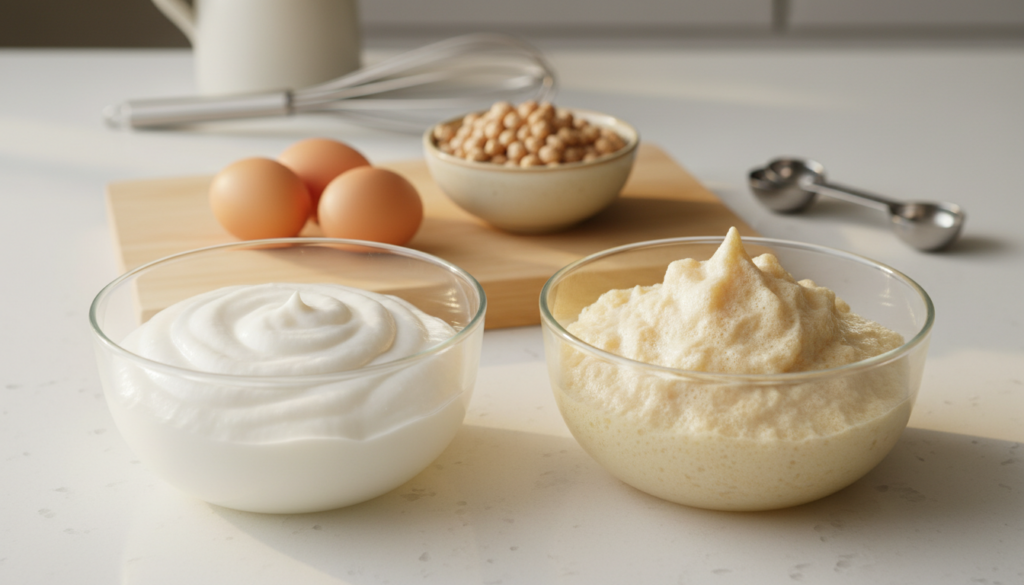
Protein denaturation is a critical process that affects foamability. When proteins denature, they unwind and reorganize into new structures that can effectively stabilize air bubbles. The degree and nature of denaturation can significantly impact the stability and longevity of the foam.
By understanding how egg and chickpea proteins denature and affect foam stability, you can make informed decisions about their use in your recipes. This knowledge is particularly valuable for creating vegan versions of traditionally non-vegan desserts like Dalgona Cacao 2.0, where achieving the right foam texture is essential.
To ensure your vegan foams remain stable for 24 hours, follow this precise protocol. This involves understanding the factors that affect foam stability and controlling them to enhance the shelf-life of your product, thereby contributing to a more sustainable food culture.
The stability of vegan foams is influenced by several critical factors.
These include the type of protein used, the method of preparation, and the conditions under which the foam is stored.
Protein structure plays a significant role in determining foamability and stability.
The right protein can make a significant difference in the longevity of your foam.
Among the storage conditions, temperature and humidity are paramount.
Fluctuations in these parameters can significantly affect the stability of your foam.
To achieve the 24-hour stability protocol, follow these steps:

By controlling temperature and humidity, you can significantly enhance the stability of your vegan foam, ensuring it remains fresh and appealing for a longer period.
This not only contributes to a more sustainable food culture by reducing waste but also improves the overall quality of your product.
You are now part of a larger movement – the vegan beverage revolution. This revolution is driven by consumer demand for more diverse and exciting plant-based beverages. To stay ahead of the curve, it’s essential to understand the current beverage trends and how they are shaping the industry.
The plant-based beverage market is witnessing a surge in innovative flavors and textures. By leveraging the principles of aquafaba physics, you can create unique and captivating beverages that not only taste great but also have an appealing texture. The process involves identifying current trends in vegan beverages and understanding how stable foams can enhance these beverages.
To create these innovative beverages, follow these steps: 1) Identify current trends in vegan beverages, 2) Understand how stable foams can enhance these beverages, and 3) Apply the knowledge of aquafaba physics to develop unique recipes. By doing so, you become a part of shaping the future of vegan beverages, making them more diverse and exciting for consumers. As you explore the world of beverage trends and aquafaba physics, you will unlock new possibilities for creating captivating plant-based beverages.