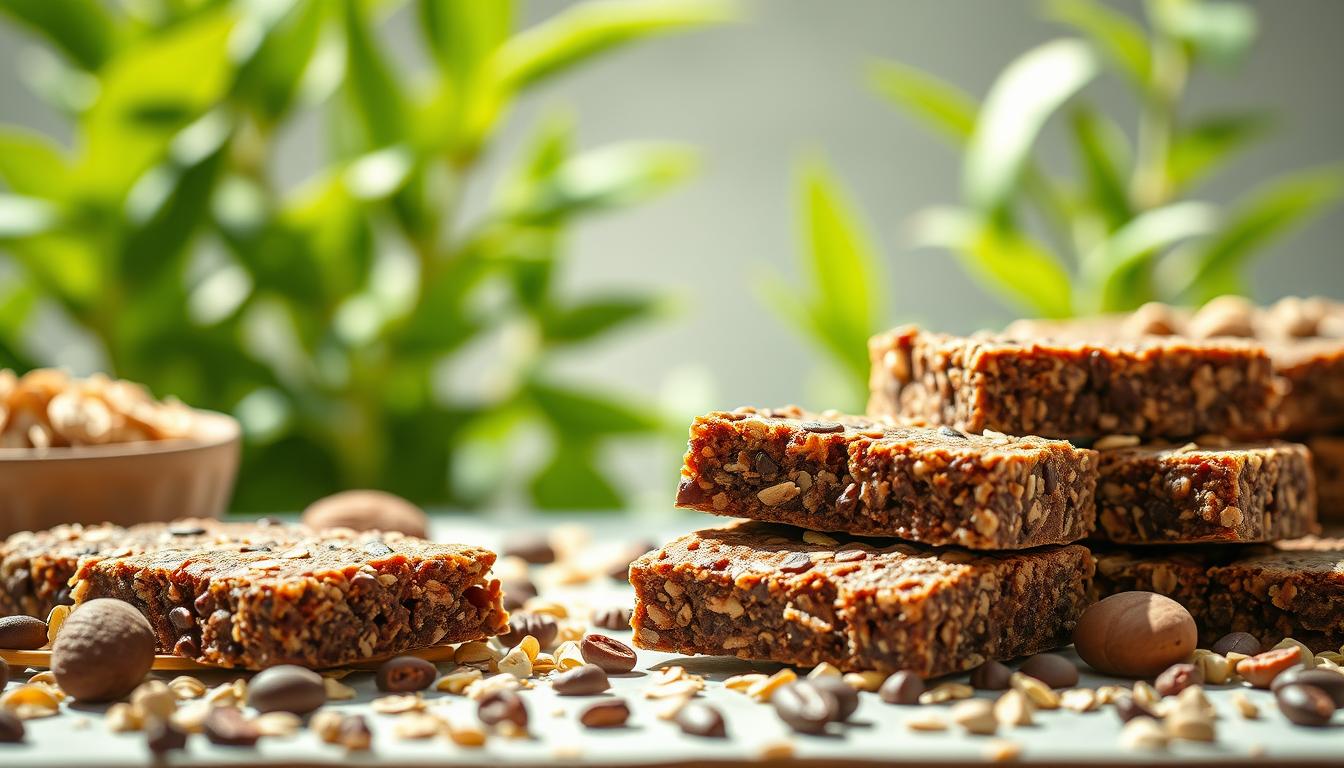
Vegan Protein Bar

Oat-Protein Cacao Bars: Preventing Lipid Migration in Summer Heat

Prevent lipid migration in your vegan protein bars this summer with our easy-to-make Oat-Protein Cacao Bars recipe.

Summer heat often makes snacks oily and messy. You can stop this lipid migration by using a solid plant-based protein source. This oat-derived ingredient is an excellent choice due to its functional properties and nutritional profile. It helps bind the fats within the structure effectively.

This recipe ensures your snack stays firm during hot months. By following a professional formula, you control how the ingredients react to heat. Carefully preparing your components helps you achieve a consistent and high-quality result. You will notice a significant improvement in texture.

Understanding the science of ingredients is vital for preventing fat separation. When you balance dry solids with liquid binders, the product remains stable. Use the following guide to create professional-grade treats at home.

Ingredient Baker’s Percentage (%)
Oat Flour (Base) 100%
Oat Concentrate 40%
Cacao Butter 30%
Maple Syrup 35%
Cacao Powder 20%
  1. Combine the dry oat-derived ingredients and cacao powder in a large bowl.
  2. Gently melt the cacao butter and whisk it together with the maple syrup.
  3. Pour the liquid mixture into the dry components and stir until a thick dough forms.
  4. Press the mixture into a lined tray and chill for two hours before slicing into squares.

Key Takeaways

  • Stop fat leakage in high temperatures with proper binding.
  • Use oat-based components for better structural stability.
  • Follow precise Baker’s percentages for consistent results.
  • Achieve a professional snack texture using simple kitchen tools.
  • Maintain a clean eating experience throughout the summer season.
  • Balance dry and liquid ingredients to prevent oil separation.

Protein Denaturation in Warm Climates

The integrity of high-protein bars, such as oat-protein cacao bars, can be compromised in warm temperatures due to protein denaturation. Protein denaturation occurs when proteins lose their native structure due to external stress factors such as heat.

In the context of vegan protein bars, this can lead to changes in texture and stability. When proteins denature, they unwind and lose their functional shape, which can affect the overall quality of your protein bars.

Using Oat Protein as a Structural Scaffold

Oat protein is rich in beneficial amino acids and has a high-protein content, making it an ideal structural scaffold for vegan protein bars. Its ability to form a robust structure helps in withstanding the challenges posed by warm temperatures.

To effectively utilize oat protein, follow these steps:
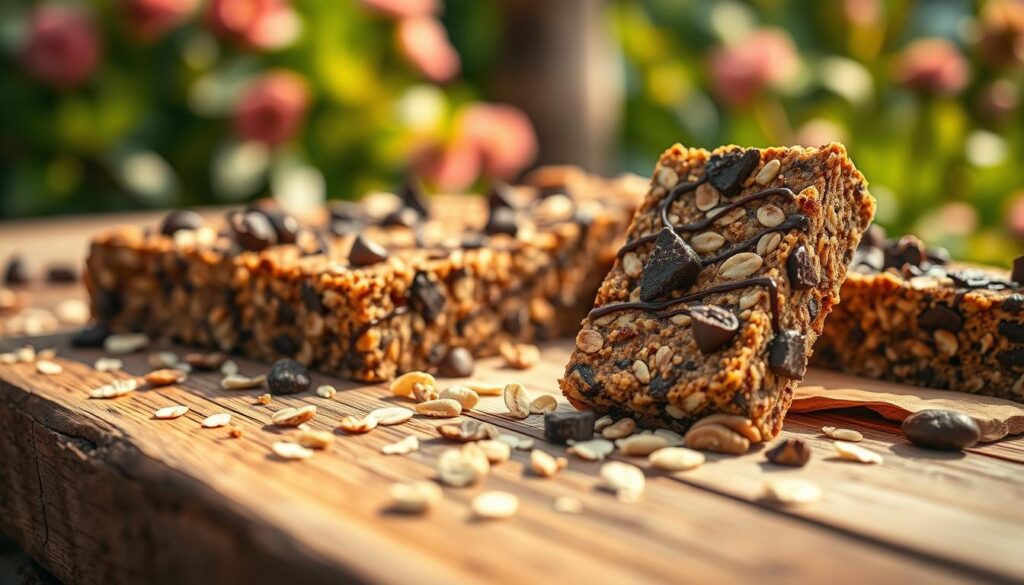
  1. Mix oat protein with other ingredients such as cacao and natural binders.
  2. Ensure the mixture is homogeneous to distribute the protein evenly.
  3. Shape the mixture into bars, ensuring they are compact and evenly sized.
  4. Allow the bars to set before packaging to maintain their structure.

high-protein oat bars

Oat protein serves as an excellent scaffold due to its high-protein content and beneficial amino acid profile. By leveraging oat protein, you can create bars that remain stable and appealing even in warm climates.

The amino acids in oat protein play a crucial role in this process, contributing to the overall stability of the bars.

Emulsification without Soy Lecithin

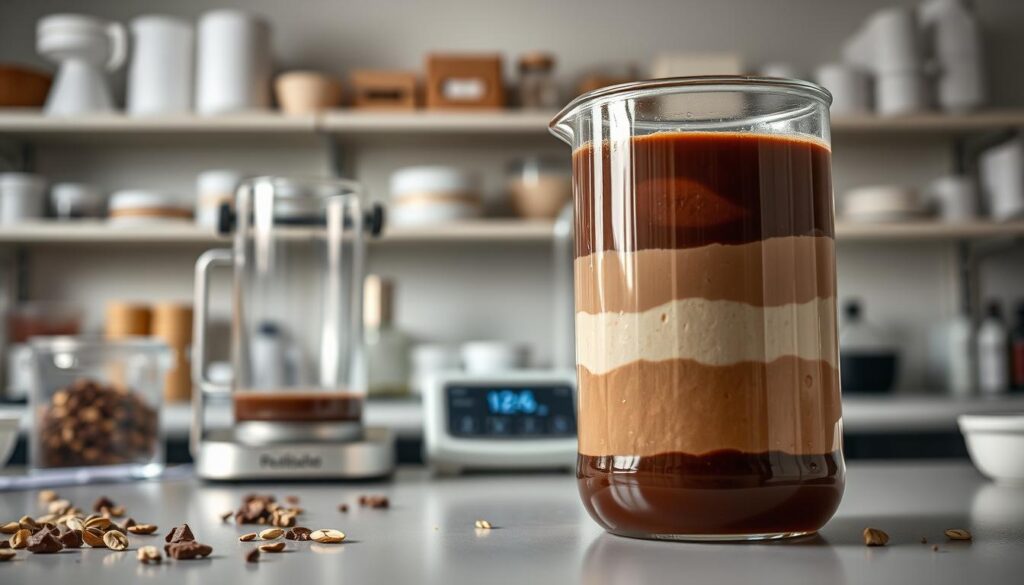
To ensure your Oat-Protein Cacao Bars remain stable, you’ll need to master emulsification without relying on soy lecithin. Emulsification is critical in making vegan protein bars as it prevents phase separation and ensures a uniform texture.

The emulsification process involves mixing two or more liquids that wouldn’t normally mix, like oil and water. In the context of Oat-Protein Cacao Bars, this means combining the protein, cacao, and other ingredients into a cohesive mixture.

You can achieve effective emulsification by selecting an appropriate emulsifier. While soy lecithin is commonly used, alternatives like sunflower lecithin or even certain proteins can serve as emulsifiers.

Choosing an Emulsifier

When choosing an emulsifier for your Oat-Protein Cacao Bars, consider the following options:

  • Sunflower lecithin
  • Oat protein itself, due to its natural emulsifying properties
  • Other plant-based emulsifiers like gum arabic or tapioca starch

Recipe for Oat-Protein Cacao Bars without Soy Lecithin

To make these bars, you’ll need:

  • 200g oat protein
  • 150g cacao powder
  • 100g coconut oil
  • 50g maple syrup
  • 1 tablespoon sunflower lecithin (as an emulsifier)
  • Pinch of salt
  1. Mix Dry Ingredients: Combine oat protein, cacao powder, and salt in a bowl.
  2. Mix Wet Ingredients: In another bowl, mix coconut oil, maple syrup, and sunflower lecithin.
  3. Emulsify: Gradually add the wet ingredients to the dry ingredients, mixing until you achieve a uniform texture.

Benefits of Alternative Emulsifiers

Using alternative emulsifiers can enhance the stability and texture of your protein bars. The table below compares soy lecithin with sunflower lecithin:

Emulsifier Source Effectiveness in Emulsification Allergenicity
Soy Lecithin Soybeans High High (for those with soy allergy)
Sunflower Lecithin Sunflower seeds High Low

phase separation

By choosing the right emulsifier and following a precise emulsification process, you can create Oat-Protein Cacao Bars that are not only delicious but also resistant to phase separation, even in warm climates.

Maximizing Post-Workout Recovery

After a strenuous workout, your body needs the right nutrients to recover and rebuild muscle tissue. Consuming a Vegan Protein Bar with the right nutritional profile at the right time is crucial for maximizing post-workout recovery.

To get the most out of your Oat-Protein Cacao Bars, follow these steps:

1. Consume your Vegan Protein Bar within 30-60 minutes after your workout, when your body is most receptive to nutrient uptake.

2. Ensure you’re getting a balanced mix of protein, complex carbohydrates, and healthy fats to support muscle recovery and energy replenishment.

By incorporating your homemade Oat-Protein Cacao Bars into your fitness regimen, you can optimize your post-workout recovery and support your overall fitness goals.

FAQ

Why do vegan protein bars often become oily or soft during the summer months?

This issue is typically caused by lipid migration, where fats within the bar move toward the surface due to rising temperatures. By using oat protein as a structural scaffold, you create a dense matrix that helps lock these fats in place, ensuring your Oat-Protein Cacao Bars maintain their professional texture even in the heat.

How does oat protein compare to other plant-based protein sources in terms of stability?

Oat protein is an exceptional plant-based protein because it offers high functionality alongside a complete profile of amino acids. Its ability to resist significant protein denaturation in warmer climates makes it a superior “scaffold” for your bars, providing a robust internal structure that other proteins might lack when exposed to ambient heat.

Can I prevent phase separation in my bars without using soy lecithin?

Absolutely. To avoid phase separation—where the oil and solids in your bar begin to unbind—you can utilize alternative emulsifiers like sunflower lecithin or leverage the natural fibers found in high-quality oat flour. These alternatives ensure a uniform, creamy texture in your high-protein snacks without relying on soy-based additives.

What role does protein denaturation play in the texture of my homemade cacao bars?

Protein denaturation occurs when heat or mechanical mixing alters the natural shape of the protein molecules. In warm climates, this can lead to a loss of moisture-holding capacity, making bars crumbly or dry. By following a precise mixing process with oat protein, you stabilize the formula against these changes, preserving the bars’ shelf-life and mouthfeel.

How do these bars contribute to post-workout recovery?

Your body requires a specific balance of nutrients to repair muscle tissue after exercise. These high-protein bars deliver the essential amino acids necessary for muscle synthesis. By consuming an Oat-Protein Cacao Bar within your recovery window, you provide your system with the building blocks it needs to recover faster and more efficiently.

Is it necessary to use a Baker’s percentage when making these protein bars?

Utilizing a Baker’s percentage allows you to scale your production accurately while maintaining the precise ratio of plant-based protein to binders. This scientific approach ensures that your emulsification remains consistent, preventing phase separation regardless of whether you are making a small batch for yourself or a larger quantity for a fitness group.

Leave a Reply

Your email address will not be published. Required fields are marked *