All the world of cacao in one click.

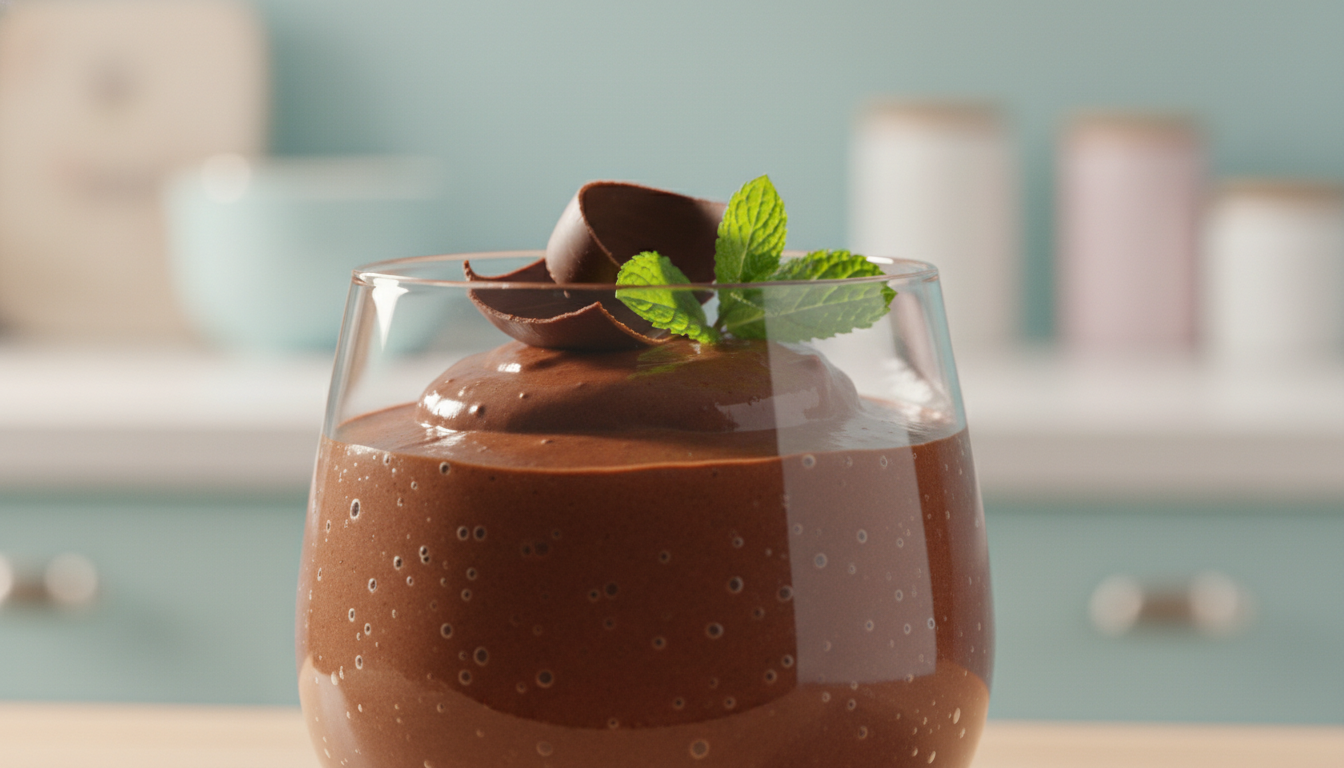
Master the art of velvety dark chocolate mousse with this easy-to-follow tutorial. Achieve the perfect aerated texture in your homemade dessert.
Creating the perfect aerated texture in a dessert like Dark Chocolate Mousse is an art that requires precision and patience. You will learn how to craft a rich, velvety dessert that is both decadent and light.
To start, you will need to gather your ingredients and understand their roles in achieving the desired texture. The key to a successful mousse lies in the quality of its components and the technique used to combine them.
By following this professional recipe, you will be guided through the process of creating a Velvety Dark Chocolate Mousse with a perfect aerated texture.
Dark chocolate mousse, with its velvety texture, is a beloved dessert that combines the richness of dark chocolate with a light, airy quality. You might have encountered this delightful treat at fine dining restaurants or perhaps attempted to make it yourself at home. The history of chocolate mousse dates back to the 18th century, and its enduring popularity stems from its luxurious texture and deep, chocolatey flavor.
The key to a sublime chocolate mousse lies in its air incorporation. When done correctly, the mousse should be light and airy, yet still retain the richness of the chocolate. Achieving this balance is an art that requires precision and patience. As the famous pastry chef, Jacques Torres, once said,
“The secret to a great mousse is in the folding. You need to be gentle, yet firm, to incorporate the air without deflating the mixture.”
Air incorporation is crucial because it transforms the dense, heavy chocolate into a light, ethereal dessert. The process involves whipping cream or egg whites to incorporate air, which is then gently folded into the chocolate mixture. This technique not only enhances the texture but also amplifies the flavor, making each spoonful a delightful experience.
| Component | Role in Mousse | Effect on Texture |
|---|---|---|
| Dark Chocolate | Provides rich, deep flavor | Contributes to denseness |
| Whipped Cream/Egg Whites | Incorporates air | Lightens the texture |
| Sugar | Balances flavor | Minimal effect |
Understanding the role of each component and the importance of air incorporation will help you create a velvety dark chocolate mousse that is sure to impress. Whether you’re a seasoned baker or a novice in the kitchen, mastering this dessert will elevate your culinary skills and delight your taste buds.
To achieve the perfect aerated texture in dark chocolate mousse, it’s essential to understand the importance of each ingredient and its contribution to the overall dessert. The quality and type of ingredients used can significantly impact the final product’s flavor, texture, and overall appeal.
The primary flavor component in dark chocolate mousse is, of course, the dark chocolate itself. Bittersweet chocolate is often preferred for its deep, rich flavor profile. You should look for chocolate with a high cocoa content (at least 70%) to ensure the best flavor.
In addition to dark chocolate, other ingredients like sugar and eggs play crucial roles in the flavor profile. Sugar balances out the bitterness of the chocolate, while eggs contribute to both flavor and texture.
The texture of dark chocolate mousse is one of its most appealing qualities. Whipping cream and egg whites are the primary textural elements that give the mousse its light and airy consistency.
You should whip the cream until it becomes stiff peaks, and egg whites until they become frothy, before gently folding them into the chocolate mixture. This process incorporates air and increases the volume, making the mousse light and mousse-like.
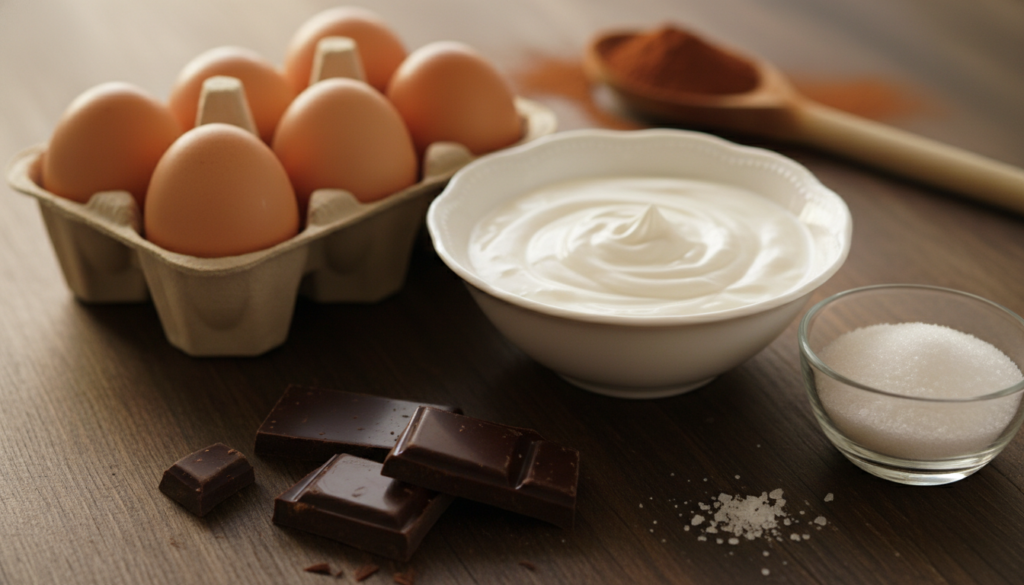
The folding method is critical in incorporating air into the mousse. You should gently fold the whipped cream and egg whites into the chocolate mixture to maintain the air pockets and prevent deflation.
By understanding the importance of each ingredient and the technique of air incorporation, you can create a dark chocolate mousse that is both rich in flavor and light in texture.
Understanding the Baker’s Percentage is crucial for achieving the perfect balance of ingredients in your velvety dark chocolate mousse. This system allows you to scale recipes up or down while maintaining the integrity of the ingredient ratios.
The Baker’s Percentage is a method of expressing the weight of each ingredient as a percentage of the total flour weight. Although mousse recipes don’t typically include flour, we can adapt this concept to our primary ingredient: dark chocolate. By using dark chocolate as our base (100%), we can calculate the proportions of other ingredients relative to it.
| Ingredient | Weight (g) | Baker’s Percentage (%) |
|---|---|---|
| Dark Chocolate | 200 | 100 |
| Egg Whites | 120 | 60 |
| Sugar | 80 | 40 |
| Cream | 150 | 75 |
The egg whites play a critical role in creating the egg white peaks that contribute to the aerated texture of the mousse. Whipping the egg whites until they form stiff peaks incorporates air and increases the volume, making the mousse light and airy.
To achieve the perfect egg white peaks, ensure that your mixing bowl and whisk are clean and free of any fat residue, as this can prevent the egg whites from whipping properly. Gradually adding sugar while whipping will help stabilize the peaks.
By understanding and applying the Baker’s Percentage to your velvety dark chocolate mousse recipe, you can achieve a consistent and desirable texture. This method provides a clear and precise way to adjust ingredient quantities, ensuring that your mousse turns out light, airy, and full of rich, dark chocolate flavor.
Having the appropriate tools and equipment is crucial for achieving the desired aerated texture in your dark chocolate mousse. The right tools not only make the preparation process smoother but also ensure that your mousse turns out light and velvety.
To start, you’ll need a few essential cooking tools. A double boiler or a heatproof bowl set over a pot of simmering water is necessary for melting the chocolate gently. This setup helps prevent the chocolate from seizing up or developing an unpleasant texture.
The choice of mixing bowls can significantly affect your mousse-making experience. Stainless steel or glass bowls are ideal because they are non-reactive and can be chilled easily.
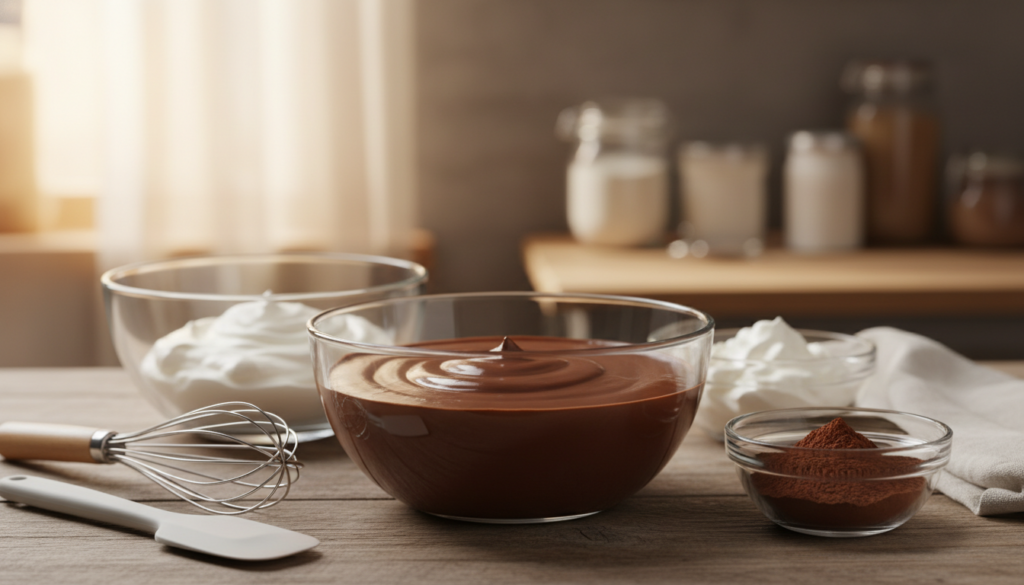
Whisking is a critical step in incorporating air into your mousse. You’ll need a whisk or an electric mixer for this purpose. For egg whites and cream, an electric mixer is highly recommended as it can achieve the desired stiffness quickly.
Tips for Effective Whisking:
Achieving the perfect texture in dark chocolate mousse involves a series of careful steps. To create this delightful dessert, you will need to follow a meticulous process that involves melting chocolate, preparing egg mixtures, whipping cream, and folding techniques to achieve aeration.
To begin, you need to melt the chocolate to create a smooth and glossy base for your mousse. Use high-quality dark chocolate for the best flavor.
Preparing the egg mixtures is crucial for adding structure and stability to your mousse.
Whipping cream adds lightness and texture to the mousse.
The folding technique is essential for incorporating air into the mousse, giving it a light and airy texture.
“The art of folding is not just about mixing; it’s about gently combining ingredients while preserving the air you’ve incorporated.” –
By following these steps and mastering the folding technique, you can create a velvety dark chocolate mousse that is both delicious and visually appealing.
| Step | Description | Key Ingredient |
|---|---|---|
| 1 | Melting Chocolate | Dark Chocolate |
| 2 | Preparing Egg Mixtures | Eggs |
| 3 | Whipping Cream | Heavy Cream |
| 4 | Folding Techniques | Egg Whites |
Crafting a velvety dark chocolate mousse with the perfect consistency is a delicate process that involves several crucial steps. To achieve this, you need to pay close attention to detail and understand the techniques that contribute to the desired aerated texture.
The temperature and texture of your chocolate mousse are critical factors that determine its overall consistency. Monitoring these elements closely ensures that your mousse turns out light and airy rather than dense and heavy.
To start, it’s essential to keep the chocolate at the right temperature when melting it. Overheating can cause the chocolate to seize up or become too thick, making it difficult to achieve a smooth texture.
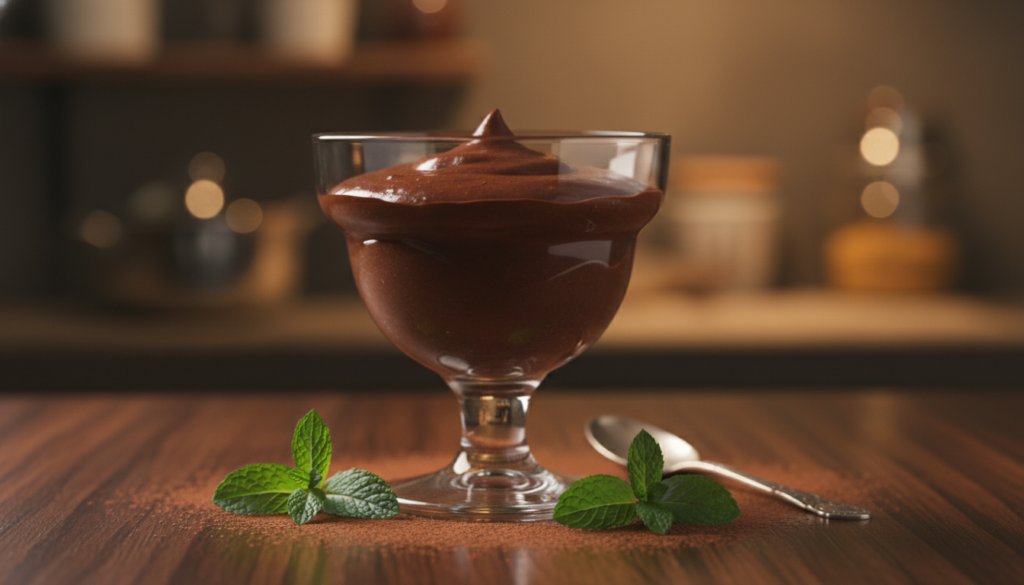
While aeration is crucial for giving the mousse its light and airy texture, over-aeration can be detrimental. It can cause the mousse to become too stiff or even collapse.
To avoid this, whip the cream just until it reaches the soft peak stage. Over-whipping can introduce too much air, leading to an undesirable texture.
Folding is a critical step in making chocolate mousse, as it combines the chocolate and egg mixtures with the whipped cream. Careful folding is essential to maintain the aerated texture achieved during whipping.
To fold effectively, gently cut through the center of the mixture with your spatula, then gently fold the ingredients together. This technique helps to preserve the air incorporated during whipping, ensuring a smooth and even consistency.
By following these tips and paying close attention to the temperature, texture, and aeration of your dark chocolate mousse, you can achieve the perfect consistency that will delight your guests and satisfy your sweet tooth.
Take your dark chocolate mousse to the next level by experimenting with different flavor profiles. The richness of dark chocolate provides a versatile canvas for a variety of enhancements, allowing you to tailor the mousse to your taste preferences or to complement specific occasions.
One of the most effective ways to enhance the flavor of your dark chocolate mousse is by adding espresso. The bitterness of the espresso balances the sweetness of the chocolate, creating a deeper flavor profile. “Espresso and dark chocolate are a match made in heaven,” as many chefs would agree.
To incorporate espresso, you can either mix in a teaspoon of strong brewed espresso or use espresso powder. Start with a small amount and taste as you go, adjusting the quantity to your liking. This addition not only enhances the chocolate flavor but also adds a sophisticated twist to your mousse.
Another way to add complexity to your mousse is by incorporating liqueurs. Options like Grand Marnier, Kahlúa, or Cointreau can be folded into the mousse to introduce a new dimension of flavor. When using liqueurs, it’s essential to balance the amount so that it complements rather than overpowers the chocolate.
“The art of cooking is the love of feeding others.” – Unknown
For a unique twist, consider flavoring your mousse with spices. A pinch of cinnamon, nutmeg, or cayenne pepper can add warmth and depth to the chocolate. Spices can be added to the chocolate as it melts, allowing the flavors to meld together seamlessly.
Experimenting with these flavor enhancements and variations allows you to put your personal stamp on the classic dark chocolate mousse, making it a truly special dessert for any occasion.
The art of plating is crucial in elevating the experience of enjoying your velvety dark chocolate mousse. A well-presented dessert not only delights the palate but also pleases the eye, making the overall experience more memorable. As you prepare to serve your mousse, consider the techniques and suggestions outlined below to enhance its appeal.
To present your dark chocolate mousse attractively, start by chilling your serving dishes or glasses in the refrigerator for at least 30 minutes. This step is crucial as it helps maintain the mousse’s texture by keeping it cool. When you’re ready to serve, gently spoon the mousse into the chilled dishes, making sure to fill them to the desired level without overflowing.
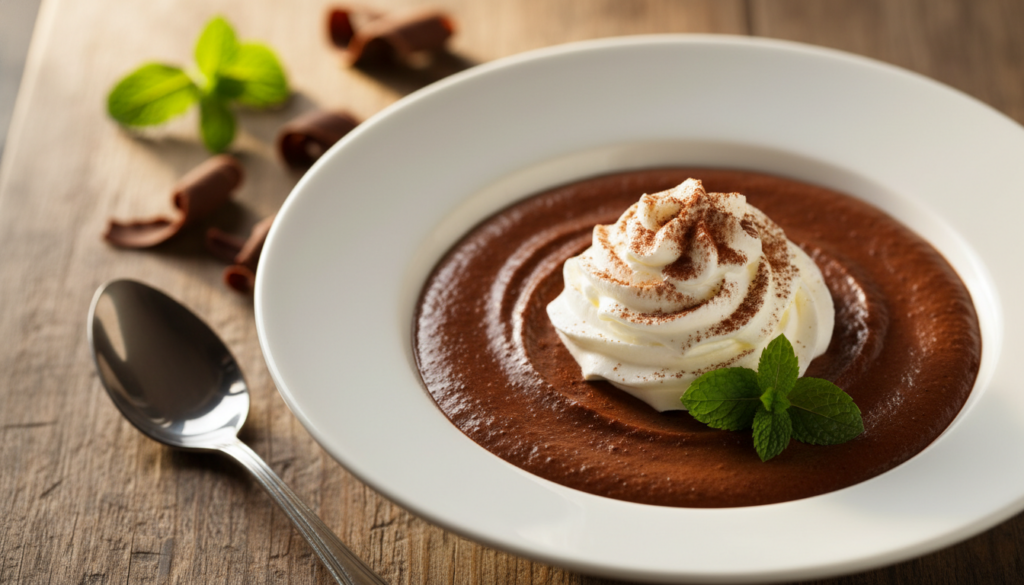
Garnishing your mousse can add an extra layer of flavor and visual appeal. Consider using fresh berries such as raspberries or strawberries, which complement the rich flavor of dark chocolate. Other options include a sprinkle of cocoa powder, edible gold dust for luxury, or even a few chocolate shavings.
Pairing your dark chocolate mousse with the right beverage can elevate the dessert experience. For wines, a sweet dessert wine like Tawny Port pairs beautifully with the bitterness of dark chocolate. Alternatively, a strong espresso or a rich, bold coffee can complement the chocolate’s depth, creating a delightful contrast of flavors.
| Garnish | Pairing Suggestion | Occasion |
|---|---|---|
| Fresh Berries | Coffee | Casual Gathering |
| Edible Gold Dust | Dessert Wine | Luxury Dinner |
| Chocolate Shavings | Espresso | Intimate Dinner |
Regardless of your chosen presentation, garnish, or pairing, it’s essential to remember that chilling time is crucial. Allowing your mousse to chill adequately will ensure it sets properly, making it easier to serve and enjoy. A well-chilled mousse also retains its texture and flavor, providing the best possible experience for you and your guests.
To achieve the perfect aerated texture in your dark chocolate mousse, it’s crucial to avoid a few common pitfalls. Making this dessert can be a delicate process, and being aware of potential mistakes can make all the difference in the final product.
One of the most common mistakes is overheating the chocolate. When chocolate is exposed to high temperatures, it can seize up or become too thin, affecting the overall texture of the mousse. “Chocolate is a temperamental ingredient,” as noted by renowned pastry chefs, “and its temperature must be carefully managed.” To avoid overheating, melt the chocolate over a double boiler or in short intervals in the microwave, stirring between each heating.
Another critical aspect is the folding technique. Improper folding can deflate the mixture, leading to a dense mousse. To maintain the air incorporation, gently fold the egg whites or whipped cream into the chocolate mixture using a spatula. As Julia Child once said, “The most important thing is to fold gently, so you don’t deflate the mixture.” This technique requires patience and a gentle touch.
Not allowing the mousse to chill for an adequate amount of time can also affect its texture. Chilling is essential for the flavors to meld together and for the mousse to set properly. As a general rule, it’s best to chill the mousse for at least two hours before serving. This patience will be rewarded with a smooth, velvety texture.
By avoiding these common mistakes, you can ensure that your dark chocolate mousse turns out light, airy, and full of flavor. Remember, the key to a successful mousse is attention to detail and a gentle hand when incorporating air.
You’ve mastered the art of making velvety dark chocolate mousse, and now you’re left with the task of storing the leftovers. Proper storage is crucial to maintaining the texture and flavor of your bittersweet chocolate mousse.
To keep your mousse fresh, store it in an airtight container in the refrigerator. Make sure the container is covered with plastic wrap or aluminum foil to prevent other flavors from seeping in.
The shelf life of your mousse depends on the freshness of the ingredients used. Generally, it can last up to 3 days in the refrigerator. When storing, keep the mousse away from strong-smelling foods, as bittersweet chocolate can absorb odors easily.
If you find yourself with too much mousse, consider using it as a topping for ice cream or yogurt. You can also layer it in a parfait glass with other desserts for a visually appealing treat. Experimenting with different serving methods can breathe new life into your leftover mousse.