All the world of cacao in one click.

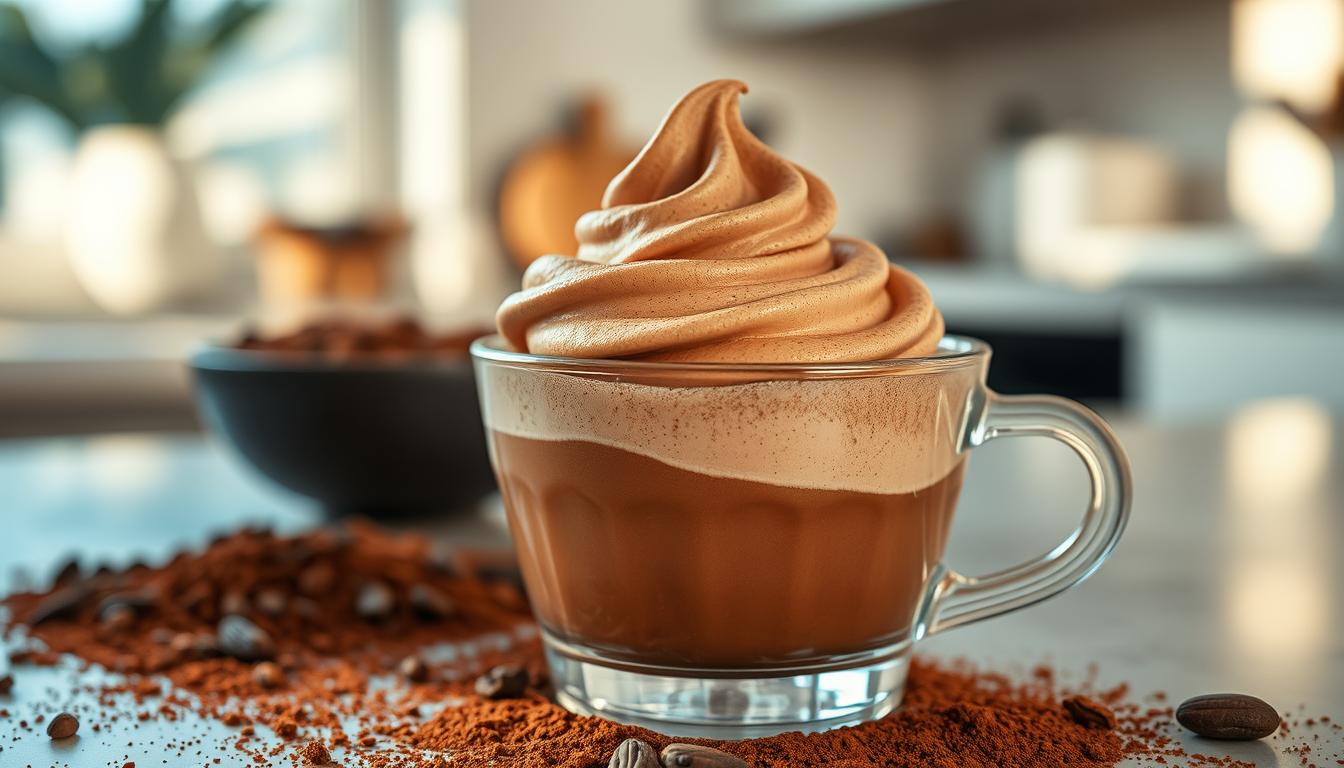
Unlock the key to crafting professional-quality whipped cacao foam for your homemade treats.
You can easily master the art of creating a light and airy texture for your favorite drinks. Scientists study how certain plant proteins create stable bubbles that stay firm for hours. This modern technique allows you to enjoy a luxurious whipped cacao foam without any dairy products.
Using aquafaba serves as the main base for this unique recipe. This simple liquid contains proteins and starches that work just like egg whites. You can achieve professional results by balancing the protein structure with the right amount of sugar.
| Ingredient | Baker’s Percentage |
|---|---|
| Aquafaba (Chickpea Liquid) | 100% |
| Granulated Sugar | 90% |
| Natural Cocoa Powder | 15% |
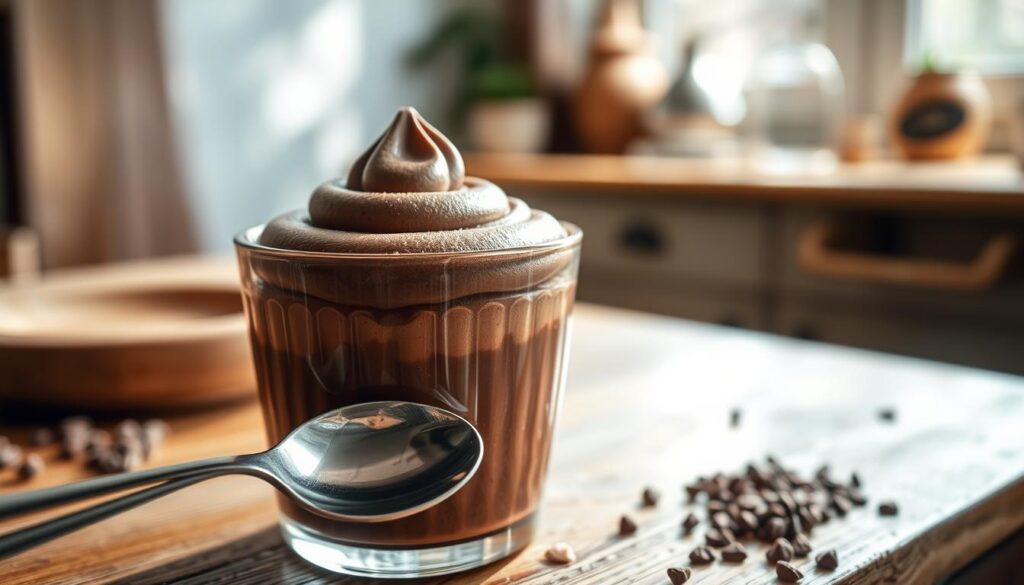
The stability of your foam is directly related to the protein structure you choose. When creating Whipped Cacao Foam, you have two popular protein options: egg whites and chickpea protein (aquafaba). Understanding the differences between these proteins can help you make informed decisions about your recipe.
Egg whites and chickpea protein have different protein structures that affect their ability to create stable foams. Egg whites contain proteins like ovotransferrin and ovomucoid, which are known for their excellent foaming properties. On the other hand, chickpea protein contains proteins like globulins and albumins, which also contribute to its foaming ability.
The protein structure plays a crucial role in determining the stability of the foam. Protein unfolding and aggregation are key factors that influence foam stability. Egg whites tend to form more stable foams due to their higher protein content and the presence of ovotransferrin, which enhances foam stability.
In contrast, chickpea protein (aquafaba) has gained popularity as a vegan alternative for creating stable foams. While it may not be as stable as egg whites, aquafaba has its own advantages. The liquid from canned chickpeas contains a unique combination of proteins and carbohydrates that contribute to its foaming properties.
| Protein Type | Foam Stability | Protein Content |
|---|---|---|
| Egg Whites | High | High protein content with ovotransferrin |
| Chickpea Protein (Aquafaba) | Moderate | Unique combination of proteins and carbohydrates |
As shown in the table, both egg whites and chickpea protein have their strengths and weaknesses when it comes to creating stable foams. By understanding the protein structure and its impact on foam stability, you can make informed decisions about your Whipped Cacao Foam recipe.
The temperature at which sugar is heated can make or break the stability of the foam in your favorite cacao drinks. Sugar plays a multifaceted role in the creation and stability of whipped cacao foam, affecting not just the sweetness but also the texture and longevity of the foam.
Sugar’s impact on foam stability is largely due to its effect on the structure of the protein network that forms the foam. When sugar is heated to the right temperature, it helps to strengthen this network, thereby enhancing the foam’s stability.
Temperature control is crucial in this process. Heating sugar to an appropriate temperature ensures that it dissolves properly and integrates well with other ingredients, contributing to a more stable foam.
The concentration of the sugar syrup, which is directly related to the temperature it is heated to, is vital. A syrup heated to a higher temperature will be more concentrated and can provide a more stable foam when cooled and whipped.
For instance, heating sugar to a temperature between 110°C to 120°C (230°F to 248°F) can result in a syrup that, when cooled and incorporated into the cacao mixture, enhances the foam’s durability.
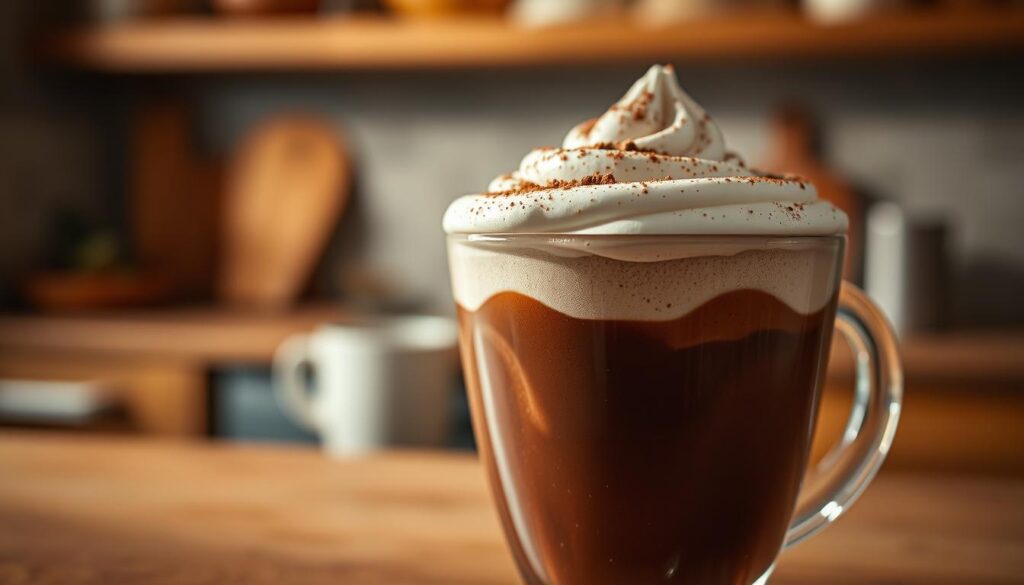
Understanding the role of sugar temperature in foam stability is essential for creating high-quality beverages and sustainable pastry products that meet the evolving demands of consumers interested in beverage trends.
As the demand for plant-based alternatives continues to rise, the vegan beverage market is poised for significant growth by 2026. You can expect to see innovative applications of Whipped Cacao Foam in sustainable pastry designs and beverages.
The science behind stable vegetable protein foams, such as those made with Aquafaba, has paved the way for creative uses in the culinary world. The understanding of Foam Physics plays a crucial role in crafting these innovative beverages.
By mastering the art of creating stable foams, manufacturers can develop unique products that not only taste great but also offer a visually appealing experience. As Beverage Trends continue to shift towards sustainability and veganism, the incorporation of Sustainable Pastry practices will become increasingly important.
You will see a rise in beverages that not only use plant-based ingredients but also prioritize eco-friendly production methods. The future of vegan beverages is exciting, with endless possibilities for creativity and innovation.