All the world of cacao in one click.

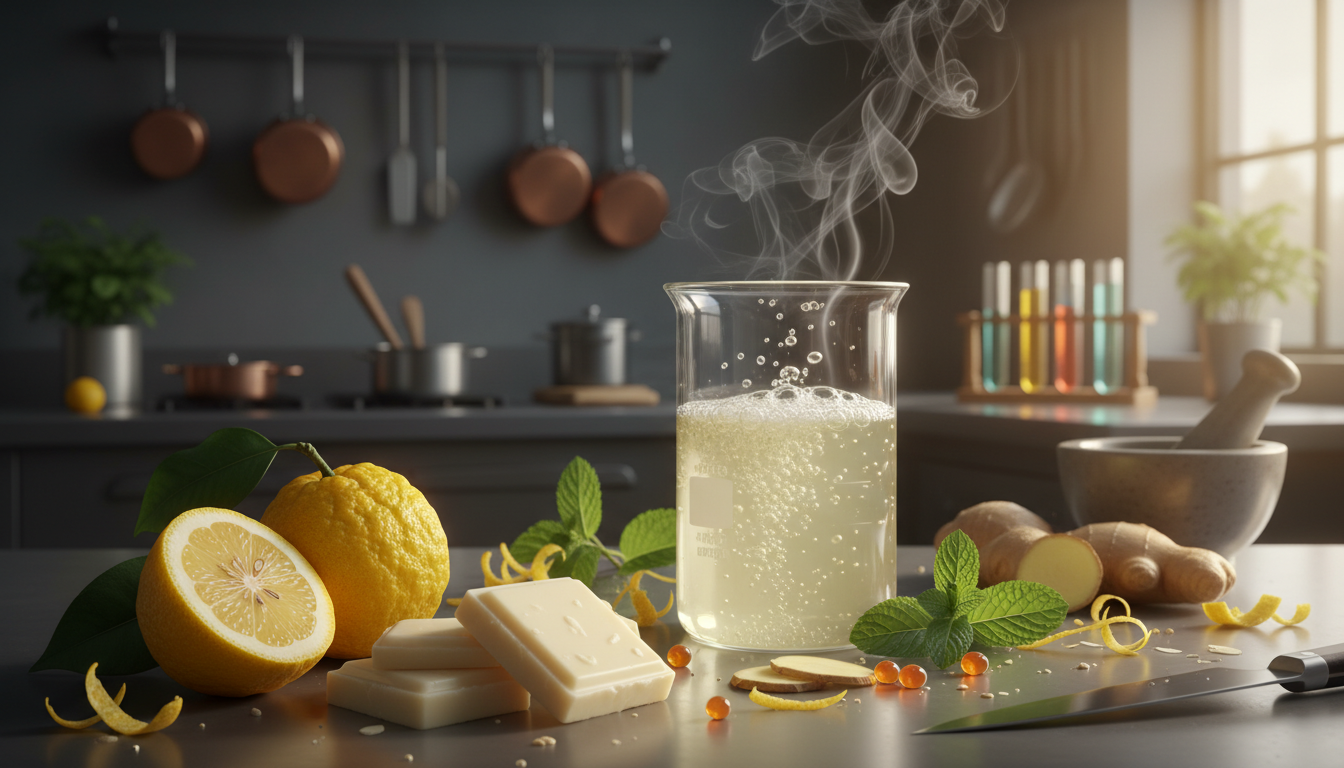
Explore the acidic fusion of yuzu and low-pH white chocolate in this tutorial. Discover the secrets to pairing these unique flavors.
Mastering a unique Yuzu Fusion requires you to study the principles of Flavor Chemistry. You must understand how acidity and dairy fats interact to keep the mixture from breaking during the mixing phase. This professional approach results in a stable ganache with a vibrant citrus profile.
Selecting quality ingredients is your essential first step in this culinary process. Specific low-pH white chocolate helps the structure stay firm even under high acid concentrations. Precision is vital when you measure your proportions to reach the perfect mouthfeel and texture.
| Ingredient | Baker’s Percentage (%) |
|---|---|
| White Chocolate (Low-pH) | 100% |
| Heavy Cream | 20% |
| Citrus Juice | 5% |
When creating desserts with acidic components, understanding their effect on fat stability is crucial. The acidity in ingredients like yuzu juice can significantly impact the emulsion of fat and water in your ganache, potentially leading to separation or graininess.
The chemistry behind fat destabilization involves the interaction between acidic ingredients and the fat molecules in your dessert. Acidic components can disrupt the delicate balance of the emulsion, causing the fat molecules to clump together and separate from the water.
Key factors to consider:
The pH level of your ingredients plays a critical role in maintaining the stability of the emulsion. A lower pH (more acidic) can destabilize the fat, while a higher pH can help maintain stability.
To manage the pH balance effectively, follow these steps:
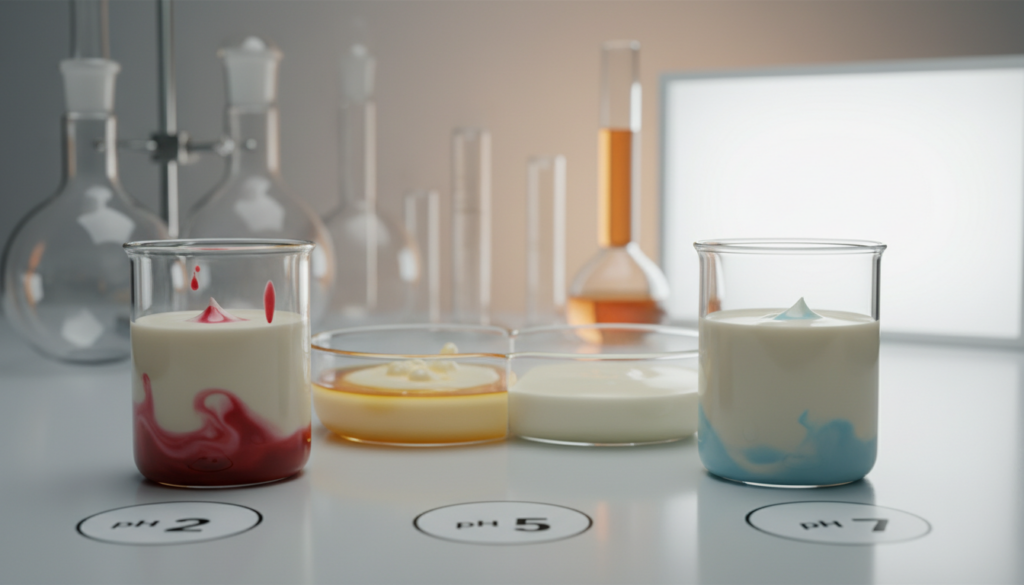
By understanding the chemistry behind fat destabilization and managing the pH balance, you can create stable and smooth ganache. Maintaining the right pH balance is essential for achieving the desired texture and flavor in your desserts.
“The pH level of your ingredients is a critical factor in determining the stability of your emulsion. By controlling this factor, you can significantly improve the quality of your desserts.”
To achieve a stable emulsion in your yuzu white chocolate ganache, it’s crucial to understand the concept of buffered emulsions. When you’re working with ingredients like yuzu, an exotic fruit known for its acidity, and white chocolate, which is rich and fatty, creating a stable mixture can be challenging.
The key to a successful ganache lies in its stability. A buffered emulsion is essentially a mixture that resists changes in pH, thereby maintaining its stability even when acidic or alkaline ingredients are added.
One effective technique for enhancing stability is the use of buffering agents. For instance, adding a small amount of citrate or phosphate can help buffer the acidity of yuzu and stabilize the emulsion.
To prepare the ganache, melt the white chocolate and mix it with yuzu juice that has been buffered with sodium citrate. The addition of sodium citrate helps in creating a buffer system that stabilizes the emulsion, ensuring that your ganache remains smooth and luxurious.
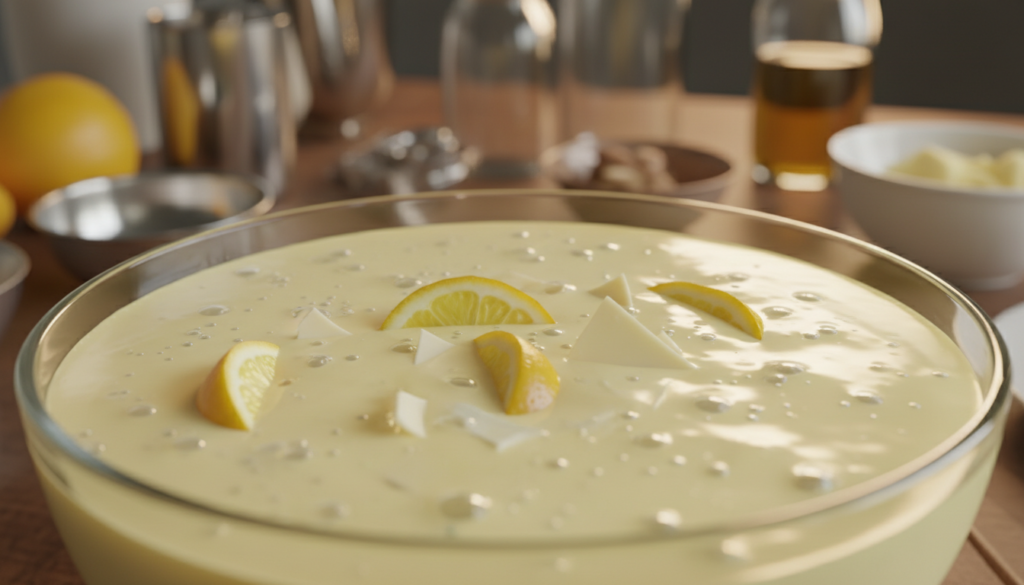
By mastering the art of creating buffered emulsions, you can elevate your confectionery creations, combining the zesty freshness of yuzu with the richness of white chocolate in a harmonious and exotic flavor profile.
The combination of yuzu and cacao creates a unique flavor experience, driven by the principles of Flavor Chemistry. When paired, the acidity of yuzu complements the richness of cacao, resulting in a balanced flavor profile.
To enhance this synergy, consider the pH Balance of your ganache. A lower pH can intensify the flavor compounds, but may also affect the stability of the emulsion. By understanding the chemistry behind this interaction, you can refine your recipe to achieve the desired taste.
To optimize the flavor profile, adjust the ratio of yuzu to cacao. A sample recipe might include 20% yuzu juice and 80% dark chocolate (70% cocoa solids), using a Baker’s percentage. Here’s an example formulation:
| Ingredient | Baker’s Percentage (%) |
|---|---|
| Dark Chocolate (70% cocoa solids) | 80 |
| Yuzu Juice | 20 |
| Cream | 50 |
| Sugar | 10 |
When storing high-acid ganache, consider the impact of pH Balance on shelf-life. You may need to adjust storage conditions or packaging to maintain quality. By controlling factors like temperature and humidity, you can extend the shelf-life of your creations.