All the world of cacao in one click.

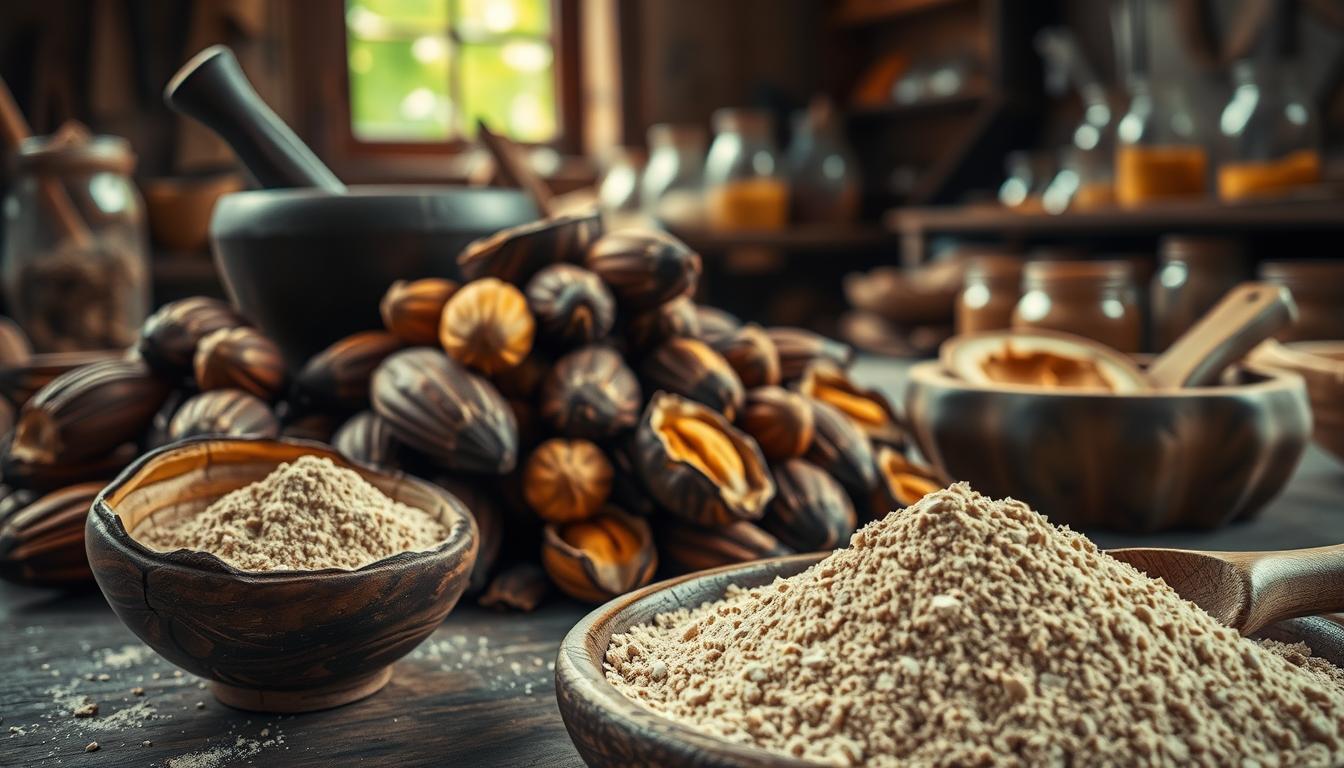
Turn cacao pod husks into edible flour with this zero-waste craft tutorial. Learn how to create a sustainable, zero-waste ingredient from an often-discarded material.
You can transform cacao pod husks into a valuable, edible flour, embodying the principles of Zero-Waste Craft and upcycling. This process not only reduces food waste but also promotes a circular economy by utilizing what is often discarded.
By grinding cacao pod husks into flour, you create a sustainable ingredient that can be used in a variety of recipes. This approach to total valorization supports environmentally friendly practices and opens up new possibilities for culinary innovation.
As you embark on your zero-waste crafting journey, it’s essential to grasp the fundamental principles that guide this practice. Zero-waste crafting is about creating something valuable while minimizing waste, contributing to a more sustainable and circular economy.
Zero-waste principles revolve around reducing, reusing, and recycling materials to minimize environmental impact. This approach encourages creativity and resourcefulness in crafting.
The core idea is to treat waste as a resource, giving it a new life in your crafting projects. By adopting zero-waste principles, you’re not only reducing your ecological footprint but also promoting a healthier environment.
Sustainable ingredients are the backbone of zero-waste crafting. Using locally sourced, organic, and recycled materials not only reduces waste but also supports local economies and promotes eco-friendly practices.
When crafting with sustainable ingredients, you ensure that your projects are environmentally friendly from start to finish. For instance, using cacao pod husks to make edible flour is a great example of repurposing waste into a valuable resource.
| Aspect | Traditional Crafting | Zero-Waste Crafting |
|---|---|---|
| Material Source | Often new, raw materials | Recycled, repurposed, or sustainable materials |
| Waste Generation | Can generate significant waste | Aims to minimize or eliminate waste |
| Environmental Impact | May have a larger carbon footprint | Promotes eco-friendly practices and reduces carbon footprint |
Cacao pod husks are not just a byproduct of cacao processing; they are a treasure trove of nutritional benefits and culinary possibilities. As you explore the potential of these husks, you’ll discover their value in enhancing both the nutritional content and flavor of various recipes.
Cacao pod husks are rich in dietary fiber, containing both soluble and insoluble fiber that can contribute to a healthy digestive system. The high fiber content in cacao pod husks can help promote regular bowel movements and support healthy blood sugar levels.
Nutritional Highlights of Cacao Pod Husks:
| Nutrient | Amount per 100g | % Daily Value |
|---|---|---|
| Fiber | 60g | 240% |
| Protein | 10g | 20% |
| Iron | 5mg | 28% |
As shown in the table, cacao pod husks are not only high in fiber but also contain significant amounts of protein and iron, making them a nutritious addition to your diet.
“The fiber content in cacao pod husks can help reduce the risk of chronic diseases such as heart disease and diabetes.”
The versatility of cacao pod husks in culinary applications is vast. They can be dried and ground into a flour that serves as a gluten-free alternative for baking. This flour can be used in cakes, cookies, and bread, adding not only fiber but also a unique flavor.
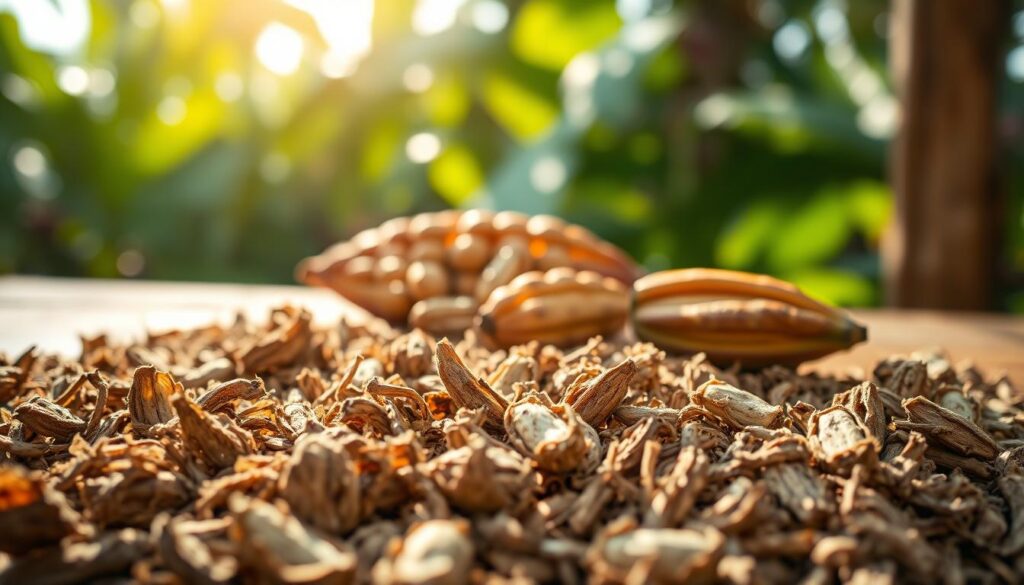
You can also use cacao pod husks to make teas or infusions that are rich in antioxidants. The husks can be brewed on their own or combined with other herbs for a flavorful and healthy beverage.
By incorporating cacao pod husks into your recipes, you’re not only enhancing the nutritional value but also exploring new flavors and culinary possibilities.
The process of making cacao pod husk flour starts with gathering the necessary ingredients. To embark on this Zero-Waste Craft project, you’ll need to focus on Ingredient Innovation, utilizing what’s available and reducing waste.
The primary ingredient is, of course, cacao pod husks. These husks are typically discarded after cacao pods are opened for their beans. By using them, you’re participating in a sustainable practice that reduces waste and supports sustainable farming practices.
In addition to cacao pod husks, you may need other ingredients depending on your recipe. Some common additions include:
As you experiment with different combinations, you’ll discover the perfect blend that suits your taste and baking needs. “The art of cooking is not just about following a recipe; it’s about understanding the ingredients and their potential,” as noted by a renowned chef. This quote emphasizes the importance of being innovative with the ingredients you have.
“The art of cooking is not just about following a recipe; it’s about understanding the ingredients and their potential.”
By focusing on Ingredient Innovation, you can create unique recipes that not only taste great but also contribute to a more sustainable food system.
The journey to creating cacao pod husk flour begins with proper preparation. Upcycling cacao pod husks requires attention to detail to ensure they are clean, dry, and stored correctly.
To prepare cacao pod husks for upcycling, start by cleaning them thoroughly. Remove any residual cacao beans or other debris. Then, dry the husks completely to prevent mold or bacterial growth. You can dry them by:
Drying is a critical step as it directly affects the quality and safety of your final product. Ensure the husks are completely dry before proceeding to the next steps.
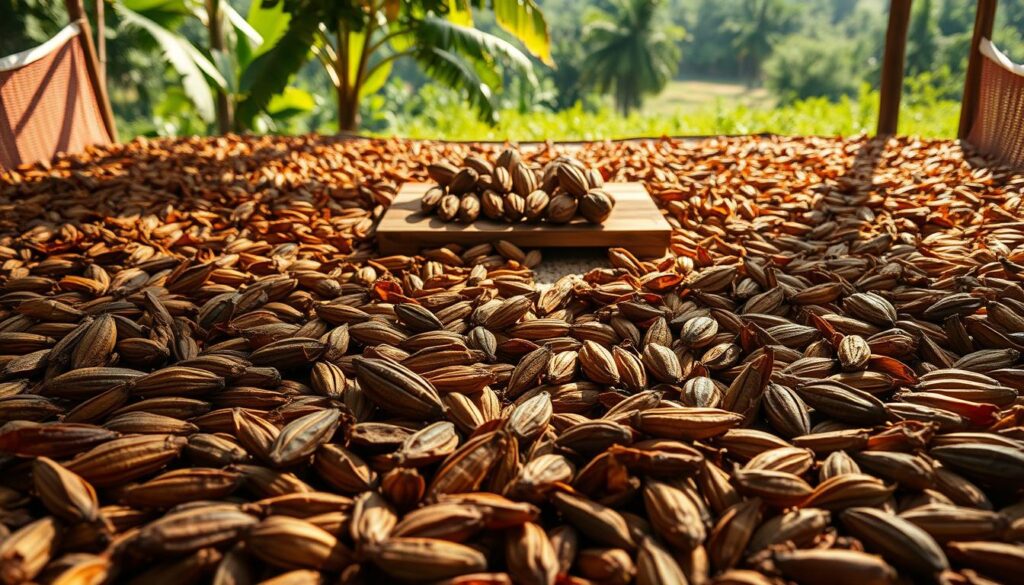
Once your cacao pod husks are dry, store them in a cool, dry place. Use airtight containers to keep them fresh and protect them from pests. Label the containers with the date and contents. Proper storage is crucial for maintaining the quality of the husks until you are ready to grind them into flour.
Some tips for storing cacao pod husks include:
By following these steps, you can ensure that your cacao pod husks are properly prepared for upcycling into flour, maintaining their nutritional value and flavor.
Grinding cacao pod husks is a pivotal process that transforms waste into a valuable resource, aligning with the principles of Zero-Waste Craft and contributing to a Circular Economy. This step is crucial in making the husks usable as a nutritious flour.
To grind cacao pod husks effectively, you’ll need to select the right equipment. A high-speed blender or a grain mill can be ideal for this task. When choosing equipment, consider the following factors:
For a zero-waste approach, consider equipment that is energy-efficient and durable.
Once you have the right equipment, follow these steps to grind your cacao pod husks:
By following these steps, you’ll be able to produce high-quality cacao pod husk flour that can be used in various recipes, supporting your zero-waste cooking endeavors.
Making Cacao Pod Husk Flour requires a thoughtful combination of ingredients to enhance its high fiber content. This process not only adds nutritional value but also improves the flour’s texture and usability in various recipes.
The key to creating a high-quality Cacao Pod Husk Flour lies in the careful selection and proportioning of ingredients. You will need to combine the dried cacao pod husks with other natural ingredients to achieve the desired consistency and nutritional profile.
To make Cacao Pod Husk Flour, you will need the following ingredients:
| Ingredient | Baker’s Percentage (%) |
|---|---|
| Dried Cacao Pod Husks | 80 |
| Oats | 10 |
| Almonds | 5 |
| Coconut Flakes | 5 |
These ingredients are combined to create a high-fiber flour that is not only nutritious but also versatile in its applications. The Baker’s percentage is used here to provide a clear ratio of the ingredients, making it easier to scale the recipe up or down.
The consistency of the Cacao Pod Husk Flour can be adjusted based on your specific needs. For a finer flour, you can grind the ingredients for a longer period. Conversely, for a coarser texture, you can reduce the grinding time.
Tips for Adjusting Consistency:
By adjusting the consistency and combining ingredients thoughtfully, you can create a Cacao Pod Husk Flour that is tailored to your culinary needs. This flour is not only a sustainable choice but also a nutritious addition to your diet, providing a good source of fiber.
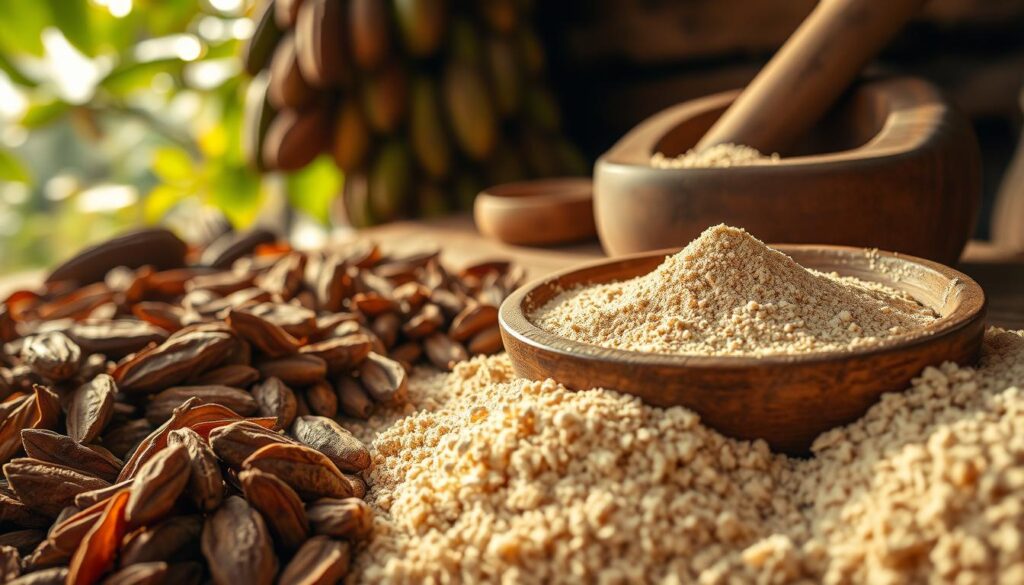
Cacao pod husk flour is a fantastic ingredient to incorporate into your daily meals for a sustainable twist. This flour not only adds a rich, chocolatey flavor to your dishes but also boosts their nutritional value. You can use it in a variety of recipes, from baked goods to smoothies, making it a versatile addition to your kitchen.
Baking with cacao pod husk flour is a great way to enhance the nutritional profile of your treats. You can substitute a portion of traditional flour with cacao pod husk flour in recipes for muffins, cakes, and cookies. For instance, try adding it to your favorite chocolate chip cookie recipe for an intense chocolate flavor and a nutritional boost.
Tips for Baking:
Cacao pod husk flour can also be a fantastic addition to your smoothies, providing a rich source of fiber and antioxidants. Simply add a spoonful to your favorite smoothie recipe for a nutritional boost. It pairs well with ingredients like banana, spinach, and almond milk, creating a delicious and healthy drink.
Example Smoothie Recipe:
Blend all the ingredients together for a refreshing and nutritious smoothie that supports your zero-waste lifestyle.
By incorporating cacao pod husk flour into your recipes, you’re not only enhancing the nutritional value of your meals but also contributing to a more sustainable food system. Experiment with different recipes and enjoy the benefits of this innovative ingredient.
Incorporating Cacao Pod Husk Flour into your recipes not only enhances nutritional value but also supports sustainable eating practices. This flour, derived from the husks of cacao pods, is a rich source of dietary fiber, vitamins, and minerals, making it a nutritious addition to various dishes.
Cacao Pod Husk Flour is particularly noteworthy for its high fiber content, which can contribute to improved digestive health and satiety. Additionally, it contains essential minerals such as potassium and magnesium, which play crucial roles in maintaining healthy blood pressure and supporting bone health.
The antioxidants present in Cacao Pod Husk Flour can help protect against oxidative stress, potentially reducing the risk of chronic diseases like heart disease and diabetes. By incorporating this flour into your diet, you can enhance the nutritional profile of your meals without sacrificing flavor.
The production and use of Cacao Pod Husk Flour embody the principles of upcycling and the circular economy. By utilizing what would otherwise be waste material from cacao processing, this flour helps reduce food waste and supports more sustainable agricultural practices.
Furthermore, the demand for Cacao Pod Husk Flour encourages farmers and producers to adopt more holistic approaches to cacao cultivation, potentially leading to more diverse and resilient farming systems. This shift can have positive impacts on biodiversity and ecosystem health.
By choosing products like Cacao Pod Husk Flour, consumers can contribute to a more sustainable food system that values and utilizes all parts of the ingredients, minimizing waste and promoting environmental stewardship.
To truly master zero-waste crafting, you need to be willing to experiment and try new things. This involves being open to new ingredients, techniques, and ideas.
One of the most exciting aspects of zero-waste crafting is the opportunity to experiment with new and unconventional ingredients. For instance, you can use high-fiber ingredients like cacao pod husks to create nutritious and delicious flour.
Some other ingredients you can experiment with include:
Sharing your knowledge and recipes with the zero-waste community is a great way to foster innovation and creativity. You can share your experiences through blog posts, social media, or by participating in local workshops.
Some ways to share your knowledge include:
By sharing your knowledge and recipes, you can inspire others to join the zero-waste movement and promote ingredient innovation.
As you continue on your zero-waste journey, connecting with like-minded individuals can be incredibly rewarding. Engaging with your community not only enhances your knowledge but also amplifies your impact on the environment.
Joining local zero-waste groups is an excellent way to share ideas, learn new techniques, and participate in community activities. These groups often organize workshops, clean-up events, and other initiatives that promote sustainable living.
Participating in workshops and events is a great way to deepen your understanding of zero-waste crafting and meet others who share your interests. Look for events that focus on sustainable cooking, zero-waste living, and circular economy practices.
| Event Type | Frequency | Benefits |
|---|---|---|
| Zero-Waste Workshops | Monthly | Learn new crafting techniques, share recipes |
| Community Clean-Ups | Quarterly | Improve local environment, community bonding |
| Sustainable Cooking Classes | Bi-Monthly | Enhance cooking skills, reduce food waste |
By engaging with your community and utilizing available resources, you can further your zero-waste journey and contribute to a more sustainable future.
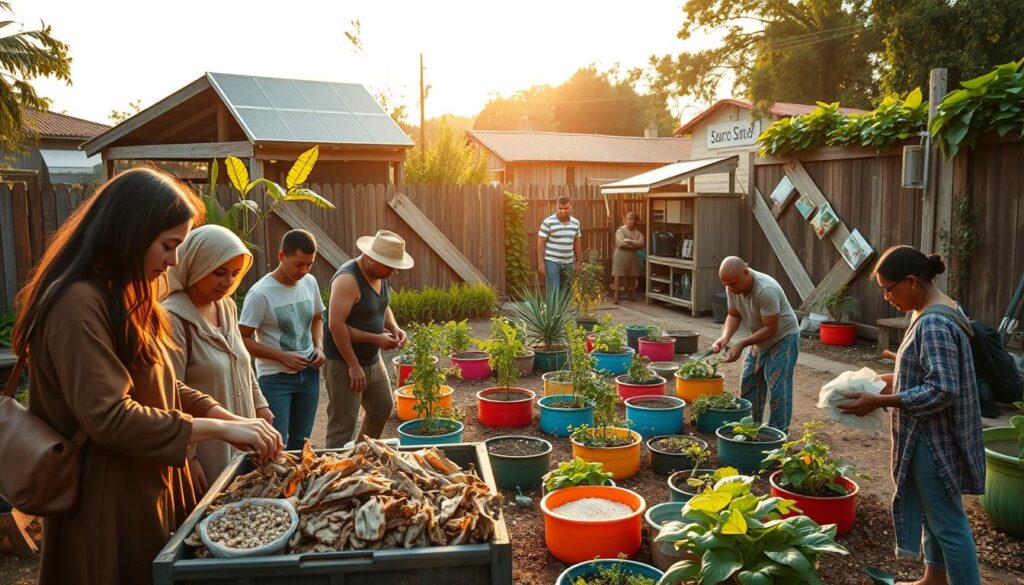
As you explore the world of zero-waste crafting, you’re not only reducing waste but also innovating with ingredients like cacao pod husks. This journey into sustainable cooking is about transforming the way you think about food and its by-products.
The future of sustainable cooking relies heavily on ingredient innovation and upcycling. By adopting zero-waste practices, you’re contributing to a more environmentally friendly food culture. Cacao pod husk flour is just one example of how upcycling can create valuable ingredients from what was once considered waste.
Your participation in zero-waste living through culinary practices can inspire others. By sharing recipes and techniques that utilize upcycled ingredients, you’re part of a larger movement towards reducing food waste. Embracing zero-waste craft is a step towards a more sustainable future, where creativity in the kitchen meets environmental responsibility.